
Red hair is the extrovert of hair colors: bold, bright, and always ready to be noticed. Unfortunately, it can also be
the first one to leave the party. If your copper, auburn, cherry, or strawberry-blonde shade seems to fade the moment
you look at a shampoo bottle, you’re not imagining itreds often lose vibrancy faster than many other tones.
The good news: keeping red hair color from fading isn’t magic. It’s a set of small, repeatable habits that protect
pigment, reduce damage, and “feed” the color between appointments. Below are 12 steps that work whether your red is
salon-done, box-dyed, semi-permanent, permanent, or somewhere in between.
Why Red Hair Color Fades So Fast (and Why It’s Not Your Fault)
Red dye can be a little dramatic because it often sits closer to the outside of the hair shaft compared to some other
pigments. That means the things that open or rough up the hair cuticlehot water, frequent washing, UV exposure, heat
styling, chlorine, hard water mineralscan help pigment slip out faster. If your hair is porous (from bleaching,
highlighting, or previous damage), it can also “leak” color more quickly.
Translation: your shower routine matters almost as much as the dye itself. But don’t worrywe’re going to make your
routine do the heavy lifting.
The 12-Step Keep-It-Red Routine
Step 1: Wait 48–72 hours before your first real shampoo
Right after coloring, the pigment needs time to settle. Washing too soon is like mopping a floor while the paint is
still wet. If you can, avoid shampoo for 2–3 days. If your scalp gets oily quickly, use dry shampoo on the roots and
keep the lengths alone. (Yes, you can still showerjust keep your hair dry or rinse lightly without shampoo.)
Step 2: Wash less often (and plan your wash days like a grown-up)
Water is a major reason color fades. Shampoo can speed it up, but even frequent rinsing can dull pigment over time.
Aim for 2–3 wash days per week if your hair and lifestyle allow it. On non-wash days, refresh roots with dry shampoo,
a quick blow-dry on cool/low, or a simple updo that says “intentional” (even if it’s secretly “I’m protecting my dye”).
If you work out often: rinse sweat from the scalp with cool water, then condition the mid-lengths and ends. You’ll feel
clean without stripping color like you’re trying to erase your personality.
Step 3: Turn down the water temperaturehot showers are color thieves
Hot water can lift the cuticle and help dye escape. Use lukewarm water for washing, then finish with a cool rinse to
help smooth the cuticle. You don’t need arctic conditionsthink “comfortable, not lava.” Your red will thank you.
Step 4: Use a sulfate-free, color-safe shampoo (and only shampoo your scalp)
Sulfates are strong cleansers that can be too aggressive for color-treated hair, especially reds. Choose a sulfate-free
shampoo labeled for color care. Then use it strategically: massage shampoo into your scalp and roots, and let the rinse
cleanse the lengths. Scrubbing the ends is like power-washing a painted wall.
Bonus: if you love big foam, don’t panic. Some gentle formulas still latherjust not with the same “car-wash” intensity.
Step 5: Condition every time, and deep condition weekly
Healthy hair holds color better than dry, porous hair. Use conditioner after every wash, focusing on mid-lengths and
ends. Once a week, swap in a deep-conditioning mask for 10–20 minutes (or whatever your product suggests). If your hair
is bleached or feels fragile, consider a bond-repair style treatment as part of your routine.
Think of conditioning as sealing the “envelope” that keeps your red pigment from mailing itself out.
Step 6: Add pigment back with a color-depositing conditioner or mask
This is the cheat code for red hair maintenance. Color-depositing products (sometimes called “tinted conditioners,”
“color masks,” or “colorwash” products) add a small amount of red/copper pigment every time you use them. Use once a
week or every other wash, depending on how quickly your shade fades.
- For copper/ginger: choose a warm copper or golden-auburn deposit.
- For true red/cherry: choose a richer red deposit (not purple-toned unless that’s your vibe).
- For strawberry blonde: go lightertoo much pigment can make you drift into “tomato soup” territory.
Pro move: apply the tinted product with gloves and distribute with a wide-tooth comb for even coverage, especially if
your ends fade faster than your roots.
Step 7: Reduce heat stylingand always use heat protectant
Heat can dull color and dry hair, which makes fading worse. If you heat-style often, turn the temperature down, keep
tools moving (no slow-cooking one section), and use a heat protectant every time. On days you can, air-dry or use the
cool/low setting. Your red should look like a jewel tone, not like it survived a small, personal sun.
Step 8: Treat the sun like it’s trying to steal your pigment (because it is)
UV exposure can fade hair colorreds included. If you’ll be outdoors a lot, protect your hair the way you protect your
skin: wear a hat, use a UV-protecting spray or leave-in, and consider hairstyles that tuck ends away (braids, buns,
scarves). This matters most in summer, on vacation, or if you spend a lot of time driving with the sun blasting one side
of your head like it’s a drama spotlight.
Step 9: Watch out for hard water and buildup (especially if your red turns dull)
Hard water minerals and product buildup can make color look flat and rough up the cuticle. If your red is fading and
your hair also feels “coated,” you may need occasional clarifyingcarefully. Use a gentle clarifying or chelating
shampoo once every 2–4 weeks (or as needed), then follow with a deep conditioner.
If hard water is a big issue where you live, a shower filter can help reduce mineral load. And if you clarify, consider
re-depositing color afterward with a tinted conditioner to keep your tone bright.
Step 10: Use the pool-and-ocean protocol (chlorine and salt aren’t “red-friendly”)
Chlorine and salt water can fade and roughen color-treated hair. Before swimming:
- Rinse hair with clean water (so it absorbs less pool/ocean water).
- Apply a lightweight conditioner or protective leave-in.
- If possible, wear a swim cap (not glamorous, but neither is faded orange-y red).
- Rinse immediately after and condition again.
If you’re swimming regularly, plan a weekly mask and consider a color-depositing refresh to keep your red from going
“washed-out postcard.”
Step 11: Be gentleyour towel, brush, and pillowcase are secretly part of your color routine
Friction and breakage don’t directly “wash out” dye, but they create roughness and porosityboth enemies of long-lasting
color. Use a microfiber towel or soft T-shirt to squeeze water out instead of aggressive rubbing. Detangle with a
wide-tooth comb or gentle brush, starting at the ends and working upward. At night, a satin or silk pillowcase (or
bonnet) reduces friction and helps hair stay smoother, which helps color look shinier and more vibrant.
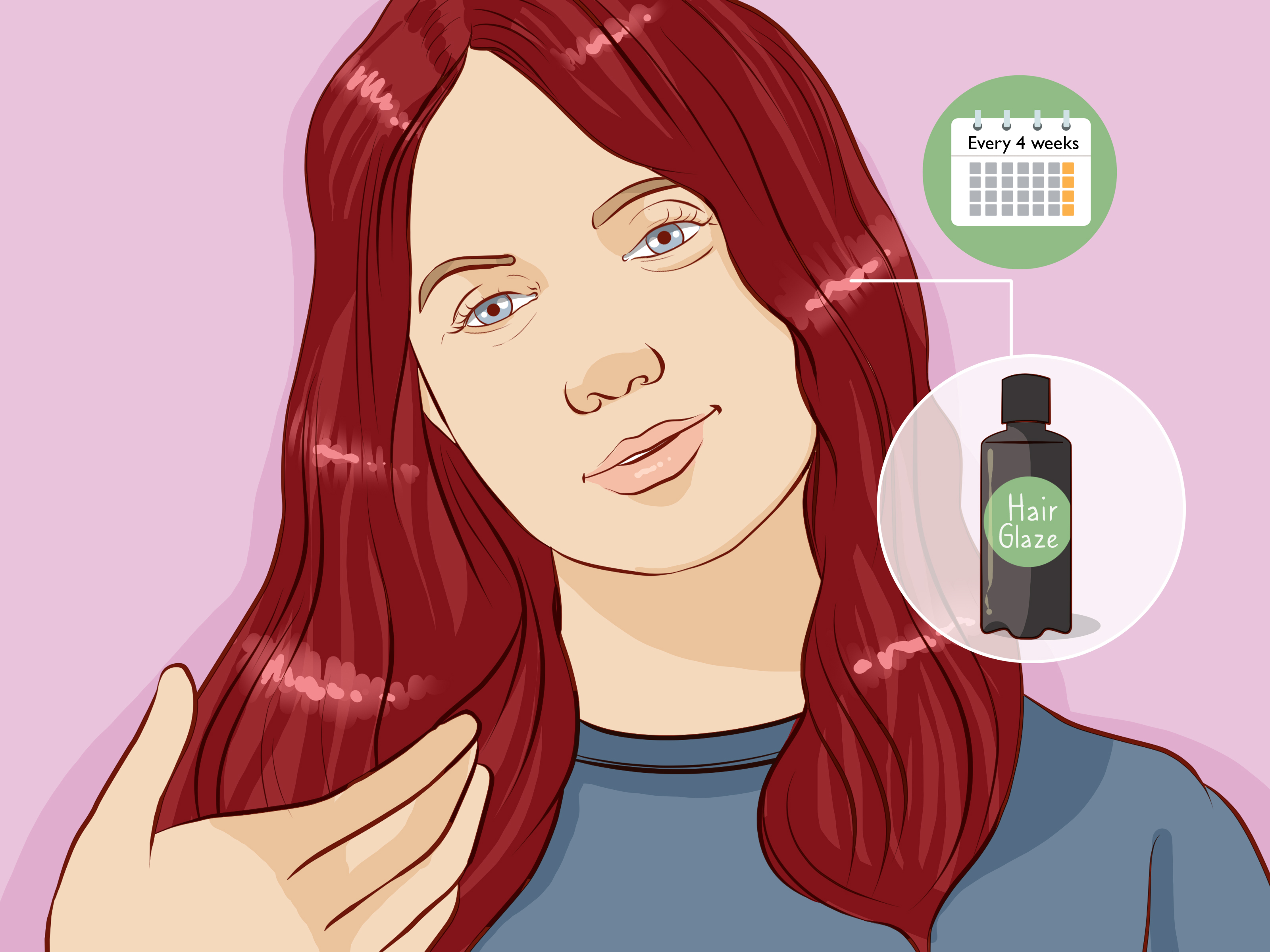
Step 12: Refresh strategically between appointments (gloss, glaze, toner, or mini touch-ups)
If you want your red to look freshly done without re-dyeing the whole head every time, ask your stylist about a gloss or
glaze (clear or tinted). These can boost shine and revive tone with less commitment than a full color service.
At home, you can use root touch-up products for regrowth and tinted masks for the lengths. And for your next color
appointment, talk to your stylist about formulas and shade choicesdeeper reds often hold longer than very bright, vivid
copper tones, and a well-planned base can make maintenance easier.
Quick Troubleshooting: When Your Red Starts to Look… Not Red
-
It’s fading fast after every wash: reduce wash frequency, lower water temperature, switch to
sulfate-free, and add a color-depositing product once weekly. -
It looks dull, not faded: you may have buildup or hard water mineralsuse a gentle clarifying/chelating
wash occasionally, then deep condition. -
Ends are lighter than roots: apply tinted conditioner primarily to the ends, and mask weekly. Consider
a trim if ends are very porous. -
It shifted “too orange” or “too pink”: adjust your depositing product tone (copper vs. true red), or
ask for a salon gloss to correct and rebalance.
A Simple Red-Hair Maintenance Schedule (Example)
If you like clear instructions you can actually follow, try this sample plan and tweak it based on your hair type:
| Day | What to Do | Why It Helps |
|---|---|---|
| Wash Day 1 | Sulfate-free shampoo (scalp only) + conditioner; cool final rinse | Gentle cleanse without stripping pigment |
| Day 2 | Dry shampoo at roots; UV spray if outdoors | Less washing = slower fading; UV protection |
| Day 3 | Wash or rinse (cool) + color-depositing conditioner/mask | Replaces pigment and boosts vibrancy |
| Day 4 | Heat protectant before styling; low heat if possible | Reduces damage and dullness |
| Weekly | Deep conditioning mask (10–20 min) | Hydration helps color look richer and last longer |
| Every 2–4 weeks | Gentle clarifying/chelating wash + deep condition | Removes buildup/hard water minerals that can dull color |
| Every 4–6 weeks | Optional salon gloss/glaze or professional refresh | Restores tone and shine without full recolor |
Safety Notes (Because Your Scalp Deserves Respect)
If you color at home or refresh with depositing products, do a patch test when recommendedsensitivities can happen even
if you’ve dyed before. If your scalp burns, swells, or becomes intensely itchy, stop and seek medical guidance. Also,
be cautious with mixing products unless instructions specifically allow itpermanent dyes and developers are chemistry
projects that do not appreciate improvisation.
Experience Notes: What People Actually Learn After Living With Red Hair
Here’s the part that rarely gets said out loud: red hair maintenance is less about one “miracle product” and more about
learning what your particular red hates the most. For some people it’s hot water (their shower is basically a sauna).
For others it’s sun exposure (one weekend outdoors and suddenly their rich auburn looks like it got turned down two
notches). And for a lot of folks, it’s the sneaky combination of hard water buildup plus “just one more clarifying wash”
that turns vibrant red into a muted, dusty version of itself.
A common experience goes like this: the first week after coloring, your hair looks unbelievably glossy and saturatedlike
the “after” photo in a salon ad. Then week two arrives, and you notice the water in the shower looks faintly tinted.
Week three shows up and your ends start looking lighter than your roots. That doesn’t mean your color is “bad”; it often
means your routine didn’t change enough to match the reality of red pigment.
Another real-life pattern: people who work out a lot tend to struggle with frequent washing. The workaround that gets the
best long-term results is “scalp-only cleansing” and conditioner on the lengths. You stay fresh where it counts without
blasting the ends with shampoo every day. Similarly, people who heat-style daily often see their red look dull before it
truly fades. Turning the heat down even a littleand using protectant consistentlycan make red look brighter for longer,
because shiny hair reflects light in a way that makes color appear more vivid.
Then there’s the “I used a clarifying shampoo and now I’m sad” moment. Clarifying isn’t evil; it’s just powerful. In
real life, it works best as an occasional reset, not a weekly habit. If you clarify to remove hard water minerals or
product film, follow it with a deep conditioner and (often) a color-depositing step. That comboreset, repair, re-tint
is what keeps hair from feeling stripped while still looking bright.
People also discover that reds can be surprisingly customizable between salon visits. Tinted conditioners and masks let
you dial warmth up or down: more copper when you want glow, more true red when you want drama. Some people even “cocktail”
a tiny amount of semi-permanent direct dye into conditioner to make a custom refresh (the key is using the right type of
dye and not guessing with developer-based formulas). The goal isn’t to repaint the house every weekit’s to touch up the
front door so the whole place looks freshly done.
Finally, the most universal experience: once you build the habit loop, red hair becomes easier. The first time you skip a
hot shower or say no to daily shampoo feels like an identity crisis. But once you see your color stay rich for weeks
longer, you’ll start defending your lukewarm rinse like it’s a treasured family recipe.
Conclusion
If red hair had a motto, it would be: “Handle with care, admire frequently.” Keep your color vibrant by washing less,
rinsing cooler, using sulfate-free color-safe products, protecting from heat and UV, managing hard water and chlorine,
and refreshing tone with a tinted conditioner or occasional gloss. Do the small things consistently, and your red will
stay boldon purpose, not by accident.










