
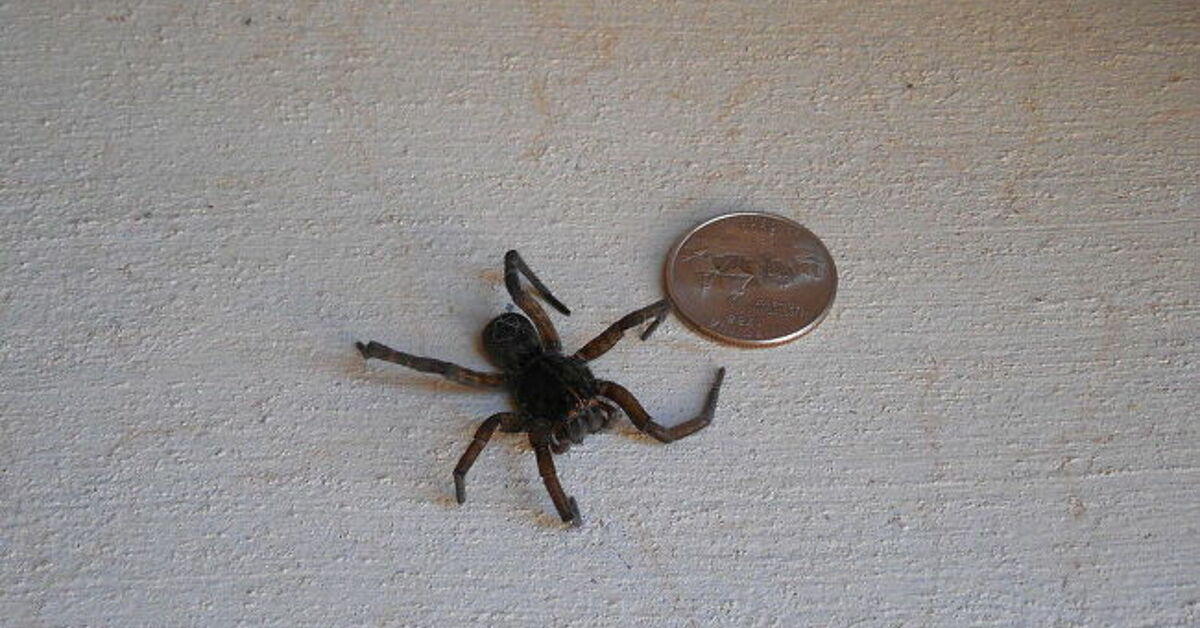
There are few things that can turn a peaceful bedtime into a tiny horror movie faster than spotting a spider near your pillow. One minute you are fluffing the blating with an eight-legged roommate who definitely did not sign the lease.
The good news is that most spiders are not interested in bothering you while you sleep. They are usually hunting insects, looking for shelter, or accidentally wandering into the wrong place at the worst possible time. Still, “they probably do not want to crawl on you” is not exactly a lullaby. If you want to know how to keep spiders away while sleeping, the smartest strategy is not panic, perfume, or spraying random chemicals around your bed. It is a practical mix of cleaning, exclusion, moisture control, clutter reduction, and a few safe deterrents used correctly.
This guide explains how to keep spiders out of your bedroom, how to spider-proof your bed, what actually attracts spiders indoors, and what to avoid if you want a restful night without turning your room into a pesticide-scented science experiment.
Why Spiders Show Up in Bedrooms
Spiders do not come into bedrooms because they admire your duvet cover. They usually enter homes for three simple reasons: shelter, food, and access. Bedrooms can offer all three, especially if there are gaps around windows, insects attracted by lights, piles of clothing on the floor, cardboard boxes under the bed, or quiet corners that rarely get disturbed.
Unlike ants or cockroaches, spiders are not typically drawn to crumbs. They are predators. If your room has flies, moths, carpet beetles, mosquitoes, gnats, or other tiny insects, spiders may follow the buffet. So, one of the best ways to prevent spiders in the bedroom is to reduce the insects they eat. No bugs, no spider restaurant. Very simple menu planning.
Spiders also like undisturbed areas. Under-bed storage, closet corners, piles of shoes, curtains, window frames, baseboards, and cluttered nightstands can all become hiding spots. The closer those hiding places are to your bed, the more likely you are to have an unpleasant bedtime surprise.
How to Keep Spiders Away While Sleeping: Start With the Bed
Your bed should feel like a sleep zone, not a wildlife crossing. The first step is to make the bed itself less accessible and less inviting.
Move the Bed Away From the Wall
If your bed is pressed directly against the wall, spiders and other crawling pests have an easy bridge onto your sleeping area. Pull the bed a few inches away from the wall if your room allows it. This small gap makes it harder for spiders to wander from baseboards, wall corners, or curtains straight onto your blankets.
Keep Bedding Off the Floor
Blankets, comforters, bed skirts, and loose sheets that touch the floor act like tiny ladders. Tuck bedding in, use a fitted bed frame, and avoid oversized blankets dragging across the carpet. If you use a bed skirt, make sure it does not pool on the floor. Spiders are good climbers, but there is no need to offer them a velvet staircase.
Shake Out Blankets and Pillows
Before sleeping, especially in guest rooms, cabins, basements, or rooms that have been unused for a while, give blankets, pillows, and throws a quick shake. This is also smart for stored bedding. Spiders like quiet fabric folds, and shaking items before use can reduce the chance of accidentally sharing your pillow with a visitor.
Avoid Eating in Bed
Crumbs do not directly attract spiders, but they can attract insects. Insects attract spiders. That late-night cookie may seem innocent, but it can start a tiny food chain under your nightstand. Keep snacks out of the bedroom when possible, and clean up quickly if you do eat there.
Deep Clean the Bedroom Like You Mean It
Regular cleaning is one of the most effective spider prevention methods because it removes webs, egg sacs, insects, dust, and hiding places. You do not need to clean like a hotel inspector every day, but a consistent routine helps.
Vacuum Corners, Baseboards, and Under the Bed
Spiders often settle where vacuum cleaners fear to roll: behind furniture, under beds, along baseboards, in corners, behind curtains, and inside closets. Vacuum these areas weekly if you have ongoing spider activity. Use a hose attachment for ceiling corners and window frames. Vacuuming can remove spiders, webs, egg sacs, and the small insects spiders feed on.
Dust Window Sills and Curtain Areas
Windows are common spider zones because insects are attracted to light and often gather near glass. Dust window sills, clean dead insects from tracks, and wash curtains occasionally. If you have heavy drapes that touch the floor, consider shortening them or tying them back at night.
Declutter Under the Bed
Under-bed storage can be useful, but it should not become a spider resort. Avoid loose cardboard boxes, paper stacks, old shoes, and forgotten bags. Use sealed plastic bins instead of open containers. Plastic bins are easier to clean, harder for pests to enter, and less cozy for spiders than cardboard.
Seal Entry Points Around the Bedroom
If spiders keep appearing in your room, they may be entering through gaps around windows, doors, vents, pipes, or baseboards. Exclusion is the fancy pest-control word for “stop them before they get in.” It is also one of the most important parts of bedroom pest control.
Check Window Screens
A torn screen is basically a welcome mat with mesh styling. Inspect window screens for holes, bent frames, and loose edges. Repair or replace damaged screens, especially if you sleep with windows open. Even a small gap can allow insects and spiders to enter.
Use Caulk and Weatherstripping
Seal cracks around window frames, baseboards, wall openings, and exterior-facing gaps with caulk. Add weatherstripping around doors that do not close tightly. If light shows under your bedroom door or exterior door, crawling pests may be able to slip through too. A door sweep can help block that bottom gap.
Inspect Utility Openings
Spiders and insects can enter through small spaces around pipes, cable lines, vents, and electrical openings. Seal gaps where appropriate. For larger openings or uncertain repairs, ask a landlord, maintenance professional, or pest-control technician for help.
Make the Outside Less Spider-Friendly
Keeping spiders away while sleeping is not only a bedroom job. The outside of your home matters because spiders often move indoors from exterior walls, shrubs, firewood piles, mulch, and porch areas.
Trim Plants Near Windows
Branches, vines, shrubs, and tall grasses touching the house can act like bridges for spiders and insects. Trim vegetation back from bedroom windows and exterior walls. This also improves airflow and makes it easier to spot cracks, webs, and insect activity.
Move Firewood and Debris Away From the House
Wood piles, stacked boards, compost, rocks, leaves, and clutter near the foundation can provide shelter for spiders. Keep these materials away from the house whenever possible, especially near bedroom walls and entry points.
Rethink Outdoor Lighting
Outdoor lights attract insects, and insects attract spiders. If a bright porch light or security light shines near your bedroom window all night, it may create a bug gathering spot. Use motion-sensor lighting, close curtains, or switch to warmer yellow-toned bulbs that are generally less attractive to some insects. The goal is not to live in darkness like a mysterious castle owner. The goal is to stop hosting an insect nightclub outside your window.
Control Moisture and Other Insects
Some spiders are more common where insects are plentiful, and many insects prefer damp areas. If your bedroom, bathroom, basement, or closet is humid, you may be indirectly supporting a pest-friendly environment.
Use a dehumidifier if the room feels damp. Fix leaks near windows, walls, or adjoining bathrooms. Improve ventilation and avoid leaving wet towels or laundry piles on the floor. Moisture control can help reduce insects such as gnats, silverfish, and other small pests that may attract spiders.
Also pay attention to indoor plants. Overwatered houseplants can attract fungus gnats, and those gnats can attract spiders. Let soil dry appropriately between waterings, remove dead leaves, and inspect plants before placing them near your bed.
Use Natural Spider Deterrents Carefully
Many people search for natural spider repellent options, especially peppermint oil, vinegar, cedar, citrus, lavender, or chestnuts. Some scents may discourage spiders from settling in certain areas, but natural does not automatically mean powerful, permanent, or safe for every surface, person, or pet.
Peppermint Oil: Helpful, But Not Magic
Peppermint oil is one of the most popular spider deterrents. Some people use a diluted peppermint spray around window frames, baseboards, and doorways. However, it should not be sprayed directly on pillows, sheets, mattresses, or pet bedding. Essential oils can irritate skin, trigger headaches, bother asthma symptoms, and be risky for cats and dogs when misused.
If you use essential oils, dilute them properly, test a small surface first, keep them away from children and pets, and do not rely on scent alone. Peppermint may help as part of a broader routine, but it cannot replace sealing cracks, cleaning clutter, and removing insects.
Vinegar and Citrus Sprays
Diluted vinegar or citrus-scented sprays are often used around window sills and entry points. They may help clean surfaces and leave odors spiders dislike, but they can damage certain materials, finishes, stone surfaces, or fabrics. Never soak your mattress with vinegar or spray strong mixtures near your face before sleeping. Your goal is peaceful sleep, not dreaming inside a salad dressing bottle.
Cedar Blocks and Sachets
Cedar blocks or sachets may be useful in closets and drawers, especially because they can also help with musty smells. Place them near storage areas, not directly in the bed. Replace or refresh them when the scent fades.
Should You Use Spider Sprays in the Bedroom?
Be cautious with pesticides in sleeping areas. Always read and follow the label exactly. Do not spray insecticides on mattresses, pillows, sheets, blankets, or pajamas unless the product label specifically says that use is allowed. Many products are not designed for surfaces where your skin and face spend eight hours.
For occasional spiders, physical removal, vacuuming, sealing, and sticky monitoring traps are usually better first steps. If you see frequent spiders, egg sacs, or venomous species such as black widows or brown recluses, contact a licensed pest professional. A professional can identify the spider, find entry points, and use targeted treatments instead of random indoor spraying.
Use Sticky Traps as Monitoring Tools
Sticky traps can help you understand where spiders are moving. Place them along walls, behind furniture, in closets, or near suspected entry points. Do not place them where children or pets can touch them. Traps are especially useful because they show whether your prevention efforts are working. If traps near the window keep catching spiders, inspect that window more carefully. If traps under the bed catch insects, clean and reduce food sources.
Think of sticky traps as information, not decoration. Nobody wants a bedroom that looks like a bug museum.
What to Do If You Find a Spider in Bed
First, do not flail wildly. That is how lamps die.
Turn on the light, move slowly, and use a cup-and-paper method to capture the spider if you prefer a humane approach. You can also use a vacuum hose if you are uncomfortable getting close. After removing it, inspect the bedding, shake out blankets, and check nearby walls, curtains, and the floor. If you see more spiders, webs, or egg sacs, do a deeper clean and look for entry points.
If you suspect a bite, wash the area with soap and water, apply a cool compress, and monitor symptoms. Seek medical care right away if you have severe pain, spreading redness, muscle cramps, nausea, sweating, trouble breathing, fever, or if you believe the bite came from a black widow or brown recluse. Many marks blamed on spiders are actually caused by other skin issues, so do not ignore worsening symptoms.
A Practical Nightly Checklist for a Spider-Free Sleep Zone
Before bed, use this simple routine:
- Keep blankets and sheets from touching the floor.
- Move clothes, towels, and shoes off the floor.
- Close windows or make sure screens are intact.
- Turn off unnecessary outdoor lights near bedroom windows.
- Check corners, curtains, and the headboard area if spiders have been a problem.
- Shake out stored blankets or rarely used bedding.
- Keep snacks and open drinks out of the bedroom.
This routine takes only a few minutes, but it can make your room feel calmer and cleaner. Better yet, it works without dramatic screaming, questionable internet hacks, or declaring war on every harmless spider within a five-mile radius.
Common Mistakes That Make Spiders More Likely
Mistake 1: Only Spraying Repellent
Repellent sprays may provide temporary comfort, but they do not solve entry points, insect prey, clutter, or outdoor habitat. If spiders keep returning, the problem is usually environmental.
Mistake 2: Ignoring the Closet
Closets are quiet, dark, and full of shoes, bags, and fabric folds. Vacuum closet corners and shake out shoes or clothing that has been stored for a long time.
Mistake 3: Keeping Cardboard Under the Bed
Cardboard boxes provide hiding spaces and can attract other pests. Replace them with sealed plastic containers and clean under them regularly.
Mistake 4: Letting Outdoor Plants Touch Windows
Plants that touch the house give spiders and insects easier access. Trim them back and keep the foundation area tidy.
Mistake 5: Forgetting About Other Bugs
Spiders follow prey. If you have moths, gnats, mosquitoes, or flies, focus on those pests too. Reducing insects is one of the best long-term ways to keep spiders away while sleeping.
Personal Experiences and Real-Life Bedroom Spider Prevention Tips
In real homes, spider prevention is rarely about one dramatic solution. It is usually a collection of small habits that make the bedroom less inviting over time. For example, many people notice spiders near the bed in late summer or fall, when outdoor temperatures shift and more insects gather near lights. One common experience is seeing spiders near windows rather than in the center of the room. That usually points to a simple pattern: insects are coming to the window, spiders are following, and the bed just happens to be nearby.
A practical example: imagine a bedroom with a bed pushed into a corner under a window. The curtains touch the floor, a comforter drapes over the side of the bed, and there are two cardboard storage boxes underneath. The room looks normal, maybe even cozy. But from a spider’s point of view, it is a luxury travel route. The window frame offers entry, the curtains offer cover, the blanket offers a bridge, and the boxes offer hiding spaces. In this case, the best fix is not spraying peppermint oil everywhere until the room smells like holiday toothpaste. The better plan is to repair the screen, move the bed a few inches away from the wall, shorten or tie back the curtains, keep bedding off the floor, and replace cardboard boxes with sealed bins.
Another common experience is waking up with a mysterious bite and blaming a spider immediately. That is understandable, but it is not always accurate. Many skin irritations happen overnight: mosquito bites, bed bug bites, allergic reactions, ingrown hairs, folliculitis, or irritation from laundry products. If you never saw a spider, do not assume the spider did it and left no evidence like a tiny criminal mastermind. Look for patterns. Are there multiple bites in a line? Are there mosquitoes in the room? Did you change detergent? Is there a pet sleeping nearby? Careful observation helps you choose the right solution.
People who live in older houses often report the most improvement after sealing gaps. Old windows, worn door sweeps, cracked baseboards, and gaps around pipes can create hidden entry points. One weekend of caulking and weatherstripping can do more than months of spraying scents. It also helps with drafts, dust, and sometimes energy bills, which is a nice bonus. Spider prevention with a side of adult responsibilityvery glamorous.
For apartment dwellers, the experience is a little different. You may not control landscaping, exterior lighting, or building maintenance. In that case, focus on what you can control: clean under the bed weekly, keep laundry off the floor, use sealed storage, report damaged screens or gaps to maintenance, and place sticky traps near suspected entry points. If traps keep catching spiders in one area, you have useful evidence to show your landlord or property manager.
Pet owners should also be careful with “natural” remedies. Cats and dogs may be sensitive to essential oils, and pets may lick treated surfaces. A safer experience-based approach is to prioritize cleaning, sealing, vacuuming, and physical barriers before using scented products. If you do use a scent-based deterrent, apply it only to appropriate surfaces and keep pets away until it is dry and ventilated.
The most reassuring lesson is this: spider prevention gets easier once your room has fewer hiding places and fewer insects. You do not need a perfect home. You need a less convenient one. Spiders are practical little creatures. If your bedroom offers no food, no easy entrance, no cluttered shelter, and no blanket bridge to the bed, they are far more likely to continue their journey somewhere else. Preferably outside, where they can eat mosquitoes and stop auditioning for roles in your nightmares.
Conclusion: Sleep Better Without the Eight-Legged Anxiety
Learning how to keep spiders away while sleeping is mostly about making your bedroom boring to spiders. Seal entry points, vacuum regularly, reduce clutter, keep bedding off the floor, manage insects, trim outdoor vegetation, and use repellents carefully if you choose to use them at all. The best spider-proof bedroom is clean, dry, uncluttered, and difficult to enter.
You do not need to fear every spider, and you do not need to turn your bedroom into a chemical battlefield. A calm, consistent prevention plan can help you sleep comfortably, protect your space, and avoid those midnight “what just moved on the wall?” moments. Your bedroom should be for rest, not arachnid meet-and-greets.
Note: This article is based on real pest-management, public-health, and home-safety guidance. If you suspect dangerous spiders, repeated bites, or worsening symptoms after a bite, contact a licensed pest-control professional or medical provider.














