
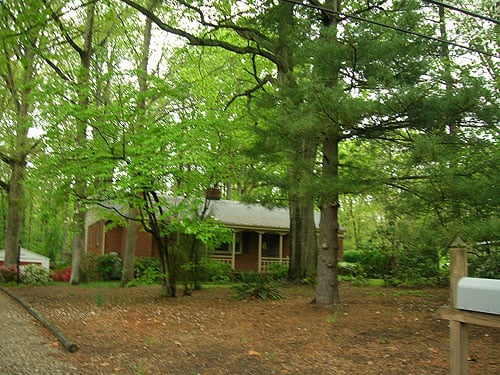
Buying a house is supposed to feel like a grown-up win. You get the keys, take a slightly dramatic photo on the front steps, and immediately begin saying things like, “We should really think about backsplash options.” But somewhere between the mortgage payment, the property taxes, the insurance premium, the HOA dues, and the surprise that your water heater has chosen chaos, homeownership can go from dreamy to financially clingy.
If you’ve ever stared at your bank account after paying for your home and thought, Well, that escalated quickly, you might be overspending on your house. The tricky part is that overspending does not always announce itself with neon lights. Sometimes it shows up quietly: skipped vacations, rising credit card balances, postponed savings, or the strange new hobby of comparing grocery prices like you’re auditioning for a coupon documentary.
The good news is that there are clear signs to watch for. And no, you do not need to wait until you’re eating instant noodles in a kitchen with quartz countertops to figure it out.
What Does It Mean to Overspend on a House?
Overspending on a house means your home costs are taking up too much of your income and leaving too little room for everything else that matters. That includes essentials like food, transportation, healthcare, child care, debt payments, emergency savings, retirement contributions, and the occasional joy-filled expense that keeps you from becoming a resentful spreadsheet.
In personal finance, there are a few common affordability rules of thumb. Many lenders and housing experts use the idea that your monthly housing costs should stay around 25% to 30% of your gross income. Another classic benchmark is the 28/36 rule: no more than about 28% of gross monthly income for housing and no more than 36% for total monthly debt. These numbers are not magical, but they are useful guardrails.
There is also the broader “cost-burdened” concept in housing policy. If you are spending more than 30% of your income on housing, that is often considered a sign of strain. If you are over 50%, the situation becomes much more severe. Translation: if your house is eating your budget alive, it is not just “a little tight this month.” It may be a genuine affordability problem.
The First Big Clue: Your Monthly Payment Looks Fine on Paper but Hurts in Real Life
One of the most common ways people overspend on a home is by focusing only on the mortgage principal and interest. That is like ordering a “budget-friendly” airline ticket and then discovering the seat, bag, oxygen, and the right to blink are extra.
Your true monthly housing cost usually includes:
- Mortgage principal and interest
- Property taxes
- Homeowners insurance
- Mortgage insurance, if applicable
- HOA or condo fees
- Utilities
- Routine maintenance and repairs
If you budgeted for only the loan payment and ignored the rest, your house may be more expensive than you realized. A home can look affordable during preapproval and still stretch your actual monthly cash flow once the full bill arrives.
7 Signs You’re Overspending on Your House
1. Your Housing Costs Are Crowding Out Savings
If you are no longer building an emergency fund, contributing to retirement, or saving for future goals because your home takes first dibs on every dollar, that is a warning sign. A house should be part of your financial life, not the entire main character.
Homeownership comes with unpredictable costs, so savings are not optional. If one roof leak could turn your financial life into interpretive dance, your budget may be too house-heavy.
2. You’re Relying on Credit Cards for Regular Expenses
Using credit for groceries, gas, utilities, or other routine bills can mean your fixed housing costs are too high. This is especially true if the balances are growing month after month. A home payment that forces you to finance everyday life is usually not sustainable.
3. You Can’t Handle Normal Repairs Without Panic
Every homeowner eventually meets the glamorous side of ownership: plumbing issues, HVAC repairs, appliance failures, roof maintenance, and all the charming expenses HGTV skips in the montage. If every repair feels like a personal betrayal and a financial emergency, you may have bought too much house.
A home budget should include ongoing maintenance, not just the big mortgage payment. If there is no room for upkeep, the house is probably beyond your comfortable limit.
4. You’re Skipping Essentials to Keep Up With the House
Are you delaying medical appointments, cutting back on food, ignoring car maintenance, or avoiding necessary child care expenses just to make the mortgage? That is not frugality. That is the house applying pressure where it should not.
Healthy budgeting requires trade-offs, yes. But if your home is forcing you to sacrifice necessities, the numbers are out of balance.
5. Your Debt-to-Income Ratio Is Uncomfortably High
Your debt-to-income ratio, or DTI, compares your monthly debt payments to your gross monthly income. It is one of the clearest ways to measure whether your home fits with the rest of your obligations.
If your total monthly debts, including your mortgage, car payment, student loans, credit cards, and personal loans, are above a manageable range, you may be overextended. Even if a lender approved you, “approved” does not always mean “comfortable.” That distinction matters a lot.
6. You’re House Rich and Cash Poor
This is the classic “house poor” problem. On paper, you own a beautiful property. In practice, you are saying no to dinners out, nervous about every utility bill, and wondering whether your couch counts as a retirement asset.
Being house poor means too much of your wealth and income is tied to the home, leaving very little liquidity for daily life or long-term stability.
7. Your Lifestyle Has Shrunk More Than You Expected
Buying a house usually changes spending habits a bit. That is normal. But if you suddenly cannot afford hobbies, travel, gifts, family outings, or even modest fun without guilt, your home may be costing more than it should.
The goal of buying a home is not to own a stunning building while living like an unpaid intern inside it.
Why People End Up Overspending on a House
They Shop Based on What a Lender Will Approve
Preapproval is useful, but it is not a permission slip to spend the maximum. Lenders evaluate risk differently than households evaluate comfort. A bank may say yes to a number that leaves you with far less breathing room than you want.
They Underestimate Hidden Costs
Closing costs, property taxes, insurance, utilities, lawn care, repairs, and HOA fees can add up fast. Many buyers also underestimate how expensive it is to furnish, move into, and maintain a larger home. Suddenly you are not just buying a house. You are buying the ability to heat extra rooms and repair things you did not know existed.
They Assume Income Will Keep Rising
Maybe you expect a raise. Maybe your partner plans to go back to work. Maybe your side hustle is promising. Great. But buying a home based on future money can be risky. Life enjoys plot twists. It is safer to buy based on income you actually have, not income you are hoping will send a cheerful email next quarter.
They Ignore Their Real Spending Patterns
Some people can comfortably devote more to housing because they have low other expenses and love staying home. Others need room in the budget for commuting, medical expenses, family obligations, travel, or debt payoff. If your budget does not reflect your real life, your house payment may feel much heavier than expected.
How to Calculate Whether Your House Is Too Expensive
Step 1: Add Up Your True Monthly Housing Cost
Include everything: mortgage, taxes, insurance, HOA dues, utilities, and a realistic maintenance line item. Do not leave out irregular costs just because they are annoying. Annoying costs still count.
Step 2: Compare It to Your Income
Look at both gross income and take-home pay. A housing cost that seems manageable as a percentage of gross income may still feel rough once taxes, insurance premiums, retirement deductions, and payroll withholdings have taken their bite.
Step 3: Check Your Total Debt Load
Add all monthly debts. If the total is squeezing out savings and basic living expenses, the house is likely part of the problem.
Step 4: Test Your Budget Against Real-Life Scenarios
Could you still manage if:
- Your insurance premium rises?
- Your property taxes increase?
- Your car needs a major repair?
- One partner loses income for a few months?
- You need to replace an appliance or HVAC system?
If the answer is “absolutely not, and now I need a snack,” your home budget may be too tight.
What to Do If You’ve Already Overspent
Trim Housing-Related Extras First
Review insurance policies, utility usage, subscription-style home services, and optional upgrades. Small savings will not solve a massive affordability gap, but they can help reduce pressure.
Refinance or Recast If It Makes Sense
If rates or loan terms make it worthwhile, refinancing may lower your monthly payment. A mortgage recast can also reduce payments if you can make a lump-sum principal payment. This is not always possible, but it is worth exploring.
Rent Out Space
If your property and local rules allow it, renting out a room, basement, or accessory unit may help offset costs. Not everyone wants a tenant near their cereal, but it can improve cash flow.
Pause Big Renovations
When money is tight, expensive upgrades may need to wait. Focus on safety, maintenance, and projects that prevent larger problems later.
Rebuild Your Emergency Fund
Even if you have to do it slowly, rebuilding cash reserves matters. Homeownership is much less stressful when every surprise does not become a mini financial horror film.
Consider Downsizing
Sometimes the smartest move is admitting the house is too much. Selling or moving to a more affordable home is not failure. It is course correction. Plenty of financially strong people have learned that peace of mind beats granite countertops every single time.
How to Avoid Overspending Before You Buy
- Set your own budget before talking to a lender.
- Use conservative numbers for taxes, insurance, and maintenance.
- Leave room for savings, repairs, and actual enjoyment of life.
- Do not spend your entire cash reserve on the down payment.
- Shop for a payment that feels comfortable, not just technically possible.
- Think about future goals like kids, career changes, travel, or retirement.
The best home budget is not the highest number you can survive. It is the number that lets you own your home and sleep at night.
Final Thoughts
If your house is constantly forcing trade-offs that hurt your daily life, long-term goals, or peace of mind, it may be too expensive. The warning signs are usually practical, not dramatic: little savings, growing debt, no room for repairs, and a budget that feels like a high-wire act performed without a net.
A home should support your life, not squeeze it into a corner. If you can pay for the house and still handle repairs, save consistently, cover essentials, and enjoy being alive once in a while, you are probably in a healthy range. If not, it may be time for a serious budget reset.
In other words, if your dream home has turned you into someone who gets nervous every time the thermostat clicks on, the math may be trying to tell you something.
Experiences Related to “How To Know If You’re Overspending On Your House”
Many homeowners do not realize they are overspending at the exact moment they buy. At first, everything feels manageable. They are excited, motivated, and still running on the emotional fuel of closing day. The first few mortgage payments feel almost ceremonial, like proof they have entered a new chapter of adult life. The problem tends to appear later, when ordinary life returns and the house starts sending invoices with no concern for your feelings.
One common experience is the “monthly surprise cycle.” A homeowner moves in believing the payment is under control, only to discover that the mortgage was just the headline act. The property tax escrow increases. Insurance renews at a higher premium. Utility bills jump because the new place is bigger, older, or less efficient. Then something breaks. Nothing catastrophic, just enough to be expensive and annoying. A dishwasher fails, a fence needs repair, or the AC begins making a noise that sounds like a ghost with rent due. Individually, each cost seems survivable. Together, they create a pattern of low-grade financial stress.
Another experience is lifestyle shrinkage. Homeowners often describe a subtle loss of flexibility. They stop saying yes to weekend trips. They hesitate before replacing worn-out clothes. They put off dentist visits, car repairs, or hobbies they used to enjoy. It is not always because they are irresponsible with money. Often, it is because the house has become the fixed expense that dominates every decision. The home may look successful from the outside, but inside the budget, it behaves like a very demanding roommate.
There is also the emotional side. People who overspend on a home often feel guilt, embarrassment, or denial. They may think, “We make decent money, so why does this feel so hard?” The answer is usually not personal failure. It is math mixed with optimism. They bought based on approval limits, market pressure, or a belief that future raises would make everything easier. Instead, the house became a stress amplifier. Even happy milestones, like hosting family or decorating a room, come with a mental calculator running in the background.
On the flip side, people who recognize the problem early often say the turning point was not a dramatic crisis. It was a pattern. They noticed savings were not growing. Credit cards were not getting paid down. Repairs felt terrifying instead of inconvenient. Once they admitted the house was too expensive, they could act: cut expenses, refinance, rent out space, or make a longer-term plan to downsize. Their biggest relief was not just financial. It was psychological. The moment they stopped pretending the budget was “fine,” they could finally build one that actually was.













