
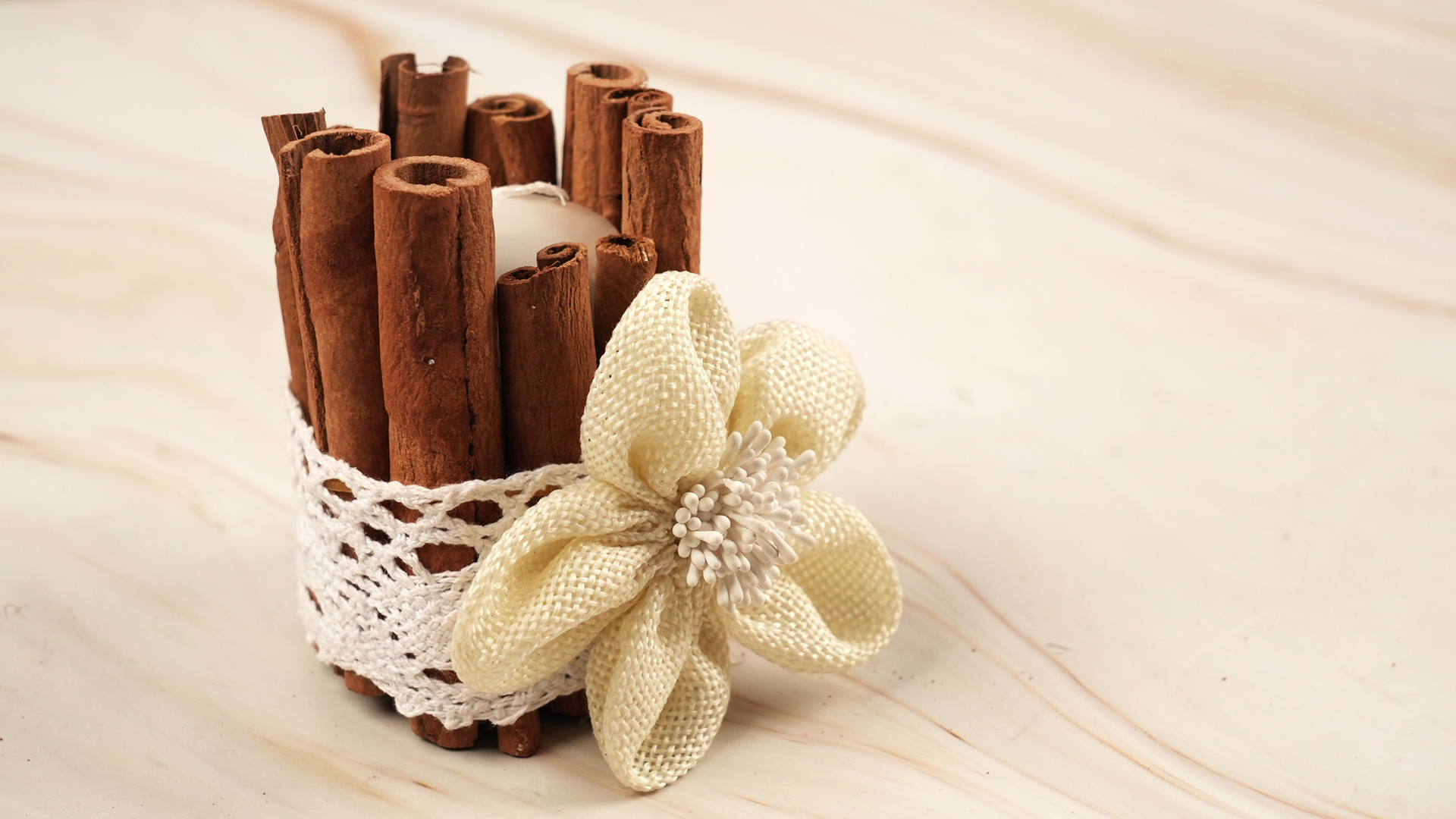
Few things say “cozy home” faster than the smell of cinnamon drifting through a room. It is warm, spicy, familiar, and just dramatic enough to make your kitchen feel like a bakery even when the only thing you have baked recently is a frozen pizza. The good news? Learning how to make a cinnamon scented candle is easier than it looks, and you do not need a professional studio, a secret candle wizard certificate, or a garage full of mysterious equipment.
What you do need is the right wax, a candle-safe cinnamon fragrance, a suitable wick, a heat-safe container, and a little patience. Candle making is part craft project, part kitchen science, and part “please do not rush the thermometer.” When done correctly, a homemade cinnamon candle can burn cleanly, smell inviting, and look good enough to giftassuming you can resist keeping every single one for yourself.
This guide walks you through 15 practical steps for making a cinnamon scented candle at home, with safety tips, troubleshooting advice, and real-world experience notes to help your candle smell like comfort instead of a campfire experiment gone rogue.
Before You Start: Why Cinnamon Candles Need Care
Cinnamon is a bold scent, which is wonderful for fall, winter, holiday décor, and anyone who wants their living room to feel like a cinnamon roll has a retirement plan. However, not all cinnamon products belong in candles. Ground cinnamon, cinnamon sticks, dried orange slices, cloves, glitter, herbs, and decorative toppings may look cute, but they can become fire hazards when they sit too close to an open flame.
For the safest and most consistent result, use a candle-safe cinnamon fragrance oil or a candle-approved essential oil at the usage rate recommended by the supplier. A properly formulated fragrance oil is designed to blend into wax and perform during burning. Your spice cabinet, sadly, is not a candle laboratory.
Supplies You Will Need
For one 8-ounce container candle, gather the following materials:
- 8-ounce heat-safe candle jar or tin
- 6 to 7 ounces of soy wax flakes, coconut-soy wax, or another container candle wax
- Candle-safe cinnamon fragrance oil
- Pre-tabbed cotton wick sized for your jar diameter
- Wick sticker, hot glue dot, or wick centering device
- Digital kitchen scale
- Pouring pitcher or heat-safe melting container
- Double boiler setup
- Thermometer
- Stirring spatula or spoon
- Paper towels and rubbing alcohol for cleaning the jar
- Scissors or wick trimmer
- Optional: candle dye, warning label, kraft label, ribbon, or gift tag
How to Make a Cinnamon Scented Candle: 15 Steps
Step 1: Choose a Safe Candle Container
Start with a container made for candles. Thick glass candle jars, metal tins, and ceramic vessels designed for candle use are good options. Avoid thin drinking glasses, cracked jars, plastic containers, or random thrift-store cups unless you know they can handle heat. A candle container has to deal with hot wax, flame, and repeated heating and cooling. That is a lot to ask from Aunt Linda’s decorative teacup.
Clean the container with rubbing alcohol and a paper towel. This removes dust, oil, and fingerprints so the wick sticker and label can adhere properly.
Step 2: Pick the Right Wax
Soy wax is a favorite for beginner candle makers because it is easy to work with, widely available, and great for container candles. Coconut-soy blends can offer a smoother top and stronger scent throw. Paraffin can deliver a powerful fragrance, but many home crafters prefer soy or plant-based blends for a softer, cleaner-looking DIY candle.
The best wax is the one that matches your goal. If you want a simple beginner project, choose soy wax flakes labeled for container candles. If you want a creamier luxury finish, try a coconut-soy blend. Always read the manufacturer’s instructions because each wax has its own ideal melting, fragrance, pouring, and curing recommendations.
Step 3: Select a Candle-Safe Cinnamon Fragrance
Use a fragrance oil specifically labeled safe for candle making. Cinnamon fragrance oils come in many styles: pure cinnamon stick, cinnamon sugar, cinnamon vanilla, cinnamon apple, cinnamon clove, cinnamon bun, and warm chai blends. If you want a classic cozy candle, cinnamon vanilla is gentle and crowd-pleasing. If you want something bolder, cinnamon clove or cinnamon bark has a spicier personality.
Avoid adding ground cinnamon directly to the wax as your main scent source. It may sink, clump, discolor the candle, clog the wick, or create smoky burning. A candle should smell like cinnamon, not behave like a tiny volcano with holiday ambitions.
Step 4: Measure Your Wax by Weight
Place your pouring pitcher on a digital scale and measure your wax by weight, not by guessing volume. For an 8-ounce jar, you will usually need about 6 to 7 ounces of wax, depending on the jar shape and how much fragrance oil you add.
Measuring by weight helps you calculate fragrance load accurately. Candle making is more reliable when it behaves like a recipe instead of a shrug.
Step 5: Calculate the Fragrance Load
Most beginner soy candles perform well with a fragrance load around 6% to 8%, but the exact amount depends on your wax and fragrance supplier. For example, if you use 7 ounces of wax and want a 7% fragrance load, multiply 7 by 0.07. That equals 0.49 ounces of fragrance oil.
More fragrance does not always mean a stronger candle. Too much oil can cause sweating, poor burning, wick problems, or a candle that smells aggressive enough to chase people out of the room. Follow the wax manufacturer’s maximum fragrance load and start conservatively.
Step 6: Attach and Center the Wick
Place a wick sticker or small dot of hot glue on the metal tab at the bottom of the wick. Press it firmly into the center of the container. Use a wick holder, clothespin, pencil, or centering bar to keep the wick upright.
Wick size matters. A wick that is too small can tunnel down the middle, leaving a sad ring of unused wax around the edges. A wick that is too large can create a flame that dances like it has had three espressos. Choose a wick recommended for your wax type and jar diameter, then test burn if you plan to make candles regularly.
Step 7: Melt the Wax Slowly
Create a double boiler by placing your pouring pitcher inside a pot with a few inches of simmering water. Heat the wax gently and stir occasionally. Do not place wax directly over high heat, and do not walk away while it melts.
Most soy waxes melt between roughly 120°F and 180°F, depending on the formula. Your goal is not to boil the wax. Your goal is to melt it smoothly, evenly, and calmlylike a spa day, but for soybean flakes.
Step 8: Add the Cinnamon Fragrance at the Right Temperature
Many soy waxes accept fragrance best around 175°F to 185°F, though some wax blends recommend different temperatures. Remove the wax from the heat source, check the thermometer, and add your measured cinnamon fragrance oil when the wax reaches the recommended range.
Stir slowly for about two minutes. This helps the fragrance disperse through the wax. Stirring too aggressively can introduce air bubbles; barely stirring can leave uneven scent pockets. Think gentle soup stirring, not emergency pancake batter rescue.
Step 9: Add Color, If Desired
A cinnamon scented candle looks beautiful in creamy ivory, warm tan, amber, or soft brown. If you use candle dye, add a small amount and stir until fully dissolved. Candle dye is optional. Many handmade cinnamon candles look elegant without color, especially in amber jars or clear glass with a simple kraft label.
Do not use crayons as candle dye. They may clog the wick and affect burning. Crayons are for coloring dragons, not engineering flame performance.
Step 10: Let the Wax Cool Before Pouring
After adding fragrance, let the wax cool to the pouring temperature recommended for your wax. Many soy waxes pour nicely around 130°F to 150°F, while some blends prefer slightly warmer temperatures. Pouring too hot may cause sinkholes, frosting, wet spots, or rough tops. Pouring too cool may create lumps or uneven texture.
A thermometer is your best friend here. It is less glamorous than a ribbon label, but it prevents a lot of candle drama.
Step 11: Pour Slowly Into the Container
Pour the wax into the prepared jar slowly and steadily. Leave about half an inch of space at the top. Keep the wick centered as you pour. If it shifts, gently adjust it while the wax is still liquid.
Try not to splash wax on the sides of the jar. If you do, wait until the candle cools, then clean the rim carefully. Handmade does not have to mean “wax crime scene.”
Step 12: Let the Candle Set Undisturbed
Place the candle on a flat surface away from drafts, fans, pets, children, and curious roommates who ask, “Can I touch it?” every seven minutes. Let it cool at room temperature. Moving the candle too soon can create cracks, uneven tops, or a shifted wick.
Most container candles firm up within a few hours, but that does not mean they are ready to burn. Solid-looking wax can still be settling and bonding with fragrance inside.
Step 13: Trim the Wick
Once the candle is fully set, trim the wick to about 1/4 inch above the wax surface. A properly trimmed wick helps control flame height, reduces soot, and supports an even burn. Before every future burn, trim it again to the same length.
This small habit makes a big difference. It is the candle version of brushing your teeth: not dramatic, but very important.
Step 14: Cure the Candle for Better Scent Throw
For soy wax candles, cure time matters. A candle may be safe to handle after it hardens, but the scent often improves after several days. Many soy candle makers allow at least one week of curing, and some prefer up to two weeks for stronger hot throw.
During curing, keep the candle covered or stored in a cool, dry place away from direct sunlight. This helps preserve the cinnamon fragrance and keeps dust out of the wax.
Step 15: Burn-Test Your Cinnamon Candle
Before gifting or making a large batch, test your candle. Burn it on a heat-safe surface for about two to four hours, watching the melt pool, flame height, scent strength, and container temperature. The wax should gradually melt toward the edges without drowning the wick or leaving deep tunnels.
Never leave a burning candle unattended. Keep it away from curtains, paper, bedding, books, holiday decorations, and anything else that might catch fire. Keep candles away from kids and pets, and stop burning a container candle when about 1/2 inch of wax remains at the bottom.
Common Mistakes When Making Cinnamon Scented Candles
Using Too Much Fragrance Oil
It is tempting to think, “I love cinnamon, so I will add a heroic amount.” Unfortunately, wax has limits. Excess fragrance can seep out, weaken the candle structure, interfere with the wick, or create an unsafe burn. Stay within the recommended fragrance load.
Adding Real Cinnamon Powder
A pinch of cinnamon powder may look rustic on social media, but it can cause burning issues. It may clog the wick, scorch, or create debris in the melt pool. For scent, use fragrance oil. For decoration, use labels, ribbons, jar color, or safe exterior packaging instead.
Choosing the Wrong Wick
The wick controls the candle’s burn. If the candle tunnels, the wick may be too small. If the flame is too tall, flickers excessively, or produces soot, the wick may be too large. The best wick depends on wax type, jar diameter, fragrance load, and dye.
Skipping the Cure Time
Burning a soy candle the next day is like eating soup before it has simmered. It might technically work, but it will probably be less impressive. Let your cinnamon candle cure so the fragrance has time to settle into the wax.
Creative Cinnamon Candle Variations
Cinnamon Vanilla Candle
This is the friendly sweater of candle scents. Blend cinnamon fragrance with vanilla fragrance for a soft, sweet, bakery-style aroma. It is perfect for bedrooms, reading corners, and gift baskets.
Apple Cinnamon Candle
Add an apple fragrance note for a fall-inspired candle that smells like pie cooling on a windowsill. Bonus: no pie crust required, which is excellent news for anyone who fears rolling pins.
Cinnamon Clove Candle
For a spicier holiday candle, blend cinnamon with clove, nutmeg, or orange. Use a candle-safe fragrance blend and test carefully, because spice-heavy scents can be intense.
Cinnamon Coffee Candle
A cinnamon coffee candle smells like a cozy café on a rainy morning. Use a coffee fragrance oil with cinnamon or cinnamon vanilla for a warm, energizing scent.
Candle Safety Tips for Homemade Cinnamon Candles
Homemade candles should be treated with the same caution as store-bought candles. Always burn them within sight, keep them at least 12 inches away from anything flammable, and place them on a stable, heat-resistant surface. Avoid drafts from fans, open windows, and vents because moving air can cause uneven burning or a flickering flame.
Trim the wick before each burn, keep the wax pool free of matches and wick trimmings, and do not burn a candle for more than about four hours at a time. If the container becomes extremely hot, the flame grows too large, or the candle behaves strangely, extinguish it safely and stop using it.
My Experience Making Cinnamon Scented Candles at Home
The first time I made a cinnamon scented candle, I approached it with the confidence of someone who had watched exactly enough tutorials to become dangerous. I had soy wax, a cheerful little glass jar, a wick, and a cinnamon fragrance oil that smelled so good I briefly considered wearing it as perfume. Please do not do that unless the product is specifically skin-safe. Candle fragrance belongs in candles, not behind your ears before grocery shopping.
My first lesson was that candle making rewards preparation. When the wax is melting, that is not the ideal time to discover your thermometer is in another drawer, your wick sticker is stuck to the packaging, and your scale has decided to retire. Setting up everything first makes the process feel calm and professional. It also prevents that frantic “where are the scissors?” dance that every crafter knows too well.
The second lesson was that cinnamon is powerful. I started with a moderate fragrance load, and I was glad I did. Cinnamon has a naturally bold character, especially when blended with clove or bakery notes. Too much can turn cozy into overwhelming. A good cinnamon candle should invite people into the room, not tackle them at the doorway wearing a holiday apron.
I also learned that the wick can make or break the candle. One early test candle had a wick that was too small. It burned straight down the center, leaving a thick wall of wax around the sides. The scent was lovely, but the melt pool looked like a tiny cinnamon-scented well. Another test used a wick that was too large, and the flame looked like it was auditioning for a pirate movie. After testing a few wick sizes, I found one that produced an even melt pool and a steady flame.
Patience was the hardest part. A freshly poured cinnamon candle looks ready long before it is actually ready. The surface hardens, the jar looks beautiful, and your brain says, “Light it now.” Resist. Giving soy wax time to cure noticeably improves the scent throw. After a week, the candle smelled warmer and fuller when burned. After two weeks, the cinnamon note felt smoother, less sharp, and more balanced.
Labeling also changed the whole experience. A plain jar is nice, but a simple kraft label with the scent name “Warm Cinnamon” or “Cinnamon Hearth” makes the candle feel gift-ready. Add a small warning label on the bottom and a ribbon around the lid, and suddenly your homemade candle looks like it came from a boutique where everything costs $38 and smells like a mountain cabin with excellent lighting.
The biggest practical tip from experience is to keep notes. Write down the wax type, jar size, wick size, fragrance percentage, fragrance name, pour temperature, cure time, and burn results. Candle making feels simple until you create one perfect candle and cannot remember what you did. Notes turn lucky accidents into repeatable recipes.
Making cinnamon scented candles is satisfying because the result is both useful and personal. You can make one for your desk, one for a bathroom shelf, one for a holiday hostess gift, and one for that friend who says they do not want anything but absolutely lights candles every night. Best of all, the process slows you down. You measure, melt, stir, pour, wait, trim, and test. In a world that wants everything instantly, a candle quietly says, “Relax. Good things take a little time.” And then it makes your house smell like cinnamon, which is a pretty convincing argument.
Conclusion
Learning how to make a cinnamon scented candle is a rewarding project for beginners and experienced DIY makers alike. The process is simple, but the details matter: choose a candle-safe container, use the right wax and wick, measure fragrance carefully, add scent at the proper temperature, pour patiently, cure the candle, and always burn it safely.
A homemade cinnamon candle can make your home feel warmer, create thoughtful handmade gifts, and give you full control over scent strength and design. Once you master the basic 15 steps, you can experiment with cinnamon vanilla, apple cinnamon, cinnamon clove, or cinnamon coffee blends. Just remember: keep the flame safe, keep the wick trimmed, and keep the ground cinnamon in the spice cabinet where it can live its best pancake life.














