
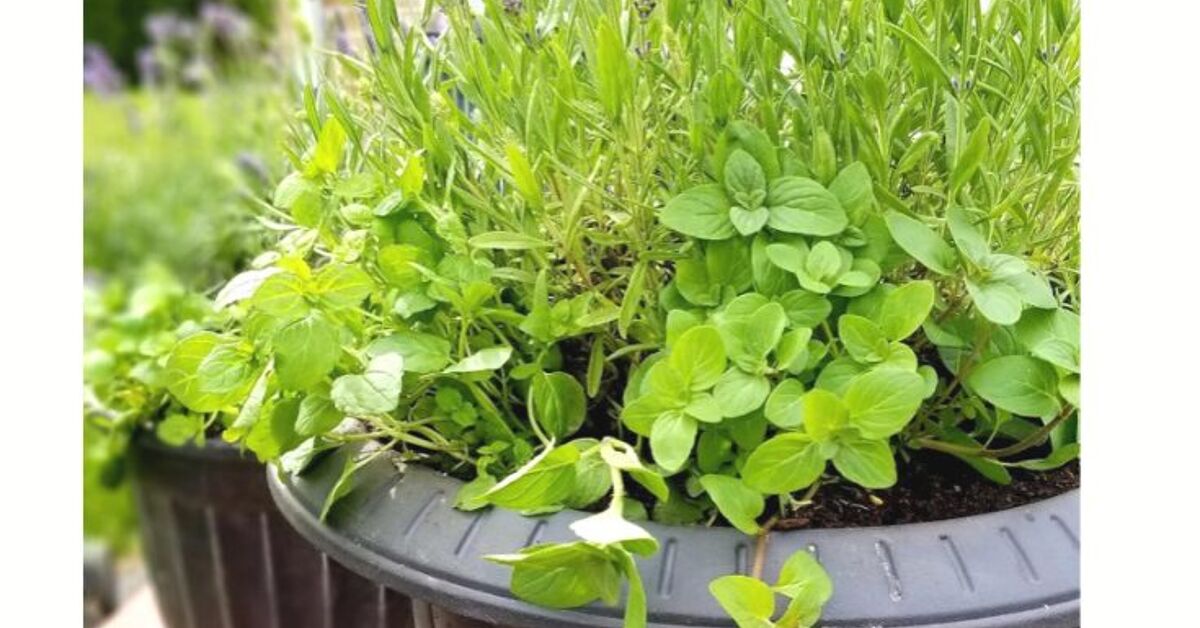
A mosquito-repellent patio planter sounbeside your chair, and enjoy summer evenings without becoming an all-you-can-eat buffet. Reality is slightly less cinematic. No living plant creates a dependable mosquito-free bubble simply by sitting there and looking botanical.
That does not make the project useless. A thoughtfully designed planter can add fragrant foliage, cooking herbs, colorful flowers, and a small amount of localized scent when its leaves are brushed or harvested. More importantly, the planter can be built to avoid standing water and positioned as one component of a practical patio mosquito-control system.
The goal is not to create a leafy force field. The goal is to combine compatible aromatic plants, excellent drainage, smart placement, moving air, and proven bite-prevention methods. The result is attractive, useful, and much more effective than buying a random “mosquito plant” and expecting it to work the night shift alone.
First, Understand What Mosquito-Repellent Plants Canand CannotDo
Many herbs contain aromatic compounds that have demonstrated repellent activity when concentrated into essential oils or formulated products. Citronella oil, for example, is distilled from certain Cymbopogon grasses. Catnip contains nepetalactone, while rosemary, lavender, basil, mint, and lemongrass contain their own mixtures of volatile compounds.
The important detail is concentration. A living plant normally does not release enough of those compounds into the surrounding air to provide reliable protection across an entire patio. University extension specialists caution that plants marketed as mosquito repellents should not replace source reduction, fans, protective clothing, or EPA-registered repellents. matic foliage becomes more noticeable when leaves are touched, trimmed, or gently crushed. That may contribute to a pleasant, strongly scented area immediately around the planter, but it still should not be treated as dependable protection against mosquito-borne disease.
Citronella grass is not the same as citronella geranium
Garden centers often sell a scented geranium labeled “citronella plant” or “mosquito plant.” Its lemony leaves smell convincing, especially when rubbed, but it is not the primary grass used to produce commercial citronella oil.
True citronella oil comes from grasses such as Cymbopogon nardus and Cymbopogon winterianus. Lemongrass, Cymbopogon citratus, is a close relative with similarly citrus-scented foliage. These grasses can become large, so check the mature size before introducing one to a patio container that is approximately the size of a cereal bowl.
Choose the Right Container
An effective patio planter begins with the least glamorous feature in gardening: a hole in the bottom. Drainage is essential because mosquitoes lay eggs in or near standing water. Flowerpot saucers, decorative cachepots, and clogged drainage openings can become miniature nurseries for mosquito larvae.
The Centers for Disease Control and Prevention recommends emptying and scrubbing water-holding containers, including planters and flowerpot saucers, at least once a week. Some mosquito species can use very small collections of water, so a forgotten saucer is not harmless merely because it does not resemble a swimming pool. ecommended container specifications
- Choose a pot that is at least 18 to 24 inches wide for a mixed planting.
- Use a container with several unobstructed drainage holes.
- Select a weather-resistant material that will not tip when tall grasses catch the wind.
- Place the container on pot feet so water can escape freely.
- Avoid a water-holding saucer whenever the patio surface permits.
When a saucer is necessary to protect wood or masonry, empty it after watering and rainfall. Another option is to elevate the pot above a gravel-filled saucer so the container does not sit directly in pooled water. The gravel does not magically eliminate mosquitoes, however; water must remain below the accessible surface and should still be inspected regularly.
Use potting mix, not backyard soil
Fill the container with a lightweight, well-draining potting mix. Garden soil can compact inside a pot, slowing drainage and reducing oxygen around the roots. Container-grown herbs generally perform best when excess water can leave quickly, although the mix should still retain enough moisture to prevent plants from wilting every afternoon.
Do not create a deep layer of rocks at the bottom in an attempt to “improve drainage.” The drainage holes and the structure of the potting mix do the real work. Save the rocks for decorating the surface or for placing under the pot feet, where they can feel useful without interfering with root space.
Select Plants With Compatible Needs
The most common mistake in mixed herb planters is choosing plants based entirely on fragrance. Rosemary and lavender prefer relatively dry conditions. Basil, mint, and lemongrass generally appreciate more consistent moisture. Put all of them together, and somebody will spend the summer unhappy.
Instead, choose one of the following planting styles.
Option 1: A sunny, moisture-loving citrus planter
This combination works well in a warm location receiving six or more hours of direct sunlight:
- Lemongrass: Use one plant as the tall centerpiece. Its arching foliage creates movement and a fresh citrus fragrance.
- Lemon basil or sweet basil: Add two or three plants around the center. Regular harvesting encourages branching.
- French marigolds: Use compact varieties around the outer edge for color.
- Trailing thyme: Add one small plant near the rim only if the pot drains quickly and is not kept constantly wet.
This planter needs regular watering during hot weather, but it should never remain waterlogged. Lemongrass can grow rapidly, so be prepared to divide it or move it to a larger container later in the season.
Option 2: A dry Mediterranean herb planter
For a hot, sunny patio where containers dry quickly, combine plants that prefer leaner, drier conditions:
- Rosemary: Choose an upright variety as the central “thriller.”
- Lavender: Add one compact cultivar, leaving room for air circulation.
- Common thyme: Place it near the outer edge.
- Trailing rosemary: Allow it to spill over one side if the container is large enough.
This combination offers a strong herbal fragrance when touched and provides ingredients for cooking. It also tolerates brief dry periods better than basil or mint. Avoid frequent watering based on a rigid calendar; feel the upper inch or two of potting mix first.
Option 3: A partly shaded mint and catnip planter
Mint and catnip tolerate somewhat less sun than many Mediterranean herbs. They also spread enthusiastically, which is a polite gardening term meaning they may attempt a hostile takeover.
Keeping them in a container controls their underground runners. Use one mint variety and one compact catnip plant, leaving enough open space for pruning. Because cats may roll on, chew, or flatten catnip, place the planter where an excited pet cannot knock it from a railing.
Research on concentrated catnip essential oil and nepetalactone is promising, but a potted catnip plant is not equivalent to a tested repellent formulation. Think of the plant as an attractive herb with interesting chemistry, not as a replacement for proven personal protection. n>
Build the Planter Step by Step
Step 1: Clean the container
Wash a previously used pot to remove old soil, mineral buildup, and pest residue. Confirm that every drainage opening is clear. If the holes are large, cover them with a piece of mesh or a curved pottery shard so potting mix stays inside without blocking water.
Step 2: Moisten the potting mix
Slightly dampen the mix before planting. Dry peat-based mix can resist water and float around the patio like dusty confetti. Pre-moistening makes it easier to fill the pot evenly.
Step 3: Arrange plants before removing their nursery pots
Set the plants on top of the soil and experiment with spacing. Put the tallest plant toward the center or back, depending on the viewing angle. Position shorter plants around it, keeping mature width in mind.
A crowded planter may look finished on day one, but by midsummer it can resemble a botanical traffic jam. Leave room for airflow, harvesting, and healthy growth.
Step 4: Plant at the original depth
Remove each plant carefully, loosen tightly circling roots, and place the root ball at approximately the same depth it occupied in the nursery pot. Burying herb stems too deeply can encourage rot.
Step 5: Water thoroughly and let it drain
Water until moisture runs from the drainage holes. Wait for the flow to stop before moving the container into position. Check underneath it later to ensure no hidden tray or decorative outer pot is holding water.
Step 6: Add a thin surface mulch only when appropriate
A shallow layer of fine bark or decorative gravel can reduce splashing and slow evaporation. Do not pile mulch against plant stems, and do not use so much that it becomes difficult to determine whether the soil is wet.
Place the Planter Where It Can Be Most Useful
Put the planter close enough that people naturally brush the aromatic foliage while passing, but not where stems will be constantly broken. Near patio steps, beside an outdoor kitchen, or at the edge of a seating zone usually works better than placing it in a distant corner.
Do not crowd the planter against dense shrubs. Adult mosquitoes often rest in cool, shaded, sheltered vegetation. Pruning overgrown plants and improving airflow around the patio can make the immediate area less comfortable for them.
Add an outdoor fan
A fan is one of the most practical additions to a patio seating area. Mosquitoes are relatively weak fliers, and moving air can make it harder for them to approach and land. A fan also disperses the carbon dioxide and body odors mosquitoes use to locate people.
Position a weather-appropriate fan so air moves across people’s legs and lower bodies, where bites commonly occur. The planter supplies the scenery; the fan does more of the defensive work. University of Maryland Extension specifically recommends fans for decks, porches, and patios. n>
Maintain the Planter Without Creating Mosquito Habitat
Water the soil, not the patio furniture
Water slowly at the base of the plants. Stop once excess water begins draining. During extreme heat, a large mixed planter may need daily checking, but checking is not the same as automatically watering.
Inspect after every significant rain
Look beneath the pot, inside saucers, around decorative liners, and between folded patio cushions. A beautiful planter cannot compensate for a nearby bucket containing last Tuesday’s thunderstorm.
Harvest and prune regularly
Pinch basil above a pair of leaves to promote bushy growth. Trim mint before it becomes leggy. Remove dead rosemary or lavender stems, and cut lemongrass leaves carefully because their edges can be sharp.
Harvesting releases fragrance and keeps the arrangement tidy. Use clean scissors rather than repeatedly crushing the entire plant. It needs leaves to photosynthesize, and no herb appreciates being treated like a scratch-and-sniff sticker.
Fertilize lightly
Herbs usually do not need heavy feeding. Excess fertilizer can create soft, weak growth and reduce flavor intensity. Apply a diluted fertilizer according to the product label when growth slows or leaves become pale without another obvious cause.
Combine the Planter With Proven Mosquito Protection
The planter should be one layer in an integrated mosquito-management plan. The most important household action is eliminating breeding sites. Once a week, empty, scrub, cover, or turn over containers that collect water, including birdbaths, toys, buckets, tarps, recycling bins, and flowerpot saucers.
For water that cannot be drained, a labeled larvicide containing Bacillus thuringiensis israelensis, commonly called Bti, may be appropriate. Follow the label exactly and use the product only in locations listed on that label.
When mosquitoes are active, use an EPA-registered skin repellent containing an approved active ingredient, such as DEET, picaridin, IR3535, oil of lemon eucalyptus or PMD, or 2-undecanone. Choose a product based on the pest and the expected exposure time, and follow all label directions. Do not apply permethrin directly to skin. id rubbing undiluted essential oils or freshly crushed leaves over your skin. “Natural” does not automatically mean nonirritating, allergy-proof, or safe for every child, adult, or pet. A tested, labeled repellent is a better choice when reliable bite prevention matters.
Common Patio Planter Mistakes
- Expecting one plant to protect an entire yard: Fragrant foliage is not a substitute for mosquito control.
- Leaving water in the saucer: The supposed repellent planter may become a mosquito breeding site.
- Mixing plants with conflicting water needs: Lavender and constantly moist basil rarely enjoy the same irrigation plan.
- Overcrowding: Poor airflow encourages disease and makes watering difficult.
- Using garden soil: Compaction can lead to slow drainage and unhealthy roots.
- Applying homemade oils to skin: Concentrated plant oils can cause irritation or other adverse reactions.
- Ignoring the rest of the patio: Clogged gutters and forgotten containers can produce far more mosquitoes than a planter could ever discourage.
A Season With a Mosquito-Repellent Patio Planter: Practical Experience and Lessons
Imagine setting up a large planter at the beginning of summer with lemongrass in the center, basil around the middle, and compact marigolds along the rim. During the first week, the arrangement looks slightly sparse. That is normal. New gardeners often respond by adding six more plants, a decorative lantern, and perhaps a small garden gnome with no respect for personal space. Resisting that temptation pays off.
Within several weeks, the lemongrass begins producing arching leaves, the basil branches after its first harvest, and the marigolds fill the gaps. The planter becomes noticeably fragrant whenever someone brushes against it. Guests comment on the citrus scent, and the basil frequently ends up on pizza, in pasta, or in a glass of iced tea. As a functional patio feature, it is already succeeding.
The first mosquito-related lesson usually arrives after rain. Even though the pot drains well, water may collect inside a decorative saucer or beneath a slightly uneven container. Checking after storms becomes a routine: lift one edge, empty pooled water, confirm that the drainage holes are open, and inspect nearby furniture covers. This two-minute habit matters more than adding another strongly scented herb.
The second lesson appears on still, humid evenings. Mosquitoes may continue approaching people despite the planter’s fragrance. Turning on a fan creates a much more obvious improvement around the seating area. The experience makes the hierarchy clear: the planter contributes scent and atmosphere; moving air provides a practical physical obstacle; personal repellent protects exposed skin.
By midsummer, maintenance becomes the deciding factor. Basil that is not pinched begins flowering and produces fewer tender leaves. Lemongrass may lean over neighboring plants. Marigold flowers fade and need deadheading. A ten-minute weekly trim restores the arrangement and releases a burst of herbal fragrance without damaging the plants.
Watering also requires adjustment. A planter in full sun may dry rapidly during a heat wave but remain wet for several days after cooler, cloudy weather. Watering by habit rather than checking the soil can lead to wilted plants one week and soggy roots the next. Inserting a finger into the upper inch of potting mix proves more useful than following a rigid “water every morning” rule.
Another useful discovery is that one giant mixed container is not always the best long-term arrangement. Rosemary and lavender perform better in a separate dry planter, while basil and lemongrass share a more compatible appetite for moisture. Two coordinated pots can be healthier, easier to maintain, and more visually balanced than one overloaded botanical casserole.
At the end of the season, the most realistic conclusion is not that the planter eliminated mosquitoes. It did not. What it accomplished was still worthwhile: it added attractive greenery, supplied fresh herbs, encouraged regular patio inspections, and became part of a layered mosquito-management routine.
The best experience comes from treating the project as gardening with a pest-conscious design rather than as a miracle cure. Pair it with weekly water removal, an outdoor fan, screens, sensible clothing, and an EPA-registered repellent when needed. With those expectations, the planter delivers exactly what it shouldand nobody has to pretend the rosemary is operating advanced radar.
Conclusion
An effective mosquito-repellent patio planter is not effective because a few herbs can single-handedly defend your property. It works because it combines fragrant, useful plants with compatible growing conditions, dependable drainage, intelligent placement, and regular maintenance.
Choose a large container with open drainage holes, group plants according to their light and moisture needs, and never allow water to remain in a saucer. Place the planter near the seating area, add a fan, remove mosquito breeding sites throughout the yard, and use a registered personal repellent when reliable bite protection is necessary.
The finished planter will smell good, look inviting, and may contribute a little localized aromatic discouragement when the foliage is handled. More importantly, it will not accidentally become a mosquito maternity ward. In patio gardening, that qualifies as a very respectable victory.










