
Soft hands are one of those small luxuries that make everyday life feel slightly more polished. You shake hands, cook dinner, type emails, fold laundry, wash dishes, scroll your phone, pet the dog, and somehow expect your hands to remain silky like they live in a spa. Sadly, hands are not vacationing in a spa. They are usually working overtime like unpaid interns.
The good news is that learning how to make your hands soft like a baby does not require a gold-plated skincare routine or a bathroom shelf that looks like a beauty-store explosion. It mainly comes down to gentle cleansing, smart moisturizing, protection from irritants, and a few consistent habits. Your hands can become smoother, calmer, and more comfortable with the right approach.
This guide breaks the process into 13 practical steps. You will learn how to prevent dry hands, repair rough skin, protect your moisture barrier, care for cuticles, and build a simple routine that works in real lifenot just in a dreamy commercial where someone applies lotion in slow motion while wearing a white robe.
Why Hands Get Dry, Rough, and Cracked
Your hands have a tough job. They are exposed to soap, water, sanitizer, cleaning products, weather, sunlight, friction, and constant movement. Frequent washing is important for hygiene, but it can strip away natural oils when not balanced with moisturizer. Cold weather and indoor heating can make the air drier, while hot water, harsh soaps, fragrances, and detergents can weaken the skin barrier.
When the skin barrier is damaged, moisture escapes more easily. That is when hands may feel tight, flaky, itchy, red, cracked, or sandpaper-like. The goal is not to stop washing your handsplease do not become that person. The goal is to wash wisely, moisturize generously, and protect your hands from unnecessary irritation.
How to Make Your Hands Soft Like a Baby: 13 Steps
1. Wash With Warm Water, Not Hot Water
Hot water may feel comforting, especially in winter, but it can remove natural oils from your skin. Use warm water instead. It cleans effectively without leaving your hands feeling like they just survived a desert hike.
When washing, wet your hands, lather with soap, scrub all surfaces, rinse well, and dry thoroughly. The CDC recommends scrubbing for about 20 seconds when washing hands. That is roughly the length of humming “Happy Birthday” twice, or mentally replaying the moment you almost sent a risky text but chose peace.
2. Choose a Gentle, Fragrance-Free Hand Soap
If your hands are dry, itchy, cracked, or sensitive, your soap may be part of the problem. Many scented soaps smell like a luxury garden party but behave like tiny moisture thieves. Look for a mild, fragrance-free, hypoallergenic, moisturizing soap or cleanser.
Avoid formulas that leave your skin squeaky-clean. “Squeaky” is adorable for rubber ducks, not your skin barrier. Your hands should feel clean but not tight, stinging, or stripped after washing.
3. Moisturize Immediately After Washing
The best time to apply hand cream is right after washing, while your skin is still slightly damp. Damp skin holds water, and moisturizer helps seal it in. Keep a tube of hand cream near every sink if possible: bathroom, kitchen, laundry area, and wherever else your hands are being ambushed by soap.
Use more than a polite little pea-sized dab if your hands are very dry. Massage the cream over the backs of your hands, between your fingers, around your knuckles, and into your cuticles. The backs of the hands often show dryness first because the skin there is thinner and gets plenty of exposure.
4. Use the Right Ingredients
Not all moisturizers are created equal. For baby-soft hands, look for formulas that combine humectants, emollients, and occlusives.
Humectants attract water. Common examples include glycerin, hyaluronic acid, sorbitol, and urea. Emollients smooth and soften the skin. These may include shea butter, ceramides, oils, and fatty acids. Occlusives help seal moisture in; petrolatum, mineral oil, dimethicone, and lanolin are common examples.
If your hands are sensitive or eczema-prone, choose fragrance-free products with barrier-supporting ingredients such as ceramides or colloidal oatmeal. Think of ceramides as tiny repair workers helping patch the “brick wall” of your skin barrier.
5. Upgrade From Lotion to Cream or Ointment
Lotions are light and easy to spread, but they often contain more water and may not be enough for very dry hands. Creams are thicker and usually more effective for daily hand repair. Ointments are heavier, greasier, and excellent for nighttime recovery.
For daytime, use a non-greasy hand cream so you can still hold a coffee mug, type, and touch your phone without leaving fingerprints that look like evidence from a crime show. At night, go richer. A thick ointment or petroleum jelly can work wonders while you sleep.
6. Try the Overnight Glove Method
If your hands are rough, cracked, or painfully dry, the overnight glove method is a classic for a reason. Before bed, wash your hands gently, pat them dry, apply a generous layer of thick cream or ointment, then slip on clean cotton gloves.
Cotton gloves help keep the moisturizer in place instead of letting your pillowcase become the most hydrated object in the room. By morning, your hands should feel softer, calmer, and less tight. For severe dryness, repeat several nights a week.
7. Protect Your Hands While Cleaning
Cleaning products, dish soap, laundry detergent, and repeated water exposure can be brutal on hands. Wear protective gloves when washing dishes, scrubbing bathrooms, handling laundry chemicals, gardening, or cleaning with disinfectants.
For longer chores, consider wearing thin cotton gloves under waterproof gloves. Cotton helps absorb sweat and reduces irritation. Also, do not let water pool inside your gloves. Wet, trapped skin can become irritated quickly. Your gloves should protect your hands, not create a tiny swamp.
8. Be Careful With Hand Sanitizer
Hand sanitizer is useful when soap and water are not available, but alcohol-based formulas can feel drying, especially with frequent use. Choose sanitizer with at least 60% alcohol for hygiene, and let it dry completely before applying hand cream.
A smart routine is simple: sanitize, let dry, moisturize. If your hands are visibly dirty or greasy, wash with soap and water instead. Sanitizer is convenient, but it is not a magic eraser for everything.
9. Exfoliate Gently Once a Week
Gentle exfoliation can help remove dead skin cells and make hands feel smoother. The keyword is “gentle.” Your hands are not a kitchen pan with burnt cheese stuck to it, so do not attack them with harsh scrubs.
Once a week, use a mild exfoliating product or a soft washcloth with a moisturizing cleanser. If your skin is cracked, irritated, bleeding, or eczema-prone, skip physical scrubs and focus on healing first. Some hand creams contain ingredients like lactic acid or urea that can smooth roughness, but they may sting if your skin is cracked or sensitive.
10. Care for Your Cuticles
Soft hands are not just about palms and knuckles. Dry, ragged cuticles can make hands look rough even when the skin is improving. Apply hand cream or cuticle oil around the nails daily. Massage it in for 30 seconds to improve flexibility and reduce hangnails.
Avoid cutting cuticles aggressively. Cuticles help protect the nail area from irritation and infection. Push them back gently after a shower if needed, but do not turn nail care into a demolition project.
11. Use Sunscreen on the Backs of Your Hands
The backs of your hands are exposed to UV rays when you drive, walk outside, garden, sit near windows, or casually pretend you are “only stepping out for five minutes.” Sun exposure can contribute to dryness, dark spots, rough texture, and premature aging.
Apply broad-spectrum sunscreen with SPF 30 or higher to the backs of your hands every morning. Reapply after washing, sweating, or spending extended time outside. A small tube of sunscreen in your bag, car, or desk drawer makes this habit much easier.
12. Add Moisture to Your Environment
Dry air pulls moisture from the skin. In winter, indoor heating can make hands feel tight and flaky even if you are moisturizing. A humidifier in your bedroom can help maintain a more comfortable moisture level while you sleep.
You do not need to transform your home into a tropical rainforest. Just aim for a comfortable indoor humidity level and clean the humidifier regularly. A dirty humidifier is not skincare; it is a science experiment with electricity.
13. Know When to See a Dermatologist
Most dry hands improve with consistent care. However, you should see a dermatologist if your hands are severely cracked, bleeding, swollen, painful, blistered, infected-looking, or not improving despite good home care. Persistent redness, itching, scaling, or burning may be a sign of hand eczema, allergic contact dermatitis, psoriasis, or another skin condition.
Also pay attention to new or changing spots on your hands. If a spot changes shape, color, size, bleeds, itches, or does not heal, get it checked. Soft hands are wonderful, but healthy hands matter more.
A Simple Daily Routine for Baby-Soft Hands
Morning Routine
Start with gentle handwashing. Apply a fragrance-free hand cream while your skin is slightly damp. Add sunscreen to the backs of your hands before leaving the house. If you drive often, keep sunscreen nearby because hands get sun exposure through windows more often than people realize.
Daytime Routine
Moisturize after every handwash when possible. Use gloves for dishes, cleaning, gardening, or chemical exposure. If you use hand sanitizer, moisturize after it dries. Choose practical products you actually enjoy using. The best hand cream is not the fanciest one; it is the one you will apply instead of letting it expire in a drawer.
Night Routine
Before bed, apply a thick cream or ointment. Focus on knuckles, fingertips, cuticles, and any rough patches. For extra repair, use cotton gloves overnight. This step is especially helpful during winter, after travel, or anytime your hands feel like they belong to a frontier blacksmith.
Common Mistakes That Keep Hands Rough
One common mistake is using hot water all day. Another is choosing heavily fragranced soaps and lotions when the skin is already irritated. Many people also forget to moisturize after washing, which is like watering a plant and then putting it in front of a hair dryer.
Skipping gloves during chores is another major hand-softness villain. Dish soap, cleaning sprays, and detergents can be very drying. Finally, many people ignore the backs of their hands. They moisturize the palms, clap once like the job is done, and move on. The backs of your hands need just as much love, especially sunscreen.
Best Ingredients for Soft Hands
For dry hands, look for glycerin, hyaluronic acid, ceramides, shea butter, petrolatum, dimethicone, mineral oil, colloidal oatmeal, urea, and lactic acid. Glycerin and hyaluronic acid help attract moisture. Ceramides support the skin barrier. Shea butter and oils soften roughness. Petrolatum and dimethicone help seal moisture in.
If your skin is sensitive, avoid fragrance, dyes, harsh exfoliants, and unnecessary botanical extracts. “Natural” does not always mean gentle. Poison ivy is natural too, and nobody is inviting it to skincare brunch.
Home Remedies: What Helps and What to Avoid
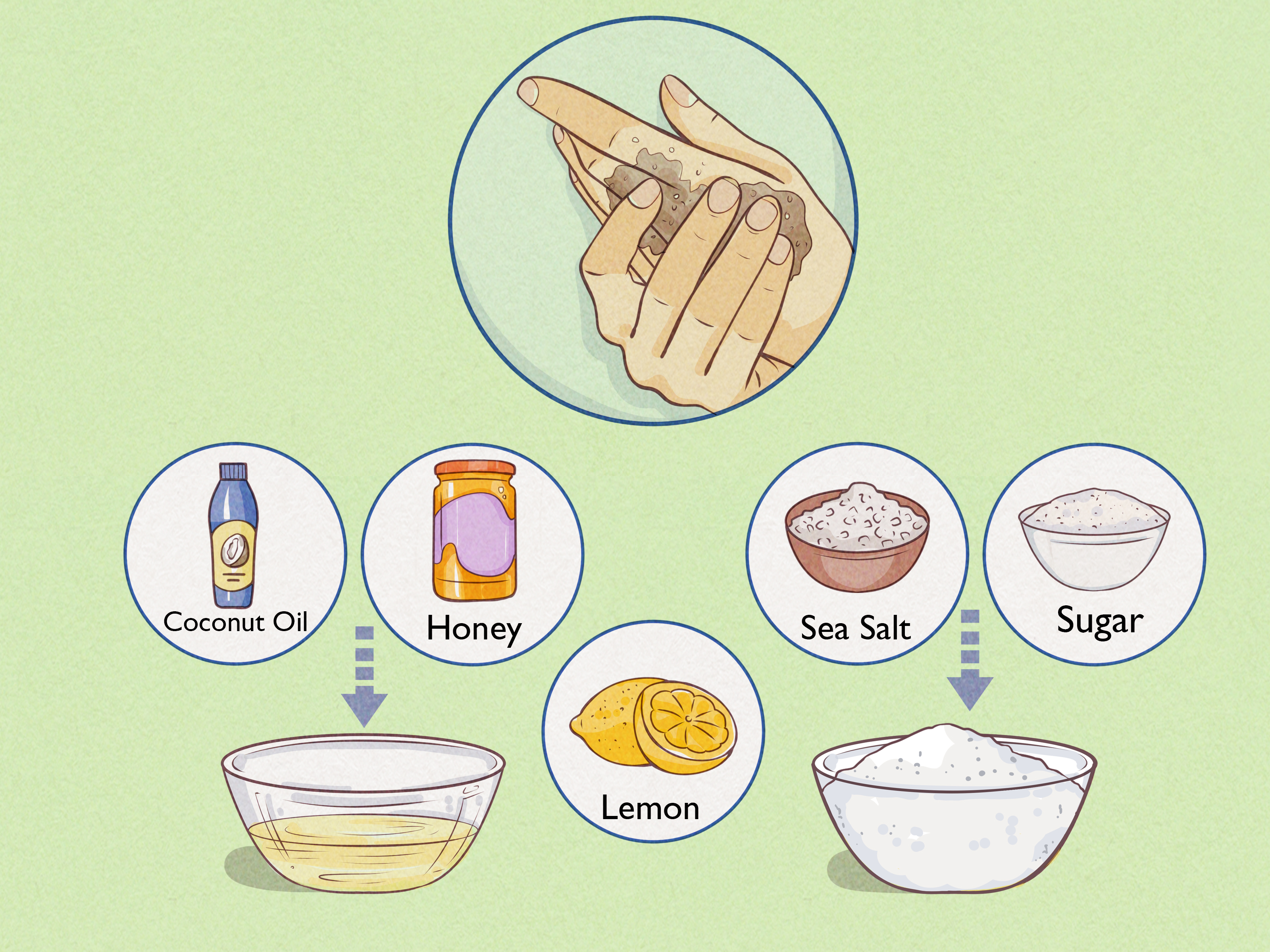
Some home remedies can support soft hands, but keep expectations realistic. Plain petroleum jelly is excellent for sealing moisture. Coconut oil, sunflower oil, or olive oil may soften the skin for some people, but they can feel greasy and may not suit everyone. Patch-test first if you are sensitive.
Avoid lemon juice, baking soda scrubs, toothpaste, vinegar soaks, and other harsh DIY treatments. These can irritate the skin, especially if your hands are cracked. Your hands need repair, not a kitchen chemistry class.
of Real-Life Experience: What Actually Works When Your Hands Feel Like Sandpaper
Here is the honest truth: making your hands soft like a baby is less about one miracle product and more about small habits repeated until your skin finally stops filing complaints. Many people buy a beautiful hand cream, use it once, announce “it did nothing,” and then abandon it next to old lip balm and mystery batteries. Skin repair takes consistency.
One practical experience is keeping moisturizer exactly where the dryness happens. If your hands get dry after washing dishes, put hand cream beside the kitchen sink. If your hands get tight after showering, keep cream on the bathroom counter. If your cuticles crack while typing, keep a small tube near your keyboard. The easier the habit is, the more likely you are to do it. Skincare should not require a treasure map.
Another real-world lesson: the texture of the product matters. During the day, many people avoid thick ointments because they make everything slippery. That is reasonable. Nobody wants to send an email with hands so greasy the keyboard starts reflecting light. Use a lighter cream during work hours and save the heavy ointment for bedtime. This gives you comfort during the day and deeper repair at night.
The overnight glove method can feel silly at first. You may look like you are about to inspect a cartoon diamond, but it works beautifully for many people. The first night often makes hands feel softer; after a week, rough patches may look calmer and less flaky. The trick is not to overdo it with wet gloves unless advised for severe dryness. Clean cotton gloves with a rich moisturizer are usually enough.
Gloves during chores are another game-changer. Dishwashing without gloves can undo hours of moisturizing. Cleaning bathrooms bare-handed is even worse. Once you start wearing gloves, you may notice that your hand cream finally seems to “work.” It was not failing before; it was just being defeated daily by detergent, hot water, and heroic over-scrubbing.
Cuticle care also makes a surprising difference. Even when the skin on your hands improves, dry cuticles can make your hands look neglected. A tiny drop of oil or a little extra hand cream around each nail at night helps. It takes less than a minute and makes your hands look more polished without needing a full manicure.
Finally, sunscreen is the habit people forget most. Many people protect their face carefully but leave their hands exposed. Over time, the backs of the hands can show sun spots, texture changes, and dryness. Applying SPF to your hands in the morning is a small move with long-term payoff. Your future hands may not send a thank-you card, but they would if they could hold a pen dramatically enough.
Conclusion
Learning how to make your hands soft like a baby is not complicated, but it does require consistency. Wash with warm water, choose gentle soap, moisturize immediately, protect your hands during chores, use richer products at night, care for your cuticles, and do not forget sunscreen. These steps help restore the skin barrier, reduce dryness, and keep your hands feeling smooth, comfortable, and healthy.
Baby-soft hands are not about perfection. They are about giving your hardworking hands the basic respect they deserve. After all, they help you do almost everythingcook, clean, work, hug, text, wave, create, and occasionally rescue your phone from falling on your face. A little hand care is the least they deserve.













