
Birds are everywhere: on sidewalks, in parking lots, on park benches, outside cafés, and occasionally staring through the window like tiny feathered landlords. For many people, birds are beautiful, musical, and harmless. For others, they trigger panic, sweating, avoidance, racing thoughts, or the sudden desire to cross the street like a secret agent avoiding surveillance.
The fear of birds is commonly called ornithophobia. It can involve fear of pigeons, chickens, ducks, seagulls, parrots, crows, feathers, flapping wings, bird sounds, or the idea that a bird might fly too close. Like other specific phobias, it is not simply “being dramatic.” A phobia can produce real physical anxiety even when the actual danger is low.
The good news: fear of birds can improve. Most people do not overcome it by forcing themselves into a flock of pigeons and hoping for a heroic movie montage. A safer, smarter approach uses education, gradual exposure, cognitive behavioral strategies, breathing skills, and practical bird-safety habits. Below are 14 steps to help you move from “absolutely not” to “I can handle this,” one feather at a time.
What Is Ornithophobia?
Ornithophobia is an intense fear of birds that can interfere with daily life. Someone with this fear may avoid parks, beaches, outdoor restaurants, farms, pet stores, zoos, or even certain streets where birds gather. The fear may be tied to a past experience, a scary movie scene, unpredictable bird movement, fear of being pecked, fear of germs, or simply the uncomfortable surprise of wings flapping nearby.
Many people with a bird phobia know, logically, that most birds are not interested in attacking humans. Unfortunately, anxiety does not always check the facts before ringing the alarm bell. That is why overcoming fear of birds requires both mind and body training.
Common Symptoms of Fear of Birds
Symptoms can vary from mild discomfort to full panic. You might notice a fast heartbeat, tense muscles, shallow breathing, dizziness, nausea, sweating, trembling, or the urge to escape. Mentally, you may imagine worst-case scenarios: “What if it flies at my face?” “What if it touches me?” “What if I panic in public?”
Behaviorally, the fear may lead to avoidance. You might skip outdoor events, refuse to eat on patios, avoid walking near trees, or choose longer routes to stay away from pigeons. Avoidance feels helpful in the moment, but over time it teaches the brain that birds are too dangerous to face. Recovery starts when you gently reverse that pattern.
How to Overcome Fear of Birds: 14 Steps
1. Name the Fear Clearly
The first step is to say exactly what you are afraid of. “Birds” may be too broad. Are you afraid of birds flying near you? Large birds? Sudden movement? Pecking? Droppings? Feathers? Loud squawking? A pigeon army in a train station?
Write down your specific triggers. For example: “I feel anxious when pigeons walk within five feet,” or “I panic when birds flap their wings suddenly.” Naming the fear makes it less mysterious. It also helps you build a plan that targets the real problem instead of battling every bird on Earth.
2. Learn Basic Bird Behavior
Knowledge reduces uncertainty. Most birds are not plotting against you. They are usually looking for food, protecting a nest, avoiding predators, or trying to survive city life without paying rent. Birds may hop toward people because they have learned that humans drop crumbs, not because they want a dramatic confrontation.
Some birds may become defensive near nests, especially during breeding season. The practical solution is simple: give nesting birds space, avoid disturbing them, and do not try to touch wild birds. Understanding normal bird behavior helps replace “That bird is coming for me” with “That bird is doing bird business.”
3. Separate Real Risk From Anxiety Stories
Anxiety loves writing horror scripts. It may tell you, “That bird will attack,” “Everyone will laugh if I panic,” or “I can’t handle this.” Instead of arguing with your fear, test it.
Ask yourself: What is the evidence? How often do ordinary birds actually hurt people in this setting? What would I tell a friend with the same fear? A more balanced thought might be: “I feel anxious because the bird is unpredictable, but I can step aside calmly and keep walking.”
This is not fake positivity. It is mental fact-checking. Your brain is allowed to warn you, but it does not get to run the entire meeting.
4. Rate Your Fear on a Scale
Use a 0-to-10 scale, where 0 means no fear and 10 means extreme panic. Looking at a cartoon bird might be a 1. Watching a video of pigeons might be a 3. Standing near ducks at a pond might be a 6. Walking through a plaza full of pigeons might be a 9.
This scale helps you avoid jumping too far too fast. If you start with a level 9 exposure, your brain may learn, “See? Terrible!” Instead, begin with a level 2 or 3 and build confidence gradually.
5. Build a Bird Fear Ladder
A fear ladder is a step-by-step list of bird-related situations from easiest to hardest. It might look like this:
- Read a friendly article about common backyard birds.
- Look at simple bird illustrations.
- Look at realistic bird photos.
- Watch a short calm video of birds from a distance.
- Listen to bird sounds for one minute.
- Stand near a window and observe birds outside.
- Walk on a quiet path where birds may be present.
- Sit on a park bench far from birds.
- Walk past pigeons while staying calm and steady.
Your ladder should fit your fear, not someone else’s bravery contest. Tiny steps are still steps. A staircase works because it has more than one giant plank labeled “good luck.”
6. Practice Calm Breathing Before Exposure
Breathing skills help your body understand that you are not in immediate danger. Try this simple method: inhale through your nose for four seconds, hold for one second, then exhale slowly for six seconds. Repeat for two or three minutes.
The goal is not to erase all anxiety. The goal is to lower the volume enough that you can think clearly. Practice breathing when you are already calm, not only when a pigeon appears like an uninvited tiny dinosaur.
7. Start With Imaginal Exposure
Imaginal exposure means picturing a feared situation in your mind while staying grounded. For example, imagine seeing a bird across the street. Notice your body reaction. Breathe slowly. Remind yourself: “This is an image. I can let the anxiety rise and fall.”
Stay with the image until your fear decreases a little. This teaches your nervous system that anxiety can pass without escape. You are not trying to win a battle; you are training your brain through repetition.
8. Use Photos and Videos Gradually
Once imagination feels manageable, move to photos. Start with less triggering images, such as small birds sitting calmly on branches. Then try short videos with low volume. Later, you can watch birds walking, flying, or feeding.
Keep sessions short at first. Two minutes of steady practice is better than twenty minutes of panic-scrolling bird videos while whispering, “Why do they move like that?” Repeat the same level until it becomes boring or at least tolerable. Boring is progress. Boring means your brain is learning.
9. Observe Real Birds From a Safe Distance
Real-life exposure should begin with distance. Watch birds from inside your home, through a window, or from across a park. You can use binoculars if that makes the activity feel more controlled. The purpose is to observe, not interact.
Notice what birds actually do. They peck at the ground. They hop. They fly away. They argue over crumbs like tiny courtroom lawyers. The more you observe calmly, the more your brain gathers new evidence: birds can be nearby without disaster.
10. Reduce Safety Behaviors Slowly
Safety behaviors are habits that make you feel protected but keep the fear alive. Examples include gripping someone’s arm, scanning constantly for birds, hiding behind a friend, crossing the street immediately, or refusing to look up.
You do not need to drop all safety behaviors at once. Choose one small change. For example, instead of leaving a park immediately, stay for one extra minute. Instead of staring at the ground, glance calmly around. Recovery grows when you teach yourself, “I can handle this with less protection than I thought.”
11. Learn Practical Bird Safety
Healthy caution is different from phobia. You do not need to pet wild birds, pick up feathers, touch droppings, or approach sick or injured birds. In fact, it is better not to. Wash your hands after handling bird feeders, cages, poultry, or anything contaminated by droppings. Keep a respectful distance from wildlife.
Practical safety rules can calm the “what if” part of your mind. You are not pretending birds have zero germs or zero defensive instincts. You are learning realistic boundaries: observe from a distance, do not disturb nests, keep food covered around bold birds, and step away calmly if a bird gets too close.
12. Change Your Inner Script
The words you use matter. “I’m terrified of birds and can’t go outside” reinforces helplessness. Try a more flexible script: “Birds make me anxious, but I’m learning to handle them step by step.”
Other helpful phrases include:
- “Anxiety is uncomfortable, not dangerous.”
- “I can move slowly and calmly.”
- “I do not have to like birds to tolerate them.”
- “This feeling will peak and pass.”
You are not required to become a bird enthusiast. The goal is freedom, not suddenly buying a “World’s Best Pigeon Fan” T-shirt.
13. Practice in Everyday Places
When you are ready, practice in real settings where birds appear naturally. Start with low-pressure places: a quiet sidewalk, a small garden, or a park at a calm time of day. Bring a supportive person if needed, but make sure they encourage progress rather than rescue you too quickly.
Set a clear goal before each practice session. For example: “I will sit on this bench for five minutes,” or “I will walk past the ducks without turning around.” Afterward, record what happened. Most likely, the result will be less dramatic than your fear predicted. That evidence is powerful.
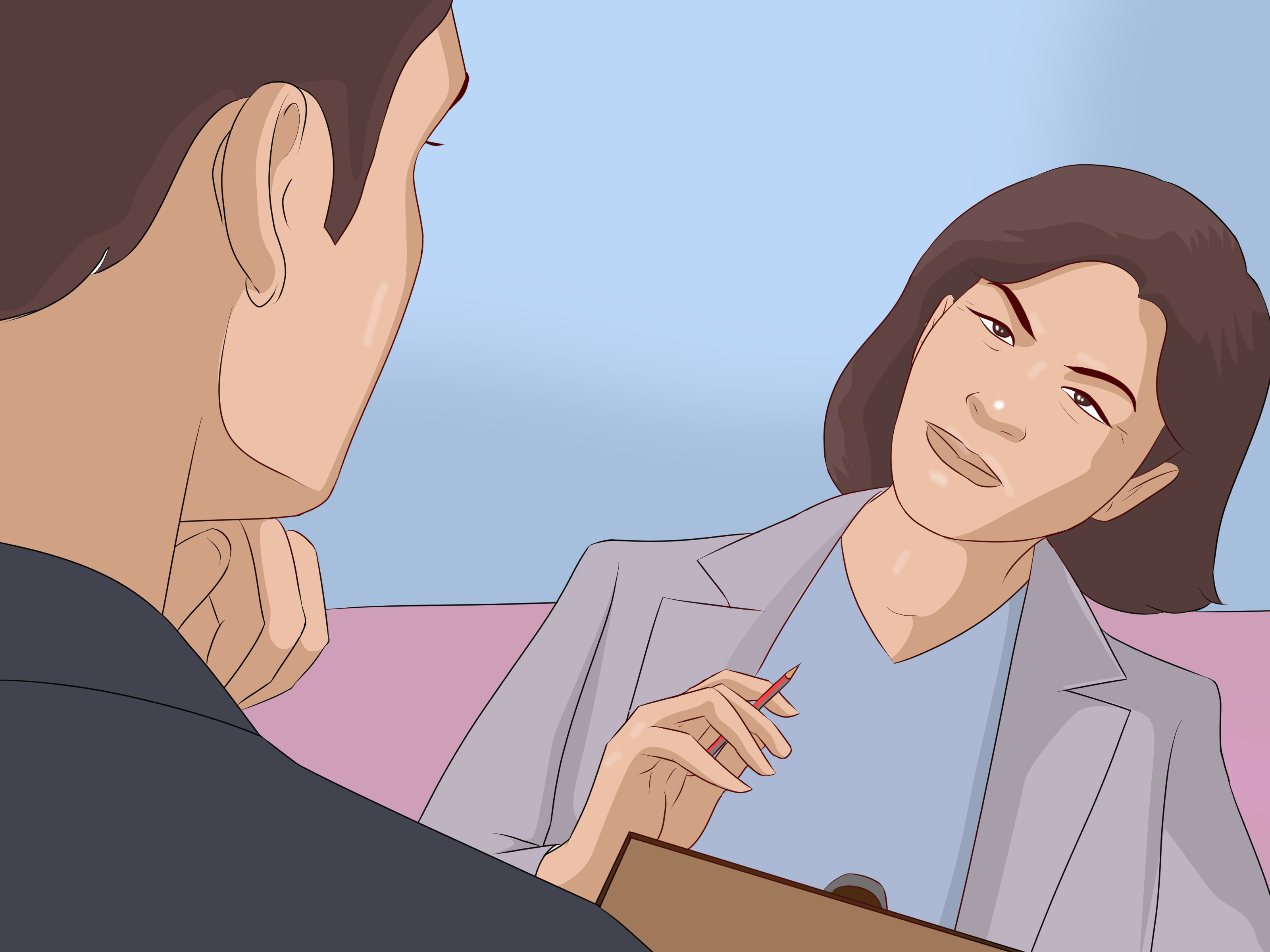
14. Get Professional Help if the Fear Controls Your Life
If your fear of birds keeps you from school, work, travel, social events, exercise, or normal errands, consider talking with a licensed mental health professional. Cognitive behavioral therapy, exposure therapy, and related approaches can be very effective for specific phobias.
A therapist can help you build a safe exposure plan, challenge fear-based thoughts, and practice coping skills at the right pace. Professional support is especially important if your fear is connected to trauma, panic attacks, obsessive worries, or other anxiety symptoms.
What Not to Do When Trying to Overcome Fear of Birds
Do not shame yourself. Fear is not a character flaw. Your nervous system is trying to protect you, even if it is being a bit overenthusiasticlike a smoke alarm that screams every time you make toast.
Do not force sudden exposure. Standing in the middle of a crowded pigeon area before you are ready can backfire. Gradual practice works better because it teaches your body that you can stay calm and safe.
Do not rely only on avoidance. Avoidance feels good for a moment, but it shrinks your world. The long-term solution is not to remove every bird from your life. That would be difficult, suspicious, and probably unpopular with nature. The solution is to build confidence.
How Long Does It Take to Overcome a Bird Phobia?
There is no universal timeline. Some people feel better after a few weeks of consistent practice. Others need months, especially if the fear is severe or long-standing. Progress depends on the intensity of the phobia, how often you practice, whether you use evidence-based methods, and whether you have support.
The most important rule is consistency. Five minutes of practice several times a week can be more effective than one huge exposure followed by three months of avoidance. Your brain learns through repeated safe experiences.
Experience-Based Tips for Living With and Reducing Fear of Birds
Many people who overcome fear of birds describe the process as less like flipping a switch and more like slowly turning down a noisy radio. At first, every bird feels like breaking news. A pigeon near the bus stop becomes a crisis. A crow on a fence becomes a personal challenge. A duck at the park becomes, somehow, the final boss. Over time, with practice, birds become part of the background again.
One helpful experience is to begin with observation rather than closeness. For example, sit indoors near a window and watch birds outside for five minutes. Do not try to love them. Do not try to become a bird photographer. Just notice facts. “That bird landed. It looked around. It flew away.” This simple exercise trains the brain to see birds as living creatures with patterns, not random feather missiles.
Another useful approach is to create a “calm route.” Choose a walking route where birds are sometimes present but not overwhelming. Walk it at a quiet time of day. Before you begin, rate your anxiety. During the walk, practice slow breathing and relaxed shoulders. After the walk, write down what actually happened. Maybe one bird crossed the sidewalk. Maybe two sparrows flew out of a bush and startled you. Maybe nothing happened at all. These notes matter because anxiety often remembers fear more loudly than facts.
People also report that learning a few bird names can reduce fear. A “large scary black bird” may feel more threatening than “a crow looking for food.” A “fast tiny bird” may become “a sparrow.” Naming creates familiarity. Familiarity lowers alarm. You do not need to memorize an entire field guide. Start with common local birds: pigeon, sparrow, robin, crow, gull, duck. Suddenly, the outside world feels less like a mystery aviary.
It also helps to prepare for common situations. If birds gather around outdoor tables, keep food covered and avoid feeding them. If a bird walks toward you, step aside slowly rather than running. If birds are nesting near a doorway, use another route when possible and give them space. These practical habits give you control without feeding panic.
Supportive friends and family can make a big difference, but they should not tease, pressure, or surprise you with bird encounters. A good support person might say, “Let’s stand here for one minute and breathe,” not “Look, I found a chickenhold it!” Recovery works best when it feels challenging but safe.
Finally, celebrate small wins. Looking at a bird photo without closing the page is a win. Walking past pigeons without crossing the street is a win. Sitting in a park for three minutes is a win. Fear shrinks when confidence grows, and confidence grows through repeated proof that you can cope. You may never become the person tossing breadcrumbs in slow motion while birds gather lovingly around youand honestly, that is fine. The goal is not to become a Disney character. The goal is to live your life without birds controlling your choices.
Conclusion
Overcoming fear of birds is possible when you combine patience, education, gradual exposure, realistic safety habits, and kinder self-talk. Ornithophobia can feel embarrassing, but it is a real anxiety responsenot a personal failure. Start by naming your triggers, building a fear ladder, practicing calm breathing, and taking small, repeated steps toward bird-related situations.
You do not have to rush. You do not have to touch birds. You do not even have to like them. You only need to teach your brain that birds can exist nearby while you remain steady, capable, and in charge of your choices. Step by step, the world gets bigger againand the pigeons go back to being pigeons, not tiny airborne villains.
Note: This article is for educational purposes only and is not a substitute for diagnosis or treatment from a licensed mental health professional. If fear of birds causes panic, severe avoidance, or major disruption in daily life, professional support can help.














