
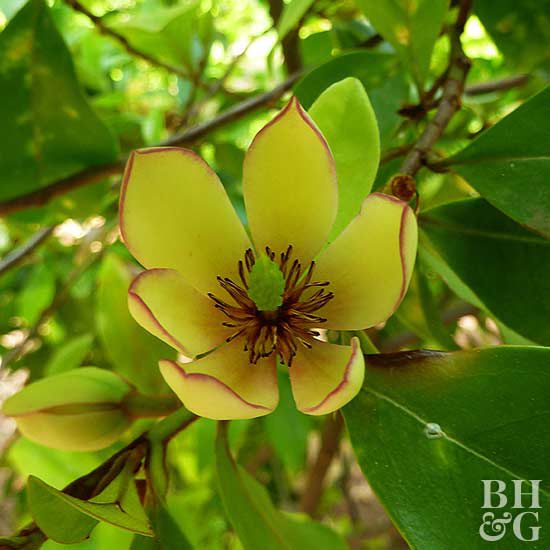
If you have ever wanted a plant that smells like dessert but behaves like a respectable evergreen, meet the banana shrub. This fragrant beauty, usually sold as banana shrub or banana magnolia, is botanically known as Magnolia figo. It is not a banana plant, it will not hand you breakfast, and it will not turn your yard into a tropical jungle. What it will do is give you glossy foliage, creamy flowers with a fruity scent, and the kind of old-fashioned garden charm that makes people stop mid-sentence and ask, “What on earth smells so good?”
Banana shrub has been beloved in warm-climate gardens for generations for one simple reason: it earns its keep. It is evergreen, relatively easy to grow once established, and useful in the landscape as a specimen, hedge, foundation planting, or near a patio, path, window, or front door where that famous fragrance can do its thing. In other words, this is not a diva plant. It is more like the well-dressed guest who arrives on time, smells amazing, and never makes the evening weird.
If you want to plant and grow banana shrub successfully, the secret is not complicated. Give it the right spot, plant it correctly, water it well while it settles in, and prune it at the right time. Do that, and you will have a handsome shrub that quietly perfumes the garden without demanding a standing ovation every weekend.
What Is a Banana Shrub?
Banana shrub is an evergreen shrub or small tree in the magnolia family. Older garden books and nursery labels may still call it Michelia figo, but the updated botanical name is Magnolia figo. It typically matures around 6 to 10 feet tall and wide in many home landscapes, though older plants can get larger over time. The growth habit is dense, rounded, and attractive enough that the plant looks good even when it is not in bloom.
The flowers are usually small, creamy yellow to ivory, often edged or flushed with maroon or purple. They look a bit like miniature magnolia blossoms, which is honestly a strong career move for any shrub. Blooming is heaviest in spring, with lighter repeat flowering through summer and sometimes into early fall in warm areas. The scent is the real headliner. Some gardeners describe it as banana, others say ripe melon, and a few insist it smells like fruit salad that went to finishing school.
Because it is evergreen and low-maintenance, banana shrub works beautifully in Southern-style landscapes, courtyard gardens, mixed shrub borders, and privacy screens. It also has decent drought tolerance once established, slight salt tolerance, and a reputation for being less tempting to deer than many other ornamentals. That does not make it invincible, but it does give it a nice “I can handle myself” energy.
Where Banana Shrub Grows Best
The best place to grow banana shrub is in USDA Zones 8 to 10, though it can also grow in Zone 7 with protection. In edge-of-range climates, cold snaps and late frosts can damage buds, so location matters more than usual. If you garden in a cooler area, avoid planting it in a hot south-facing pocket near walls or pavement that can encourage buds to open too early. You want warmth, yes, but not the kind that tricks the plant into thinking March is May.
Light
Banana shrub grows in full sun to part shade, but many gardeners get the best balance of flowering, foliage color, and form in part shade or morning sun with afternoon protection. In hotter regions, some relief from harsh afternoon sun helps keep the leaves deeper green and the plant looking lush instead of slightly frazzled. Full sun is possible, especially in milder settings, but the foliage can become lighter and more yellow-green.
Soil
This shrub prefers rich, slightly acidic, well-drained soil with plenty of organic matter. Think fertile, airy, moisture-retentive soil that drains well instead of turning into a swamp. Banana shrub appreciates consistent moisture, but it does not enjoy wet feet. Soggy soil is one of the fastest ways to turn a promising new shrub into a cautionary tale.
Wind Protection
Pick a site sheltered from strong winds, especially in winter. Broadleaf evergreens can lose moisture through their leaves during cold, windy weather, and magnolia relatives are not famous for enjoying a face full of January drama. A spot near other shrubs, a fence, or a structure that blocks wind without creating a heat trap is ideal.
How to Plant Banana Shrub
Planting banana shrub well matters because magnolias and their relatives dislike being set too deep. A sloppy planting job can haunt the plant for years, and unlike your high school haircut, shrubs do not always bounce back quickly.
1. Choose the best planting time
In warm climates, spring and early fall are both good planting windows. Spring planting gives the shrub a full growing season to root in, while fall planting can work beautifully in mild areas as long as you keep an eye on moisture. In colder edge-zone gardens, spring is often the safer option.
2. Water the plant before planting
If your shrub is in a container, water it thoroughly before you begin. A dry root ball is like a brick with trust issues: it resists soaking up water later and makes establishment harder than it needs to be.
3. Dig a wide hole, not a deep crater
Dig a planting hole about two to three times wider than the root ball and no deeper than the root ball itself. Wider is better because it helps roots move sideways into surrounding soil. Deeper is not better because it causes settling, and settling leads to planting too deep, which is a classic shrub-killer.
4. Check the root ball
Gently remove the plant from its container and inspect the roots. If they are circling the root ball, loosen them with your fingers or make a few light cuts to encourage outward growth. Magnolia relatives are known for circling roots, so this step is worth your attention.
5. Set the shrub slightly high
Place the plant so the top of the root ball sits level with or slightly above the surrounding soil. Banana shrub should not be buried like treasure. Planting slightly high is especially helpful in heavier soils, where drainage can be less forgiving.
6. Backfill with native soil
Backfill with the soil you removed. If your overall bed is poor, improve the broader planting area with compost rather than creating a tiny luxury suite of amended soil inside the hole. Roots need to move outward into the real world eventually, so it helps if the real world is not a rude surprise.
7. Water deeply
After backfilling, water thoroughly to settle the soil and remove air pockets. Add a little more soil if needed, but do not pile extra soil over the top of the root ball like frosting.
8. Mulch correctly
Apply a shallow layer of mulch, about 1 to 3 inches deep, over the root zone, keeping it a few inches away from the base of the plant. Do not create a mulch volcano. Mulch should conserve moisture and moderate soil temperature, not smother the trunk like an overenthusiastic scarf.
How to Grow Banana Shrub After Planting
Watering
For the first year, water regularly and deeply so the root system establishes well. During hot, dry spells, do not assume one polite sprinkle from the hose counts as irrigation. It does not. Deep watering is what encourages deeper roots. Once established, banana shrub becomes more drought tolerant, but it still performs best with even moisture. The goal is moist soil, not constant mud.
Feeding
Banana shrub is not a heavy feeder, but it appreciates fertile soil. In most gardens, an annual application of a slow-release fertilizer in early spring is enough. If your soil tends to run alkaline and your plant looks pale or unhappy, a fertilizer intended for acid-loving shrubs such as azaleas or camellias may help. Resist the urge to overfeed. Too much fertilizer can push weak growth and give you more leaf than flower.
Mulch and soil care
Refresh mulch as needed, keeping it shallow and pulled back from the base. This helps conserve moisture, protects roots from temperature swings, and supports the rich soil conditions banana shrub enjoys. If your soil dries quickly, mulch is your quiet little hero.
Pruning
Prune banana shrub right after the main spring bloom. This part matters. The plant forms flower buds for the following season by early summer, so late pruning can remove next year’s show before it even clocks in. If you want to shape the shrub, reduce height, or encourage denser growth, do it immediately after the first flush of flowers. Avoid heavy pruning in late summer, fall, winter, or very early spring.
The good news is that banana shrub takes pruning fairly well. You can keep it as a rounded evergreen shrub, train it into a small tree form, or use it in a hedge. It is flexible, which is more than many gardeners can say after a long afternoon of hauling compost.
Cold protection
In colder areas or during unusual freezes, protect the plant from winter wind and extreme cold. Keep the root zone mulched, water before hard freezes if the soil is dry, and consider using frost cloth during severe cold events. In Zone 7 gardens, a sheltered planting site can make the difference between a happy shrub and a dramatic spring sulk.
Common Problems and How to Fix Them
Yellowish leaves
If the leaves look lighter than expected, too much intense sun may be part of the problem. Banana shrub often keeps a richer green color in part shade. Nutrient imbalance or alkaline soil can also contribute, so check your site conditions before blaming the plant’s personality.
Few or no flowers
The most common reasons are improper pruning, not enough light, or late frost damage. If you trimmed in fall or winter, you may have removed flower buds. If the plant is in deep shade, flowering can be reduced. And if a warm spell coaxed buds open early, frost may have ended the season before it started.
White specks on the leaves
Watch for false oleander scale, an occasional pest of banana shrub. It often appears as white spots on the foliage and can lead to yellowing or leaf drop when infestations are severe. Horticultural oil is a common treatment, but timing matters, so follow local extension guidance for your area if the problem gets serious. In plain English: do not declare war with random sprays and a bad attitude.
Root or moisture issues
If the plant seems to decline without an obvious pest problem, check drainage first. Banana shrub likes moisture but not waterlogged soil. A shrub sitting in wet soil may struggle no matter how lovingly you compliment it.
Can You Grow Banana Shrub in a Container?
Yes, especially when the plant is young or when you garden on a patio or courtyard. Use a container with excellent drainage and a rich, well-draining potting mix suitable for acid-loving shrubs. Container-grown plants dry out faster than in-ground ones, so watering becomes more important. In colder climates, a pot can also make it easier to move the shrub to a protected area during severe cold. Just remember that a plant in a container depends entirely on you, which is flattering until August arrives and the weather turns into a toaster.
Landscape Ideas for Banana Shrub
One of the smartest ways to use banana shrub is near places where people actually pass by. There is no point in hiding a fragrant plant behind the garage unless your trash cans are very sentimental. Try it:
- near a front walk or porch
- beside a patio or seating area
- outside a kitchen or bedroom window
- in a mixed evergreen border
- as a loose hedge or privacy screen
- as a specimen in a courtyard garden
It pairs well with camellias, azaleas, gardenias, and other shrubs that enjoy similar soil and light conditions. The glossy leaves also make a good foil for finer textures, silver foliage, or perennials that need an evergreen backdrop.
How to Propagate Banana Shrub
Banana shrub can be propagated from seed, and as a magnolia relative it can also be propagated by methods such as softwood cuttings. For home gardeners, buying a healthy nursery plant is usually the easiest path, especially if you want a named cultivar with specific flower color or growth habit. Seed-grown plants may vary, while vegetative propagation keeps the parent plant’s traits more consistent.
Final Thoughts
If your garden needs more fragrance, more evergreen structure, and a little less maintenance drama, banana shrub deserves a spot on your list. It is elegant without being fussy, fragrant without being overpowering, and useful in more ways than its sweet name suggests. Plant it in rich, well-drained soil, protect it from harsh wind, water it faithfully while it gets established, and prune it right after flowering. That is the whole playbook.
And once it starts blooming, do yourself a favor: pause for a second. Lean in. Smell the flower. Gardening does not always reward us immediately, but banana shrub understands the assignment.
Extra Gardener Experience: What It’s Really Like to Grow Banana Shrub
Growing banana shrub is one of those gardening experiences that sneaks up on you. At first, the plant can look almost too modest. It is evergreen, neat, and handsome, but not flashy in the way a huge hydrangea or a blooming rose can be. Then spring arrives, and suddenly the air around it changes. You may not even notice the flowers first. You notice the scent. That is the moment many gardeners become hopelessly loyal to this plant.
One of the best parts of growing banana shrub is how personal the fragrance feels. It does not shout across the whole yard like some plants do. Instead, it seems to drift just far enough to catch your attention when you pass by. You walk toward it because something smells warm, fruity, and oddly nostalgic. Then you find those small flowers tucked among the glossy leaves and think, “You little overachiever.”
Another common experience is realizing that placement matters even more than you expected. A banana shrub planted in a random corner is still a nice shrub. A banana shrub planted by a front door, patio, or path becomes an event. Guests notice it. Family members notice it. Even people who normally do not care about plants suddenly become fragrance detectives. That alone makes it a satisfying addition to the landscape. It earns attention without begging for it.
Gardeners also learn quickly that patience helps. Banana shrub is not usually a rocket ship. It settles in, thickens gradually, and becomes more impressive over time. That can actually be a gift in a home landscape, because it means the plant does not wake up one morning and try to swallow the mailbox. The slow-to-moderate growth gives you time to shape it, decide how formal or natural you want it to look, and enjoy the process.
There is also a quiet pleasure in how reliable the foliage is. Even when the plant is not blooming, the leaves hold the design together. In winter, when the garden can look a little tired and unenthusiastic, banana shrub still shows up dressed appropriately. That evergreen presence makes the spring fragrance feel even more rewarding, like a bonus after months of good behavior.
Of course, real gardeners also have real lessons. The first is not to plant it too deep. The second is not to prune at the wrong time unless you enjoy accidentally deleting next year’s flowers. The third is to pay attention during establishment. A well-watered young shrub settles in with much less drama than one that is left to negotiate summer heat on its own. Once it is rooted, though, the plant usually becomes much easier to manage.
Many gardeners end up developing a soft spot for banana shrub because it feels both old-fashioned and surprising. It has the grace of a classic Southern garden plant, yet it still feels fresh because so many people have never experienced it. It is a conversation starter, a memory-maker, and one of those plants that tends to become part of the personality of a garden. Long after people forget what annuals were in the containers that year, they remember the shrub that smelled like fruit and spring and something almost impossible to describe.
That, really, is the charm of banana shrub. It does not need giant flowers or wild colors to be unforgettable. It simply does its job beautifully, season after season, and leaves a little fragrance hanging in the air like a signature.










