
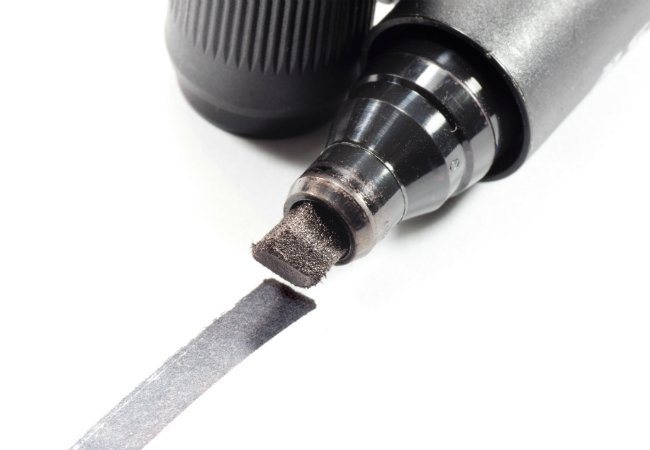
Permanent marker has a dramatic name, but your table, wall, shirt, carpet, or whiteboard does not have to live with the evidence forever. With the right cleaner, a little patience, and the self-control not to scrub like you are sanding a canoe, many permanent marker stains can be lightened or removed completely.
Why Permanent Marker Is So Stubborn
Permanent marker ink is designed to stick. That is literally its résumé. It often contains pigments or dyes carried by solvents that help the color bond to surfaces such as paper, fabric, plastic, wood, glass, metal, and painted walls. This is why a quick swipe with water usually does nothing except make you feel personally insulted.
The good news is that permanent does not always mean invincible. Alcohol-based cleaners, hand sanitizer, acetone, baking soda paste, toothpaste, melamine foam, and certain laundry stain removers can break down or lift marker ink depending on the surface. The bad news is that the wrong product can remove the marker and the finish underneath it. That is not cleaning; that is redecorating by accident.
Before you start, remember the golden rule: test first in a hidden spot. Try the method on the underside of a table, the inside seam of a garment, the corner of a wall, or another low-risk area. If the color, finish, or texture changes, stop and choose a gentler method.
The Basic Permanent Marker Removal Kit
You do not need a laboratory or a superhero cape. Most marker stains can be tackled with common household items. Keep these supplies nearby:
- Rubbing alcohol or alcohol-based hand sanitizer
- Clean white cloths or paper towels
- Cotton balls or cotton swabs
- Baking soda
- Non-gel white toothpaste
- Mild dish soap
- Cold water
- Melamine foam sponge
- Laundry stain remover or oxygen-safe stain treatment
- Gloves, especially for stronger cleaners
Use white cloths whenever possible. Colored towels can transfer dye, which is exactly the kind of plot twist nobody asked for.
How to Remove Permanent Marker From Clothing
Clothing is one of the most common victims of permanent marker. Maybe a marker leaked in a pocket. Maybe a child signed their name across a hoodie with the confidence of a celebrity autographing a movie poster. Either way, act quickly.
Step-by-Step Method for Washable Fabrics
- Place the stained fabric face down on a stack of clean paper towels.
- Apply rubbing alcohol or alcohol-based hand sanitizer to the back of the stain.
- Blot gently with a clean cloth. Do not rub aggressively.
- Move the paper towels often as ink transfers onto them.
- Rinse the area with cold water.
- Apply laundry stain remover and let it sit according to the product directions.
- Wash in cold or warm water, following the garment care label.
- Air-dry only. Do not use the dryer until the stain is gone.
Heat can set ink stains, turning a fixable problem into a tiny museum exhibit titled “Mistakes Were Made.” If the stain remains after washing, repeat the treatment before drying.
What About Delicate Fabrics?
Silk, wool, suede, velvet, and dry-clean-only garments need special care. For expensive or sentimental items, professional cleaning is the safest route. Rubbing alcohol can affect dyes and finishes, so never soak delicate fabrics unless the care label clearly supports it.
How to Remove Permanent Marker From Walls
Permanent marker on a wall feels like a household emergency, especially when it appears at toddler height. Start gently. Painted walls can lose color or sheen if you attack them with harsh solvents.
Method 1: Dish Soap and Water
Mix a few drops of mild dish soap with warm water. Dampen a soft cloth and wipe the mark lightly. This may work on washable paint finishes such as satin, semi-gloss, or gloss. Flat paint is more fragile and may show rubbing marks.
Method 2: Rubbing Alcohol
Dampen a cotton ball with rubbing alcohol and dab the marker. Work slowly from the outside edge toward the center. Follow with a clean damp cloth to remove residue. Do not flood the wall. Too much liquid can soften paint or leave dull spots.
Method 3: Melamine Foam Sponge
A damp melamine sponge can help lift marker from painted walls, but use a light touch. It works like an ultra-fine abrasive, which means it can also dull paint if you scrub too hard. Think “gentle polishing,” not “cleaning the deck of a pirate ship.”
How to Remove Permanent Marker From Wood
Wood requires caution because the marker may sit on the finish, sink into the grain, or both. Finished wood, painted wood, and unfinished wood should be treated differently.
Finished Wood
Start with rubbing alcohol on a soft cloth. Dab and wipe gently with the grain. If that does not work, try a paste made from baking soda and water or non-gel white toothpaste. Rub lightly, then wipe clean with a damp cloth and dry immediately.
Avoid soaking wood. Water and solvents can damage finishes, raise grain, or create cloudy patches. If the furniture is antique, valuable, or emotionally important, do not experiment like a game show contestant. Call a furniture repair professional.
Unfinished Wood
Unfinished wood absorbs ink quickly. A baking soda paste may help lift surface color, but deep stains can remain. Very light sanding may be an option, but only if you are comfortable refinishing the area afterward. Sanding finished wood can create an obvious patch that looks worse than the original mark.
How to Remove Permanent Marker From Plastic
Plastic is tricky because some plastics tolerate alcohol well while others become cloudy, sticky, or scratched. Always test first.
Best Options for Plastic
- Rubbing alcohol: Apply with a cotton pad and wipe gently.
- Dry-erase marker: Color over the permanent marker, then wipe away both inks.
- Hand sanitizer: Let it sit briefly, then wipe clean.
- Baking soda paste: Use for textured plastic, but rub lightly.
The dry-erase marker trick works especially well on smooth plastic and whiteboards because the fresh solvent in the dry-erase ink can loosen the older permanent ink. It feels like cleaning with a loophole.
How to Remove Permanent Marker From Glass, Metal, and Tile
Hard, nonporous surfaces are usually the easiest to clean. Glass, stainless steel, ceramic tile, and sealed metal often respond well to rubbing alcohol.
Simple Hard-Surface Method
- Dampen a clean cloth or cotton pad with rubbing alcohol.
- Wipe the marker stain in small circles.
- Use a fresh part of the cloth as the ink transfers.
- Wash the surface with mild soap and water.
- Dry with a microfiber cloth to prevent streaks.
For glass, you may also use a glass cleaner after removing the ink. For stainless steel, wipe with the grain to avoid streaks or fine scratches. Never use abrasive powders on polished metal unless the manufacturer says it is safe.
How to Remove Permanent Marker From Carpet
Carpet stains require patience because rubbing can spread the ink deeper into the fibers. The main goal is to transfer the marker from the carpet to your cloth, not smear it into a modern art installation.
Carpet Blotting Method
- Place a clean white cloth under or beside the stained area if possible.
- Dampen another white cloth with rubbing alcohol.
- Blot the stain gently from the outside toward the center.
- Switch to clean sections of the cloth as ink transfers.
- Repeat slowly until the stain fades.
- Blot with plain water to rinse.
- Press with a dry towel and let the carpet air-dry.
Hydrogen peroxide may help on some light carpets, but it can bleach color. Use it only after testing in a hidden area. For wool, silk, antique rugs, or expensive carpet, call a professional cleaner before the stain becomes a permanent roommate.
How to Remove Permanent Marker From Upholstery
Upholstery can be more sensitive than it looks. Before using any cleaner, check the furniture care tag. A “W” usually means water-based cleaners are acceptable, “S” means solvent-based cleaners, “WS” means either may be used, and “X” means vacuum only or professional cleaning.
Baking Soda Method for Sturdy Upholstery
For sturdy fabric upholstery, sprinkle baking soda over the marker stain and brush gently with a soft-bristle brush. Vacuum the powder and repeat if needed. Baking soda acts as a mild abrasive and absorbent, helping lift some ink without soaking the fabric.
Alcohol Method for Solvent-Safe Upholstery
If the care label allows solvents, dab rubbing alcohol onto a white cloth and blot the stain. Do not pour alcohol directly onto cushions because it can spread the ink or soak into padding. After the stain fades, blot with a barely damp cloth and air-dry.
How to Remove Permanent Marker From Skin
Permanent marker on skin usually fades naturally with washing and time. If you want it gone sooner, use rubbing alcohol, hand sanitizer, or a gentle exfoliating cleanser. Apply with a cotton pad, rub lightly, then wash with soap and water.
Do not use harsh chemicals on skin. Nail polish remover, bleach, and abrasive sponges are not worth it. Your skin is not a countertop, despite what your weekend cleaning energy may suggest.
What Not to Do When Removing Permanent Marker
Permanent marker removal is as much about restraint as it is about chemistry. Avoid these common mistakes:
- Do not scrub fabric hard. Scrubbing can push ink deeper and damage fibers.
- Do not use heat on stained clothing. Dryers and irons can set ink.
- Do not mix cleaning chemicals. Never mix bleach with alcohol, ammonia, vinegar, or other cleaners.
- Do not use acetone on painted surfaces. It can remove paint or finish.
- Do not use melamine foam on glossy, delicate, or coated surfaces without testing. It can dull or scratch.
- Do not soak wood. Moisture can damage finishes and raise grain.
Also remember that rubbing alcohol is flammable. Use it in a ventilated area, keep it away from flames, and let treated items dry fully before they go near heat.
Permanent Marker Removal Cheat Sheet
| Surface | First Method to Try | Backup Method | Big Warning |
|---|---|---|---|
| Clothing | Rubbing alcohol or hand sanitizer | Laundry stain remover | Air-dry until stain is gone |
| Painted walls | Dish soap and water | Rubbing alcohol or melamine sponge | Test paint finish first |
| Wood | Rubbing alcohol on cloth | Baking soda paste or toothpaste | Do not soak or overscrub |
| Plastic | Rubbing alcohol | Dry-erase marker trick | Some plastics cloud or soften |
| Glass and metal | Rubbing alcohol | Glass cleaner or mild soap | Avoid abrasive scratches |
| Carpet | Blot with rubbing alcohol | Professional cleaning | Do not rub or spread ink |
| Skin | Soap and water | Hand sanitizer or rubbing alcohol | Do not use harsh chemicals |
When to Call a Professional
There are times when DIY cleaning is not the heroic move. Call a professional cleaner or repair expert if the marker is on antique furniture, silk upholstery, wool rugs, suede, leather, stone, expensive carpet, or a valuable garment. The cost of expert help may be much lower than replacing the item or explaining to your family why the heirloom chair now has a pale, suspiciously scrubbed circle on it.
Professional cleaners also have access to specialized solvents, controlled rinsing methods, and fabric-safe treatments that are difficult to duplicate at home. If your first gentle attempt does not work, stop before the damage becomes permanent.
Real-Life Experience: What Actually Works Best
In real homes, permanent marker accidents rarely happen on convenient test materials. They happen on the living room wall five minutes before guests arrive. They happen on a school uniform at 7:20 a.m. They happen on a white table that somehow attracted a black marker like a magnet with poor judgment. That is why the best approach is not one miracle cleaner, but a calm sequence: identify the surface, test the cleaner, blot gently, repeat, and stop before you damage the finish.
From practical experience, rubbing alcohol is usually the most reliable first choice on hard, nonporous surfaces. On glass, metal, ceramic tile, and many plastics, it often removes marker quickly. The key is to use a clean cloth and rotate to a fresh area as the ink lifts. If you keep wiping with the same inky section of cloth, you are not cleaning anymore; you are simply relocating the stain with confidence.
For fabric, patience matters more than muscle. The best results usually come from placing paper towels behind the stain and applying alcohol from the back, so the ink moves out of the fibers instead of deeper into them. It can feel slow, but that slow transfer is the whole trick. Once the paper towel starts showing ink, you know the method is working. Replace the towel often, rinse, pretreat, wash, and air-dry. The dryer is the villain in this story. Avoid it until the stain is truly gone.
Walls are where people often make the biggest mistake. A permanent marker line on paint can trigger panic, and panic leads to scrubbing. Scrubbing leads to shiny patches, dull patches, missing paint, or a wall that looks like it lost a fight with a cleaning sponge. Start with dish soap and water. Then try alcohol on a cotton swab. A melamine sponge can work, but use light pressure and stop often to check the finish. If the wall paint is flat or matte, removal may be limited. Sometimes a tiny touch-up with matching paint is cleaner than overworking the spot.
Wood furniture calls for extra respect. A marker line on a sealed tabletop may come off with alcohol, toothpaste, or baking soda paste, but unfinished or worn wood can absorb ink deeply. The goal is to lift the stain without stripping the finish. Work with the grain, use small amounts, and dry the surface right away. If the piece is expensive, antique, or emotionally loaded, do not turn it into your chemistry homework.
The biggest lesson is this: permanent marker removal is a controlled experiment, not a battle. The stain did not appear by magic, and it probably will not vanish in one dramatic swipe. But with the right method, many surfaces can recover surprisingly well. Stay calm, test first, work slowly, and remember that even a stubborn stain is usually less permanent than the panic it causes.
Conclusion
Permanent marker may be designed to last, but most household marker stains can be treated if you act carefully. Rubbing alcohol and alcohol-based hand sanitizer are strong options for many surfaces, while baking soda, toothpaste, dish soap, melamine foam, and laundry treatments each have their place. The secret is matching the method to the material.
For clothing, blot and air-dry. For walls, start gentle and protect the paint. For wood, avoid soaking. For plastic, test before using solvents. For carpet and upholstery, blot instead of rubbing. And for anything valuable, delicate, or mysterious, get professional help before your cleaning mission becomes a restoration project.
In short: test first, use the mildest effective method, repeat patiently, and never underestimate the power of a clean white cloth. Permanent marker might sound scary, but with a smart plan, it does not get the final word.













