
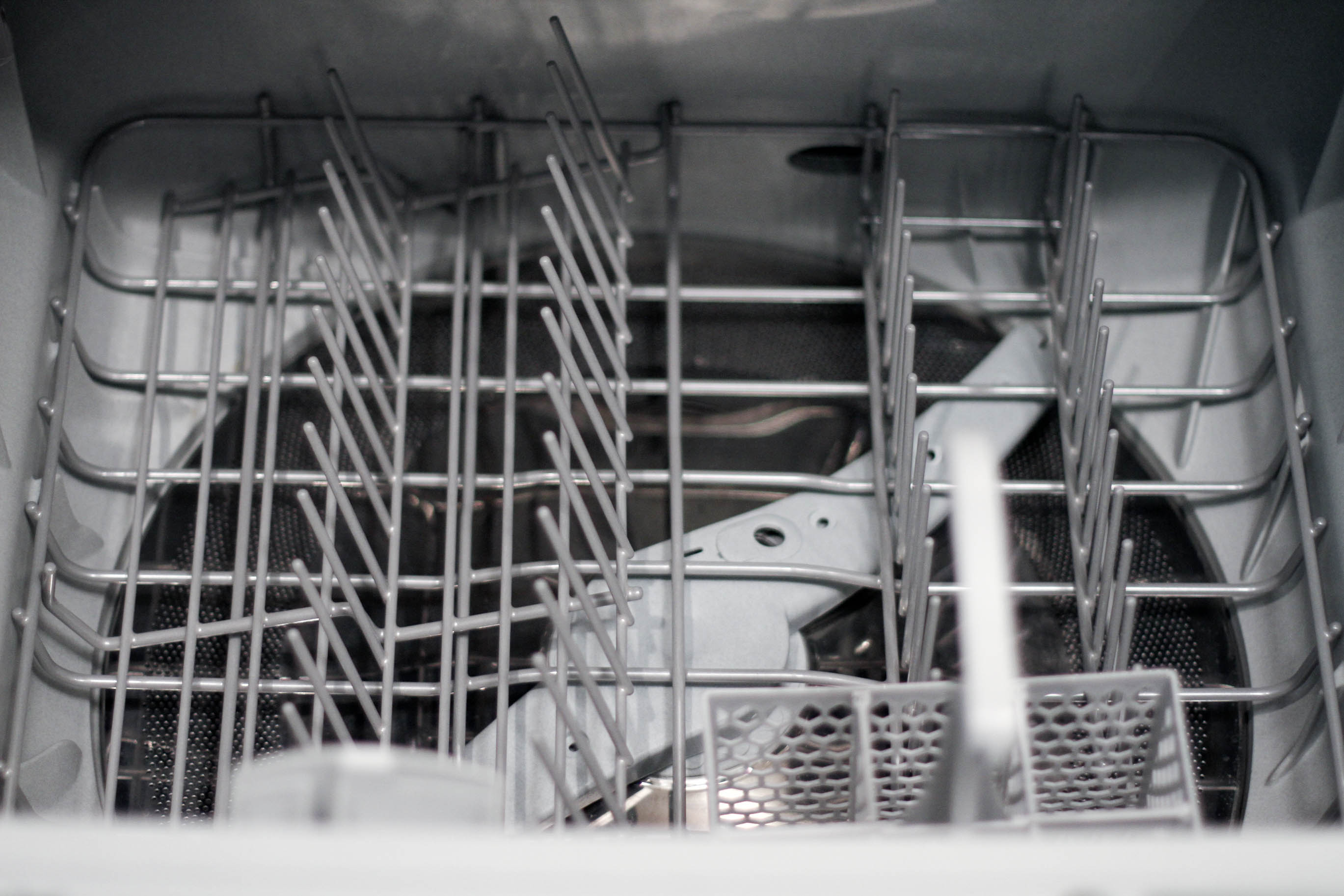
Your dishwasher has one job: make plates sparkle. So it’s deeply rude when it starts growing a dull, chalky film that looks like it’s auditioning for a “before” photo.
If you’re seeing a cloudy white residue on glassware, a greasy-waxy coating on the tub, or a mysterious gray gunk clinging to the filter, you’re likely dealing with soap scum (and its close friend, hard-water mineral buildup).
The good news: you don’t need a hazmat suit or a weekend retreat to fix it. Below is a practical, not-too-fussy, six-step reset that tackles the places scum loves to hide:
the filter, spray arms, door edges, and the tub itself. We’ll also cover why it happened and how to keep it from staging a comeback tour.
What “Soap Scum” in a Dishwasher Actually Is
In showers, soap scum is typically soap + hard-water minerals + body oils. In dishwashers, the cast changes slightly, but the plot is the same:
detergent residue (especially if too much is used or it doesn’t fully dissolve) mixes with minerals from hard water and leftover grease/food particles.
The result can look like:
- White film on dishes or the inside walls (often minerals + detergent residue).
- Waxy, cloudy coating on glassware (frequently hard water + incomplete rinsing).
- Gray slime in the filter or around door seals (grease + trapped debris + detergent gunk).
- Gritty deposits near the heating element or corners (scale buildup from hard water).
Translation: soap scum isn’t just “soap.” It’s the sticky handshake between detergent, minerals, and grimeso you’ll get the best results by cleaning mechanically (scrub + rinse)
and chemically (break down residue with mild acids/alkalis in the right order).
Before You Start: Safety, Supplies, and a Quick Reality Check
Safety notes (quick, important, and mildly dramatic)
- Never mix bleach with vinegar (or any acid). That combo can create dangerous fumes.
- Don’t use bleach in stainless-steel tubs unless your manual explicitly allows it; it can damage stainless components.
- Don’t overdo vinegar. Occasional cleaning is fine for many machines, but frequent acid exposure may wear rubber parts over time. Use it as a periodic tool, not a daily lifestyle.
- Check your owner’s manual if you have a unique filter system, a stainless interior, or a “self-clean” cycle with specific cleaner requirements.
What you’ll need
- Microfiber cloths or soft rags
- Soft toothbrush or small nylon brush
- Dish soap (the gentle kind, not “strip paint off a boat” strong)
- White vinegar (distilled)
- Baking soda
- Optional: citric acid powder or unsweetened lemonade mix (citric acid-based)
- Optional: a dishwasher cleaning tablet (brand of your choice)
- A toothpick or thin wire (for spray arm holes)
Pro tip: Start with an empty dishwasher. You’re cleaning the cleanerno dishes should be caught in the crossfire.
How to Remove Soap Scum from a Dishwasher: 6 Steps
Step 1: Empty it and do a fast “crime scene” check
Remove dishes, utensil baskets, and (if easy) racks. Look for obvious offenders:
paper labels stuck to the bottom, broken glass, twist ties, or a surprise macaroni that’s been living there since last Tuesday.
Wipe out any loose debris from the bottom of the tub with a damp cloth.
If there’s standing water, handle that first (clogged drain/filter issues can make scum worse). Otherwise, move on.
Step 2: Pull the filter and clean it like you mean it
Most modern dishwashers have a removable filter at the bottom. Twist and lift it out (no heroic strength requiredusually).
Rinse it under hot running water. Then scrub gently with a soft brush and a drop of dish soap.
- For slimy scum: scrub the mesh and plastic frame thoroughly, especially seams and corners.
- For chalky deposits: soak the filter in a bowl of warm water with a splash of vinegar for 10–15 minutes, then scrub again.
Rinse well and set aside. The goal is “water flows through freely,” not “still wearing a sweater of gunk.”
Step 3: Unclog spray arms and wipe the door edges + gasket
Soap scum loves hiding in places water barely reaches. Two hot spots: spray arm holes and the door gasket/edges.
Spray arms: If your spray arms pop off easily, remove them and rinse under warm water.
Use a toothpick or thin wire to clear clogged jets. Even a partial clog can reduce water pressure, which leads to poor rinsing (which leads to residue, which leads to you reading this article).
Door edges and gasket: Dip a cloth or toothbrush in warm, soapy water and wipe the rubber seal, door corners, and the bottom edge of the door.
These areas collect greasy detergent film and can cause odors and streaks.
Dry these areas with a clean cloth. (Scum thrives in dampness; don’t give it a spa day.)
Step 4: Run a hot vinegar cycle to break down greasy soap film
Vinegar is a mild acid that helps dissolve mineral haze and cut through detergent buildup. For many dishwashers, a vinegar cycle is a simple, effective reset.
- Place a dishwasher-safe bowl or measuring cup with 1–2 cups of distilled white vinegar on the top or bottom rack (follow your manual’s preference if it specifies).
- Run a hot cycle (heavy/pots & pans is ideal) with no detergent and no dishes.
- Skip heated dry if your manual recommends air-dry for cleaning cycles.
When it’s done, open the door for a few minutes. You’re letting moisture escape and preventing “steamy re-deposit.”
Step 5: Follow with a baking soda quick cycle for deodorizing and residue cleanup
Baking soda is mildly abrasive and great for deodorizing. It also helps lift lingering grime after the vinegar loosened everything.
The key is separate cyclesdon’t toss vinegar and baking soda in together unless you enjoy cleaning foam off your floor.
- Sprinkle 1 cup of baking soda across the bottom of the dishwasher tub.
- Run a short hot cycle (quick wash works if it uses hot water).
After the cycle, wipe any loosened residue from corners and along the bottom lip with a cloth.
Step 6: Target stubborn mineral scale with citric acid or a dishwasher cleaner tablet
If you’re still seeing chalky white scum (especially around the heating element, corners, or along the base),
you’re likely dealing with hard-water scale plus detergent residue. This is where citric acid shines.
Option A: Citric acid (DIY descaling)
- Run an empty hot cycle and add 1–2 tablespoons of citric acid powder to the detergent dispenser or the bottom of the tub (follow product guidance if your citric acid brand specifies amounts).
- If you don’t have citric acid powder, unsweetened lemonade mix (citric acid-based) can work similarly in a pinch.
Option B: Dishwasher cleaner tablet
- Use a commercial dishwasher cleaner as directed (some go in the dispenser; some sit upside down in the bottom rack).
- This is often the easiest route for heavy buildup, especially if your manual recommends specific cleaners.
Once finished, reinstall the filter and racks. Congratulations: your dishwasher is back to acting like a dishwasher.
Troubleshooting: If Soap Scum Keeps Coming Back
If scum returns quickly, the dishwasher may be cleaning “okay” but rinsing poorlyor your water chemistry is working overtime.
Here are common causes and fixes:
1) Hard water (the usual suspect)
Hard water minerals (calcium and magnesium) cling to detergent residue and create that stubborn white film.
If you’re in a hard-water area, consider:
- Using a rinse aid consistently (it helps water sheet off instead of drying into spots).
- Running a monthly cleaning/descaling cycle (vinegar occasionally, citric acid or a cleaner tablet as needed).
- Checking if your dishwasher model uses dishwasher salt (common in some systems) and keeping it filled if applicable.
- Installing a water softener if hard water affects multiple appliances.
2) Too much detergent (more soap is not more clean)
Overfilling the detergent cup can leave residue, especially with hard water or short cycles.
Use the amount recommended for your water hardness and load size. If you’re using pods, avoid doubling up “just in case.”
(The dishwasher is not impressed. It will simply redistribute the excess into a fine, artistic film.)
3) Water isn’t hot enough
Many dishwashers perform best when incoming water is around 120°F.
If your water heater is set low or your kitchen faucet takes forever to heat up, run the hot water at the sink for a minute before starting the dishwasher.
Hotter water helps detergent dissolve and rinse away cleanly.
4) Clogged spray arms or dirty filter
If water can’t spray freely, it can’t rinse freely. Clean the filter and check spray arms monthly (more often if you run the dishwasher daily).
5) Loading issues (yes, we’re going there)
Overloading blocks water flow and traps detergent. Make sure large pans aren’t “shielding” the detergent dispenser or spray path.
Place glasses so they aren’t touching, and avoid nesting bowls like they’re practicing for a synchronized swimming routine.
Prevention: Keep Soap Scum from Moving Back In
- Clean the filter every 3–4 weeks (more often with heavy use).
- Run a maintenance cycle monthly (hot cycle with a cleaner tablet or citric acid; vinegar occasionally if your manual allows).
- Use rinse aidespecially in hard waterto reduce spotting and film.
- Choose the right detergent for your water type (hard water often does better with quality pods or powders plus rinse aid).
- Use hot water smartly: run the kitchen hot tap briefly before starting the dishwasher for better detergent performance.
- Wipe the gasket and door edges weekly if you notice grime building up.
- Skip pre-rinsing in most cases (scrape solids, but modern machines usually don’t need fully rinsed plates).
FAQ
Can I just pour vinegar directly into the bottom of the dishwasher?
Many guides suggest placing vinegar in a bowl/cup on a rack so it disperses during the cycle without immediately draining away.
If your manual specifically instructs otherwise, follow the manual. Either way, don’t combine vinegar with bleach or other cleaners.
Is it okay to use vinegar every week?
Weekly vinegar cleaning is overkill for most households and may wear rubber components over time in some machines.
A monthly maintenance cycle is usually plenty. For persistent hard-water scale, rotate in citric acid or a dishwasher cleaner tablet instead of relying on vinegar constantly.
Why do my dishes look cloudy even after cleaning the dishwasher?
Cloudy glass can be residueor it can be permanent etching caused by minerals and high heat over time.
Try the “vinegar test”: soak the glass in vinegar for a few minutes. If the cloudiness wipes away, it was film. If it doesn’t, it may be etched.
Will baking soda damage my dishwasher?
Baking soda is generally safe for periodic cleaning cycles. Avoid abrasive scrubbing on delicate finishes, and don’t overuse gritty methods on stainless interiors.
Real-World Experiences and Lessons Learned (Bonus 500+ Words)
Cleaning advice looks beautifully simple on the internet: “Run vinegar! Sprinkle baking soda! Live happily ever after!”
In actual kitchenswhere someone keeps loading peanut butter knives like it’s performance artsoap scum problems tend to be a little more… personal.
Here are patterns homeowners commonly run into, what they try first, and what ends up making the biggest difference.
Experience #1: “My dishwasher is clean, but my glasses still look haunted.”
One of the most common complaints is that the dishwasher tub looks fine, yet glassware comes out cloudy.
People often assume the dishwasher is “dirty,” so they clean the interior repeatedly. But the real culprit is frequently hard water + incomplete rinsing.
What helps in the real world is a combination approach: a rinse aid (to improve sheeting), correct detergent dosing (often less than people think),
and hotter water performance (running the hot tap before starting the cycle).
A practical example: someone switches from a random bargain detergent to a reputable pod or powder, adds rinse aid, and suddenly the “white film mystery” stops.
Not because the dishwasher became a better person overnightbecause the chemistry finally matched the water conditions.
Experience #2: “I cleaned with vinegar and baking soda at the same time and… now my kitchen smells like a science fair.”
Vinegar plus baking soda makes satisfying fizz, which tricks people into thinking “fizz = cleaning power.”
In practice, combining them at once mostly neutralizes their strengths, and the foam can be messy.
People who get the best results almost always use them in sequence: vinegar cycle first, then baking soda cycle.
That order mirrors what happens when you degrease and loosen deposits (vinegar), then freshen and lift residue (baking soda).
Experience #3: “The smell won’t go away, and I’m starting to take it personally.”
Persistent odor usually means something trapped and damp: gunk in the filter, slime around the gasket, or debris stuck near the bottom.
Folks often run cleaning cycles repeatedly without touching the filterbecause filters are out of sight, out of mind, and occasionally out of courage.
But the moment the filter is removed, rinsed, and scrubbed, the odor often improves immediately.
The other underappreciated odor source is the door edge: that narrow strip along the bottom and the corners where water splashes but doesn’t fully flush.
A quick weekly wipe there can prevent the “dishwasher funk” from becoming a permanent houseguest.
Experience #4: “I used more detergent, and somehow everything got worse.”
This one is painfully common. When results get bad, people add more detergent, switch to extra-strong cycles, or run the dishwasher twice.
If hard water is involved, extra detergent can actually make residue worsebecause the minerals bind with detergent components and redeposit.
Many people only see improvement after they do the counterintuitive thing: reduce detergent to the recommended amount, add rinse aid,
and ensure the water is hot enough to dissolve detergent fully.
Experience #5: “My dishwasher ‘works,’ but it only works if I pre-rinse everything like I’m doing dishes anyway.”
Heavy pre-rinsing can sometimes reduce how well modern dishwashers clean because sensors and detergents are designed to grab onto soils.
Real-life compromise tends to work best: scrape solids, avoid loading plates with thick clumps, but don’t rinse until plates look already clean.
Then focus on the machine’s ability to rinse: clear spray arms, clean filter, correct loading, proper detergent and rinse aid.
The big takeaway from real kitchens is this: soap scum issues are rarely solved by one magic ingredient.
They’re solved by restoring good water flow (filter + spray arms), using the right chemistry (detergent + rinse aid + occasional descaling),
and running cycles that actually reach effective temperatures. Do that, and your dishwasher stops leaving “artistic interpretations” of cleanliness on your dishes.
Conclusion
Soap scum in a dishwasher is annoying, but it’s also fixableand usually without special tools.
Clean the filter, clear spray arms, wipe the seals, then run a vinegar cycle followed by a baking soda cycle.
If hard water is part of your life story, add a citric-acid descaling step or use a dishwasher cleaner tablet periodically.
With a little maintenance (and less detergent bravado), you’ll get back to dishes that look clean instead of “clean-ish.”













