
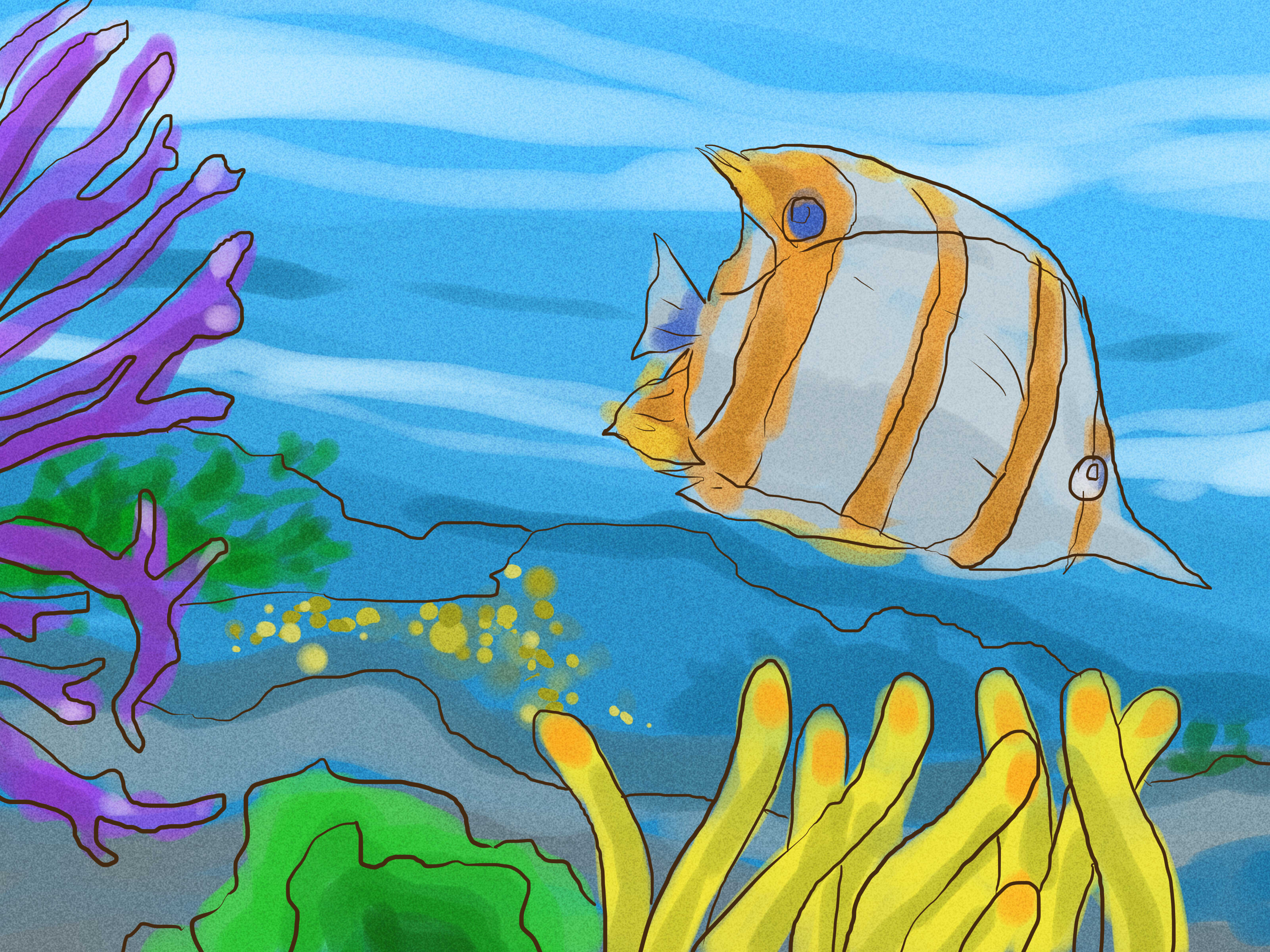
Snorkeling looks simple from the beach: put on a mask, float around, admire fish, and return looking like the star of your own travel commercial. In real life, beginners often discover a few surprises: masks fog, fins feel like duck feet, waves have opinions, and breathing through a tube can feel suspiciously like learning to be a calm, polite sea creature.
The good news? Snorkeling is one of the most beginner-friendly ways to explore the underwater world. You do not need scuba certification, heavy tanks, or the lung capacity of a dolphin. You do need the right gear, basic water confidence, safe conditions, and a little practice before you chase your first parrotfish with your eyes, not your fins.
This complete beginner’s guide explains how to snorkel safely, how to choose snorkeling gear, how to breathe through a snorkel, how to avoid common mistakes, and how to protect reefs while enjoying them. Think of it as your friendly pre-ocean briefingminus the whistle, clipboard, and dramatic lifeguard sunglasses.
What Is Snorkeling?
Snorkeling is swimming at or near the surface while wearing a mask, snorkel, and usually fins. The mask lets you see clearly underwater, the snorkel lets you breathe while your face is in the water, and the fins help you move efficiently without exhausting yourself. Unlike scuba diving, snorkeling usually keeps you close to the surface, making it accessible for families, vacationers, and curious beginners.
The best snorkeling happens in calm, clear water with gentle entry points, good visibility, and healthy marine life. Popular snorkeling destinations include coral reefs, protected bays, springs, lagoons, and rocky shorelines. But even the prettiest water deserves respect. The ocean is not a swimming pool with better decorations; it changes constantly.
Essential Snorkeling Gear for Beginners
1. Snorkel Mask
Your mask is the difference between “Wow, look at that sea turtle!” and “Why is my face aquarium leaking?” A good snorkeling mask should seal comfortably around your face without painful pressure. To test the fit, place the mask on your face without using the strap, inhale gently through your nose, and see if it stays in place for a moment. If it drops immediately, it probably will not seal well in the water.
Choose a mask with tempered glass lenses, a soft silicone skirt, and an adjustable strap. Avoid masks that pinch your nose, press hard on your forehead, or leave gaps near the cheeks. Facial hair can interfere with the seal, so beginners with mustaches may need extra patience, trimming, or mask seal products.
2. Snorkel Tube
The snorkel is the breathing tube attached to your mask strap. Basic snorkels are simple and reliable. Semi-dry snorkels have splash guards to reduce water entry. Dry snorkels include a valve designed to close when submerged, which can help beginners but may feel bulkier.
For your first trip, pick a comfortable snorkel with a soft mouthpiece. If your jaw gets tired after five minutes, that snorkel is not your new best friend. It is a tiny plastic gym workout for your face.
3. Fins
Fins help you glide instead of flail. Full-foot fins work well in warm water and are worn barefoot. Open-heel fins are worn with booties and are useful in rocky areas or cooler water. Beginners should choose fins that fit snugly but do not squeeze. If they are too loose, they may escape dramatically at the worst possible moment.
Shorter fins are easier for beginners to control, especially in shallow areas. Long fins offer more power but require better technique. Your goal is smooth movement, not starting a personal underwater tornado.
4. Snorkel Vest or Flotation Aid
A snorkel vest is highly recommended for beginners, nervous swimmers, children, and anyone snorkeling in open water. It helps you float without constant effort and can be adjusted by adding or releasing air. It is not a substitute for swimming ability, but it adds a valuable layer of comfort and safety.
5. Rash Guard and Sun Protection
Water reflects sunlight, and your back becomes a solar panel when you float face-down. A long-sleeve rash guard, swim leggings, and a hat for boat rides can reduce sun exposure. Use mineral-based, reef-conscious sunscreen where appropriate, and apply it before entering the water so it has time to set.
How to Snorkel Step by Step
Step 1: Practice Before You Enter Deep Water
Start in a pool, shallow beach area, or calm sandy spot. Put on your mask and snorkel, place your face in the water, and practice breathing slowly through your mouth. At first, it may feel strange. Your brain may announce, “Excuse me, we are underwater,” even though the snorkel is doing exactly what it should.
Take slow, steady breaths. Avoid short, panicky breathing. Snorkeling works best when you relax your body, float naturally, and let the gear help you.
Step 2: Get a Good Mask Seal
Move hair away from your forehead before putting on the mask. Position the mask gently over your eyes and nose, then pull the strap over the back of your head. Do not overtighten it. A tight mask can actually leak more because it distorts the silicone skirt. The strap should hold the mask in place, not squeeze your face into a new shape.
Step 3: Learn to Clear Water From Your Snorkel
Sometimes water enters the snorkel. That is normal. To clear it, exhale forcefully through the snorkel with a quick blast of air. Many snorkels also have a purge valve near the mouthpiece to help drain water. Practice this skill before swimming far from shore.
Step 4: Float First, Swim Second
Beginners often work too hard. Instead of kicking constantly, float on the surface with your arms relaxed and your legs extended behind you. Use slow kicks from the hips, not frantic bicycle kicks from the knees. Smooth finning saves energy, protects coral, and makes you look much less like a confused blender.
Step 5: Keep Your Hands to Yourself
One of the most important snorkeling rules is simple: look, do not touch. Coral can be fragile, sharp, and easily damaged. Marine animals can be stressed or injured by handling, and some can sting, bite, scrape, or poke back. Even a gentle touch can remove protective coatings from fish or harm delicate reef organisms.
Step 6: Stay Aware of Your Location
Lift your head occasionally to check your position. Beginners sometimes drift farther than expected because they are busy watching fish conduct tiny underwater business meetings. Note landmarks on shore, your boat location, current direction, and your buddy’s position.
Beginner Snorkeling Safety Tips
Never Snorkel Alone
Use the buddy system every time. A buddy can help if you get tired, lose a fin, swallow water, or simply need someone to confirm that yes, the fish you saw really did look like it was judging you. Stay close enough to communicate and check in often.
Choose Calm, Lifeguarded Water
For your first snorkeling experience, choose a calm beach with lifeguards, gentle entry, and little boat traffic. Avoid rough surf, strong wind, poor visibility, stormy weather, and areas with posted warnings. If you are unsure, ask a lifeguard or local operator before entering. The classic rule “When in doubt, don’t go out” is not dramatic; it is excellent ocean math.
Know Your Limits
You should be comfortable swimming before snorkeling. If you are not a strong swimmer, take lessons first and use flotation support. Stay shallow, remain near shore, and avoid chasing marine life into deeper water. Snorkeling is supposed to be relaxing, not a surprise endurance exam.
Avoid Alcohol Before Snorkeling
Save celebratory drinks for after the water session. Alcohol can affect judgment, coordination, breathing, and reaction time. The ocean already has enough variables; do not add “margarita decision-making” to the list.
Be Careful With Full-Face Snorkel Masks
Full-face snorkel masks allow breathing through the nose and mouth, but beginners should use caution. Some safety concerns involve fit, air exchange, pressure, and difficulty removing the mask quickly in an emergency. If you use one, choose a reputable brand, read the instructions carefully, test it in shallow water, and do not use it for breath-hold diving below the surface.
Understand Currents and Rip Currents
Currents can move snorkelers without obvious warning. If caught in a current, do not panic and do not waste energy fighting directly against it. Signal for help if needed, float, and swim parallel or diagonally toward safer water when possible. Before entering, observe the water for several minutes and look for waves, channels, whitewater, or fast-moving surface patterns.
Common Snorkeling Mistakes Beginners Make
Mistake 1: Overtightening the Mask
A mask should seal, not crush. If your mask leaks, check for hair, wrinkles in the silicone skirt, or poor fit before tightening the strap. A properly fitted mask often needs surprisingly little strap pressure.
Mistake 2: Standing on Coral
Never stand on coral. If you need to rest, float on your back, use a snorkel vest, or stand only on bare sand where allowed and safe. Coral reefs are living habitats, not underwater sidewalks.
Mistake 3: Kicking Too Hard
Big kicks stir sediment, scare wildlife, and can damage reefs. Keep fins below the surface when possible and use small, controlled movements. Efficient snorkeling is quiet snorkeling.
Mistake 4: Ignoring the Weather
Beautiful beaches can become risky when wind, waves, or storms arrive. Check conditions before going, and keep checking while you are there. If the water turns choppy or visibility drops, end the session early. The fish will not be offended.
Mistake 5: Feeding Fish
Feeding marine life may seem harmless, but it can disrupt natural behavior, change feeding patterns, and make animals more aggressive around people. Bring snacks for yourself, not the reef community.
How to Breathe While Snorkeling
The secret to breathing through a snorkel is rhythm. Bite gently on the mouthpiece, seal your lips around it, and inhale slowly through your mouth. Exhale fully and calmly. Keep your tongue lightly near the roof of your mouth if tiny splashes enter the tube; this can help prevent surprise water from rushing straight toward your throat.
If you feel anxious, lift your head, float on your back, or stand in a safe sandy area if conditions allow. Remove the snorkel from your mouth and breathe normally. Do not force yourself to continue if you feel uncomfortable. Confidence grows with short, successful practice sessions.
How to Defog a Snorkel Mask
Mask fog happens when warm, moist air inside the mask condenses on the cooler lens. Use a commercial defog solution or a small amount of baby shampoo diluted with water. Rinse lightly so the lens is clear but still treated. Avoid touching the inside of the lens afterward.
New masks may have a manufacturing film on the lens, so they often need extra cleaning before first use. Follow the manufacturer’s instructions. A clean mask makes the underwater view sharper and reduces the temptation to adjust your gear every 12 seconds like a nervous raccoon.
Best Places for Beginners to Snorkel
Beginner-friendly snorkeling spots usually have calm water, easy beach entry, shallow reefs or rocky habitats, good visibility, and lifeguards or professional guides nearby. Protected bays, marine sanctuaries, and guided boat tours can be excellent choices. In the United States, many travelers learn in places like Hawaii, the Florida Keys, the U.S. Virgin Islands, and parts of California and Puerto Rico.
When booking a tour, look for operators who provide safety briefings, properly fitted gear, flotation options, reef etiquette education, and clear instructions for beginners. A good guide does more than point at fish; they help you stay safe, calm, and respectful of the marine environment.
Snorkeling Etiquette: How to Be a Good Ocean Guest
Snorkeling etiquette is mostly common sense wearing fins. Keep distance from marine animals, never chase turtles or rays, avoid blocking other snorkelers, and give wildlife a clear escape path. Take only photos, leave only bubbles, and secure any trash so it does not blow into the water.
If you use an underwater camera, remember that the reef is not a photo studio. Do not grab coral for balance or crowd animals for a closer shot. The best wildlife encounters happen when you stay still and let the ocean come to you.
What to Do After Snorkeling
Rinse your mask, snorkel, fins, and vest with fresh water after each session. Salt, sand, and sunscreen can shorten the life of your gear. Let everything dry fully before storing it to prevent mildew and funky smells. Your future self will appreciate gear that smells like adventure, not a forgotten gym bag.
Drink water, reapply sun protection, and rest if you feel tired. Snorkeling can be deceptively active, especially in sun and salt water. If you swallowed seawater, take a break. Everyone does it eventually; the ocean is generous and occasionally rude.
Beginner Snorkeling Checklist
- Well-fitting mask
- Comfortable snorkel with soft mouthpiece
- Properly sized fins
- Snorkel vest or flotation aid
- Rash guard or sun-protective clothing
- Reef-conscious sunscreen
- Water bottle
- Buddy or guided group
- Knowledge of local conditions
- Safe entry and exit plan
Conclusion: Snorkeling Is Easy When You Respect the Basics
Learning how to snorkel is not about being fearless. It is about being prepared. Start in calm water, use gear that fits, breathe slowly, stay with a buddy, and choose safe conditions. Once those basics become comfortable, snorkeling opens a world of color, movement, and quiet wonder just below the surface.
The best snorkelers are not the fastest swimmers or the boldest adventurers. They are the calm observersthe people who float gently, protect the reef, give animals space, and return with stories that begin, “You will not believe what I saw under there.” With practice, patience, and respect for the ocean, your first snorkeling trip can become the beginning of a lifelong love for the underwater world.
Extra Beginner Experiences: What Snorkeling Feels Like the First Time
Your first snorkeling experience may begin with a heroic vision. You imagine yourself gliding effortlessly above coral gardens while sunlight dances through turquoise water. Then reality arrives: one fin is twisted, your mask strap catches your hair, and your snorkel mouthpiece makes you look like you are negotiating with a rubber banana. This is normal. Every confident snorkeler was once a beginner making tiny adjustments at the shoreline.
The first big moment comes when you put your face in the water and breathe. At first, your brain may not trust the snorkel. It has spent your entire life believing that face-in-water means “stop breathing immediately.” Give yourself a minute. Float in shallow water, hold your buddy’s hand if needed, and take slow breaths. After a few calm cycles, the weirdness fades. Suddenly, you are breathing while watching sand ripple below you. Congratulations: you have unlocked beginner mermaid mode.
Another common beginner experience is mask fog. You may think something is wrong with your eyes, the ocean, or perhaps reality itself. Usually, the mask just needs defogging. Pause, fix it, and restart. Snorkeling rewards patience. The ocean is not going anywhere, though one particularly interesting fish absolutely will vanish the moment you try to show someone.
Many beginners also kick too much. They see experienced snorkelers moving smoothly and assume speed is the goal. It is not. The magic happens when you slow down. Float quietly near the surface and let your breathing settle. Small fish may come out from coral heads. A ray may pass along the sand. Sea grass may reveal tiny creatures you would miss while charging around like a caffeinated seal.
If you join a guided tour, listen closely to the briefing. Guides often explain currents, entry points, wildlife rules, and signals. These details may sound basic on land, but they become very useful once you are floating in bright water with waves tapping your snorkel. A good guide can also help adjust your mask, recommend a flotation vest, and point out marine life without disturbing it.
One of the best beginner tips is to define success simply. Your first snorkeling trip does not need to include deep water, rare animals, or a perfect underwater photo. Success can mean breathing calmly for ten minutes, seeing one colorful fish, learning to clear your snorkel, and getting out of the water smiling. That is not a small achievement. That is the foundation for every better snorkeling adventure ahead.
After the session, talk about what worked and what did not. Did your fins rub? Did your mask leak? Did you feel nervous when the bottom got deeper? These notes help you improve next time. Snorkeling is part skill, part comfort, and part learning how your body responds in open water. With each trip, you become more relaxed, more observant, and less likely to accidentally drink half the ocean.
Most beginners discover that snorkeling is not just an activity; it is a change of pace. On land, everything is alerts, traffic, schedules, and screens. Underwater, the rules are slower. Breathe. Float. Look. Respect. Repeat. Once you understand that rhythm, snorkeling becomes less like a sport and more like visiting a quiet neighborhood where the locals have fins, shells, and absolutely no interest in your inbox.














