
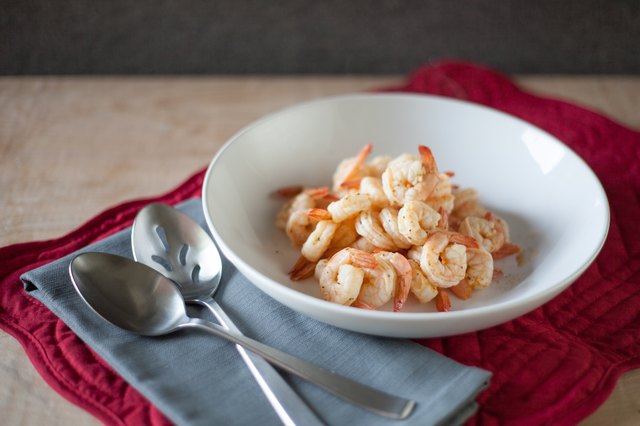
Learning how to steam shrimp with Old Bay is one of those kitchen skills that delivers an unreasonable amount of deliciousness for very little work. You need one pot, a steamer basket, a pound of shrimp, and roughly enough time to decide which cold beverage should accompany dinner.
The technique is simple, but shrimp are speedy little creatures even after they leave the ocean. They can go from juicy and tender to rubber bands wearing seafood costumes in less than a minute. The secret is to use flavorful steaming liquid, keep the shrimp above that liquid, cover the pot tightly, and begin checking early.
This guide explains the complete Old Bay steamed shrimp recipe, including how to choose shrimp, prepare fresh or frozen seafood, determine the correct cooking time, avoid common mistakes, and serve your finished shrimp like a Chesapeake Bay regular.
Why Steam Shrimp Instead of Boiling Them?
Boiling submerges shrimp in hot liquid. Steaming suspends them above simmering liquid and cooks them with moist heat. Both methods can produce good seafood, but steaming gives you greater control over texture and helps the seasoning remain on the surface of the shrimp.
Because the shrimp are not swimming in a large pot of water, their natural sweetness is less likely to become diluted. Old Bay also clings to the shells and exposed flesh instead of drifting away into several quarts of cooking liquid.
Steaming is especially useful for peel-and-eat shrimp. The shells trap moisture, protect the delicate meat, and collect all those spicy, celery-scented droplets. Peeling them at the table may be messy, but that is why napkins were invented.
What Is Old Bay Seasoning?
Old Bay is a famous Chesapeake Bay seasoning blend introduced in Maryland in the twentieth century. The exact formula is proprietary, but the blend is known for savory, salty, peppery, and warmly spiced flavors associated with ingredients such as celery salt, paprika, and red and black pepper.
It is closely associated with crab, shrimp, seafood boils, and Maryland cooking, although enthusiastic fans also shake it over fries, popcorn, corn, chicken, eggs, and almost anything else that stands still long enough.
Old Bay already contains salt, so taste before adding extra. A generous coating is wonderful; accidentally turning the shrimp into ocean-flavored salt licks is less wonderful.
Ingredients for Old Bay Steamed Shrimp
This recipe makes approximately four appetizer servings or two generous main-dish servings.
- 1 pound large raw shrimp, preferably shell-on and deveined
- 1/2 cup water
- 1/2 cup beer or apple cider vinegar
- 2 tablespoons Old Bay seasoning, divided
- 1 lemon, cut into wedges
- 2 tablespoons melted butter, optional
- Cocktail sauce or rémoulade for serving
Should You Use Beer or Vinegar?
Beer creates a rounded, slightly malty aroma that works especially well with butter and lemon. A mild lager is ideal. This is not the moment to deploy a bitter double IPA that tastes like it was brewed inside a pine tree.
Apple cider vinegar produces a sharper Chesapeake-style fragrance and balances the shrimp’s sweetness. It does not make the finished shrimp aggressively sour because the seafood sits above the liquid rather than in it.
You may also use half beer and half vinegar within the total quantity. Plain water works in an emergency, although beer or vinegar contributes more personality.
Choosing the Best Shrimp for Steaming
Size
Large or extra-large shrimp are easiest to steam without overcooking. Package labels can be inconsistent, so pay attention to the count printed on the bag. A label such as 31/40 means there are approximately 31 to 40 shrimp per pound.
For this recipe, shrimp in the 21/25, 26/30, or 31/40 range work well. Smaller shrimp cook so quickly that the margin between tender and chewy becomes inconveniently narrow.
Shell-On or Peeled
Shell-on shrimp are the best choice for a traditional peel-and-eat presentation. Their shells protect the meat, retain moisture, and hold plenty of Old Bay. They are also more forgiving if you leave the pot covered for an extra thirty seconds.
Peeled shrimp are convenient and absorb seasoning directly. However, they cook slightly faster and can dry out more easily. Leaving the tails attached creates an easy handle for dipping.
Fresh or Frozen
High-quality frozen shrimp are often an excellent option. Much of the shrimp sold as “fresh” at seafood counters was previously frozen anyway. Look for shrimp with a clean appearance, intact shells, and no heavy freezer burn.
Thaw frozen shrimp overnight in the refrigerator or place them in a sealed bag and submerge the bag in cold water. Another fast method is to put the shrimp in a bowl under gently running cold water. Do not use hot water, which can warm the exterior while the center remains frozen.
After thawing, drain and pat the shrimp dry. Excess water can wash away seasoning and unnecessarily cool the steaming environment.
Equipment You Will Need
- A medium or large pot with a tight-fitting lid
- A steamer basket, metal colander, or raised steaming rack
- Tongs or a large spoon
- An instant-read thermometer, optional but helpful
The basket must hold the shrimp above the liquid. If the bottom of the basket sits in the beer or vinegar mixture, you are boiling the shrimp while calling it steaming, and the shrimp know what you did.
How to Steam Shrimp Without a Steamer Basket
A heat-safe metal colander that fits inside a covered pot works well. You can also place three loose balls of aluminum foil in the bottom of the pot and set a heat-safe plate on top. Make sure the plate is stable, remains above the liquid, and leaves enough space around its edges for steam to circulate.
How to Steam Shrimp With Old Bay Step by Step
Step 1: Prepare the Shrimp
Rinse the thawed shrimp briefly under cold water and drain thoroughly. If the shrimp have not been deveined, use kitchen shears or a small knife to cut along the back and remove the dark intestinal vein.
You can leave the shells completely intact or split them slightly along the back. Splitting the shells makes peeling easier and allows more seasoning to reach the meat.
Step 2: Season Generously
Place the shrimp in a large bowl and toss them with about 1 1/2 tablespoons of Old Bay. Coat them evenly rather than allowing all the seasoning to collect on three lucky shrimp at the bottom.
Let the seasoned shrimp stand in the refrigerator for five to ten minutes while you prepare the pot. Avoid leaving raw shrimp at room temperature while completing other tasks.
Step 3: Prepare the Steaming Liquid
Add 1/2 cup water and 1/2 cup beer or apple cider vinegar to the pot. The total amount may need slight adjustment depending on the width of your pot, but it should remain below the steamer basket.
Bring the mixture to a strong simmer over medium-high heat. You want a steady supply of steam before adding the shrimp. Starting them over barely warm liquid leads to uneven cooking and makes timing more difficult.
Step 4: Add the Shrimp
Arrange the shrimp in the steamer basket in a loose, even layer. A little overlap is acceptable, but avoid packing them into a dense seafood tower. Steam must circulate around the shrimp to cook them evenly.
Set the basket over the simmering liquid and immediately cover the pot with a tight-fitting lid.
Step 5: Steam Until Just Cooked
Steam large shrimp for approximately four to five minutes. Extra-large shell-on shrimp may need five to six minutes, while medium or peeled shrimp may finish in three to four minutes.
If the shrimp are stacked in more than one layer, carefully toss or rotate them once halfway through cooking. Replace the lid quickly so the pot does not lose too much steam.
Step 6: Check for Doneness
Properly cooked shrimp should be opaque, pearly white through the center, and pink or reddish on the exterior. The texture should be firm but still springy.
The shape also provides a useful clue. Gently curved shrimp resembling the letter “C” are usually cooked properly. Shrimp curled into tight circles have often gone too far. Think “C” for cooked and “O” for “Oh no, I checked my phone.”
For an additional safety check, seafood can be cooked to an internal temperature of 145 degrees Fahrenheit. Insert an instant-read thermometer into the thickest part of one of the largest shrimp.
Step 7: Season and Serve Immediately
Remove the basket from the pot as soon as the shrimp are done. Transfer them to a serving bowl and sprinkle with the remaining Old Bay. Add melted butter if desired and toss gently.
Serve hot with lemon wedges, cocktail sauce, rémoulade, or garlic butter. Provide an empty bowl for shells and enough napkins to handle a minor condiment incident.
Old Bay Shrimp Steaming-Time Guide
| Shrimp Size | Approximate Count Per Pound | Estimated Steaming Time |
|---|---|---|
| Medium | 41/50 | 3 to 4 minutes |
| Large | 31/40 | 4 to 5 minutes |
| Extra-large | 26/30 | 4 to 6 minutes |
| Jumbo | 21/25 | 5 to 6 minutes |
These times are estimates, not sacred seafood law. The exact cooking time depends on shrimp size, starting temperature, shell status, pot design, heat level, and how densely the basket is filled. Begin checking at the earliest suggested time.
How to Make Quick Cocktail Sauce
Stir together the following ingredients:
- 1/2 cup ketchup
- 1 to 2 tablespoons prepared horseradish
- 1 teaspoon lemon juice
- 1/2 teaspoon Worcestershire sauce
- A dash of hot sauce
- A pinch of Old Bay
Refrigerate the sauce until serving. Start with one tablespoon of horseradish and add more according to your preferred sinus-clearing intensity.
Flavor Variations
Garlic-Butter Old Bay Shrimp
Melt three tablespoons of butter with one finely grated garlic clove. Toss the cooked shrimp with the garlic butter, lemon juice, and a light final dusting of Old Bay.
Spicy Steamed Shrimp
Add cayenne pepper or crushed red pepper to the seasoning mixture. Serve with hot sauce and a cooling lemon-mayo dip.
Lemon-Herb Shrimp
Add lemon slices to the steaming liquid and finish the shrimp with chopped parsley, chives, or dill. The herbs provide freshness without competing with the seafood seasoning.
Maryland-Style Peel-and-Eat Shrimp
Use shell-on shrimp, apple cider vinegar in the steaming liquid, and an enthusiastic coating of Old Bay. Serve the shrimp on a newspaper-lined table with corn, cold drinks, lemon wedges, and absolutely no concern for formal dining etiquette.
Common Mistakes to Avoid
Putting the Shrimp in Cold Steam
Bring the liquid to a strong simmer before adding the basket. Otherwise, the shrimp warm slowly and cook unevenly.
Letting the Liquid Touch the Shrimp
The shrimp should remain above the water, beer, or vinegar. Check the liquid level before placing the basket in the pot.
Overcrowding the Basket
A thick pile prevents steam from circulating efficiently. Steam in two batches when necessary. The second batch will cook quickly because the pot is already hot.
Using Precooked Shrimp
This method is intended for raw shrimp. Steaming fully cooked shrimp again usually makes them tough. Precooked shrimp only need gentle reheating, preferably with lower heat and close attention.
Walking Away From the Pot
Shrimp cook in minutes. This is not the time to reorganize a pantry, answer a complicated email, or investigate why the dog suddenly became quiet.
Adding Too Much Extra Salt
Old Bay contains salt, and salted butter or dipping sauces contribute more. Taste the finished shrimp before adding additional salt.
What to Serve With Old Bay Steamed Shrimp
Old Bay steamed shrimp can be an appetizer, snack, or full meal. For a casual seafood spread, pair them with:
- Corn on the cob
- Roasted or boiled baby potatoes
- Coleslaw
- Crusty bread
- French fries seasoned with Old Bay
- A green salad with lemon vinaigrette
- Macaroni salad or potato salad
- Grilled vegetables
Leftover chilled shrimp can be used in shrimp rolls, pasta salad, tacos, lettuce cups, or a traditional shrimp cocktail.
How to Store Leftover Steamed Shrimp
Refrigerate cooked shrimp in a shallow airtight container within two hours of cooking, or within one hour when the surrounding temperature is above 90 degrees Fahrenheit. Keep the refrigerator at 40 degrees Fahrenheit or colder.
For best quality, eat refrigerated cooked shrimp within three to four days. Discard shrimp that develop an unpleasant ammonia-like odor, slimy texture, or other obvious signs of spoilage.
Reheat leftovers gently and only until warm. High heat or prolonged reheating makes shrimp chewy. Cold leftover shrimp are often better than aggressively reheated shrimp and are excellent with cocktail sauce or in a salad.
Practical Experiences and Kitchen Lessons
The biggest lesson from repeated batches of Old Bay steamed shrimp is that the clock is only one part of the process. Two bags labeled “large shrimp” can contain noticeably different sizes. One batch may finish in four minutes, while another needs nearly six. Watching the shrimp is more reliable than blindly trusting a timer.
Shell-on shrimp consistently produce the juiciest results. The difference is especially noticeable when serving a group because a crowded basket takes slightly longer to heat. The shells create a small buffer against overcooking and hold seasoning beautifully. Peeled shrimp remain convenient for salads or tacos, but they require faster reflexes.
A second useful lesson concerns the steaming liquid. Beer gives the kitchen a cozy, malty seafood-house aroma, but the finished flavor is subtle. Vinegar smells sharper while cooking, yet the shrimp do not taste pickled. A half-beer, half-vinegar combination offers a pleasant balance and makes the steaming liquid smell far more complicated than the effort involved.
The amount of Old Bay is personal. Two tablespoons per pound creates a confidently seasoned batch without burying the sweetness of the shrimp. People who love intense Chesapeake flavor can add another teaspoon after cooking. Adding the final layer while the shrimp are still hot helps the seasoning adhere.
Timing becomes easier when the shrimp are arranged by size. If a package contains a few unusually large shrimp, place those near the center or hottest part of the basket. Smaller shrimp can go around the outside. When every shrimp is tossed into a deep pile, the bottom layer often finishes before the top layer has become fully opaque.
One of the most common disappointments happens after the cooking is complete. Leaving the shrimp inside the covered basket allows residual steam to continue cooking them. Removing the basket immediately is as important as turning off the burner. Transfer the shrimp to a wide platter so heat can escape instead of collecting in the bottom of a deep bowl.
Serving temperature changes the experience. Straight-from-the-pot shrimp are aromatic, juicy, and excellent with melted butter. Room-temperature shrimp develop a firmer bite and work well for parties. Properly chilled shrimp are ideal with cocktail sauce. For cold service, spread the cooked shrimp on a sheet pan and refrigerate them promptly rather than leaving a hot mound on the counter.
The most practical entertaining approach is to prepare the sauces and side dishes first. Once the shrimp enter the steamer, the meal is only minutes away. Cocktail sauce can be made earlier in the day, vegetables can be cooked in advance, and the table can be set before the burner is turned on. That prevents the familiar dinner-party situation in which the shrimp are perfect but everyone is still searching for forks.
Finally, steamed shrimp are supposed to be a little messy. Shells, lemon juice, butter, and seasoning will migrate toward fingers, napkins, and possibly shirt sleeves. Embrace the casual presentation. Put a bowl for discarded shells on the table, provide damp towels, and let the meal behave like the relaxed seafood feast it was always meant to be.
Frequently Asked Questions
Can I steam frozen shrimp without thawing them?
You can, but thawing is preferable because it promotes even cooking and allows the Old Bay to adhere properly. Frozen shrimp also release water, which can dilute surface seasoning and make timing unpredictable.
How much Old Bay should I use per pound of shrimp?
Start with about two tablespoons per pound, using most before steaming and reserving a little for finishing. Reduce the quantity for a milder result or increase it gradually after tasting.
Can I use peeled and deveined shrimp?
Yes. Peeled shrimp absorb seasoning quickly and are convenient to eat. Begin checking them about one minute earlier than comparable shell-on shrimp.
Why are my steamed shrimp tough?
They were most likely overcooked or left in the hot covered basket after the burner was turned off. Remove shrimp as soon as they become opaque and gently curved.
Can I double the recipe?
Yes, provided the steamer basket is large enough to hold the shrimp without severe overcrowding. Two separate batches usually cook more evenly than one enormous batch.
Conclusion
Once you know how to steam shrimp with Old Bay, you have a fast appetizer, easy weeknight dinner, and crowd-friendly seafood recipe available at a moment’s notice. Use raw shell-on shrimp for the most forgiving texture, season them generously, and keep them above a simmering mixture of water and beer or apple cider vinegar.
Most large shrimp need only four to five minutes. Watch for opaque flesh, pink shells, and a relaxed C-shaped curve. Remove them from the steamer immediately, finish with more Old Bay and lemon, and serve before anyone has time to ask why dinner seemed suspiciously easy.













