
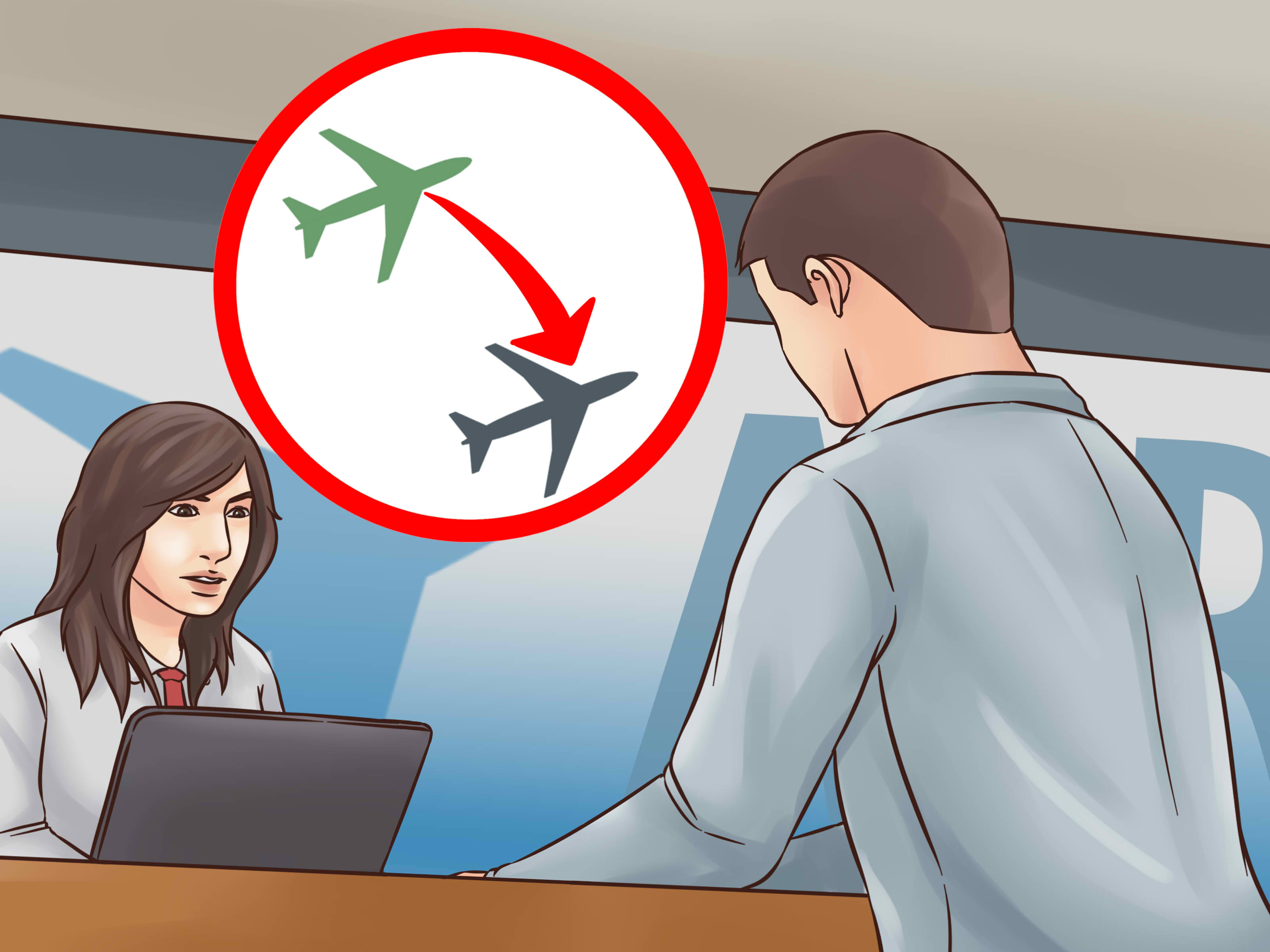
Switching flights at Los Angeles International Airport can feel like entering a transportation-themed escape room: terminals shaped like a horseshoe, rolling suitcases with opinions, and gate changes that appear exactly when you finally sit down. The good news? LAX is much easier to navigate when you understand the basic system.
This guide walks you through how to switch flights in LAX in 13 practical steps, whether you are connecting from domestic to domestic, domestic to international, or international to another U.S. flight. You will learn how to check your terminal, move between terminals, handle checked bags, clear customs, pass through security again when needed, and avoid the classic LAX mistake: assuming “nearby” means “quick.”
Before You Switch Flights at LAX: Know the Airport Layout
LAX has multiple passenger terminals arranged in a U-shaped Central Terminal Area. Terminal 1, Terminal 2, Terminal 3, Tom Bradley International Terminal, Terminal 4, Terminal 5, Terminal 6, Terminal 7, and Terminal 8 sit around that loop. Some areas are connected after security by walkways, bridges, or tunnels, while other moves may require a shuttle or a fresh TSA screening.
The most important rule is simple: your airline app is your best friend. Your printed boarding pass may be accurate when it leaves the printer, but LAX gates and terminal operations can change. Think of your airline app as the airport’s live scoreboard.
How to Switch Flights in LAX: 13 Steps
1. Check Whether Your Flights Are on One Ticket
Start with the booking. If both flights are on the same itinerary, your airline usually protects the connection if the first flight is delayed. Your checked bags are often tagged to the final destination, though international arrivals into the United States can be an exception.
If you booked two separate tickets, treat the connection like a mini travel mission. You may need to collect your bag, exit, recheck it, and clear security again. That means you need more time, more patience, and probably a snack with emotional support powers.
2. Confirm Your Arrival Terminal Before Landing
About 30 to 60 minutes before landing, open your airline app and check your arrival gate. Do not rely only on the terminal printed on your original itinerary. At LAX, some airlines check passengers in at one terminal but use gates in another, especially for international or remote-gate operations.
For example, Delta primarily operates from Terminal 3, while Tom Bradley International Terminal handles many long-haul international flights. United uses Terminals 7 and 8. American Airlines is centered around the south-side terminals, especially Terminal 4 and nearby connected areas. Always verify your exact gate.
3. Check Your Departure Gate Immediately After Landing
Once the plane lands, resist the urge to celebrate by wandering. Check the departure gate for your next flight first. Gate information can change while you are taxiing, while you are waiting for the jet bridge, or while the person in row 12 tries to remove a suitcase the size of a small refrigerator.
Look for three things: the terminal, the gate number, and the boarding time. Boarding time matters more than departure time because many flights close the door before the scheduled departure.
4. Decide Whether You Can Stay Airside
“Airside” means you are already past TSA security. Staying airside is usually faster because you avoid going through screening again. At LAX, many terminal-to-terminal transfers can be done through post-security pedestrian connectors, depending on your terminals and current construction conditions.
If your route is connected airside, follow signs for terminal connectors, gates, or the next terminal number. If your route requires going landside, you will exit the secure area, use the sidewalk or terminal shuttle, and clear TSA again at the next terminal.
5. Use the Walking Connectors When They Make Sense
Walking can be the fastest way to switch flights at LAX, especially if you are traveling light and your next gate is in a neighboring terminal. LAX has pedestrian connections linking major terminal areas, including north-side and south-side routes.
Walking is ideal when you have a clear path, enough time, and no mobility concerns. It is not ideal when your carry-on has one squeaky wheel, your backpack weighs more than your life goals, or your boarding time is already flashing in your brain.
6. Take the Free LAX Terminal Shuttle When Needed
LAX also provides free terminal shuttle service. Shuttle stops are located on the Lower/Arrivals level near the pink LAX Shuttle signs. The shuttle travels around the Central Terminal Area, so it can help when walking is not practical or when you need to move landside between terminals.
The catch is that landside shuttle transfers may require you to go through TSA security again. Build in extra time for traffic around the airport loop, waiting for the shuttle, and screening at the next terminal.
7. Know When You Must Go Through Security Again
You may need to clear TSA again if you exit the secure area, arrive internationally and connect onward, change terminals landside, or travel on separate tickets requiring bag claim and recheck. This is where many travelers lose time.
Make sure your liquids follow TSA’s 3-1-1 rule if you must pass through security again. A giant bottle of airport water bought after your first security checkpoint may become a farewell gift to the trash can if you exit and re-screen.
8. Handle International Arrivals the Right Way
If you arrive at LAX from another country and connect to a domestic U.S. flight, you generally need to clear immigration, collect checked baggage, go through customs, recheck your bag, and pass through TSA security again. Even if your bag tag shows your final destination, you should expect to claim it after your first arrival into the United States unless your airline or customs process specifically tells you otherwise.
For international-to-international connections, procedures can vary by airline, route, and terminal. The safest move is to check your airline’s connection instructions before departure and follow the signs when you arrive.
9. Recheck Bags as Soon as Possible
If you had to collect checked luggage, look for your airline’s baggage recheck counter after customs or proceed to the correct departure terminal if you are on a separate ticket. Do not carry checked bags all the way to your next gate area expecting someone to magically accept them near the coffee stand.
Bag-drop deadlines matter. Domestic flights and international flights often have different cutoff times. If your connection is tight, go directly to bag drop before food, shopping, selfies, or “just checking the gift shop for two minutes,” which has never lasted two minutes in airport history.
10. Watch for Airline-Specific Terminal Details
Some LAX airline operations are straightforward; others involve check-in at one terminal and departure from another. For example, certain carriers may check passengers in at Terminal 1 or Terminal 2 and bus them to Tom Bradley West Gates. Delta, Aeromexico, and WestJet operations are tied closely to Terminal 3 and nearby gate access rules. United is concentrated in Terminals 7 and 8.
This is why terminal names alone are not enough. Always follow your airline’s current instructions for check-in, security, and gate access. LAX signage is helpful, but your airline app usually gives the freshest flight-specific details.
11. Budget Realistic Connection Time
For a domestic-to-domestic connection on one ticket, a comfortable connection may be around 60 to 90 minutes, depending on terminals and your walking speed. For domestic-to-international, give yourself more cushion. For international-to-domestic, two to three hours is often a safer planning range because immigration, baggage claim, customs, recheck, and TSA can all join the party.
These are not official guarantees. They are practical planning ranges. Weather, construction, late arrivals, long security lines, gate distance, and baggage delays can change the story quickly. At LAX, “I have 45 minutes” can mean “I am fine” or “I am now an Olympic speed walker.”
12. Keep Documents and Essentials Easy to Reach
Before landing, organize your passport, boarding pass, ID, phone, charger, and any required travel documents. U.S. travelers should remember that REAL ID rules now affect acceptable identification at airport checkpoints, so a standard driver’s license that is not compliant may create problems unless another acceptable ID is available.
Keep medication, valuables, and travel documents in your personal item, not your checked bag. If you need to sprint across LAX, you want your essentials with younot enjoying a private vacation in baggage claim.
13. Ask for Help Early If the Connection Looks Tight
If your first flight is delayed or your next boarding time is close, talk to a gate agent, flight attendant, or airline customer service representative as soon as possible. They may be able to confirm the gate, advise the fastest route, note your delay, or help with rebooking if you miss the connection.
Do not wait until you are lost, sweaty, and emotionally negotiating with a moving walkway. LAX staff and airline agents deal with connections all day. Asking early can save valuable minutes.
Domestic vs. International Flight Switching at LAX
Domestic to Domestic
This is usually the simplest connection. If your flights are on one ticket and your bags are checked through, you can often go straight from your arrival gate to your departure gate. Your main task is finding the correct terminal and deciding whether to walk airside or use another route.
Domestic to International
For a domestic-to-international connection, you usually do not clear exit immigration in the United States. However, you still need to reach the correct international departure gate, which may be at Tom Bradley International Terminal or another terminal depending on the airline. Confirm the terminal early because international boarding can begin sooner and close earlier.
International to Domestic
This is the connection that needs the most respect. You will usually clear immigration, pick up checked bags, pass customs, recheck luggage, and clear TSA before your domestic flight. Even experienced travelers should avoid booking a tight self-transfer after an international arrival at LAX.
Common Mistakes When Switching Flights at LAX
The first mistake is assuming all terminals are equally easy to reach. Some terminal changes are smooth walks; others involve a shuttle, security, or construction detours. The second mistake is ignoring boarding time. Departure time is not your deadlinethe aircraft door is.
The third mistake is buying liquids before a connection that requires re-screening. If you exit security, TSA liquid rules apply again. The fourth mistake is booking separate tickets with a tiny gap. If the first airline is late, the second airline may not care. Separate tickets can save money, but they also remove a layer of protection.
The fifth mistake is waiting too long to ask for help. If your connection looks risky, speak up early. Airline agents cannot bend time, but they can often give better options than panic-walking in circles.
Smart Tips to Make Your LAX Connection Easier
Pack Like a Connector
Use a carry-on you can actually move quickly. LAX is not the place to test whether your overpacked roller bag has forgiven you. Keep a compact personal item with your passport, ID, phone charger, headphones, snacks, and any medicine.
Download the Right Apps
Install your airline app before the trip. Also consider using official airport maps or mobile tools to check terminal layouts. If you are arriving internationally, mobile passport tools may help eligible travelers move through processing more efficiently, depending on availability and your status.
Follow Signs, Not Vibes
LAX signage is more reliable than “I think Terminal 4 is that way.” Look for terminal numbers, gate ranges, baggage claim signs, customs signs, and shuttle signs. When in doubt, ask airport staff before committing to a long walk.
Real Traveler Experiences: What Switching Flights at LAX Actually Feels Like
Switching flights at LAX is rarely impossible, but it is often dramatic enough to deserve background music. The airport is large, busy, and constantly evolving. A smooth connection can feel surprisingly easy: you land, check your app, follow the connector signs, grab a coffee, and arrive at your next gate with time to wonder why you were nervous. A difficult connection, on the other hand, can feel like your suitcase has joined a resistance movement.
One common experience is the “neighboring terminal surprise.” Travelers see that they are moving from Terminal 3 to Tom Bradley or from Terminal 4 to Terminal 5 and assume it will be instant. Sometimes it is quite manageable, especially with airside connectors. But gates can be far apart, and walking from one end of a concourse to another can take longer than expected. Add crowds, escalators, bathroom stops, and a coffee line that moves with the urgency of a sleepy turtle, and a short transfer becomes a real transfer.
Another frequent experience happens after international arrivals. A traveler lands at LAX feeling relieved, then realizes the journey is not over. Immigration, baggage claim, customs, recheck, and TSA all stand between the plane and the next gate. This process can be quick on a lucky day, but it can also stretch if several large international flights arrive at once. The best mindset is to treat international-to-domestic transfers as a full airport process, not a simple gate change.
Families often find that the hardest part is not distance but coordination. One person needs the restroom, another wants food, someone’s boarding pass will not load, and the youngest traveler has decided the moving walkway is either a miracle or a threat. For families, the smartest plan is to move first and relax later. Reach the departure terminal before buying food or browsing shops. Once you are near the gate, everyone can breathe again.
Business travelers usually handle LAX well because they travel light and check gate changes constantly. Their secret is not superhuman airport knowledge; it is preparation. They keep chargers handy, avoid checking bags when possible, and know when to walk instead of waiting. Vacation travelers can use the same strategy: keep essentials organized, confirm the next gate immediately, and do not let the airport’s size intimidate you.
The best LAX connection experience comes from giving yourself options. A generous layover turns the airport from a stress maze into a manageable stop. You can walk calmly, use the restroom like a civilized human, refill water after security, and maybe even enjoy a decent meal. A tight layover turns every slow walker into a personal villain. If you can choose your itinerary, choose breathing room.
In short, switching flights at LAX is very doable when you respect the airport. Check your terminals, know whether you are airside or landside, plan extra time for customs and security, and ask for help before panic takes the wheel. LAX may be huge, but with a clear plan, it becomes less of a monster and more of a very busy, slightly confusing, surprisingly navigable travel machine.
Conclusion
Learning how to switch flights in LAX is mostly about preparation. Confirm your airline, terminal, gate, bag situation, and security requirements before you start moving. Use airside connectors when available, take the free terminal shuttle when needed, and allow extra time for international arrivals. The airport may look complicated at first, but the process becomes much easier when you break it into steps.
The golden rule is simple: check live flight information, move toward your next gate early, and save the relaxing for after you are in the right terminal. LAX rewards travelers who plan aheadand gently humbles those who believe a 38-minute self-transfer with checked bags is “probably fine.”
Note: Airport operations, terminal assignments, construction routes, and airline procedures can change. Always verify same-day details with your airline and official LAX information before traveling.













