
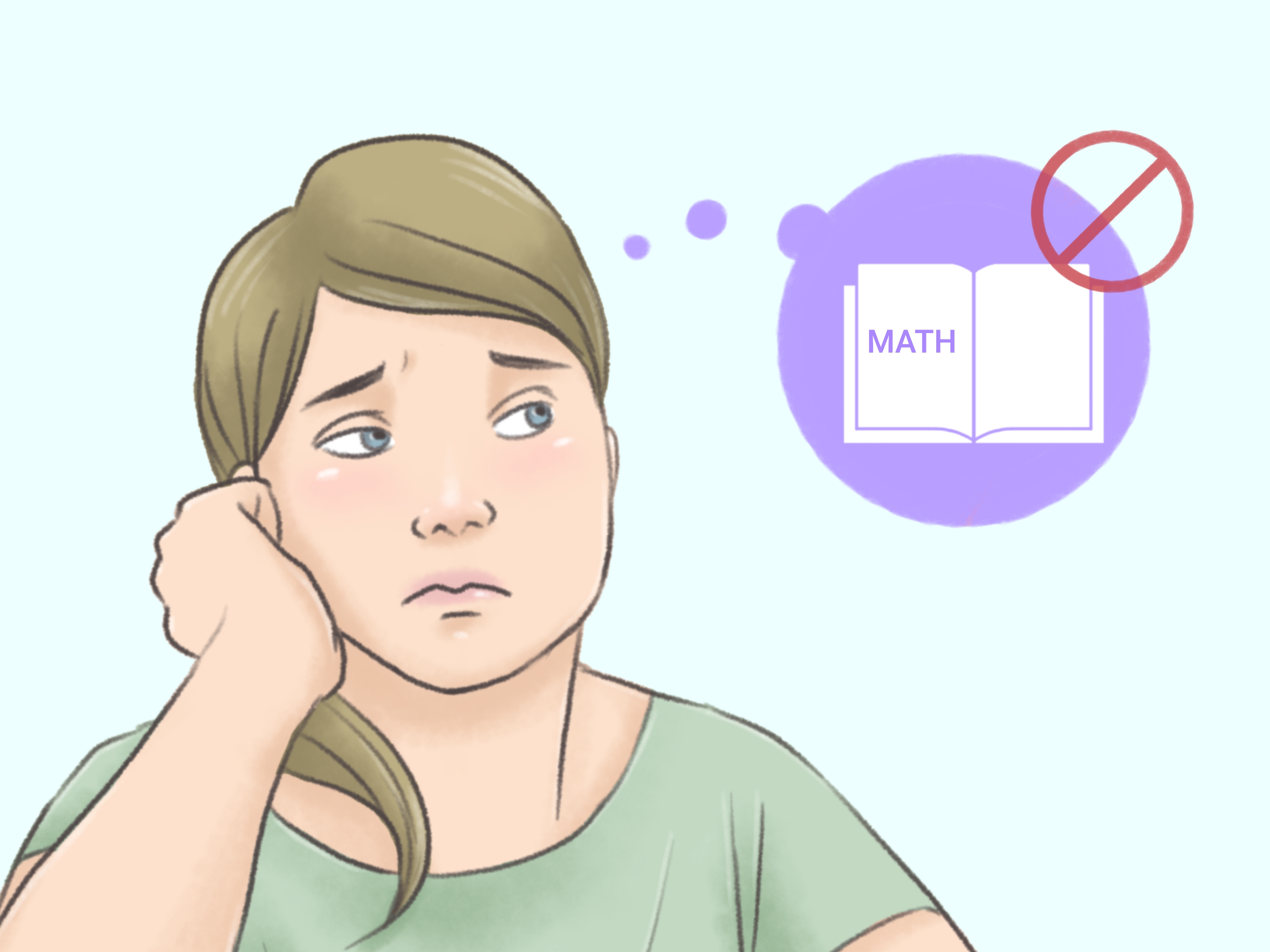
Studying can feel like trying to fill a bucket with a garden hose: the longer you stand there, the more convinced you becolaptop with an unlimited battery, and powering through until your notes start looking like ancient runes is not a productivity strategy. It is a cry for snacks.
Learning works better when focused effort is followed by real recovery. A well-timed study break can help you reset attention, reduce stress, move your body, and return to the material with a clearer mind. The key is knowing how to take a break without accidentally transforming five minutes of rest into a three-hour documentary binge about obscure shipwrecks.
Why Taking Breaks from Studying Actually Helps
A study break is not a reward you earn only after completing every chapter, flashcard, and problem set known to humanity. It is part of the learning process. Your attention naturally shifts over time, especially when you are reading dense material, solving difficult problems, or attempting to memorize a biology diagram that appears to have been designed by a very ambitious octopus.
Short periods of rest can give your mind time to recover from mental effort. Research on learning and memory has found that quiet rest after practice can support memory consolidation, meaning your brain continues organizing what you just learned even when you are not actively staring at the page. In other words, your brain is not being lazy during a useful break. It is quietly doing housekeeping.
Breaks can also reduce the frustration that builds when you keep rereading the same sentence without understanding it. When your focus starts slipping, pushing harder may produce more stress but not more learning. A short reset often helps you return with better concentration and a more realistic attitude.
Know When You Need a Study Break
You do not need to wait until your forehead has permanently fused with your desk. Learn to spot the signs that your current study session has stopped being productive.
- You reread the same paragraph three times and still cannot explain it.
- You start checking your phone every two minutes without a specific reason.
- You feel unusually irritated by simple questions or minor mistakes.
- You are making careless errors in practice problems you normally understand.
- You feel physically stiff, hungry, thirsty, sleepy, or restless.
- You begin reorganizing your pens by emotional importance rather than studying.
These signals do not mean you are incapable of learning. They usually mean your attention needs a reset. Taking a break before frustration becomes full-blown academic melodrama can save time and help you finish more effectively.
Use Study Intervals Instead of Endless Study Marathons
One of the easiest ways to take better breaks is to plan them before you begin. Rather than studying until you are exhausted, work in focused intervals and schedule rest periods between them.
Try the Classic 25-Minute Study Cycle
The Pomodoro-style approach is popular because it is simple: study for 25 minutes, take a five-minute break, and repeat. After four cycles, take a longer break of 15 to 30 minutes. This method can work especially well when you are overwhelmed, procrastinating, or trying to get started on a task that feels suspiciously like it was assigned by a villain.
During the 25-minute study block, focus on one clear task. Read a section of your textbook, complete a set number of practice questions, outline an essay paragraph, or review a group of flashcards. Avoid switching between several unrelated assignments. Your brain deserves better than being asked to write an English essay, solve calculus, answer group-chat notifications, and choose a new wallpaper at the same time.
Experiment with Longer Focus Blocks
Not everyone thrives on 25-minute intervals. Some students need a little more time to get into deep concentration, especially for writing, coding, reading research papers, or working through complex math problems. You might prefer 40 minutes of focused study followed by a 10-minute break, or 50 minutes of work followed by 10 to 15 minutes of recovery.
The best schedule is the one that helps you stay engaged without becoming mentally fried. Pay attention to your energy. If you are drifting after 20 minutes, make your sessions shorter. If you are focused and making progress after 25 minutes, continue for a little longer before taking your break.
Use a Timer That Does Not Become a Distraction
A timer helps create a clear boundary between work and rest. Use a kitchen timer, watch, desktop timer, or focus app. If your phone is your timer, place it across the room or turn on a mode that blocks notifications. A phone sitting beside your notebook has the magical ability to become irresistible the moment you encounter a difficult vocabulary word.
What to Do During a Study Break
The most effective study breaks usually involve changing your mental or physical state. That does not mean every break needs to include yoga on a mountain at sunrise. Small, realistic actions can make a noticeable difference.
1. Get Up and Move
Sitting in the same position for an hour can leave you stiff, restless, and mentally foggy. Stand up, stretch your shoulders, walk around your room, climb a few stairs, or take a quick lap outside. Movement breaks can help you feel more alert and less trapped in the chair that has become your temporary office, dining room, and emotional support furniture.
A five- or ten-minute walk is particularly useful after a long reading session. You do not need to turn your break into an Olympic event. The goal is simply to move enough to change your energy and give your eyes a rest from the screen or page.
2. Eat a Simple Snack and Drink Water
Hunger and dehydration can make concentration feel harder than it needs to be. Keep easy study-break snacks nearby, such as fruit, yogurt, nuts, cheese, whole-grain crackers, or a sandwich. Choose something satisfying enough to help, but not so heavy that you immediately need a nap and a blanket fort.
Water matters too. Before assuming you have lost all academic ability, take a few sips and check whether your body simply needs basic care. Sometimes the problem is not that the chapter is impossible. Sometimes you have been running on caffeine, crumbs, and misplaced confidence since noon.
3. Rest Your Eyes
If you are studying on a laptop or tablet, give your eyes a break from close-up focus. Look out a window, focus on an object across the room, or step outside for a few minutes. Avoid replacing your textbook screen with a social media screen if possible. Your eyes may be resting from the essay, but your brain is now being asked to process 47 videos of pets wearing hats.
4. Do a Short Mindfulness Reset
A few slow breaths can help when your thoughts are racing or you are panicking about everything left on your to-do list. Try this simple reset: sit comfortably, inhale slowly, exhale slowly, and focus on the physical feeling of breathing for one or two minutes. You do not have to become a meditation expert or levitate above your desk. The goal is to pause the mental noise long enough to return with more control.
5. Change Locations
A small change of scenery can make a surprising difference. Move from your desk to the kitchen table, from your bedroom to a library, or from indoors to a quiet outdoor bench. A new environment can help your brain recognize that a new work block is beginning.
Just choose your location wisely. Studying in bed may sound cozy, but it can blur the line between work and rest. Your bed deserves to remain a place for sleep, relaxation, and occasionally staring at the ceiling while remembering something embarrassing you said in seventh grade.
6. Talk to Someone Briefly
A short conversation with a roommate, friend, family member, or classmate can help you feel less isolated during a heavy study day. Keep it brief if you are on a deadline. A quick check-in can lift your mood; a two-hour debate about reality television can quietly eat your entire afternoon.
7. Do a Tiny Chore
Washing a few dishes, making your bed, taking out trash, or folding laundry can provide a mental reset and a small sense of accomplishment. The trick is choosing a task with a clear finish line. Do not start “cleaning your room” if that phrase really means opening old boxes, finding childhood photos, and beginning a full emotional archaeology project.
8. Take a Power Nap When You Truly Need One
If you are genuinely exhausted, a short nap may be more useful than forcing yourself through another hour of ineffective studying. Keep it brief enough that you can wake up and continue your day. If you are sleepy every time you study, though, consider whether your overall sleep schedule needs attention. Late-night cramming may feel heroic, but your future self usually remembers it as a strange and avoidable decision.
Study Breaks That Usually Backfire
Not every break is refreshing. Some activities make it harder to return to work because they are too stimulating, too open-ended, or too difficult to stop.
Endless Social Media Scrolling
Scrolling may feel like a break, but it often overloads your attention with new information, emotional reactions, advertisements, messages, and random videos that somehow convince you to watch a stranger renovate a van for 19 minutes. When it is time to study again, your mind may feel more scattered than before.
You do not have to ban social media forever. Instead, make it intentional. Set a timer, check one specific message, or save your scrolling for a longer planned break. The goal is to choose the activity instead of letting the activity choose the next hour of your life.
Starting a Show Without a Stop Point
A short episode can be a pleasant longer break, but it is risky during a packed study day. Streaming services are designed to make “just one episode” feel like a legally binding contract. If you choose television as a break, decide in advance when you will stop and set an alarm before you press play.
Turning Break Time into Guilt Time
A break does not work if you spend it thinking, “I should be studying,” every 12 seconds. Rest is more useful when you allow yourself to do it fully. Remind yourself that the break is part of the plan. You are not avoiding your work; you are preparing to return to it with more focus.
Plan Longer Breaks for Long Study Days
Short breaks are essential, but long study days also need larger recovery periods. After several focused work cycles, take a real meal break, go outside, exercise, meet a friend, shower, cook something, or do an activity you enjoy. A longer reset can help prevent burnout and make the rest of the day feel more manageable.
For example, imagine you are studying for a chemistry exam. You might complete two 45-minute focus blocks in the morning, take a 30-minute lunch break, complete two more blocks in the afternoon, then stop for a walk or workout before reviewing flashcards in the evening. This structure helps you cover material without spending the entire day in a fog of half-finished notes and questionable snack decisions.
Sleep should also be treated as a major study break, not an obstacle to studying. Your brain needs rest to support memory, mood, and concentration. Pulling an all-nighter may give you more hours with your notes, but it can make those hours less effective. A rested brain can usually do more with less time than an exhausted brain can do with an entire gallon of coffee.
Create Your Personal Study-Break Menu
When you are tired, it is easy to default to whatever is closest, loudest, or most distracting. Make a list of break ideas before you need one. Keep it visible near your study area so you can choose quickly.
- Walk outside for five minutes.
- Stretch your back, neck, wrists, and shoulders.
- Refill your water bottle.
- Make tea or grab a balanced snack.
- Listen to one favorite song while standing up.
- Do ten squats, a few stretches, or a short dance break.
- Text one friend back.
- Look outside or rest your eyes away from screens.
- Write down worries or tasks that are distracting you.
- Take three slow breaths and reset your desk.
The best break menu includes options that fit different energy levels. On one day, you may need movement. On another, you may need quiet. On another, you may need food, water, and a reminder that one difficult assignment does not define your intelligence.
Study-Break Experiences: What Students Often Learn Over Time
Many students discover that the hardest part of taking a break is not knowing what to do. It is believing they are allowed to do it. When deadlines pile up, a break can feel irresponsible, especially if you are behind or preparing for an important exam. But students often find that continuing to study while mentally exhausted creates the illusion of effort without much actual progress.
Consider the student who spends two straight hours highlighting a psychology chapter. By the end, nearly every sentence is yellow, but very little has stayed in memory. After a ten-minute walk, a snack, and a quick review of the main concepts, the material starts to make more sense. The break did not magically teach the chapter. It gave the student enough mental space to engage with it again.
Another common experience happens during essay writing. A student may spend 30 minutes staring at an introduction paragraph, moving the same sentence around like furniture in a tiny apartment. Walking away for a short break can make the next sentence easier to write because the student returns with less pressure and a slightly different perspective. Sometimes the answer appears while doing dishes, folding laundry, or brushing teeth, which is both useful and mildly insulting to the expensive desk chair.
Students also learn that not all breaks feel equally good afterward. Checking social media for five minutes can turn into comparing your life to strangers, reading upsetting news, or losing track of time. In contrast, a short walk, snack, shower, or conversation often feels calmer and easier to end. Over time, many people begin to notice which activities restore their energy and which ones leave them feeling more distracted.
Group study brings another lesson: breaks can help people stay kinder to each other. When everyone has been solving difficult problems for an hour, patience can disappear quickly. Taking ten minutes to stretch, get water, or talk about something unrelated can reset the mood. It is much easier to explain a calculus question politely when nobody is operating on three hours of sleep and a single granola bar.
There is also a learning curve with timing. Some students do well with short 25-minute study blocks, while others need 45 or 50 minutes to settle into deep work. The goal is not to follow someone else’s schedule perfectly. It is to notice your own concentration patterns. Try different intervals for a week, then adjust based on what actually helps you finish tasks and remember material.
Perhaps the biggest experience students share is realizing that breaks are not the opposite of discipline. Planned rest is discipline. It means you are taking your energy, attention, and health seriously enough to protect them. The student who studies steadily, rests intentionally, sleeps enough, and returns the next day often learns more than the student who treats exhaustion like a badge of honor.
Final Thoughts
Knowing how to take a break from studying is one of the most practical skills you can build. A good break is short enough to preserve momentum, meaningful enough to refresh your mind, and planned enough that it does not swallow your entire day. Move your body, drink water, eat something useful, rest your eyes, step away from your phone, and return with one clear task in mind.
You do not need to study every minute to be a serious student. You need to study with intention. Think of breaks as punctuation marks in your study day: small pauses that make the whole thing easier to understand. Without them, everything becomes one giant, exhausting sentence.













