
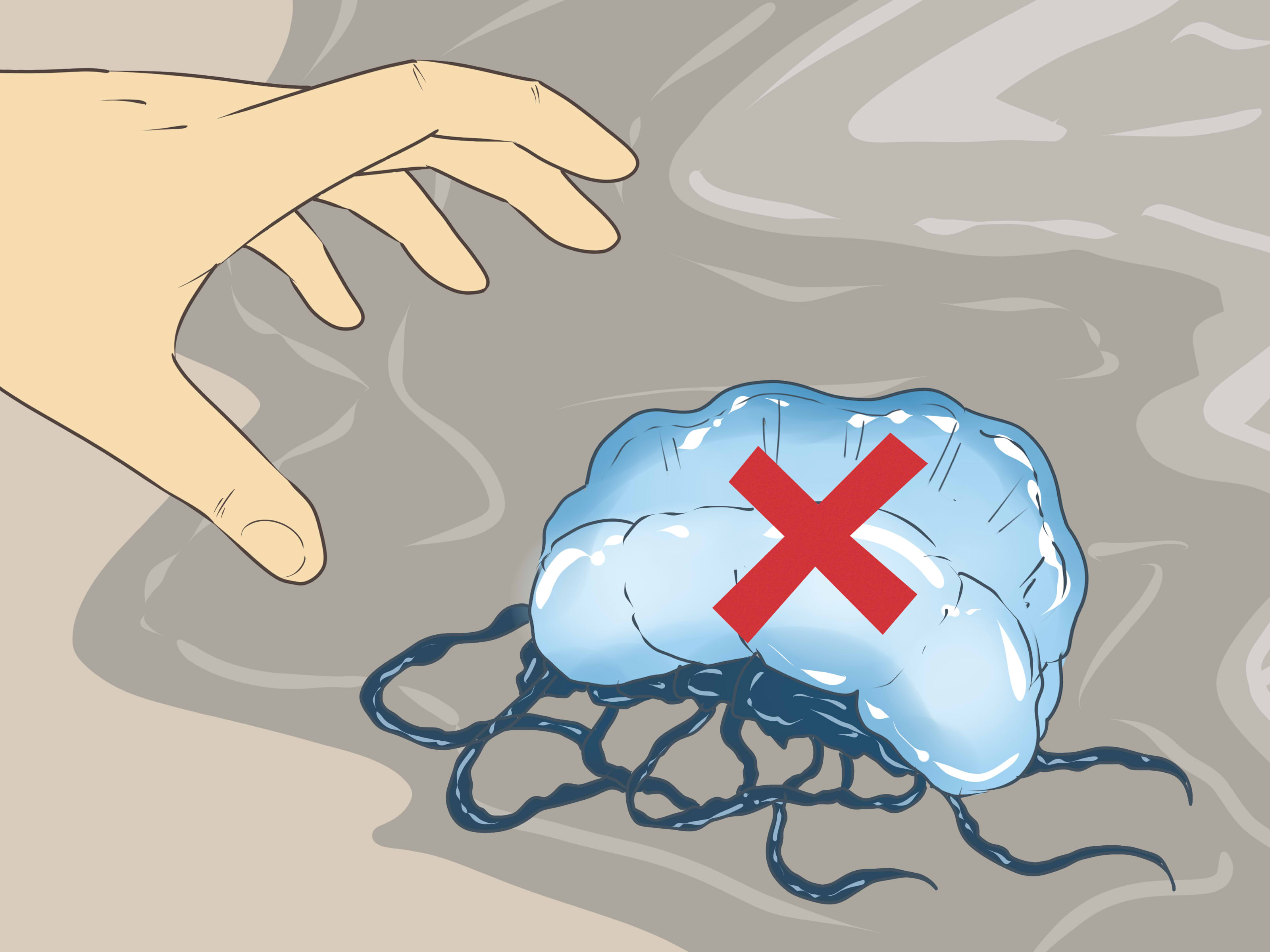
A Portuguese man o’ war sting can turn a dreamy beach day into a very spicy episode of “Why Is My Leg on Fire?” in about three seconds. The creature looks beautiful, almost like a floating purple-blue balloon sent by the ocean’s arts-and-crafts department. Unfortunately, trailing beneath that pretty float are long tentacles packed with microscopic stinging cells that can deliver immediate, intense pain.
The Portuguese man o’ war is often called a jellyfish, but technically it is a siphonophore: a floating colony of specialized organisms working together. Bluebottle is a common name used for closely related Physalia species, especially in the Pacific and Australia. For everyday first aid, people often use the terms Portuguese man o’ war sting and bluebottle sting in similar ways because the immediate problem is the same: venomous tentacles touching skin.
This guide explains how to treat a Portuguese man o’ war sting safely, what not to do, when to get medical help, and how to avoid turning a beach souvenir into a medical plot twist. The goal is simple: get out of danger, remove tentacles carefully, reduce pain, watch for serious symptoms, and never let internet myths boss you around.
What Makes a Portuguese Man O’ War Sting Different?
The Portuguese man o’ war has a gas-filled float that may appear blue, purple, pink, or translucent. Beneath it are tentacles that can stretch impressively far. These tentacles contain nematocysts, tiny capsule-like stinging cells that fire venom when triggered. Think of them as microscopic harpoons, except less pirate and more “surprise medical inconvenience.”
One important detail: tentacles can still sting after they break off, wash ashore, or belong to a dead-looking specimen. That means you should not touch a Portuguese man o’ war on the beach, even if it appears dried out or harmless. In the ocean, beauty often comes with terms and conditions.
Most stings are painful but not life-threatening. Still, some people can have severe reactions, especially children, older adults, people with allergies, people stung over a large area, or anyone stung on the face, eyes, mouth, or genitals. Multiple stings also increase risk.
Symptoms of a Portuguese Man O’ War or Bluebottle Sting
Symptoms usually begin right away. The first sign is often sharp, burning pain where the tentacle touched the skin. The mark may look like a red, purple, or brown whip-like line. It may swell, itch, or form raised welts. Some people describe the pain as hot, electric, or like being snapped with a fiery rubber band. Not exactly the beach memory anyone ordered.
Common symptoms
- Immediate burning, stinging, or throbbing pain
- Red or purple lines where tentacles contacted the skin
- Swelling, tenderness, itching, or warmth around the sting
- Small welts or rash-like marks
- Pain that may spread beyond the original contact area
Serious symptoms that need urgent help
- Trouble breathing, wheezing, or throat tightness
- Chest pain, irregular heartbeat, fainting, or severe dizziness
- Nausea, vomiting, severe abdominal pain, or muscle cramps
- Confusion, weakness, or signs of shock
- Sting covering a large area of the body
- Sting near the eyes, mouth, face, or genitals
- Severe pain that does not improve after first aid
If any of these happen, call emergency services immediately. Do not wait to see if the person can “walk it off.” The ocean may be dramatic, but medical care should be practical.
How to Treat a Portuguese Man O’ War Sting Step by Step
Fast, calm first aid can reduce pain and prevent additional stinging cells from firing. The order matters. Your mission is not to scrub, panic, or audition for a survival show. Your mission is to get away from the tentacles and treat the skin gently.
Step 1: Get out of the water safely
Move away from the creature and get out of the water as soon as possible. Pain can make swimming harder, and more tentacles may be nearby. If the person is a child or seems weak, help them to shore without rubbing the sting area.
Once on land, sit or lie down. Keeping calm helps reduce movement and makes it easier to inspect the skin. If a lifeguard is nearby, ask for help. Lifeguards often know the local marine hazards and may have appropriate first-aid supplies.
Step 2: Do not rub the sting
This is the golden rule: do not rub, scratch, wipe with a towel, scrape aggressively, or cover the area with sand. Pressure can trigger unfired nematocysts and make the sting worse. Yes, your instinct may be to attack the pain like it insulted your ancestors. Resist that instinct.
Step 3: Rinse with seawater or saltwater
Rinse the affected area with seawater or saltwater to help wash away loose tentacle fragments. Do not use fresh water while tentacles or stinging cells may still be present. Fresh water can sometimes trigger remaining stinging cells to fire.
If clean seawater is available, pour it gently over the sting. If you are away from the beach, a saline rinse may help. Avoid high-pressure spraying. The goal is gentle flushing, not power-washing your leg like patio furniture.
Step 4: Carefully remove visible tentacles
If you can see tentacle pieces, remove them carefully with tweezers, a gloved hand, or another protected method. Do not use bare fingers if you can avoid it. Tentacles can sting the helper, too, because marine venom does not respect good intentions.
If tweezers are unavailable, use the edge of a rigid card very gently only after rinsing. Avoid digging into the skin. The more you irritate the area, the more pain you may cause.
Step 5: Use hot water for pain relief
After tentacles are removed, immerse the affected area in hot water that feels hot but not scalding. A common target range is about 104°F to 113°F. Keep the skin in hot water for 20 to 45 minutes, or until pain improves. If immersion is not practical, a hot shower or hot compress may help.
Test the water first, especially for children. The goal is pain relief, not a bonus burn. If the person has reduced sensation, diabetes-related nerve issues, or trouble judging temperature, use extra caution and have someone else test the water.
Step 6: Use over-the-counter comfort care when appropriate
After the immediate first aid, over-the-counter pain relievers such as acetaminophen or ibuprofen may help, as long as the person can take them safely and follows the label directions. For itching later, a thin layer of hydrocortisone cream or an oral antihistamine may help some people. Do not apply creams to open wounds unless a healthcare professional recommends it.
Keep the area clean. Avoid scratching. If blisters, spreading redness, pus, fever, or worsening pain develops later, seek medical care because secondary skin infection or a stronger inflammatory reaction may need treatment.
What Not to Put on a Portuguese Man O’ War Sting
Beach first aid has collected more myths than a pirate tavern. Some remedies are useless; others may make things worse. For Portuguese man o’ war and bluebottle stings, avoid casual experiments.
Do not use urine
The old “pee on it” advice is famous, memorable, and wrong. Urine is not a reliable treatment for jellyfish or Portuguese man o’ war stings. Depending on its chemistry, it may irritate the area or trigger more stinging. Also, it is gross. Science and basic dignity finally agree on something.
Be careful with vinegar
Vinegar is recommended for some jellyfish stings, especially certain box jellyfish situations, but many medical first-aid references warn against vinegar for Portuguese man o’ war stings because it may cause unfired stinging cells to release more venom. Recommendations can vary by region and species, so follow local lifeguard or poison-control guidance if available. When in doubt for Portuguese man o’ war, seawater or saltwater rinsing is the safer general first step.
Skip alcohol, fresh water, sand, and meat tenderizer
Do not rinse with alcohol. Do not scrub with sand. Do not apply gasoline, bleach, ammonia, or other harsh substances. Do not turn your leg into a kitchen experiment with meat tenderizer. These approaches can irritate skin, worsen pain, or delay proper care.
When to See a Doctor After a Bluebottle Sting
Many mild stings improve with first aid and time. However, some situations deserve professional evaluation. Seek medical care if pain remains intense, if the sting covers a large area, if symptoms spread beyond the skin, or if the person is a young child, older adult, pregnant, medically fragile, or has a history of severe allergic reactions.
Eye stings are a special case. If tentacles or venom contact the eye, rinse with sterile saline if available and get urgent medical help. Do not put vinegar, alcohol, or random home remedies in the eye. Eyes are not the place for beach chemistry.
You should also get care if the rash worsens after a day or two, the skin becomes increasingly red and hot, drainage appears, fever develops, or the sting site forms a deep sore. A healthcare provider may recommend stronger pain control, wound care, topical medication, allergy treatment, or monitoring for complications.
How Long Does a Portuguese Man O’ War Sting Last?
The worst pain often improves within an hour or two, especially with hot-water treatment, but this varies. Skin marks may last for several days. Itching or a rash may linger longer, sometimes for a week or more. In sensitive individuals, delayed skin irritation can appear after the initial pain fades.
During healing, protect the area from sunburn, avoid scratching, and keep it clean. If the skin is broken, treat it like a minor wound: gentle washing, clean covering if needed, and attention to signs of infection. The ocean may have started the drama, but bacteria love an encore.
How to Prevent Portuguese Man O’ War Stings
Prevention is easier than treatment, and it does not require becoming a marine biologist. Start by checking beach warning flags and lifeguard updates. If Portuguese man o’ war sightings are reported, stay out of the water. Their tentacles can be hard to see, and detached tentacle pieces may drift where the float is not visible.
Smart prevention tips
- Never touch a Portuguese man o’ war on the beach, even if it looks dead.
- Teach children to avoid colorful floating “balloons” or blue-purple blobs on shore.
- Swim near lifeguards when possible.
- Wear protective swim clothing in areas with frequent stings.
- Avoid swimming after strong winds or currents push marine life toward shore.
- Leave the water if you see tentacles, floating blue bottles, or multiple people getting stung.
If you are traveling to beaches in Florida, Hawaii, the Gulf Coast, the Atlantic coast, or tropical destinations, learn the local marine hazards before swimming. A two-minute safety check can save you from a very memorable limp back to the hotel.
Portuguese Man O’ War Sting First-Aid Kit
If you visit beaches often, a small marine-sting first-aid kit is a smart addition to your bag. It does not need to be fancy. Pack fine tweezers, disposable gloves, sterile saline, a small thermometer, clean gauze, basic pain relievers, antihistamine if appropriate, and a card with emergency numbers. A reusable water bottle can help transport warm water if facilities are nearby.
For families, add a simple rule: nobody touches jellyfish-like creatures, no matter how shiny, weird, or Instagram-worthy they look. The best beach photo is one taken from a safe distance, preferably with everyone’s skin still peaceful.
Common Mistakes That Make Stings Worse
The biggest mistake is rubbing the sting. The second is using the wrong rinse. The third is waiting too long to seek help when serious symptoms appear. People also sometimes underestimate detached tentacles, especially when they see only small blue fragments on the sand.
Another mistake is assuming all jellyfish sting treatments are the same. They are not. A treatment that helps one species may be wrong for another. Portuguese man o’ war stings deserve their own approach: seawater or saltwater rinse, careful tentacle removal, hot water for pain, and medical care when symptoms are severe.
Practical Experiences: What Real Beach Situations Teach Us
Imagine a family walking along the beach after a windy morning. A child spots a shiny blue bubble on the sand and reaches for it because, honestly, it looks like something a mermaid would accidentally drop. A parent stops them just in time. That simple warning matters. Portuguese man o’ war tentacles can be difficult to see, and the float may be only part of the animal. The lesson is clear: teach kids early that bright, strange sea creatures are for looking, not poking.
Another common situation happens in shallow water. A swimmer feels a sudden burning line across the ankle but sees nothing. The first instinct is to rub the spot. That is understandable, but it is exactly what not to do. The better move is to get out of the water calmly, ask for help, rinse with seawater, and remove any visible tentacle material carefully. People who stay calm usually make fewer painful mistakes.
Surfers and paddleboarders often have a different challenge. They may be farther from shore when the sting happens, and the pain can make balancing difficult. The practical advice is to return to shore safely, signal for help if needed, and avoid wiping the sting with a rash guard or towel until tentacles are rinsed away. Protective clothing can reduce exposure, but it does not make anyone sting-proof.
Beach travelers also learn that local advice matters. In some coastal areas, lifeguards may post warnings when Portuguese man o’ war are washing in with wind and currents. Tourists sometimes ignore these signs because the water looks calm. Unfortunately, calm water does not mean tentacle-free water. If flags or signs warn about marine stingers, treat them as real safety information, not beach decoration.
Parents often worry most when a child is stung. That is reasonable because children may panic, cry, or rub the area. The best adult response is calm and direct: move the child away from the water, keep hands off the sting, rinse gently, remove tentacles with protection, and use hot water carefully for pain. A calm adult voice can keep a painful moment from becoming chaos with sunscreen.
One more experience is worth remembering: aftercare matters. Some people feel better after hot water and assume the problem is finished, then scratch the itchy rash for days. Scratching can break the skin and invite infection. Keeping the area clean, using appropriate itch relief, and watching for worsening redness or swelling can prevent a second round of trouble.
The best overall lesson is simple. Portuguese man o’ war sting treatment is not about heroic hacks. It is about gentle, correct steps. Get out, rinse with seawater, remove tentacles carefully, use hot water for pain, avoid myths, and seek medical care when symptoms go beyond a local skin reaction. The ocean is allowed to be wild. Your first aid does not have to be.
Conclusion
A Portuguese man o’ war sting or bluebottle sting can be intensely painful, but most cases can be managed with prompt, careful first aid. The safest general approach is to leave the water, avoid rubbing, rinse with seawater or saltwater, remove visible tentacles with protection, and use hot water to reduce pain. Skip urine, sand, alcohol, and casual vinegar use for this species unless local medical guidance specifically says otherwise.
Most importantly, take serious symptoms seriously. Trouble breathing, chest pain, fainting, eye exposure, widespread stings, or severe pain should be treated as urgent. A beach day should end with sandy shoes and maybe too many snacks, not a preventable emergency.













