
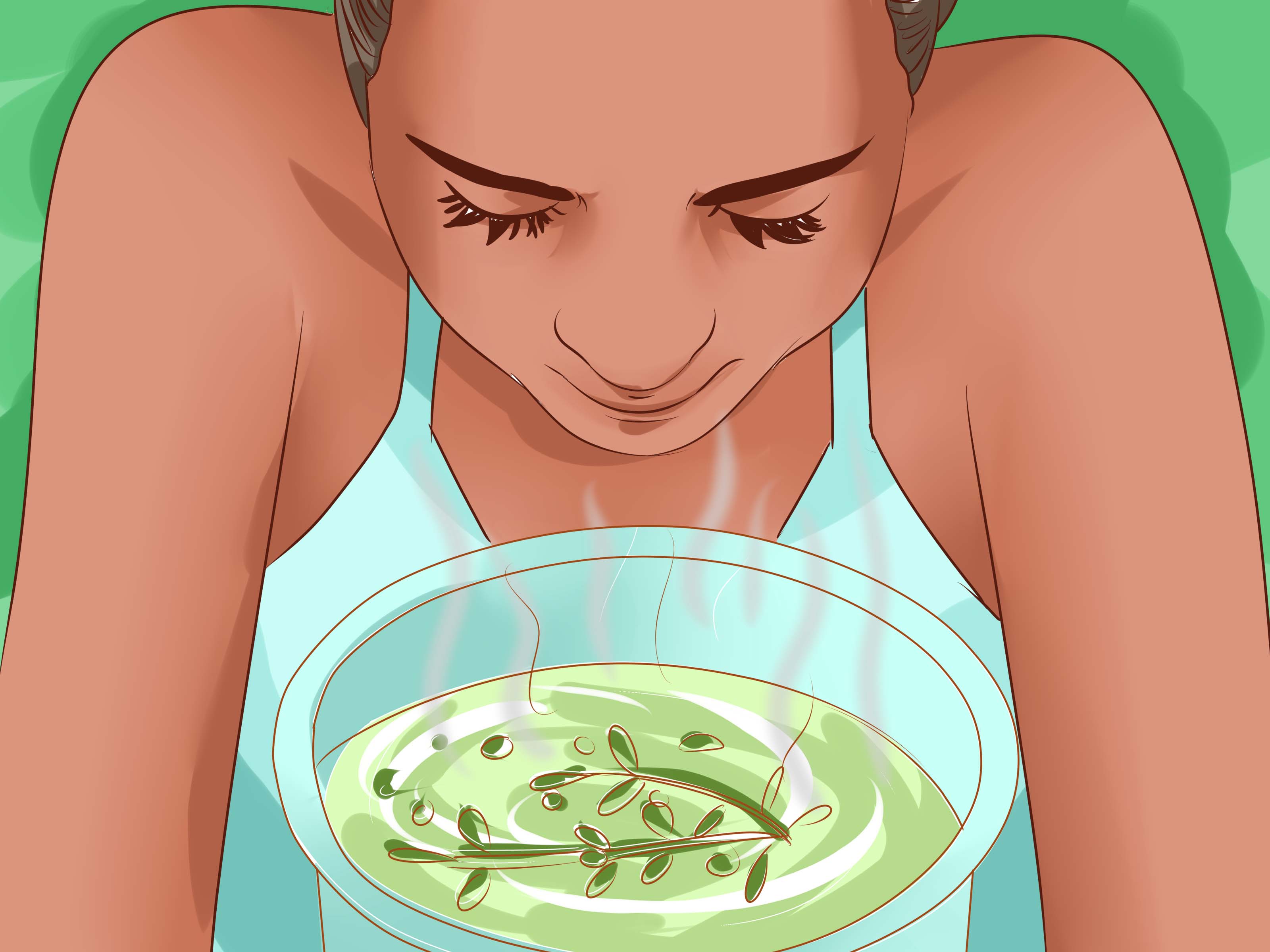
A blocked nose can make ordinary tasks feel strangely ambitious. Breathing, sleeping, tasting dinner, and speaking without sounding like a malfunctioning tuba suddenly require planning. Herbal remedies may provide gentle symptom relief, but they work best as part of a sensible routine rather than as magical leaf-based plumbing.
Congestion usually develops when the tissues lining the nose and sinuses become swollen and produce extra mucus. Colds, influenza, COVID-19, allergies, irritants, dry air, and sinus inflammation can all cause similar stuffiness. Herbs cannot eliminate every underlying cause, and evidence for many popular herbal products remains limited or inconsistent. Supportive measures such as fluids, rest, saline, humidity, and safe steam generally have stronger medical support.
The following ten-step approach explains how to use herbal teas, aromatic plants, and practical home care without turning your kitchen into an unlicensed pharmaceutical laboratory.
Step 1: Identify What Kind of Congestion You Have
Start with the cause, not the spice rack
Before preparing an herbal remedy, look at the full pattern of your symptoms. Nasal congestion accompanied by sneezing, itchy eyes, and clear drainage often points toward allergies. A sore throat, mild cough, fatigue, and runny nose may indicate a viral cold. Facial pressure, reduced smell, postnasal drip, and thick mucus can occur with sinus inflammation, although mucus color alone does not prove that you have a bacterial infection.
Chest congestion deserves extra caution. Mucus-producing coughs can occur with viral bronchitis, but wheezing, shortness of breath, chest pain, confusion, blue lips, or difficulty staying awake require prompt medical attention. Herbs should never be used to delay evaluation for asthma, pneumonia, severe influenza, COVID-19, or another serious respiratory condition. Cold-like symptoms may also warrant flu or COVID-19 testing, particularly for people at increased risk because antiviral treatment works best when started early.
Step 2: Begin with Warm Fluids
Hydration is the least glamorous remedy and one of the most useful
Warm fluids can soothe an irritated throat, prevent dehydration, and make thick secretions easier to manage. Water, clear broth, caffeine-free tea, or warm lemon water are reasonable choices. They do not “flush a virus out,” but they can make the waiting period considerably less miserable.
Turn hydration into a simple herbal routine by steeping a mild tea and sipping it slowly. Avoid making every cup aggressively concentrated. Stronger is not automatically better; sometimes it is merely stronger, more bitter, and more likely to upset your stomach. People with heart failure, kidney disease, or medically prescribed fluid restrictions should ask a clinician how much fluid is appropriate.
Step 3: Make a Gentle Ginger Infusion
Use ginger for warmth and throat comfort
Fresh ginger is a practical starting point because it can be used as an ordinary food rather than a high-dose supplement. Place several thin slices of washed ginger in a mug, add hot water, and let the mixture steep for about five to ten minutes. Lemon may improve the flavor, while a little honey can soothe a cough or scratchy throat.
Ginger does not directly shrink swollen nasal tissue, but its warmth and strong flavor may make breathing feel more comfortable while the liquid supports hydration. It may also soothe throat irritation associated with coughing or postnasal drip. Ginger can cause heartburn, diarrhea, abdominal discomfort, or mouth irritation in some people. Concentrated capsules and extracts are more likely than culinary amounts to create medication concerns, so people taking prescription drugs should discuss regular supplement use with a pharmacist or clinician.
Step 4: Try Peppermint Tea Carefully
Menthol can change the sensation of airflow
Peppermint tea offers a cooling sensation that many people associate with easier breathing. Menthol may make the nose feel more open even when it has not dramatically changed the physical swelling inside the nasal passages. That still has value when you are trying to sleep and your nose appears to have declared independence.
Choose commercially prepared peppermint tea or steep clean peppermint leaves in hot water. Sip the tea instead of placing peppermint oil inside your nostrils. Concentrated peppermint oil can irritate the skin, eyes, and nasal tissue, and it should not be applied to the face of infants or young children. People who experience reflux may find that peppermint worsens heartburn.
Step 5: Use Eucalyptus Aroma Without Swallowing the Oil
Aromatic does not mean edible
Eucalyptus is commonly found in vapor rubs and aromatic products marketed for respiratory comfort. A small amount of vapor from a properly labeled product may create a cooling sensation and temporarily make breathing feel easier. Follow the product directions exactly, use it in a ventilated space, and stop if it triggers coughing, headache, wheezing, or irritation.
Never swallow eucalyptus essential oil or add drops to a beverage. Even a small amount of concentrated eucalyptus oil can cause severe poisoning, including seizures, coma, and potentially fatal complications. Keep bottles locked away from children and pets. Do not pour undiluted oil into the nose, place it directly beneath the nostrils, or use it on young children unless a pediatric professional specifically approves the product.
Step 6: Pair Chamomile Tea with Real Rest
The herb may be mild, but the bedtime routine matters
Chamomile tea is not a proven decongestant. Its greater practical value may be helping you establish a calming evening routine when congestion interferes with sleep. Prepare a normal-strength cup, dim the lights, elevate your head slightly, and give your body permission to stop answering emails that begin with “Just circling back.”
People allergic to ragweed, chrysanthemums, daisies, or related plants may also react to chamomile. Chamomile can potentially interact with blood thinners, sedatives, and certain medicines processed by the liver. Pregnant or breastfeeding people and anyone taking several medications should check with a healthcare professional before using concentrated chamomile extracts.
Step 7: Treat Echinacea and Elderberry as Optional, Not Essential
Keep expectations modest and read labels carefully
Echinacea and elderberry are frequently promoted for colds and upper respiratory infections. Research on both products is mixed. Certain echinacea preparations may offer a small benefit, but products vary widely, and it remains unclear whether echinacea meaningfully shortens a cold. Preliminary elderberry research is somewhat encouraging, yet the available studies are too limited to justify claims that it cures influenza, COVID-19, or sinus infections.
If you decide to try one, use a reputable commercial product with a clearly stated ingredient list and dosage. Do not combine several multi-ingredient “immune” supplements, since this makes side effects and interactions harder to identify. Echinacea may cause digestive symptoms or allergic reactions, particularly in people sensitive to plants in the daisy family. Raw or improperly prepared elderberries and other parts of the elder plant should not be eaten.
Dietary supplements are not approved by the FDA for safety and effectiveness before reaching the market in the same way that medications are. Look for independent quality testing, avoid products promising a cure, and consult a clinician when you take prescription medicine or have a chronic medical condition.
Step 8: Add Garlic or Thyme to Food Instead of Taking Mega-Doses
Let dinner be dinner
Garlic, thyme, turmeric, and similar culinary herbs can make broth or soup more appealing when your sense of taste has gone on vacation. A warm bowl of soup provides fluid, calories, and steam, while the seasoning makes it easier to keep eating when you feel unwell. This is a sensible use of herbs, even though evidence that they directly clear congestion or shorten a cold is weak.
Avoid assuming that concentrated garlic capsules or enormous quantities of raw garlic will work better. Garlic supplements can increase bleeding risk, particularly when combined with aspirin, anticoagulants, or other medicines that affect clotting. Highly acidic or spicy homemade tonics may also aggravate reflux, nausea, and throat irritation. Your sinuses are already upset; there is no need to make your stomach join the protest.
Step 9: Combine Herbs with Saline, Humidity, and Safe Steam
Use the remedies with the strongest practical support
Herbal tea can be comforting, but saline and moisture often do more of the mechanical work. A saline spray can moisten dry nasal passages. A properly used saline rinse may remove mucus, allergens, and debris. A clean cool-mist humidifier can reduce irritation caused by dry indoor air, while a warm shower provides gentle steam without requiring you to hover over a dangerously hot bowl.
When performing nasal irrigation, use only distilled, sterile, or previously boiled and cooled water. Ordinary tap water may contain organisms that are safe to swallow but unsafe when introduced into the nasal passages. Clean the irrigation device according to its instructions and allow it to dry completely between uses. Do not add herbal powders, tea, essential oils, or homemade plant extracts to a neti pot or rinse bottle. Nasal tissue prefers sterile saline, not experimental soup.
Steam should feel comfortably warm, never scalding. Keep children away from bowls or pots of hot water because spills can cause serious burns. Essential oils are not required for steam to be useful and may irritate people with asthma, migraines, fragrance sensitivity, or reactive airways.
Step 10: Monitor Your Symptoms and Know When to Get Help
Natural care still needs sensible boundaries
Track how long the congestion lasts and whether it is improving. Many uncomplicated cold symptoms improve gradually, although nasal stuffiness and coughing can persist for up to approximately two weeks. Contact a healthcare professional if symptoms last more than about ten days without improvement, become significantly worse after initially improving, or include persistent fever, severe facial pain, swelling around the eyes, dehydration, or bloody discharge.
Seek urgent care for trouble breathing, severe wheezing, chest pain, confusion, fainting, bluish lips, a stiff neck, or unusual sleepiness. Infants, older adults, pregnant people, immunocompromised individuals, and people with chronic heart or lung disease may need medical advice sooner.
Stop any herb or supplement that causes rash, facial swelling, vomiting, breathing difficulty, dizziness, or another unexpected reaction. Herbal products may interact with blood thinners, diabetes medicines, blood-pressure drugs, sedatives, transplant medicines, and many other treatments. “Natural” describes an origin; it is not a universal safety certificate.
Important Safety Rules for Children
Children are not simply smaller adults, particularly when concentrated essential oils and supplements are involved. Do not apply peppermint oil to an infant’s face, and do not give eucalyptus oil by mouth. Keep all essential oils in child-resistant storage because even small swallowed amounts may be dangerous.
Honey may help calm coughing in children older than 12 months, but it must never be given to a baby younger than one year because of the risk of infant botulism. Parents should consult a pediatrician before giving children echinacea, elderberry, concentrated ginger, or other herbal supplements. Saline drops, appropriate nasal suction, fluids, and a clean cool-mist humidifier are generally more straightforward options.
A Practical Experience-Based Congestion Routine
What a typical congested week can teach you
The following is a composite scenario based on common experiences rather than a report about one specific patient. It demonstrates why a simple routine usually works better than collecting twelve remedies and using all of them before breakfast.
On the first morning, congestion often feels deceptively minor. One nostril works, the other has apparently closed for renovations, and there is a faint scratch in the throat. This is the ideal time to pause and assess symptoms. Are there itchy eyes suggesting allergies? Was there recent exposure to someone with a respiratory infection? Is there fever, wheezing, or unusual fatigue? Taking ten minutes to answer those questions is more useful than immediately ordering an “ancient sinus detox” from an advertisement featuring suspiciously enthusiastic leaves.
A manageable routine might begin with water and breakfast, followed by a cup of ginger tea. The ginger does not produce a cinematic moment in which every sinus opens at once. Instead, the warm liquid soothes the throat and makes repeated swallowing more comfortable. A saline spray afterward may provide more noticeable nasal relief. This is an important lesson: the herb can improve comfort, while a non-herbal measure may do the actual mucus-moving work.
By afternoon, the nose may feel drier from repeated blowing. Rather than adding more concentrated products, a clean humidifier and another glass of water may help. A bowl of soup seasoned with garlic and thyme offers fluid and nourishment without pretending to be an antibiotic. If peppermint tea feels refreshing, it can replace another caffeinated drink. However, anyone prone to reflux may discover that peppermint is not the friendly little leaf it appeared to be.
The evening is where many congestion plans fall apart. People become tired, stack several cold products, add multiple supplements, inhale essential oils, and then wonder which ingredient caused the nausea. A better evening routine is deliberately boring: a warm shower, saline, chamomile tea if appropriate, an elevated pillow, and sleep. Boring is underrated when your immune system is handling the main assignment.
During the second or third day, mucus may become thicker or change color. That change does not automatically mean antibiotics are needed. The more useful question is whether symptoms are gradually improving or sharply worsening. If facial pain becomes severe, fever persists, breathing becomes difficult, or symptoms improve and then return much worse, it is time to contact a healthcare professional instead of adding another herb.
Another common experience is discovering that more remedy does not equal more relief. Extra ginger may cause heartburn. Too much strong tea may cause nausea. Undiluted essential oil may irritate the eyes or airways. Using a normal food or tea preparation, trying one new item at a time, and recording any reaction makes the routine safer and easier to evaluate.
Finally, recovery rarely happens in a perfectly straight line. You may breathe better in the morning, feel blocked again at night, and wake up convinced that your nose has personal grievances. The practical goal is not to force symptoms to disappear instantly. It is to stay hydrated, rest, maintain comfortable airflow, avoid unsafe products, and notice warning signs. Herbs can play a modest supporting role, but patience, saline, moisture, and medical judgment remain the lead performers.
Conclusion
Learning how to treat congestion with herbs begins with realistic expectations. Ginger, peppermint, chamomile, eucalyptus aroma, echinacea, elderberry, garlic, and thyme may provide warmth, flavor, relaxation, or temporary symptom comfort. None should be treated as a guaranteed cure for a cold, influenza, COVID-19, allergies, bacterial sinusitis, or a serious chest infection.
The safest strategy is to use mild herbal preparations alongside hydration, rest, saline, humidity, and careful symptom monitoring. Avoid swallowing essential oils, placing oils inside the nose, giving honey to infants, or combining multiple supplements without checking for interactions. When breathing becomes difficult or symptoms are severe, persistent, or worsening, trade the teapot for professional medical advice.













