
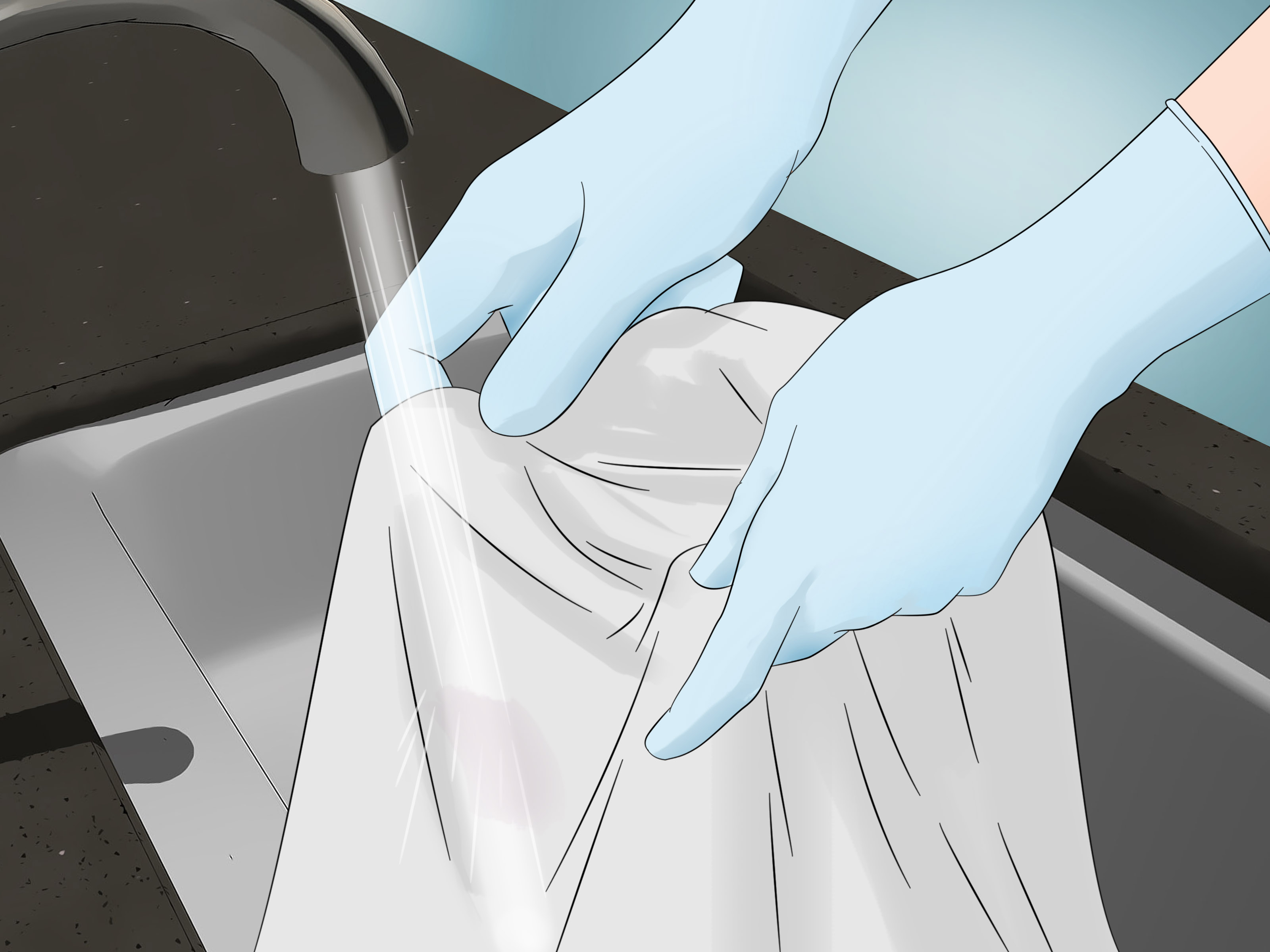
Bleach is one of those laundry products that people either trust like an old friend or fear like a villain in a white bottle. And honestly, both reactions make sense. Used correctly, bleach can brighten dingy whites, help sanitize washable items, and tackle stubborn stains that regular detergent sometimes just stares at awkwardly. Used incorrectly, it can leave you with faded colors, weakened fabric, mystery spots, or the unforgettable experience of realizing your favorite black T-shirt is now “abstract charcoal.”
The good news is that learning how to use bleach when doing your laundry is not hard. You just need a smart system. The trick is knowing which bleach to use, which fabrics can handle it, when to add it, and how much is enough without becoming too much. That is exactly what this guide covers.
Below, you will find a practical, easy-to-follow breakdown of how to use bleach in laundry safely and effectively. We will go step by step, cover common mistakes, and finish with real-life laundry experiences that make the advice easier to remember. Because laundry wisdom usually arrives one of two ways: from a guide like this or from accidentally bleaching your socks into a new tax bracket.
Before You Start: Know Your Bleach Types
Not all bleach is the same, and that matters more than most people realize.
Chlorine bleach
This is the classic household bleach most people picture first. It is strong, fast-acting, and commonly used for white clothes, bleach-safe fabrics, stain removal, and sanitizing laundry. It is powerful, which is great when used properly and less great when poured directly onto your navy hoodie.
Oxygen bleach or color-safe bleach
This version is gentler and usually safer for many washable colored fabrics. It is often labeled as non-chlorine bleach or color-safe bleach. It can help lift stains and brighten clothing without the same risk of stripping color. Think of it as the more diplomatic cousin in the bleach family.
Choosing the right type is the first win. Choosing the wrong one is how “laundry day” becomes “craft project.”
How to Use Bleach when Doing Your Laundry: 10 Steps
Step 1: Read the care label before you do anything dramatic
If the garment label says do not bleach, believe it. Care labels are not suggestions from a controlling shirt. They are survival instructions for your clothes.
Look for the bleach symbol, which is usually a triangle. A plain triangle generally means bleach is allowed. A triangle with two diagonal lines usually means non-chlorine bleach only. A crossed-out triangle means bleach is off the table. If the item is made from delicate fibers like wool, silk, spandex, or includes special finishes, skip chlorine bleach unless the label clearly says otherwise.
This one step saves more shirts than any internet hack ever will.
Step 2: Check whether your washer can handle bleach
Before you pour anything, check your washer manual. Some machines have a dedicated bleach dispenser. Others want bleach added at a specific point in the cycle. Some front-load models have stricter instructions, and some machines should not use bleach in certain ways at all.
If your washer has an automatic bleach dispenser, life gets easier. You pour in the measured amount, and the machine releases it at the proper time. If it does not, you need to be more careful about dilution and timing. The goal is simple: never let undiluted chlorine bleach sit directly on fabric.
Step 3: Sort laundry like a person who enjoys keeping their wardrobe intact
Bleach and random mixed loads are a terrible combination. Separate your laundry by color, fabric type, and bleach safety.
- Whites and bleach-safe fabrics: usually the best candidates for chlorine bleach
- Colors: often better with oxygen bleach, if the label allows it
- Delicates: usually deserve a peaceful life away from bleach
- Towels, socks, sheets: often respond well to bleach if the care label permits it
Sorting matters because bleach is not magic. It is chemistry. Chemistry does not care that you were “just trying to save time.”
Step 4: Spot-test if you are even a little unsure
If you are dealing with a colored item and the label is unclear, do a quick hidden-area test. This is especially useful if you are considering oxygen bleach or checking whether a fabric is truly colorfast.
Test an inside seam, hem, or another hidden spot first. If the fabric changes color, weakens, or looks offended, do not use bleach on the full garment. It is far better to lose a tiny invisible test area than an entire shirt you actually like.
Step 5: Measure the bleach carefully
More bleach does not mean cleaner clothes. It usually means extra wear, possible residue, and a higher chance of damage. Always follow the product label and your washer’s guidance. For many laundry products, the amount may be around 1/4 cup for HE machines and 1/3 cup for standard washers, but the correct amount varies by product and machine, so use the label as your final authority.
Do not eyeball it. Do not free-pour it. Do not channel a cooking show host and say, “I’ll just add a little extra for flavor.” Laundry bleach is not that kind of ingredient.
Step 6: Add bleach the right way
This is where many laundry disasters begin.
If your washer has a bleach dispenser
Pour the measured liquid chlorine bleach into the dispenser only, and do not go past the fill line. The machine will dilute it and release it at the proper time.
If your washer does not have a bleach dispenser
Do not pour bleach directly onto dry clothes. Instead, let the washer fill with water first so the bleach can dilute properly before it contacts fabric. On some traditional top-load washers, bleach is added once the water is running or after agitation begins, depending on the machine instructions.
If you are using oxygen bleach
Follow the label directions. Some products go in the drum, some go in the detergent area, and some are designed for presoaking. The key is to use the right compartment and never assume every bleach product works the same way.
Step 7: Choose the right water temperature and cycle
If the care label allows it, whites and sturdy bleach-safe fabrics often do well on a whites cycle or a heavier-duty wash setting. Hot or very warm water is common for washable whites, but the fabric label still has the final word. If the tag calls for cool or cold water, listen to the tag, not your inner laundry cowboy.
An extra rinse can be helpful, especially if you are washing towels, bedding, or heavier items. It helps remove leftover bleach and detergent so your fabrics come out cleaner and less likely to irritate sensitive skin.
Step 8: Never mix bleach with other cleaners
This is the giant, flashing, unskippable rule. Never mix bleach with ammonia, vinegar, rubbing alcohol, or other household cleaners unless the product label explicitly says it is safe. Dangerous fumes can form, and this is a real safety issue, not a fussy laundry myth.
Also, avoid getting creative with homemade laundry chemistry. The internet loves a shortcut, but your lungs deserve better. Use bleach with the detergent and cycle directions intended for it, and stop there.
Step 9: Wash, rinse, and inspect before drying
Once the cycle finishes, check the items before tossing them in the dryer. If a stain remains, it may need another treatment. Heat can set some stains, making them harder to remove later.
This matters because bleach is not always a one-and-done fix. Some stains need pretreatment, some need oxygen bleach instead of chlorine bleach, and some just need a second wash with less optimism and more strategy.
Step 10: Store bleach safely and use it only when needed
Bleach is useful, but it should not become your answer to every slightly sad-looking sock. Repeated use of strong chlorine bleach can weaken fibers over time, especially if used too often or in too high a concentration.
Store bleach in its original container, keep it away from children and pets, and close it tightly. Use it when you need whitening, stain treatment, or sanitizing support, but do not treat it like an all-purpose miracle liquid. That is how good fabrics retire early.
Common Bleach Mistakes That Ruin Laundry
If you want your clothes to survive bleach day, avoid these classic errors:
- Pouring bleach directly on clothes: this can cause spots, holes, and fading
- Using chlorine bleach on colors: unless the item is clearly bleach-safe and colorfast, this is risky
- Ignoring the care label: fabric instructions exist for a reason
- Using too much bleach: stronger is not smarter
- Mixing bleach with cleaners: this is the biggest safety mistake
- Bleaching delicates: silk, wool, spandex, and similar fabrics usually do not appreciate it
- Skipping the washer manual: your machine may have specific bleach rules
In other words, bleach works best when you treat it like a precision tool, not like a wild card.
When Bleach Makes Sense in Laundry
Bleach is especially useful when you want to:
- brighten white T-shirts, socks, towels, and sheets
- help sanitize washable items during cold and flu season
- remove stubborn stains from bleach-safe fabrics
- freshen laundry that looks dull, gray, or yellowed
- support odor control on sturdy washable items
It is less useful when the item is delicate, colorful, specialty-treated, or emotionally important enough that you would cry if something went wrong. For those pieces, a gentler stain remover or oxygen bleach is often the better call.
Real-World Laundry Experiences: What People Learn the Hard Way
If there is one universal truth about bleach, it is this: almost everyone respects it more after one memorable mistake. Maybe it was a white shirt that came out beautifully bright. Maybe it was a pair of dark leggings that came out looking like they had survived a meteor shower. Either way, bleach tends to teach fast.
One of the most common experiences people have is assuming that “a little more” bleach will deliver “a lot more” whitening. In reality, overdoing it often backfires. Clothes can come out smelling sharply chemical, feeling rougher than usual, or looking tired instead of fresh. Towels may lose softness. Older cotton shirts may begin to weaken. That is when people learn the golden rule: bleach is effective because it is powerful, not because you are supposed to use half the bottle in one load.
Another very real laundry experience happens with mixed-color loads. Someone tosses in “mostly white” items with one striped shirt, one shirt with colored embroidery, or one innocent-looking pair of pale socks with colored trim. Then the bleach goes in. Suddenly, the white load is still white, but the decorative details are not. That tiny blue stitching is now a sad gray memory. It is a surprisingly common lesson in reading labels and looking closely before you wash.
Then there is the classic direct-contact mistake. A person in a hurry pours bleach straight onto laundry because the machine is filling and they think, “It will all even out.” Sometimes it does not. Later, mysterious pale spots appear, or fabric thins in random areas after one or two more washes. This is the kind of laundry drama that seems to arrive late, just to be extra rude. That is why proper dilution matters so much.
On the positive side, many people have had excellent results using bleach the right way on white bedding, gym socks, dish towels, and washable cotton basics. Dingy pillowcases often look fresher. White socks regain some dignity. Kitchen towels recover from their long, messy careers. Bleach can genuinely help laundry look cleaner and smell fresher when it is used with care, especially on sturdy white loads that regular detergent alone cannot fully revive.
People also learn that oxygen bleach deserves more attention than it gets. For colored clothing, kids’ clothes, and everyday mixed wardrobes, oxygen bleach often feels like the less dramatic, more dependable option. It may not create that instant bright-white transformation of chlorine bleach, but it is gentler and easier to work into a routine without fear. For many households, that balance makes it the product they reach for most often.
Perhaps the biggest experience-based lesson is that laundry success usually comes from slowing down for one extra minute. Read the label. Measure the product. Sort the load. Use the right compartment. That tiny bit of patience prevents most bleach mistakes before they happen. In the laundry room, confidence is good, but careful confidence is much better.
Final Thoughts
Learning how to use bleach when doing your laundry is really about learning when to be precise. Bleach can be incredibly effective for whitening, stain removal, and sanitizing laundry, but only when you match the right product to the right fabric and use it the right way. Read the care label, sort carefully, measure accurately, dilute properly, and never mix bleach with other cleaners. Do that, and bleach becomes a helpful laundry tool instead of a chaotic little bottle of consequences.
If you remember only one thing, remember this: bleach should make your laundry look cleaner, not make your laundry room feel like a science experiment gone sideways.














