
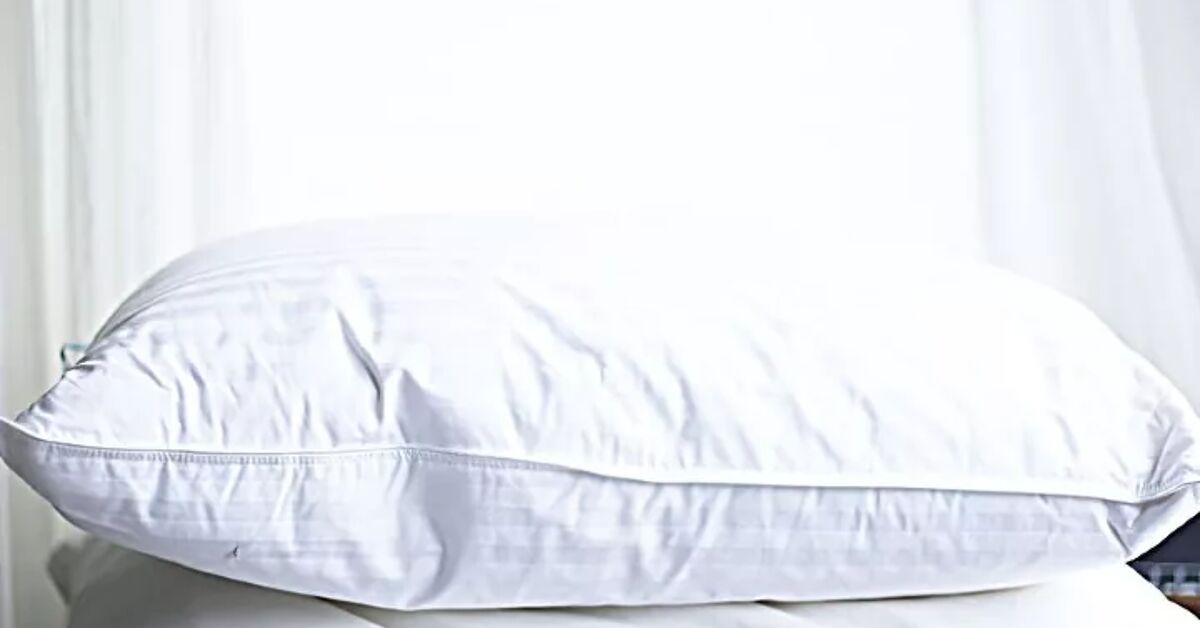
Pillows work the night shift. While you sleep, they collect sweat, skin oils, hair products, dust, saliva, and whatever mysterious substance appeared after that midnight snack you definitely did not eat in bed. A clean pillowcase helps, but it cannot protect the pillow underneath forever.
Learning how to wash pillows correctly can improve freshness, reduce lingering odors, and help your bedding feel more comfortable. The tricky part is that pillows are not all made alike. A polyester pillow may happily tumble through a washing machine, while a solid memory foam pillow may emerge looking like a very expensive kitchen sponge.
This guide explains how to clean pillows by material, treat stains, remove odors, dry the filling completely, and avoid the mistakes that turn a simple laundry job into a fluffy disaster.
How Often Should You Wash Your Pillows?
Most washable bed pillows benefit from a thorough cleaning approximately every three to six months. The best schedule depends on how the pillow is used and what happens in your bedroom.
Consider washing pillows more frequently when:
- You sweat heavily while sleeping.
- You have allergies or are sensitive to dust.
- Pets sleep on the bed.
- You frequently use facial oils, creams, or hair products.
- The pillow has been exposed to illness, spills, or humid conditions.
- You sleep without a zippered pillow protector.
Pillowcases should generally be washed with the rest of your sheets, usually once a week. A removable pillow protector can be washed every few weeks or according to its label. These washable layers reduce the amount of oil and moisture reaching the pillow itself.
However, washing is not a resurrection spell. If a pillow remains lumpy, flat, smelly, or uncomfortable after cleaning, replacement may be more sensible than another heroic spin cycle.
Read the Care Label Before Doing Anything
The most important pillow-cleaning hack is also the least glamorous: read the tag. The manufacturer’s care instructions outrank general internet advice because they account for the exact fabric, filling, adhesives, seams, and construction of that product.
Look for phrases such as:
- Machine wash cold
- Gentle cycle
- Spot clean only
- Do not bleach
- Do not tumble dry
- Dry flat
- Dry-clean only
If the label has disappeared into the same alternate dimension that stores missing socks, identify the filling as accurately as possible. Down, feather, polyester, shredded foam, solid memory foam, latex, buckwheat, and decorative inserts require different cleaning methods.
What You Need to Wash Pillows
Gathering supplies before soaking a pillow prevents the awkward experience of holding a dripping cushion while searching for detergent.
- A small amount of mild liquid laundry detergent
- A washing machine or large clean tub
- Clean white cloths
- A soft brush, if the fabric permits gentle brushing
- Dryer balls or clean tennis balls placed inside socks
- A drying rack or clean ventilated surface
- A vacuum with an upholstery attachment for foam pillows
- Baking soda for dry deodorizing
- An appropriate stain treatment compatible with the care label
Liquid detergent is often preferable to powder because it dissolves more easily and is less likely to become trapped in thick filling. Use less detergent than you would for a regular clothing load. A pillow is surprisingly good at holding soap hostage.
How to Wash Pillows in a Washing Machine
Many polyester, fiberfill, down, and feather pillows are machine washable. Never assume, though; verify the care label first.
Step 1: Remove Covers and Inspect the Pillow
Take off the pillowcase and removable protector. Examine the outer shell for weak seams, holes, or escaping feathers. Mend small tears before washing. Otherwise, your machine may end up hosting a snow globe made of polyester fluff.
Step 2: Pretreat Visible Stains
Blot fresh moisture with a clean cloth. Apply a small amount of mild liquid detergent or label-safe stain remover to stained areas. Work it in gently with your fingers or a soft cloth, then allow it to sit briefly. Avoid aggressive scrubbing, which can spread the stain or damage the shell.
Step 3: Balance the Washer
Wash two similar pillows at the same time when possible. Placing one pillow on each side helps balance the drum and encourages more even cleaning. In a large top-loading machine, position pillows vertically rather than wrapping them tightly around a central agitator.
A front-loading machine or a top-loader without a tall center agitator is usually the gentlest option. If your pillows are large and tightly compressed in the washer, use a commercial machine with more room.
Step 4: Choose a Gentle Cycle
Follow the care tag for water temperature. Cool or warm water is commonly recommended, but the correct setting varies by pillow. Select a gentle, delicate, or bedding cycle and use a small dose of mild detergent.
Avoid fabric softener unless the manufacturer specifically allows it. Softener can coat fibers, trap residue, and reduce the loft of some fillings.
Step 5: Run an Extra Rinse
Thick pillows can retain detergent deep inside the filling. An extra rinse helps remove trapped soap, which may otherwise create stiffness, odors, or clumps. An additional spin cycle can also remove more water and shorten drying time, provided the label permits it.
How to Wash Polyester and Down-Alternative Pillows
Polyester and down-alternative pillows are often among the easiest types to clean. Most can be machine washed on a gentle cycle with cool or warm water and a modest amount of liquid detergent.
- Inspect the seams and repair any holes.
- Pretreat stains gently.
- Wash two pillows together to balance the machine.
- Select a delicate cycle and follow the label’s temperature instructions.
- Use an extra rinse to remove detergent thoroughly.
- Tumble dry on low heat or an air-only setting if permitted.
Polyester fill may clump during washing. Dryer balls help separate the fibers as the pillow dries. Pause the dryer occasionally, massage the pillow with your hands, and break apart any damp knots.
How to Wash Down and Feather Pillows
Many down and feather pillows can be washed, but they require careful rinsing and complete drying. Check for holes before beginning because wet feathers are talented escape artists.
Use a small amount of mild, low-sudsing liquid detergent. Wash on the setting listed on the care label, generally a gentle cycle. Run an extra rinse so soap does not remain in the feather clusters.
Dry down and feather pillows on low heat or according to the manufacturer’s instructions. Add dryer balls to separate the filling and restore loft. Stop the dryer periodically, shake the pillow, and feel for damp pockets near the center and corners.
A pillow can feel dry on the surface while remaining moist inside. Continue drying until the filling is completely dry. Moisture trapped in feathers may cause clumping, musty smells, or microbial growth.
How to Clean a Memory Foam Pillow
Solid memory foam should generally not be placed in a washing machine or dryer. Machine agitation can tear the foam, while heat may alter its shape and structure. Some shredded-foam pillows have washable components, but only the product label can settle that argument.
Routine Cleaning
- Remove and wash the removable cover separately.
- Vacuum both sides of the foam using an upholstery attachment.
- Sprinkle a light layer of baking soda over the surface for deodorizing.
- Leave it for approximately 30 to 60 minutes.
- Vacuum the baking soda away thoroughly.
Spot-Cleaning Foam
Mix a small amount of mild detergent with cool or lukewarm water. Dampen a clean white cloth with the solution and blot the stain from the outside toward the center. Do not saturate the foam. Use a second cloth lightly dampened with clean water to remove residue.
Press the area gently with a dry towel, then leave the pillow in a well-ventilated location until it is dry all the way through. Do not put the cover back on while the foam is even slightly damp.
How to Clean Latex Pillows
Latex pillows are commonly spot-clean only, although care instructions differ by brand. Avoid machine agitation, wringing, strong cleaners, and high heat unless the manufacturer explicitly approves them.
Remove the washable cover, vacuum loose dust, and blot stains with a barely damp cloth and mild detergent solution. Rinse by blotting with another damp cloth. Allow the latex core to dry flat in a ventilated area away from intense heat.
Never twist a latex or foam pillow to force out water. Twisting may split the material internally even when the outside still looks acceptable.
How to Wash Throw Pillows and Decorative Pillows
Decorative pillows may include embroidery, glued trim, beads, tassels, delicate dyes, or nonwashable inserts. Start by checking whether the cover is removable.
Removable Covers
Zip the cover closed and wash it according to its label. Delicate or decorated covers may need hand washing, a mesh laundry bag, or professional cleaning. Air drying can reduce shrinkage and protect ornamental details.
Nonremovable Covers
Vacuum the pillow using low suction, then spot-test any cleaning solution on a hidden area. Blot stains rather than soaking the entire pillow. If the item is labeled dry-clean only or has elaborate embellishments, let a professional handle it. This is cheaper than explaining why the beaded peacock now looks like a plucked chicken.
How to Remove Yellow Stains and Odors
Yellow pillow stains typically develop from body oils, sweat, skin products, and moisture. The correct treatment depends on the shell fabric and filling.
For Machine-Washable Pillows
Pretreat stained areas with a small amount of liquid detergent or a compatible enzyme-based stain remover. Let the treatment work for the period recommended on its packaging, then wash according to the pillow label.
Do not automatically reach for chlorine bleach. It may weaken fibers, damage certain fillings, discolor fabric, or react poorly with bodily stains. Use bleach only when both the care label and product directions permit it.
For Nonwashable Foam
Use the blotting method rather than soaking. For general odors, dry deodorizing with baking soda and vacuuming is safer than pouring fragrance or cleaner into the foam.
Perfume does not remove odor; it simply puts a tiny hat on it. The real solution is removing residue and drying the pillow completely.
How to Dry Pillows Without Ruining Them
Drying is not an afterthought. It is half the cleaning process.
Machine Drying
If the label permits tumble drying, select low heat, no heat, or an air-only setting. Add two or three dryer balls to encourage airflow and prevent clumping. Check the pillow every 20 to 30 minutes, rotate it, and loosen the filling by hand.
Large pillows may require several cycles. Do not raise the heat merely because patience has left the laundry room. Excessive heat can damage synthetic fibers, foam components, waterproof liners, or decorative fabrics.
Air Drying
Place the pillow flat on a clean drying rack in a ventilated area. Turn it regularly so both sides dry evenly. A fan can improve airflow. Avoid placing foam or latex directly on a hot radiator or other intense heat source.
Before returning any pillow to the bed, squeeze several areas, especially the center and corners. Check for coolness, heaviness, clumps, or a damp smell. Those are signs that drying is not finished.
Proven Pillow-Washing Tricks and Hacks
Use Less Detergent
Excess detergent creates excess rinsing. A small amount is generally sufficient because pillows are bulky but not necessarily heavily soiled throughout.
Wash Similar Pillows Together
Pair pillows of approximately equal size and weight. Washing a small decorative cushion with a waterlogged king-size pillow does not create balance; it creates laundry-room interpretive dance.
Add an Extra Rinse
An extra rinse is particularly helpful for down, feather, and thick synthetic pillows because residue can remain trapped in the filling.
Massage Clumps While Drying
Pause the dryer or air-drying process and separate damp clusters with your fingers. Doing this several times is more effective than waiting until the pillow is completely dry and shaped like a bag of dinner rolls.
Use Zippered Pillow Protectors
A washable protector creates another barrier against sweat, oils, allergens, and spills. It does not eliminate the need to clean the pillow, but it may help extend the time between deep washes.
Choose a Larger Washer When Necessary
A pillow needs space for water and detergent to circulate. If it is wedged tightly against the drum, visit a laundromat with a large-capacity washer rather than forcing the load.
Pillow-Washing Mistakes to Avoid
- Skipping the label: Generic advice cannot account for every material or brand.
- Machine washing solid foam: Agitation may tear or permanently distort it.
- Using too much detergent: Residue becomes difficult to rinse from thick filling.
- Using high heat automatically: Heat may shrink fabric or damage internal materials.
- Washing a torn pillow: Small openings can become large ones during agitation.
- Overloading the washer: Crowded pillows clean and rinse unevenly.
- Returning a damp pillow to the bed: Trapped moisture can produce musty odors and unwanted growth.
- Covering odor with fragrance: Scented sprays do not remove the source of the smell.
When Should You Replace a Pillow Instead of Washing It?
Cleaning removes dirt, but it cannot restore broken-down support. Consider replacing a pillow when it:
- Stays flat after washing and fluffing
- Contains permanent hard lumps
- Has a persistent musty or sour odor
- Shows signs of mold
- Has widespread stains that do not respond to safe treatment
- No longer supports your preferred sleeping position
- Has damaged foam, leaking fill, or weakened seams
For a quick test, fold a traditional fiber or feather pillow in half and release it. A healthy pillow should begin returning to its original shape. If it remains folded like a sleepy taco, its supporting days may be over.
Experiences From Real-World Pillow Washing
The first lesson learned from washing pillows is that the washing itself is rarely the difficult part. Drying is where confidence goes to be tested. A pillow can spend an hour in the dryer, feel warm and fluffy on the outside, and still hide a cool, damp center. Checking only the surface is one of the easiest mistakes to make.
A practical approach is to remove the pillow after each low-heat cycle, press the center firmly, and compare its weight with a dry pillow of the same type. Damp filling tends to feel heavier and may form dense clusters. Shaking, rotating, and massaging the pillow between cycles dramatically improves the result.
Another useful experience involves detergent. The natural instinct is to add more soap when a pillow looks yellow or smells stale. In practice, additional detergent often creates a new problem: repeated rinses and a pillow that feels stiff after drying. Pretreating the visible stain and using a modest dose in the washer generally works better than flooding the entire load with suds.
Washer balance also matters more than expected. Washing a single pillow can cause heavy thumping during the spin cycle. Adding a second pillow of similar size usually produces a calmer, more efficient load. When only one pillow needs cleaning, a few washable towels may help balance some machines, but the appliance manual and pillow label should be consulted first.
Solid memory foam provides a different lesson. Even careful hand soaking can leave a dense foam core wet for an uncomfortably long time. Spot-cleaning, vacuuming, deodorizing with baking soda, and regularly washing the removable cover are often safer and more manageable. The goal is controlled cleaning, not convincing the foam that it has joined a swim team.
Pillow protectors have also proven their value. A zippered protector catches much of the sweat, oil, and product residue that would otherwise penetrate the pillow shell. Washing a thin protector is far easier than drying a saturated pillow, especially during cold or humid weather.
Timing the job makes a noticeable difference. Starting early in the morning leaves enough time for multiple dryer cycles or several hours of air drying. Beginning at 9 p.m. creates a less charming situation in which the household must choose between a damp pillow and an improvised tower of folded towels.
Finally, not every pillow should be saved. Washing can freshen a structurally sound pillow, but it cannot restore support once the filling has permanently collapsed. When a pillow remains lumpy, smells unpleasant after complete cleaning, or causes discomfort, replacing it is not admitting defeat. It is simply retiring a hardworking piece of bedding before it applies for overtime.
Conclusion: Cleaner Pillows Without the Laundry Drama
The safest way to wash pillows begins with identifying the filling and reading the care label. Polyester, down-alternative, feather, and down pillows are often machine washable, while solid memory foam and latex usually require vacuuming and spot treatment. Gentle cleaning, minimal detergent, thorough rinsing, and patient drying protect both the filling and the outer shell.
Wash two compatible pillows together when possible, inspect seams before starting, use low heat only when permitted, and never place a pillow back on the bed while it is damp. Add a washable protector afterward, and future cleaning sessions should be easier, faster, and considerably less dramatic.










