
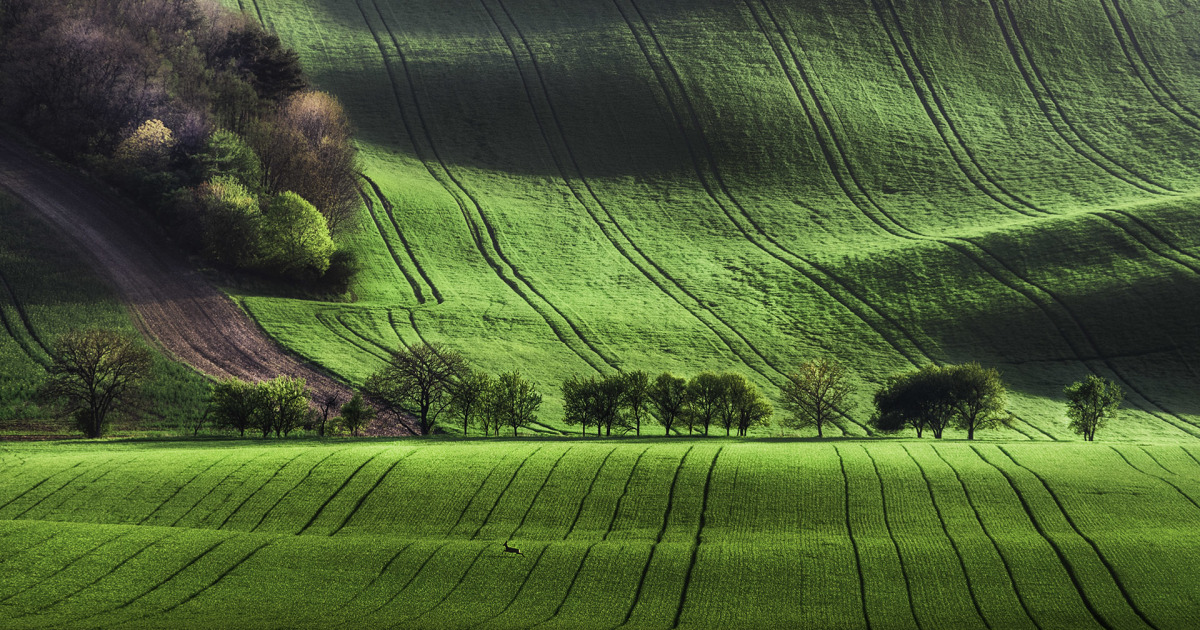
Some regions announce themselves with skyscrapers, beaches, or mountains that look like they were designed by a dramatic film director with a fog machine. South Moravia, in the Czech Republic, does something quieter and sneakier. It waits for the light to soften, lets the vineyards glow, places a castle on a hill, adds a church tower in the distance, and then casually ruins your plan to take “just a few photos.”
I came to the South Moravian Region expecting pretty scenery. I left with a full memory card, dusty shoes, a suspiciously improved appreciation for white wine, and the firm belief that this corner of Czechia is one of Central Europe’s most photogenic travel destinations. From Brno’s architectural confidence to Mikulov’s wine-country romance, from the dreamlike Lednice-Valtice landscape to the mysterious caves of the Moravian Karst, South Moravia feels like a region made for travelers who love beauty with personality.
This is not the loudest place in Europe. That is exactly the point. South Moravia is gentle, historic, sunlit, and sometimes hilariously charming. It gives you UNESCO sites, medieval towns, underground rivers, rolling vineyards, bike trails, cellar lanes, and sunsets that behave like they have a professional lighting crew hiding behind the hills.
Why South Moravia Is A Dream For Travel Photography
South Moravia is the warm, fertile, wine-loving heart of the Czech Republic. While Prague often gets the spotlight, this region offers a different kind of magic: open countryside, slow travel, friendly towns, and landscapes that change beautifully from morning to evening. For photographers, bloggers, and curious travelers, it is a gift basket with a lens cap attached.
The region’s appeal comes from variety. In one trip, you can photograph Gothic church towers in Brno, pastel chateaux in Lednice, limestone cliffs in Pálava, vineyard rows near Mikulov, subterranean caves near Blansko, and historic streets in Znojmo. The scenery never feels repetitive. Even the fields seem to understand composition.
South Moravia is also deeply connected to wine culture. The vineyards are not just background decoration; they shape the villages, festivals, routes, food, architecture, and daily rhythm. The famous Moravian Wine Trails stretch across the landscape, linking towns, cellar lanes, and viewpoints. For visitors, that means the journey between places is often as beautiful as the destination itself.
Brno: The Urban Gateway With A Creative Pulse
Brno, the capital of South Moravia, is often described as the Czech Republic’s second city, but that phrase does not do it justice. Brno is not “Prague’s younger sibling.” It is more like the clever friend who knows excellent coffee shops, understands modern architecture, and tells old legends with a straight face.
Cathedral Of St. Peter And Paul
The Cathedral of St. Peter and Paul, rising above Petrov Hill, is one of Brno’s most recognizable landmarks. Its twin spires create a dramatic skyline, especially at sunrise or blue hour. From certain streets below, the cathedral appears suddenly between buildings, like a Gothic exclamation point. It is a strong photo subject because it works from almost every angle: close-up details, wide city views, silhouettes, and atmospheric street shots.
Špilberk Castle And City Views
Špilberk Castle gives Brno a historic crown. Walking up to it is a mild workout, which I chose to interpret as “cultural cardio.” From the hill, the city spreads out in layers: red roofs, church towers, modern blocks, and green pockets. The castle itself carries a heavy history, but today it also offers some of the best panoramic views in Brno.
Villa Tugendhat And Modernist Elegance
Villa Tugendhat is one of the region’s most important architectural treasures. Designed by Ludwig Mies van der Rohe, it is a UNESCO-listed masterpiece of modern architecture. For photographers, the villa is fascinating because it is not decorative in the traditional castle-and-turret sense. Its beauty comes from space, proportion, material, light, and restraint. It proves that a building can whisper and still completely dominate the conversation.
Brno also rewards wandering. The Cabbage Market, old passages, café culture, functionalist buildings, and tram-filled streets create a lively contrast to South Moravia’s rural calm. It is the perfect starting point because it introduces the region’s personality: smart, historic, stylish, and just quirky enough to stay interesting.
Lednice-Valtice: The Garden Of Europe
If South Moravia had a fairytale department, Lednice-Valtice would be the flagship project. This UNESCO World Heritage cultural landscape is one of the region’s most famous attractions, and for good reason. It combines chateaux, gardens, ponds, romantic buildings, tree-lined paths, and countryside views into one enormous designed landscape.
The Lednice-Valtice Cultural Landscape is often called the “Garden of Europe,” and the name fits. It feels less like a single attraction and more like a carefully arranged world. Lednice Chateau brings neo-Gothic drama, delicate interiors, greenhouses, and elegant gardens. Valtice adds Baroque grandeur and a strong connection to wine culture. Between them, the landscape opens into parks, lakes, and small architectural surprises.
Photographing Lednice Chateau
Lednice Chateau is the kind of place that makes cameras nervous. There are too many angles. The pale facade, ornate details, formal garden lines, and reflections all compete for attention. Early morning is excellent for cleaner shots and softer light. Late afternoon gives warmth to the stone and makes the gardens feel more cinematic.
One of the best ways to photograph Lednice is to step back. The building is beautiful up close, but its relationship with the surrounding park is what makes it memorable. Let trees frame the chateau. Use pathways as leading lines. Include people when you want scale, or avoid them when you want the place to feel like a private dream you accidentally entered.
Valtice And Wine Country Grandeur
Valtice feels more grounded in wine culture. The chateau and town sit comfortably among vineyards, tasting rooms, and cellar traditions. It is elegant without being stiff. The streets are pleasant to explore, and the wider area offers warm views over the surrounding countryside. For travel photography, Valtice works especially well as part of a broader wine-country story: architecture, glasses, vines, doors, cellars, and golden-hour roads.
Mikulov: The Postcard That Learned To Pour Wine
Mikulov may be one of the most photogenic towns in Moravia. It rises beautifully from the vineyard landscape, with Mikulov Castle watching over red roofs, church towers, and winding streets. The town has history, charm, and a location that seems designed to make visitors say, “Wait, I need one more photo,” approximately every seven steps.
The castle is the obvious focal point, but Mikulov’s beauty is not limited to one building. The town’s old center is full of soft colors, courtyards, wine bars, and small details. Doors, signs, cobblestones, and window boxes all help tell the story. It is a place where wide shots and detail shots are equally rewarding.
Holy Hill And The Best View Over Mikulov
For one of the most memorable views, climb Holy Hill, known locally as Svatý Kopeček. The walk is not extreme, but it does remind you that cameras, water bottles, and optimism all have weight. At the top, the reward is worth it. Mikulov spreads below with the castle, rooftops, vineyards, and Pálava hills forming a layered composition.
Sunset from Holy Hill is a classic South Moravian experience. The light turns the vineyard rows gold, the town softens, and the landscape feels wider than it looked from below. It is the sort of place where even people who claim they are “not into photography” suddenly become very serious about framing.
Pálava: Limestone Hills, Vines, And Big Sky
The Pálava Protected Landscape Area is one of South Moravia’s natural highlights. Its limestone hills rise above vineyards and villages, giving the region a distinctive profile. Around Mikulov and Pavlov, the landscape becomes especially expressive: white cliffs, dry grasslands, ruins, vineyards, and open skies.
Pálava is perfect for hikers who like rewarding views without needing mountaineering equipment or a dramatic survival documentary soundtrack. Trails connect scenic points such as Děvičky castle ruins, Děvín, and other ridgeline viewpoints. The region is also known for biodiversity, warm slopes, and conditions that support grape growing.
Capturing The Mood Of Pálava
The best photographs in Pálava often come from patience. Midday light can be harsh, especially on limestone, but morning and evening transform the landscape. The hills take on texture, the vineyards create patterns, and shadows add depth. A simple scene of vines and sky can become unforgettable when the light hits at the right angle.
Pálava also gives South Moravia a sense of wildness. It is not wilderness in the remote, lonely sense. It is a cultivated and natural landscape living side by side. That balance makes it visually rich: ruins above vineyards, paths beside protected plants, villages below rocky slopes.
Moravian Karst: Underground Beauty Near Brno
Not all of South Moravia’s beauty is above ground. The Moravian Karst, north of Brno, offers caves, gorges, limestone formations, and the famous Macocha Abyss. It is a reminder that the region’s scenery is not just about wine and sunny hills. Sometimes South Moravia turns off the lights and says, “Follow me into a cave.”
The Punkva Caves are among the most popular experiences in the area. A guided tour takes visitors through dramatic underground spaces, with stalactites, chambers, and a boat ride along the underground Punkva River. It is atmospheric, slightly surreal, and wonderfully different from the open vineyard landscapes elsewhere in the region.
Macocha Abyss And Dramatic Scale
The Macocha Abyss is one of the most dramatic natural sights in the Moravian Karst. Looking into it gives you that strange mix of awe and respect that only deep holes in the Earth can produce. From a photography perspective, it is challenging but rewarding. The scale is immense, the contrast is strong, and weather can change the mood quickly.
For travelers building a South Moravia itinerary, the Moravian Karst adds important variety. After castles, vineyards, and towns, the caves feel like entering another chapter. They make the region feel deeper, literally and emotionally.
Znojmo: Wine, History, And Streets With Secrets
Znojmo sits near the Austrian border and brings together history, wine, and a beautifully preserved old center. It is one of those towns where the surface is already attractive, and then you learn there is an extensive underground network beneath the streets. South Moravia likes layers, apparently.
The historic center includes viewpoints, churches, towers, courtyards, and the Romanesque Rotunda of St. Catherine. The town’s underground corridors are another highlight, giving visitors a sense of medieval practicality, defense, storage, and mystery. Above ground, Znojmo is strongly connected to wine culture, especially crisp white wines that suit the region’s climate and food.
Why Znojmo Belongs In A Photo Essay
Znojmo has a different mood from Mikulov. It feels more medieval, more textured, and more secretive. The views toward the Dyje River valley are beautiful, and the old town offers strong compositions with towers, walls, and narrow streets. It is a place for photographers who like atmosphere as much as postcard perfection.
In travel storytelling, Znojmo adds depth. It shows that South Moravia is not only romantic vineyards and chateaux. It is also borderland history, underground passages, old stones, and quiet corners where the past feels close enough to touch.
Moravian Wine Trails And Cellar Villages
No journey through South Moravia is complete without following at least part of the Moravian Wine Trails. These marked routes stretch across the region, passing vineyards, villages, cellar lanes, orchards, and cultural landmarks. Whether you ride a bike, drive between towns, or simply walk short sections, the trails reveal the landscape at a human pace.
The cellar villages are especially photogenic. Places such as Velké Bílovice, Mutěnice, Pavlov, and Vrbice are known for wine cellars, colorful facades, and lanes that seem built for slow wandering. Vrbice, with its hillside cellars, feels almost hobbit-like in the best possible way. The doors are small, the atmosphere is warm, and the temptation to photograph every entrance is extremely real.
Wine culture here is welcoming rather than intimidating. You do not need to speak fluent sommelier. You can enjoy the experience by noticing the setting, asking simple questions, tasting local varieties, and pairing the wine with regional food. South Moravia makes wine feel connected to place, not just to a glass.
Best Times To Capture South Moravia
Spring brings fresh green vineyards, blossoms, and gentle weather. It is ideal for photographing renewal, fields, and villages before peak travel season. Summer offers long days, festivals, outdoor dining, and strong colors, though photographers should plan around early and late light to avoid harsh midday contrast.
Autumn may be the most magical season for South Moravia photography. The vineyards turn gold, harvest energy fills the towns, and the light becomes warmer. Mikulov, Pálava, Lednice-Valtice, and the wine trails are especially beautiful during this period. Winter is quieter, moodier, and less crowded, with bare vines, misty fields, and atmospheric city scenes in Brno and Znojmo.
Photography Tips For South Moravia
Use The Landscape’s Natural Lines
Vineyard rows, castle paths, cellar lanes, and ridgelines all create natural leading lines. Use them to guide the viewer’s eye. South Moravia is full of patterns, especially in wine country, so look for repetition and rhythm.
Don’t Photograph Only The Famous Places
The major landmarks are worth capturing, but some of the best images come from side streets, roadside views, cellar doors, market stalls, and quiet village corners. South Moravia rewards curiosity.
Chase Golden Hour, Not Crowds
Sunrise and sunset are your best friends. They soften the region’s hills, warm the chateaux, and add drama to Brno’s skyline. Midday is better for interiors, caves, markets, and shaded streets.
Include People For Scale And Story
A cyclist on a wine trail, a couple walking through Lednice gardens, or a winemaker near a cellar can make a scene feel alive. Landscapes are beautiful; human moments make them memorable.
My Extended Experience Capturing The Most Beautiful Places In South Moravia
What stayed with me most about South Moravia was not one perfect photograph. It was the rhythm of the trip. The region does not rush you from attraction to attraction. It invites you to slow down, look longer, and notice how beauty changes depending on the hour. A vineyard in the morning feels clean and hopeful. The same vineyard near sunset feels romantic and cinematic. A castle in bright daylight looks impressive. That same castle after the crowds thin becomes personal, almost private.
In Brno, I learned to enjoy the mix of old and modern. I would photograph a cathedral tower, then turn a corner and find a café full of students, designers, and people who looked like they knew exactly which pastry was best. The city has confidence without arrogance. It is historic but not frozen. My camera loved the skyline, but I also found myself capturing tram lines, market colors, stone details, and reflections in windows. Brno reminded me that beautiful travel photography is not always about grand views. Sometimes it is about timing, movement, and small urban surprises.
Lednice-Valtice felt like stepping into a landscape designed by someone who had never heard the phrase “too much of a good thing.” There were gardens, lakes, buildings, paths, and chateaux, all arranged with theatrical elegance. I remember trying to photograph Lednice Chateau from the obvious front angle, then realizing the better image came from slightly off to the side, where trees softened the frame. That is a lesson South Moravia teaches often: move a little, wait a little, and the scene improves.
Mikulov gave me the strongest emotional connection. Climbing toward Holy Hill with the town below, I could see why travelers fall hard for this place. The castle looked proud but not distant. The vineyards rolled outward like a green and gold invitation. When the light began to drop, the whole scene became warmer, quieter, and more expressive. I took too many photos, naturally. But the best moment was when I stopped shooting for a minute and just watched the town settle into evening.
The Moravian Karst gave the journey contrast. After days of sunlight and vines, entering the Punkva Caves felt like crossing into another world. The air cooled, the sound changed, and the shapes around me became ancient and strange. Photographing caves is difficult because the light is limited and the atmosphere does not behave like an outdoor landscape. Still, the experience mattered. It reminded me that South Moravia’s beauty is not only soft and golden. It can also be dark, mineral, mysterious, and powerful.
Znojmo, meanwhile, felt like a town full of secrets. Its streets had texture, and its underground history added a sense of hidden depth. I enjoyed photographing the contrast between open viewpoints and narrow lanes, between wine culture and medieval stone. Znojmo is not as immediately polished as some famous European towns, and that is part of its charm. It feels lived in, layered, and honest.
By the end of the trip, I understood that South Moravia is not just a destination for photographers. It is a destination that teaches you how to see. It asks you to notice light on limestone, shadows in castle gardens, the curve of a cellar lane, the humor of a city legend, the patience of vineyards, and the quiet pride of towns that do not need to shout to be beautiful. I came to capture the most beautiful places in the South Moravian Region of the Czech Republic. I left feeling that I had captured only the beginning.
Conclusion
South Moravia is one of the Czech Republic’s most rewarding regions for travelers who love photography, culture, wine, architecture, and landscapes with soul. It offers the urban creativity of Brno, the UNESCO elegance of Lednice-Valtice, the vineyard romance of Mikulov, the natural drama of Pálava, the underground wonder of the Moravian Karst, and the historic charm of Znojmo.
What makes South Moravia unforgettable is not only that these places are beautiful. It is that they belong together so naturally. The region feels coherent, warm, and deeply connected to its land. Castles rise above vineyards. Trails connect cellar villages. Historic towns open onto river valleys. Modern architecture sits beside medieval legends. And everywhere, the light seems to know exactly what it is doing.
For anyone planning a trip to the Czech Republic beyond Prague, South Moravia deserves serious attention. Bring comfortable shoes, extra memory cards, a relaxed schedule, and curiosity. The region will handle the rest.














