
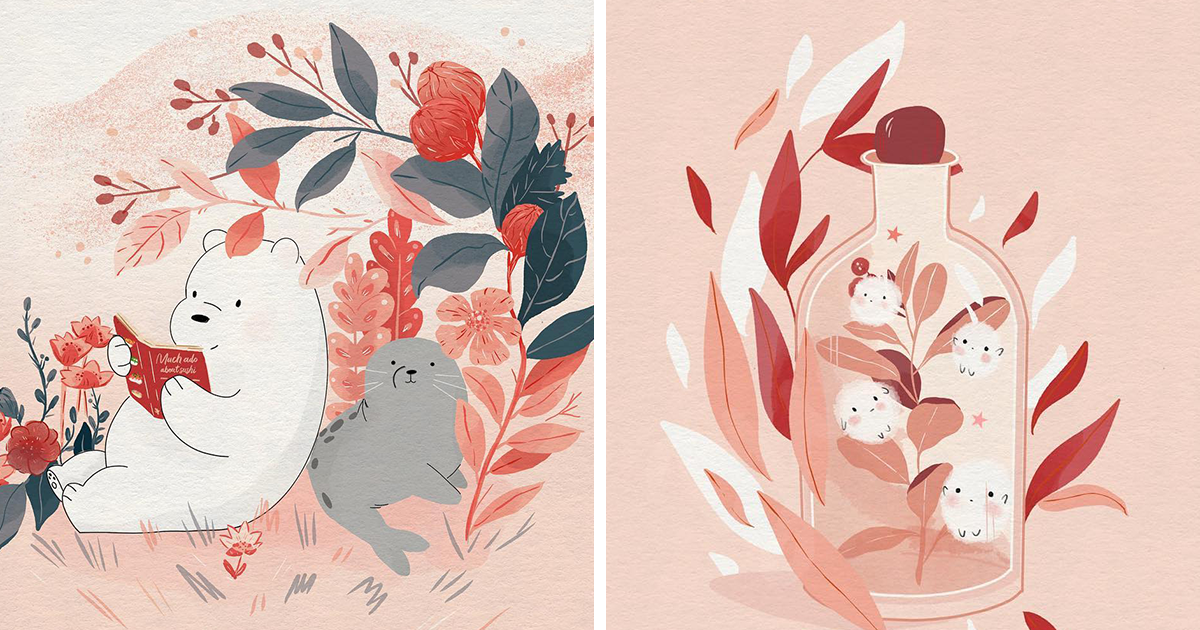
Some artists carry a sketchbook. Some carry a watercolor set. And some of us carry an iPad like it is a tiny traveling zoo with unlimited paint, no leaking tubes, and absolutely zero risk of dipping a sleeve into blue pigment five seconds before leaving the house. That is the charm of watercolor animals on an iPad: the work can feel soft, lively, and handmade, while the process stays flexible, portable, and gloriously less messy.
This is exactly why watercolor animal art has become such a lovable corner of digital illustration. It combines the dreaminess of traditional watercolor with the speed and control of digital tools. The result is a style that feels warm, expressive, and just a little magical. One fox can look sleepy and elegant. One owl can look wise and mildly judgmental. One otter can look like it knows it is the star of the internet. In other words, watercolor animals on an iPad are not just cute. They are storytelling machines with whiskers.
If the title sounds like a gallery post, that is because this kind of artwork thrives in a gallery-style format. A collection of 30 watercolor animal illustrations does not just show technical skill. It shows range, personality, mood, color play, and the artist’s ability to turn feathers, fur, scales, and sparkly little eyeballs into emotional drama. Yes, emotional drama. From a hedgehog. Art is wonderful like that.
Why watercolor animals and iPad art make such a strong pairing
Watercolor has always been great at suggesting more than it explains. A soft wash can become mist, fur, sky, or motion depending on how it is handled. That quality makes it perfect for animals, because animals rarely look interesting when they are over-explained. A tiger with every hair carefully outlined can feel stiff. A tiger built from loose color, soft edges, and a few sharp focal points feels alive. Watercolor lets the viewer participate a little, and that participation is where the magic starts.
The iPad adds another layer of freedom. Digital watercolor tools let artists build transparent washes, adjust color without panic, test compositions quickly, and preserve those happy accidents that traditional watercolor lovers adore. You can sketch lightly, drop in broad shapes, deepen shadows, and experiment with texture without worrying that one wrong move will turn your elegant swan into a suspicious potato. That freedom makes it easier to be bold, and boldness is often the missing ingredient in memorable animal art.
There is also a practical reason this style works so well online. Watercolor animal illustrations are incredibly shareable. They feel personal enough to stand out, polished enough to look professional, and playful enough to stop a scroll. A whole series of painted animals reads like a visual conversation: here is a fox with attitude, here is a rabbit made of spring colors, here is a puffin who looks like it filed taxes early and would like recognition for that.
What makes watercolor animal illustrations so appealing
Expressive eyes do the heavy lifting
In animal illustration, the eyes are usually the emotional anchor. Even in a loose watercolor style, artists often keep the eyes sharper than the rest of the painting. That contrast creates focus. A few precise highlights in the eye, a darker ring around the iris, and a well-placed shadow can turn a pretty animal painting into a portrait with personality. Suddenly the animal is not just there. It is looking back.
Loose edges make fur and feathers feel alive
One of the biggest strengths of watercolor is edge variety. Soft edges suggest fluff, motion, atmosphere, and delicacy. Hard edges signal importance. When artists mix both, the subject breathes. A watercolor fox might have a crisp eye, a clearly defined nose, and then a body that dissolves into warm orange and rust-colored blooms. That balance keeps the piece feeling fresh instead of stiff.
Color becomes part of the storytelling
Realism is not always the goal. In fact, some of the most striking watercolor animals lean into imaginative color. A blue shadow under a wolf’s chin can make the whole painting feel cooler and moodier. Pinks in a rabbit’s ears can add warmth and vulnerability. Teals and violets in a bird can push the image toward fantasy without losing the recognizable shape of the animal. Color tells the emotional truth, even when it ignores literal reality.
Texture sells the illusion
Digital watercolor lives or dies by texture. If everything is too smooth, the piece can look sterile. If the paper grain, dry-brush marks, blooms, splatters, and layered transparency are handled well, the result feels tactile and believable. Great iPad watercolor art does not try to hide that it is digital. It borrows the best visual qualities of traditional media, then uses digital control to refine them.
A simple workflow for painting watercolor animals on an iPad
Start with the silhouette, not the tiny details
Before worrying about fur direction or eyelashes, block in the biggest shapes. The head tilt, spine curve, ear placement, and body posture matter more than individual details at the beginning. A strong silhouette is what makes a fox look sly, a bear look solid, or a flamingo look like it was born knowing its angles.
Lay in transparent washes first
Watercolor style works best when the early layers stay light and breathable. Think of those first passes as atmosphere rather than final color. You are not trying to “finish” the animal in one heroic move. You are building a soft foundation. The best digital watercolor pieces often feel layered, not stamped.
Save the crisp details for focal areas
Once the main shapes and colors are in place, sharpen only what deserves attention. Usually that means the eyes, nose, beak, and a few key fur or feather lines around the face. If every inch is equally detailed, the painting loses rhythm. Watercolor style needs room to whisper, not just shout.
Add texture, blooms, and controlled chaos
This is where the fun begins. Soft color bleeds, grainy edges, paper texture overlays, and occasional splatters can make the image feel lively and handmade. A little randomness is your friend. Not “I accidentally destroyed the painting” randomness. More like “I let the image keep some personality” randomness.
30 watercolor animal ideas that would absolutely deserve the “30 Pics” treatment
- A sleepy red fox curled into a cinnamon-colored ball.
- A barn owl painted in moonlit grays and silver blues.
- An otter floating on its back like it owns the river.
- A hedgehog with soft brown spikes and rosy cheeks.
- A puffin with a bright beak and stormy sea shadows.
- A deer standing in a wash of golden autumn leaves.
- A hummingbird built from jewel tones and blur.
- A rabbit in pale spring greens and pinks.
- A wolf portrait with indigo shadows and amber eyes.
- A panda in soft ink-like washes with bamboo accents.
- A tiger face emerging from warm oranges and smoky blacks.
- A koala with eucalyptus greens bleeding into the background.
- A flamingo made from coral pink splashes and long elegant lines.
- A polar bear with cool blue grays instead of plain white.
- A tabby cat with expressive whiskers and a dramatic side-eye.
- A dachshund whose ears do more acting than most movie stars.
- A horse with windswept mane and dusty earth tones.
- A raccoon that looks charming and vaguely untrustworthy.
- A sea turtle in layered turquoise and mossy green.
- A penguin chick painted with fluffy, almost cloudlike edges.
- A peacock feather study built with transparent glaze effects.
- A frog with bold greens, speckles, and wet-looking highlights.
- A squirrel mid-snack, because tiny paws improve everything.
- A lion portrait using ochre, sienna, and smoky violet shadows.
- A swan with soft reflections melting into the water.
- A crow in moody blacks with blue-violet undertones.
- A giraffe with warm patterned washes and sunlit edges.
- A seal pup in cool neutrals and soft shadow pools.
- A butterfly composition with layered transparent wings.
- A sleepy sloth hanging from a watercolor jungle branch.
Why a 30-piece animal series works so well for artists and audiences
A collection of 30 images gives an artist enough room to explore without becoming repetitive. One piece can be soft and minimal. Another can be bright and whimsical. Another can lean realistic. Another can go full storybook. The repetition of the theme creates cohesion, while the variety of species, colors, and moods keeps the viewer interested. That is the sweet spot.
Series work also reveals artistic voice. Anybody can make one nice painting on a good day with enough coffee and determination. A full series is different. A series shows habits, instincts, preferences, and visual identity. It shows whether the artist loves muted neutrals or punchy color, whether they gravitate toward expressive faces or decorative backgrounds, whether they like realism or stylization. In a way, 30 watercolor animals become a visual autobiography written in paws, feathers, and paint blooms.
Common mistakes that can flatten the magic
The first mistake is over-detailing everything. Watercolor style needs breathing room. If every feather is outlined and every tuft of fur is described like a police report, the softness disappears.
The second mistake is ignoring values. Cute colors are lovely, but contrast is what gives an animal form and focus. Without value changes, the painting can look like a pretty fog. Pretty fog has its place, but maybe not when you are trying to paint a leopard.
The third mistake is treating texture like a sticker. Texture works best when it supports the structure of the painting rather than sitting awkwardly on top of it. Good texture feels integrated. Bad texture feels like the artwork fell into a craft store and could not recover.
My experience drawing watercolor animals on my iPad
What I love most about drawing watercolor animals on my iPad is how strangely personal the process feels. Even though I am using a screen, brushes, layers, and digital tools, the final result still feels intimate in the way a sketchbook page does. I usually start with a rough idea rather than a rigid plan. Maybe it is a fox I saw in a wildlife photo, maybe it is a rabbit with ears too big for its own dignity, maybe it is a crow that looks like it knows all my secrets. I begin with loose shapes and let the pose decide the personality. That part always surprises me. A tiny tilt in the head can turn an ordinary animal into a character.
The watercolor effect is what keeps me coming back. I love the moment when soft color starts to build and the piece stops looking like a sketch and starts feeling alive. On paper, watercolor can be thrilling but unforgiving. On the iPad, I get the thrill without the panic. I can test colors, soften an edge, add grain, pull back a wash, and experiment until the image feels right. It still asks for taste and restraint, but it gives me room to play. That freedom makes me braver, and brave choices almost always make better art.
Animals are especially rewarding because they are expressive without trying too hard. A dog’s tilt, an owl’s stare, a deer’s posture, a puffin’s beak, a raccoon’s little bandit face, all of it already carries emotion. I do not have to force a story onto them. I just have to notice what is already there and exaggerate it a little. That is one of the most enjoyable parts of the process. I am not only painting fur or feathers. I am painting attitude, curiosity, shyness, mischief, elegance, or pure chaos. Sometimes an animal portrait feels more honest than drawing people, which may say something profound about art, or may simply mean squirrels are excellent models.
I have also found that working in a series pushes me to improve faster. When I paint one watercolor animal, I learn something small. When I paint thirty, patterns start to appear. I notice that my warm shadows are stronger than my cool ones, or that I overwork ears but underpaint backgrounds, or that I instinctively make eyes the focal point every single time. A long series becomes its own teacher. It shows me what I rely on, what I avoid, and where the next leap in quality probably lives.
Most of all, drawing watercolor animals on my iPad reminds me that art does not have to choose between charm and skill. It can be playful and still be thoughtful. It can be cute and still be technically strong. It can feel light while demanding real observation. That balance is what makes this subject so satisfying. Every new animal is a fresh excuse to explore color, texture, gesture, and mood. And every finished piece feels like I captured not just how the animal looks, but how it feels to imagine it in paint.
Final thoughts
“I Draw Watercolor Animals With My iPad (30 Pics)” is more than a catchy title. It captures why this genre connects so quickly with people. It is approachable, expressive, modern, and full of personality. Digital watercolor animal art gives artists the softness of traditional paint, the flexibility of digital workflow, and endless room for storytelling. Whether the subject is a sleepy fox, a regal owl, a suspicious raccoon, or a penguin chick that looks like a dropped cotton ball, the appeal is the same: color, character, and charm working together in one beautifully portable medium.
And honestly, that may be the real secret. These paintings feel handcrafted, but they fit in a backpack. They look dreamy, but they are built with intention. They feel lighthearted, but they still show serious skill. That combination is hard to resist. Thirty pictures later, you are not just looking at animals. You are looking at a world the artist made feel a little softer, stranger, and more alive.














