
Note: This article is an original SEO-focused piece synthesized from reputable information about Pokémon GO, augmented reality, GO Snapshot, real-world gameplay, fan art culture, and the 2025 transition of Pokémon GO to Scopely. No source-link placeholders or contentReference tags are included.
When a Mobile Game Turns the Sidewalk Into a Story
There are games you play on a screen, and then there is Pokémon GO, the game that looked at the entire planet and said, “Nice map. Needs more Charmander.” When it launched in 2016, Pokémon GO did something delightfully strange: it convinced millions of people to leave their couches, walk through parks, gather near public landmarks, and suddenly care very deeply about whether a fictional turtle was hiding behind a fountain.
But for artists, Pokémon GO sparked another kind of adventure. It made the real world feel unfinished in the best possible way. A quiet bus stop could use a sleepy Snorlax. A rainy window practically begged for a Psyduck. A houseplant looked incomplete until Bulbasaur appeared beside it like a tiny green roommate who forgot to pay rent.
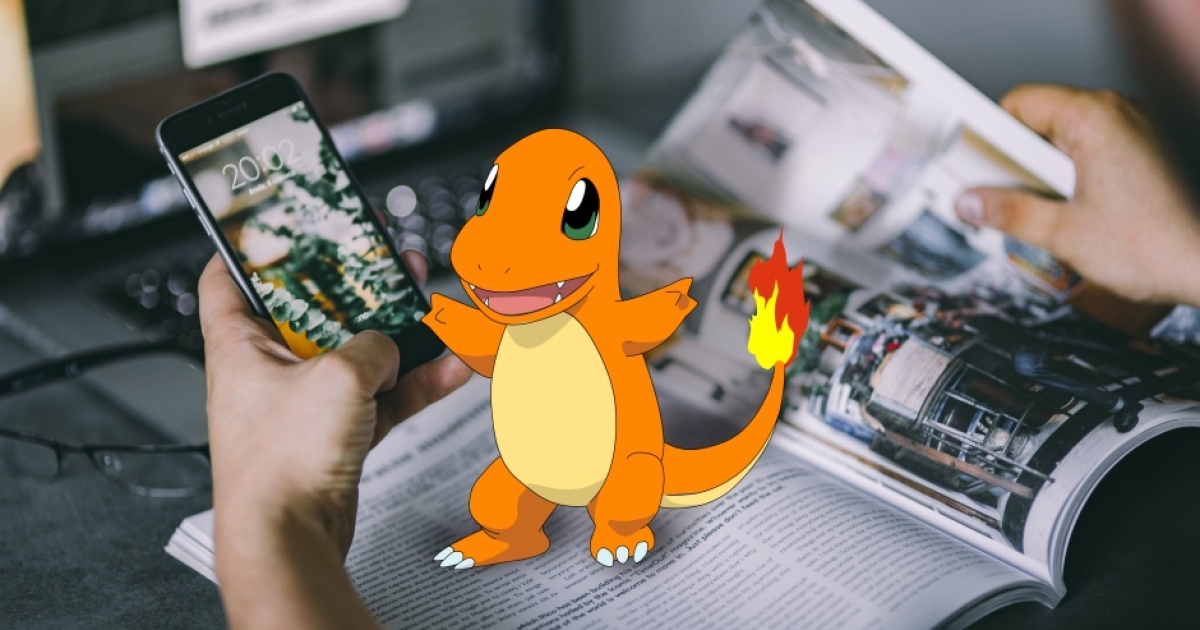
That is the heart of “I Drew Pokémon Go In Real Life”: the idea of taking the game’s augmented-reality promise and pushing it further through illustration. Instead of simply catching Pokémon through a phone camera, the artist becomes the camera, the game engine, and the slightly chaotic Professor Oak all at once. Real-life photos become playgrounds. Ordinary moments become mini adventures. The sidewalk becomes a Pokédex page with better lighting.
Why Pokémon GO Felt So Real in the First Place
Pokémon GO works because it blends three powerful things: location-based gameplay, augmented reality, and nostalgia. The game uses real-world movement, public points of interest, and map-based discovery to make players feel like Trainers in their own neighborhoods. PokéStops, Gyms, raids, Routes, Field Research, and community events all encourage players to interact with physical places instead of staying locked inside a purely digital world.
Augmented reality, or AR, adds another layer. In Pokémon GO, AR mode and later photography tools such as GO Snapshot made it possible to place Pokémon into real environments through a phone camera. Suddenly, Pikachu could appear on a kitchen table, Eevee could sit on a sidewalk, and Gengar could haunt a grocery aisle with the expression of someone who knows exactly where the discount candy is hidden.
That technical illusion became a creative invitation. If the app could make Pokémon appear in real life, why couldn’t artists draw them there too? Fan artists began adding Pokémon into photographs, sketches, street scenes, bedrooms, gardens, cafés, and travel pictures. The results often feel warmer than standard screenshots because hand-drawn Pokémon can bend with the mood of a scene. They can look mischievous, sleepy, curious, dramatic, or emotionally devastated because someone ate the last slice of pizza.
The Art Behind Drawing Pokémon Into Everyday Photos
Drawing Pokémon GO in real life is not just copying a character and pasting it onto a background. The best pieces work because the Pokémon looks like it belongs there. That means thinking like both an illustrator and a director. Where is the light coming from? Is the Pokémon standing, floating, hiding, or causing property damage? Would Squirtle leave wet footprints? Would Jigglypuff look offended in a karaoke room? Absolutely.
Lighting Makes the Illusion Believable
Lighting is the difference between “adorable magical creature” and “sticker slapped on a photo five minutes before bedtime.” If the real photo has warm sunset light, the Pokémon should carry that glow. If the scene is cloudy, the shadows should be soft. If Pikachu is standing under a desk lamp, those yellow cheeks should feel like they are catching real light. Small details like highlights, shadow direction, and color temperature help the viewer accept the fantasy.
Scale Turns a Drawing Into a Scene
Pokémon have official sizes, but real-life fan art often plays with scale for comedy and emotion. A tiny Dragonite trying to fit inside a backpack is funny. A massive Lapras floating beside a city pier feels cinematic. A huge Snorlax blocking a hallway is both hilarious and, frankly, an accurate metaphor for Monday morning.
Scale also tells the viewer how to feel. A small Pokémon in a big landscape can make the world feel gentle and whimsical. A large Pokémon squeezed into a normal room creates instant comedy. The artist’s job is not only to draw the character well but to make the size serve the story.
Interaction Is the Secret Sauce
The most charming “Pokémon in real life” drawings usually include interaction. A Pokémon should not merely float in the photo like a lost logo. It should lean on a chair, splash in a puddle, peek from behind a curtain, steal fries, nap in a laundry basket, or stare judgmentally at your unfinished homework.
Interaction creates the emotional hook. The viewer does not simply see a Pokémon; they imagine what happened before and after the moment. Maybe Charmander lit a campfire. Maybe Meowth knocked over a cup and blamed the dog. Maybe Psyduck has been standing in the rain for ten minutes wondering why being alive comes with so many questions.
Why This Concept Works So Well for SEO and Readers
The phrase “I Drew Pokémon Go In Real Life” is naturally clickable because it promises transformation. Readers understand the familiar pieces: Pokémon GO, real life, drawing, fan art. But the combination creates curiosity. What did the artist draw? Where did the Pokémon appear? Are the images funny, realistic, cute, or completely unhinged in the way only good internet art can be?
For search engines, the topic connects several related keywords: Pokémon GO fan art, Pokémon in real life, augmented reality art, GO Snapshot inspiration, digital illustration, and Pokémon drawing ideas. These phrases fit naturally because the topic sits at the intersection of gaming, art, AR technology, pop culture, and personal creativity.
For readers, it works because it does not require deep technical knowledge. You do not need to understand game development, geospatial mapping, or AR frameworks to enjoy a Bulbasaur chilling beside a potted plant. The concept is immediate: “What if the Pokémon world quietly leaked into ours?” That question is simple, visual, emotional, and extremely shareable.
Pokémon GO, Fan Art, and the Joy of Reimagining Reality
Pokémon has always been about imagination. Long before Pokémon GO, fans imagined what it would feel like to travel with a partner Pokémon, discover rare creatures in tall grass, battle friends, and build a team that felt personal. Pokémon GO moved that fantasy from handheld consoles into streets, parks, beaches, malls, and neighborhoods.
Fan art takes the next step by making the fantasy more intimate. The game might show a Pokémon standing in front of you, but an artist can decide that the Pokémon is part of your life. It can sit on your bed, ride in your car, hide in your fridge, or join your morning coffee routine. The difference is subtle but powerful: AR says, “Look, a Pokémon is here.” Illustration says, “This Pokémon has been living here rent-free and somehow everyone is okay with it.”
That is why drawn Pokémon-in-real-life projects often feel nostalgic even when they are brand new. They combine childhood imagination with adult environments. A kitchen, office, subway station, classroom, or parking lot becomes playful again. The real world gets a small upgrade, like someone installed a happiness patch overnight.
How I Would Draw Pokémon GO in Real Life
If I were building a full visual series called “I Drew Pokémon Go In Real Life”, I would start with everyday scenes instead of dramatic locations. The magic is stronger when the background is ordinary. Anyone can make a legendary Pokémon look epic beside a volcano. The real challenge is making a Pidgey look emotionally important near a bus bench.
Scene Idea 1: Pikachu at a Coffee Shop
Pikachu would sit beside a paper cup, cheeks glowing softly as if accidentally keeping the latte warm. The barista would write “Pika” on the cup because spelling “Pikachu” correctly during the morning rush is apparently too much pressure. A tiny electric shadow under the chair would make the scene feel grounded.
Scene Idea 2: Psyduck in the Bathroom Mirror
Psyduck belongs in a bathroom at 7:00 a.m., staring into the mirror with the exact expression of someone who opened their inbox too early. The lighting would be cool and slightly harsh, with little water droplets on the sink. It would be funny, but also strangely relatable. Psyduck is not confused; Psyduck is spiritually buffering.
Scene Idea 3: Bulbasaur in the Garden
Bulbasaur is basically a garden assistant with legs. I would place it between real plants, matching the green tones carefully so it blends into the leaves. The bulb on its back could catch morning light. Maybe a few soil marks on its feet would show it had been helpingor making a mess and calling it “landscaping.”
Scene Idea 4: Snorlax Blocking the Front Door
This is not just fan art. This is a documentary. Snorlax would lie across the entrance like a fluffy security system. The shadows would be heavy, the scale absurd, and one shoe would be trapped under its arm for storytelling purposes. The title could be “Running Late for Work, Send Poké Flute.”
What Artists Can Learn From Pokémon GO
Pokémon GO teaches artists a useful lesson: context changes everything. A character design can be wonderful on its own, but when placed in a real environment, it gains new meaning. A cute Pokémon becomes funnier in a serious setting. A spooky Pokémon becomes more charming when placed somewhere harmless. A powerful Pokémon becomes more surprising when shown doing something tiny and domestic.
This is also why real-life Pokémon drawings are great practice for digital artists. They require observation, composition, perspective, color matching, and storytelling. You are not just drawing a character; you are solving a visual puzzle. The background already exists, and your job is to make the fantasy obey the rules of that world just enough to feel believable.
At the same time, the art should not become too perfect. A little hand-drawn texture keeps the piece alive. If the Pokémon looks too polished, it can feel like an advertisement. If it has expressive linework and a slightly human sense of humor, it feels like fan art made with love. That emotional fingerprint is what people remember.
The Cultural Magic of Pokémon in Real Life
Part of Pokémon GO’s success came from the way it made strangers share a playful reality. People gathered in parks for raids, compared catches, walked extra blocks for rare spawns, and learned that the local statue they ignored for years was apparently an important in-game location. It turned familiar spaces into shared stages.
Drawing Pokémon into real-life photos continues that spirit without requiring anyone to chase a rare spawn in uncomfortable shoes. It lets the artist say, “Here is how I see the world.” Maybe the laundromat has a Rotom hiding in the machines. Maybe the library has an Abra napping between books. Maybe the beach has a Magikarp flopping with the confidence of a creature that knows it will one day become everyone’s problem.
These drawings also remind us why fan communities matter. Fans do not simply consume stories; they extend them. They remix the world, add jokes, create emotional scenes, build memes, and keep franchises alive between official updates. A game may provide the mechanics, but fans provide the endless “what if?” energy.
Tips for Creating Your Own Pokémon GO Real-Life Art
Choose a Background With Personality
Do not start with the most beautiful photo. Start with a photo that suggests a story. A messy desk, rainy street, quiet garden, empty hallway, or snack table can be more interesting than a perfect landscape. The best background gives the Pokémon something to do.
Match the Mood Before the Details
Before obsessing over tiny linework, ask what the scene feels like. Cozy? Chaotic? Mysterious? Silly? The Pokémon’s pose, expression, color, and placement should support that mood. A Haunter in a dark hallway needs a different treatment than an Eevee on a picnic blanket.
Use Shadows Like Glue
Shadows connect the character to the real world. Even a simple soft shadow under the feet can make a drawing feel more believable. Reflected light, contact shadows, and slight color adjustments can turn a flat drawing into a scene that feels intentionally composed.
Let the Pokémon Be a Character, Not a Decoration
The biggest mistake is treating Pokémon like stickers. Give them intention. Let them react to the environment. A curious Pokémon should look at something. A sleepy one should sink into the scene. A mischievous one should clearly be seconds away from causing an insurance claim.
Personal Experiences Inspired by “I Drew Pokémon Go In Real Life”
The first time I imagined drawing Pokémon GO in real life, I did not picture a grand adventure. I pictured a very normal afternoon: a phone at low battery, a half-finished drink on the table, and a tiny Pokémon sitting nearby as if it had always been part of the room. That is what makes the idea so appealing. It does not need a blockbuster scene. It only needs one believable little moment.
One experience that fits the topic perfectly is walking through a neighborhood after playing Pokémon GO and noticing places differently. A mural suddenly feels like it should be a PokéStop. A pond becomes a potential Magikarp kingdom. A quiet bench looks suspiciously like the perfect place for Eevee to curl up. The game trains your brain to scan ordinary surroundings for hidden possibilities, and drawing pushes that habit even further.
When turning those moments into art, the most enjoyable part is choosing the Pokémon that emotionally matches the place. A bright sidewalk in summer feels like Pikachu or Growlithe. A cluttered desk screams Meowth, probably because something valuable is missing. A rainy window belongs to Psyduck. A peaceful plant corner is practically Bulbasaur’s legal residence. The pairing is where the humor begins.
Another memorable part of this kind of creative process is how quickly small details become important. If a Pokémon is standing on tile, its shadow has to follow the floor. If it is behind a glass door, the color should fade slightly. If it is hiding behind a chair, part of the body must disappear behind the object. These details are not glamorous, but they create the magic. Viewers may not consciously notice every shadow or edge, but they feel when the scene works.
There is also a funny emotional side to drawing Pokémon into daily life. The characters often become tiny reflections of human moods. Snorlax is not just sleeping; it is representing the soul after three meetings. Psyduck is not merely confused; it is every person trying to remember why they entered the kitchen. Charmander is not just cute; it is the friend who turns a camping trip into a safety briefing. Once Pokémon are placed in real environments, they become little cartoons of everyday feelings.
That is why I think “I Drew Pokémon Go In Real Life” is more than a fan-art concept. It is a way of practicing attention. It encourages people to look at the real world and ask, “What story could live here?” A cracked sidewalk can become a battle arena. A backpack can become a hiding spot. A boring office corner can become the dramatic headquarters of a very serious Jigglypuff.
The best experience, though, is sharing the finished image. People react instantly because Pokémon are familiar, but the setting is personal. Someone might say, “That looks like my kitchen,” or “That is exactly where a Squirtle would be.” The art becomes a shared joke between the artist, the viewer, and the imagined creature. It is playful, nostalgic, and oddly comforting.
In a world where digital content often moves too fast, drawing Pokémon into real life slows things down. It asks the artist to observe, imagine, and build a small bridge between memory and reality. Pokémon GO gave players the thrill of finding creatures outside. Real-life Pokémon drawings give artists the joy of placing them exactly where they feel they belong. And honestly, if that means adding a tiny Bulbasaur to every houseplant photo from now on, society may simply have to adapt.
Conclusion: A World That Feels Better With Pokémon in It
“I Drew Pokémon Go In Real Life” works because it captures the same magic that made Pokémon GO a global phenomenon: the belief that adventure might be hiding in familiar places. The game used augmented reality and location-based design to turn streets, parks, and landmarks into playful destinations. Artists take that idea and make it personal, adding hand-drawn Pokémon to everyday scenes with humor, emotion, and imagination.
Whether it is Pikachu in a café, Bulbasaur in a garden, Psyduck in a bathroom mirror, or Snorlax blocking the door like a lovable traffic violation, the concept reminds us that creativity is often just a new way of looking at what is already there. The real world may be full of errands, emails, and suspiciously expensive coffee, but with a little drawing, it can also be full of Pokémon.
And that is the real charm: Pokémon GO made us walk outside to find magic. Fan art lets us bring that magic home, draw it into the corners, and laugh when it steals our fries.













