
Note: This article is written as an SEO-friendly feature inspired by real red squirrel behavior, ethical wildlife photography practices, and the experience of long-term nature photography in Finland. Before publishing with personal images, adapt the first-person details to match the photographer’s actual field notes.
There are wildlife subjects that make you whisper in awe, and then there are squirrelstiny woodland acrobats that look like they have just overheard a forest secret and are absolutely not ready to process it. After two years of photographing red squirrels in the Finnish wilderness, one thing becomes clear: these little creatures are not just cute. They are expressive, clever, dramatic, fast, suspicious, fluffy, and occasionally so unintentionally funny that they could run a tiny woodland theater company.
The Finnish forest is an ideal stage for them. In spring, moss turns bright green beneath spruce and pine trees. In summer, sunlight slips through birch leaves like warm honey. Autumn brings gold, rust, and mushroom-rich forest floors. Then winter arrives, softening everything under snow and turning every squirrel portrait into a storybook scene. Against that shifting backdrop, the Eurasian red squirrel, also known as Sciurus vulgaris, becomes both subject and storyteller.
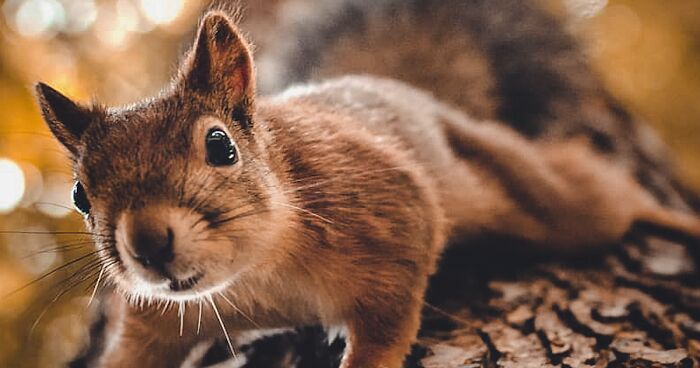
This photo project is not just about 38 adorable squirrel pictures. It is about patience, observation, and learning to see small animals as individuals. Some looked bold. Some looked shy. Some appeared deeply offended by the existence of the camera. One seemed to pose like a retired movie star. Another froze with a nut in its paws as if caught eating snacks before dinner. In truth, squirrels are not making human facial expressions in the way we dobut their postures, eye contact, ear tufts, paws, and split-second reactions create moments that feel hilariously familiar.
Why Finnish Red Squirrels Make Such Magical Photo Subjects
Red squirrels are native across much of Europe and northern Asia, and Finland’s boreal forests give them a natural home filled with conifers, mixed woodland, tree hollows, mossy trunks, and seasonal food sources. Unlike gray squirrels commonly seen in many American cities, Eurasian red squirrels often have long ear tufts, especially in colder months. Those tufts alone deserve their own fan club. Add a bright eye, a white belly, delicate paws, and a tail that looks like it was designed by a luxury scarf brand, and you have one of nature’s most photogenic mammals.
Their charm also comes from movement. A red squirrel rarely just “sits.” It pauses, calculates, twitches, stretches, launches, lands, sniffs, digs, freezes, and vanishes behind a tree trunk with the confidence of a magician avoiding taxes. Photographing one is like trying to frame a spark. You learn quickly that the best squirrel photos are not forced. They happen when the animal feels safe enough to behave naturally.
The Two-Year Process: Patience Before Pictures
Wildlife photography often looks effortless after the fact. The final image may show one perfect second: a squirrel holding a cone, snow on its whiskers, sunlight glowing behind its tail. What the photo does not show is the quiet waiting that came before it. Two years in the Finnish wilderness means returning to the same areas again and again, learning when the squirrels are active, where they forage, which branches they prefer, and how the light changes through the seasons.
Red squirrels are diurnal, meaning they are generally active during daylight. In colder months, their active window can shrink because conserving energy matters. They do not hibernate, but harsh weather can keep them tucked away in nests, also called dreys. A photographer who wants natural images must respect that rhythm. Some days the forest offers squirrels everywhere. Other days the only subject available is a tree stump that looks mildly squirrel-shaped if you are desperate enough.
The most useful skill is not owning the most expensive camera. It is learning to be calm. Move too quickly, and the squirrel disappears. Stand too close, and the animal changes behavior. Rustle a snack wrapper, and congratulationsyou have become the loudest creature in Finland. The best shots come from blending into the landscape, using a longer lens, staying low, and allowing the squirrel to decide whether the session continues.
Those “Expressions” Are Really Tiny Stories
One of the reasons these 38 squirrel photos feel so adorable is that each image suggests a tiny story. A squirrel with wide eyes and upright paws may look surprised, like it just remembered it left the oven on. A squirrel peeking around a tree trunk can seem suspicious, as though investigating a suspiciously tall, camera-holding mushroom. A squirrel chewing a cone may appear intensely focused, like a food critic reviewing a five-star pine seed tasting menu.
Of course, squirrels are not posing for comedy. Many of their apparent expressions come from survival behaviors. They pause upright to scan for danger. They freeze when something unfamiliar appears. They hold food carefully because seeds, nuts, fungi, and cones are essential energy sources. Their quick head turns and alert eyes help them detect predators and competitors. Still, when these natural behaviors are captured at the right instant, they become irresistible portraits.
What Red Squirrels Eat in the Finnish Wilderness
A big part of photographing squirrels is understanding what brings them to certain places. Red squirrels rely heavily on trees for food. Their diet includes conifer seeds, spruce and pine cones, nuts, berries, buds, bark, lichen, and fungi. In autumn, they often cache food for later, storing items in shallow holes, tree crevices, or other hidden spots. This is not casual snacking. This is winter planning, squirrel edition.
That food-gathering behavior creates wonderful photo opportunities. A squirrel handling a cone looks both delicate and determined. The paws move quickly, the teeth work through the cone scales, and tiny flakes fall like woodland confetti. In snow, the scene becomes even more cinematic: a warm-colored animal against a pale background, focused completely on breakfast while the forest stands silent around it.
Photographers should be careful, though. Ethical wildlife photography means not baiting animals simply to create a better image. Feeding wild squirrels can change their behavior, make them too comfortable around people, or encourage them to depend on human handouts. The goal is to document wildlife, not turn the forest into a snack-based photo studio.
Season by Season: How Finland Changed the Photographs
Spring: Curiosity in Soft Light
Spring in the Finnish wilderness brings longer days, melting snow, fresh greens, and a sense that the entire forest has taken a deep breath. For squirrel photography, spring offers soft colors and active behavior. Squirrels move more often, search for food, and appear against backgrounds of moss, budding branches, and pale morning light. Their ear tufts may still be visible, giving portraits a wonderfully animated look.
Summer: Fast Movement and Green Chaos
Summer is beautiful but challenging. Leaves create busy backgrounds, insects hold meetings around your face, and squirrels move through the canopy with astonishing speed. This is the season when a photographer learns humility. You may prepare for a perfect shot only for the squirrel to leap out of frame at the exact moment the shutter clicks. The resulting photo may be mostly branch, blur, and personal disappointment.
Autumn: The Golden Season
Autumn may be the dream season for red squirrel portraits. The forest turns warm with yellow leaves, orange tones, and deep green conifers. Squirrels become busy with caching behavior, often carrying food or searching forest floors. Their reddish coats blend beautifully with fall colors, creating images that feel cozy, lively, and rich in texture.
Winter: The Fairytale Effect
Winter transforms squirrel photography completely. Snow simplifies the background, reflects light, and makes every movement visible. A single red squirrel on a snowy branch can look like a character from an old Nordic fairytale. The cold also changes the mood. Photos become quieter. The squirrel’s small body seems even more delicate against the frozen landscape, yet its energy and adaptability are unmistakable.
How to Photograph Squirrels Without Disturbing Them
The golden rule is simple: the animal comes first, the photo second. A responsible wildlife photographer keeps distance, uses a telephoto lens, avoids chasing or cornering animals, and watches for signs of stress. If a squirrel repeatedly freezes, flicks its tail, vocalizes, hides, or changes its route because of your presence, it is time to back away.
Good squirrel photography depends on trust built through non-interference. Choose a quiet spot, sit still, and let the forest settle. Avoid blocking escape routes. Do not disturb nests. Do not break branches or rearrange habitat for a cleaner composition. A slightly messy natural background is better than a perfect photo created at the animal’s expense.
It also helps to think like a storyteller instead of a collector. You do not need every image to be a close-up. A small squirrel in a wide snowy forest can say more than a frame-filling portrait. A tail disappearing behind a trunk can suggest mystery. Paw prints in snow can become part of the narrative. Wildlife photography is not only about showing the animal; it is about showing its world.
Why These Squirrel Photos Feel So Human
Humans are wired to read faces and gestures. When we see a squirrel standing upright with paws tucked to its chest, we may interpret it as polite. When its eyes widen, we see surprise. When it leans around a tree, we see suspicion. This emotional reading is part of what makes wildlife photography so powerful. It creates connection.
But the best wildlife images balance cuteness with respect. The squirrel is not a toy, meme, or forest cartoon. It is a wild animal navigating weather, hunger, predators, competition, and seasonal change. The adorable expression is the doorway; the deeper story is survival. That combinationhumor and realityis what gives the photo series lasting appeal.
What Two Years in the Forest Teaches You
Spending two years photographing squirrels teaches patience in a way few hobbies can. It teaches that weather is not an inconvenience but part of the story. It teaches that “bad light” can become mood, that waiting is productive, and that small animals have routines as complex as any larger wildlife subject.
It also changes how you walk through nature. You begin noticing cone remains at the base of trees, tiny tracks in snow, scratch marks on bark, and the difference between wind movement and squirrel movement. You learn that a forest is not empty just because nothing large appears. It is full of quick lives, hidden paths, and tiny dramas happening above eye level.
The Adorable Power of Small Wildlife
Large animals often dominate wildlife photography: bears, wolves, eagles, whales, and big cats. They are magnificent, of course. But small wildlife has a different kind of magic. A squirrel does not need grandeur to hold attention. Its charm is in detail: a paw curled around a twig, snow dusting its nose, a tail lifted like a question mark, a sudden pause before a leap.
Photographing squirrels reminds us that wonder does not require distance or danger. Sometimes it is waiting on a branch, chewing a cone with the seriousness of a tiny accountant reviewing receipts. Sometimes it is right outside the frame, making you wait another hour for half a second of perfection.
Experience Notes: What It Feels Like to Spend Two Years Photographing Squirrels
The first lesson is that squirrels are faster than your confidence. On the first few outings, you may believe you are prepared. You have checked your camera settings, dressed warmly, packed extra batteries, and imagined yourself returning home with award-worthy shots. Then the first squirrel appears, moves like a red lightning bolt with whiskers, and leaves you with 47 photos of an empty branch. This is the forest’s way of introducing itself.
Over time, the experience becomes less about chasing images and more about learning patterns. Certain trees become familiar. A fallen log becomes a regular crossing point. One squirrel may prefer approaching from the left side of a spruce. Another may pause on the same stump before climbing higher. You start arriving earlier, moving slower, and listening more. The camera remains important, but your attention becomes the real tool.
Winter sessions are the most memorable and the most demanding. Cold air bites your fingers, batteries drain faster, and every movement sounds louder in the stillness. Yet winter also rewards patience with magical simplicity. The snow reflects light upward, softening shadows under the squirrel’s body. The background becomes clean and quiet. When a red squirrel appears against that white landscape, even a simple pose feels special.
There are funny failures too. You may spend an entire morning waiting for a squirrel to face the camera, only for it to present nothing but tail. You may frame a perfect portrait just as snow slides from a branch onto your hood. You may mistake falling bark for animal movement more times than you care to admit. Wildlife photography keeps the ego small, which is probably healthy.
The emotional reward comes from recognition. Not recognition by the animal in a sentimental sense, but recognition by the photographer: the ability to notice subtle changes. You see when a squirrel is relaxed, when it is alert, when it is deciding whether to cross open ground, and when your presence is too much. That awareness makes the work more ethical and more meaningful.
After two years, the 38 pictures are not just cute images. They are markers of weather, silence, missed shots, numb fingers, early mornings, and tiny moments of trust. They show how a common forest animal can become extraordinary when given time. The best expression is not always the funniest one. Sometimes it is the calm look of a squirrel that knows you are there and chooses to continue being itself.
Conclusion
Photographing squirrels in the Finnish wilderness for two years is a reminder that nature’s most delightful stories often come in small packages. Red squirrels are expressive not because they are trying to entertain us, but because their natural behavior is full of motion, alertness, curiosity, and personality. Through ethical photography, patience, and respect for their habitat, a photographer can capture images that feel adorable, funny, and deeply alive.
These 38 squirrel pictures celebrate more than cuteness. They celebrate the Finnish forest through changing seasons, the quiet discipline of wildlife photography, and the joy of noticing details most people rush past. In a world that often rewards speed, squirrelsironically, some of the fastest little creatures aroundteach us to slow down.













