
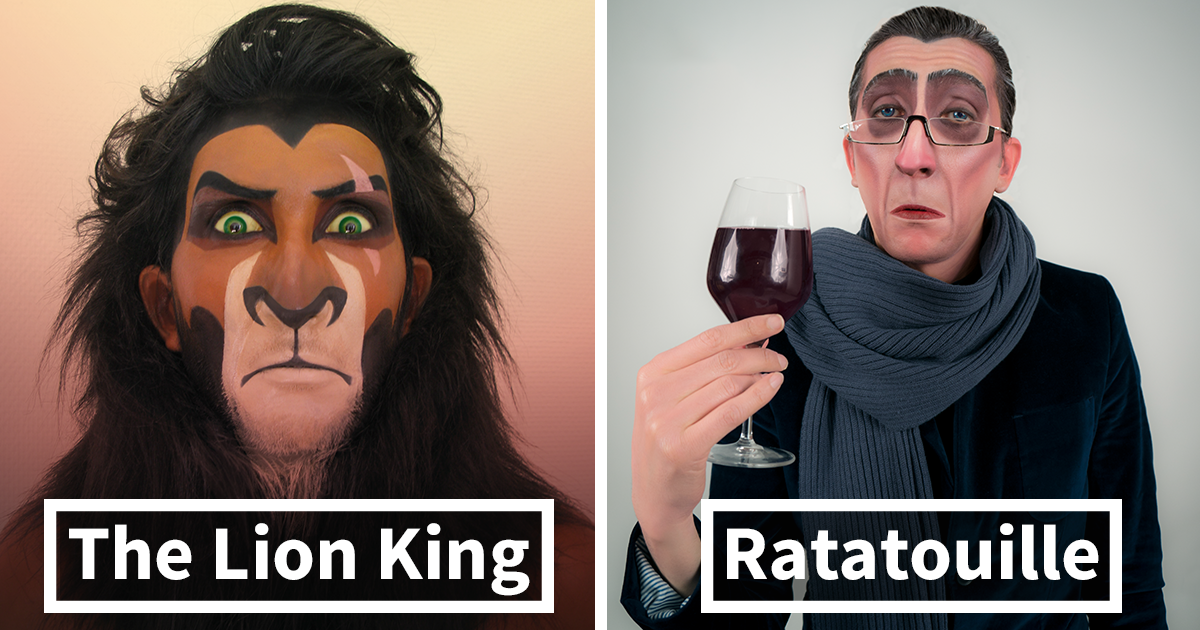
There are two kinds of people in this world: the ones who want to be the princess, and the ones who see a sharp cheekbone, a dramatic brow, and a blood-red lip and think, “Ah yes, now we’re talking.” This article is for the second group. Or, at the very least, for anyone who has ever looked at Maleficent, Ursula, Cruella, or the Evil Queen and realized that villains always seem to have the better beauty budget.
Turning people into Disney villains using makeup is not just a Halloween trick or an Instagram stunt. It is a full-blown art form that sits somewhere between beauty, costume design, theater, cosplay, character study, and a tiny dash of controlled chaos. The appeal is obvious: villain looks are bold, recognizable, expressive, and wildly fun to recreate. They let artists exaggerate shape, color, and attitude in a way that everyday makeup simply does not. Your average Tuesday makeup says, “I have errands.” Villain makeup says, “I own a castle, a grudge, and a suspiciously dramatic pet.”
What makes this kind of transformation so addictive is that it is not really about making someone look “pretty.” It is about making them look powerful, theatrical, and unforgettable. Disney villains are visual icons because they are built around instantly readable design language. You can spot a character like Cruella from a mile away thanks to the black-and-white hair, red lip, and fashion-first energy. Ursula practically glows with sea-witch glamour. Maleficent is all structure and menace. The Evil Queen is polished perfection with poison hidden under the velvet cape. That gives makeup artists a dream brief: strong silhouettes, dramatic color stories, and no obligation to be subtle. What a relief.
Why Disney Villain Makeup Works So Well
Disney villain makeup works because these characters were designed to be visually extreme. Heroes are often softened to look approachable. Villains, on the other hand, are sharpened, darkened, elongated, or exaggerated so you can feel their energy before they even speak. In makeup terms, that means contour becomes more architectural, brows become more expressive, lips become more commanding, and color becomes more strategic.
The best villain transformations do not rely on copying every line from the animated face. Instead, they translate the character’s most memorable visual traits into human features. That is the secret sauce. A great makeup artist asks: what is the emotional shape of this villain? Is it angular? Seductive? Regal? Chaotic? Cold? Once you answer that, the look starts to build itself.
Maleficent: The Queen of Bone Structure
If a face could issue a royal threat, it would look like Maleficent. Her makeup language is all about lift, angle, and severity. Think sculpted cheekbones, a sharpened nose, dramatic eyes, and a lip that does not ask for attention so much as command it. The trick is not to pile on product until someone resembles a wax statue. The trick is placement. Maleficent needs contour that creates structure, not mud. She needs skin that looks polished, not heavy. She needs an eye shape that reaches outward and upward, as if the eyeliner itself has ambitions.
Ursula: Camp, Color, and Absolute Confidence
Ursula is proof that villain makeup can be flamboyant and funny at the same time. Her look thrives on contrast: cool-toned skin effects, bold lip color, exaggerated liner, and unapologetic theatricality. She is bigger than life, and the makeup should be too. When translating Ursula into a wearable human version, the key is not to replicate a cartoon octopus exactly. It is to borrow her attitude. That means plush lips, eye drama, high-contrast shading, and enough confidence to make everyone in the room feel slightly underdressed.
Cruella: Fashion First, Morals Optional
Cruella’s beauty identity is cleaner than some of the other villains, but no less striking. Her makeup reads editorial, expensive, and just a little unhinged. A smoky eye, crisp liner, pale skin, and a confident red lip can do a lot of the heavy lifting. The hair, of course, is half the game. But even without the famous black-and-white split, Cruella’s energy lives in a face that looks polished enough for the front row and dangerous enough for the after-party.
The Evil Queen: Glamour With a Hidden Blade
The Evil Queen is less chaotic and more calculated. Her look is all symmetry, control, and aristocratic vanity. This is where makeup becomes a study in restraint. The skin should feel porcelain-like, the brow should look precise, and the lip should be rich and deliberate. She is not messy. She is composed. That is exactly why she is unnerving.
How the Transformation Actually Happens
When I turn someone into a Disney villain using makeup, the process usually starts long before the first brush hits the face. The first step is reference gathering. Not twenty random screenshots stolen from the internet at 2 a.m. with zero plan. Real references. Front angles, side angles, lighting notes, costume cues, and close-ups of signature details. Villain makeup is all about visual priorities. If you do not know which three features matter most, you end up with a generic spooky face and a disappointed wig.
Next comes the breakdown. Which elements can be achieved with ordinary beauty products? Which ones require face paint, cream pigments, or body color? Which features need to be drawn bigger than real life? Sometimes the transformation is almost entirely beauty-based, using contour, shadow, liner, and lip structure. Other times it leans into theatrical makeup, adhesive gems, exaggerated brow blocking, or costume support. The smartest looks usually mix both worlds: beauty enough to look polished, costume enough to feel unmistakable.
Then comes skin prep, which is far less glamorous than the final reveal but absolutely essential. Character makeup lives longer and looks better on clean, moisturized, properly primed skin. If the base is patchy, the villain collapses faster than a weak movie sequel. Long-wear products help, but prep is what keeps everything believable.
From there, shape comes before detail. That means mapping the brow, contour, eye direction, and lip size before fussing over shimmer or tiny accents. New artists often rush to the fun part, which is understandable because glitter is emotionally persuasive. But villain makeup depends on structure. If the silhouette is wrong, no amount of sparkle can save it.
Once the face is mapped, color tells the story. Purple, green, black, burgundy, silver, icy blue, and acid tones all have a long history in villain-inspired beauty because they read as moody, regal, unnatural, or glamorous in a slightly dangerous way. Even when the final look is wearable, the color choices usually carry the character more than people realize. A red lip can say Cruella. A poisoned plum can whisper Ursula. A cold sculpted neutral can summon the Evil Queen without needing a single prop.
Social Media Helped Turn Villain Makeup Into a Genre
Disney villain transformations did not become a beauty obsession by accident. Social platforms helped turn them into a recognizable category all their own. Makeup artists, costume creators, and content creators realized that villain looks perform beautifully on camera because the transformation is dramatic, recognizable, and instantly clickable. Before-and-after reveals are satisfying by nature, and villain makeup adds a layer of performance that everyday glam cannot always match.
That momentum grew as villain-inspired beauty launches and challenge culture made the trend even more visible. Once people had themed palettes, lip shades, and character-inspired color stories at their fingertips, the barrier to entry dropped. Suddenly, you did not need a full prosthetics team or a haunted castle. You needed a mirror, patience, a few strong pigments, and the willingness to spend way too long perfecting your eyeliner. Art requires sacrifice. Usually in the form of your Saturday afternoon.
What keeps the trend alive is flexibility. Some creators go full character recreation. Others make editorial versions that feel more fashion than costume. Some merge two villains into one face. Others create “humanized” interpretations that borrow only the key design cues. That range is exactly why Disney villain makeup remains so interesting: there is no single right way to be gloriously wicked.
Safety Matters More Than the Cape
As fun as transformation makeup is, skin safety is not optional. The bigger and more theatrical the look, the more important it becomes to use products correctly. Not every pigment belongs near the eyes, even if the packaging looks festive and optimistic. Face paints, glitters, and novelty colors should always be checked for intended use. Patch-testing new products is smart, especially for anyone with sensitive or reactive skin.
Brush hygiene matters too. Clean tools help prevent irritation, breakouts, and the kind of post-costume regret no one wants. Sharing makeup or brushes might sound harmless in the middle of a group transformation session, but it is one of those ideas that feels friendly until your skin files a formal complaint. Removal matters just as much as application. A villain can absolutely sleep in a cursed castle. Your skin should not sleep in cream pigment, spirit-gum residue, and glitter fallout.
The best transformation artists respect both fantasy and technique. They know how to make a face look dangerous without doing anything reckless to the skin underneath it. That is part of the professionalism. A great villain reveal should end with applause, not irritation.
What Makes a Great Disney Villain Makeup Look
The strongest looks usually have five things in common. First, they choose a clear character point of view. Second, they exaggerate shape with intention. Third, they use color in a way that feels character-driven, not random. Fourth, they balance costume details with actual makeup artistry. Fifth, and maybe most important, they understand attitude.
Attitude is what separates “nice Halloween makeup” from a true villain transformation. The expression changes. The posture changes. Even the way a person tilts their chin changes. Once the makeup is on, people instinctively begin performing the character. They narrow the eyes, arch the brow, hold their mouth differently, and suddenly the face is no longer just decorated. It is inhabited.
That is the addictive part. You are not simply putting color on skin. You are helping someone step into a persona that is larger, sharper, and more theatrical than their everyday self. Villain makeup gives people permission to become dramatic on purpose. Honestly, that may be its greatest public service.
Conclusion: The Dark Side Has Better Lighting
Turning people into Disney villains using makeup is one of the most satisfying forms of character beauty because it combines artistry, storytelling, and transformation in a single look. It lets makeup artists sculpt identity, not just features. It rewards bold choices. It celebrates exaggeration. And it proves, yet again, that villains are often the most visually unforgettable characters in the room.
Whether the final look is a sharp Maleficent contour, an Ursula-inspired sea-witch fantasy, a polished Cruella glam, or an icy Evil Queen face, the goal is the same: make the transformation feel complete. Not copied. Not lazy. Complete. The best version of this trend is not about wearing more makeup. It is about wearing more character.
And that, dear reader, is why villain makeup keeps winning. Heroes save the kingdom. Villains steal the close-up.
Extended Experience: What It Feels Like to Turn Someone Into a Disney Villain
The most fascinating part of turning someone into a Disney villain with makeup is that the transformation starts before the makeup is even finished. It begins the second the first strong line appears on the face. Someone sits down looking like your sweet neighbor, your cousin, your best friend from school, or the person who says “sorry” when someone else bumps into them. Then you draw one severe brow, deepen one contour line, sharpen one lip edge, and suddenly the air changes. They stop looking polite. They start looking plot-driven.
There is always a funny in-between stage where the look seems mildly ridiculous. One eye is done, the other is bare. The lip is painted, but the skin still needs balancing. The contour looks too intense. Someone in the room says, “Wow, that is…a lot.” That moment is normal. In fact, it is necessary. Character makeup often looks absurd halfway through because it is designed to read as a finished illusion, not as a collection of isolated steps. The artist has to trust the process and keep building. This is where confidence matters almost as much as skill.
Then comes the click. The wig goes on, or the liner gets extended, or the highlight on the brow bone suddenly lifts the whole face, and everyone watching realizes it works. The person in the chair sees themselves in the mirror and usually laughs first. Then they pose. That is the best part. The makeup does not just change their appearance; it changes their behavior. A soft-spoken friend starts giving you a Cruella stare. A shy person turns into Ursula and suddenly has opinions about everything. Someone wearing Maleficent contour will sit up straighter without being told. The face invites the performance.
There is also a strange amount of problem-solving involved, which makes the process more satisfying than people expect. Not every face has the same bone structure, lid space, lip shape, or skin tone. That means every villain look has to be adapted. You cannot just stamp a cartoon onto a person and call it a day. You have to interpret. Maybe one person’s features are perfect for a regal Evil Queen look, while another person has the ideal openness for a theatrical Ursula eye. Maybe the original reference uses hard black shapes, but on a real face a deep plum or charcoal will create the same mood with a better finish. Good transformation makeup is creative translation.
And yes, it can take a while. A proper villain face is not a five-minute miracle unless your standards are very relaxed and your lighting is extremely forgiving. But the time is part of the pleasure. Brush by brush, the face becomes less ordinary and more cinematic. Every layer adds something: authority, glamour, menace, attitude. By the end, the transformation feels earned.
What stays with people most is not always the photograph. It is the reaction. The double takes. The laughter. The moment a person realizes they do not just look different; they look iconic. There is something deeply fun about giving someone permission to be extravagant, dramatic, and a little wicked for an evening. In everyday life, we are often told to tone it down. Villain makeup says the opposite. Go bigger. Arch the brow higher. Sharpen the lip more. Wear the attitude like a crown.
That is why this kind of makeup never gets old. It is visual storytelling with instant payoff. It turns beauty into performance. It makes people feel transformed, not just made up. And when the final look lands perfectly, with the contour right, the eyes lifted, and the character fully alive in the mirror, it feels less like applying makeup and more like casting a spell. A very glamorous, very well-blended spell.














