
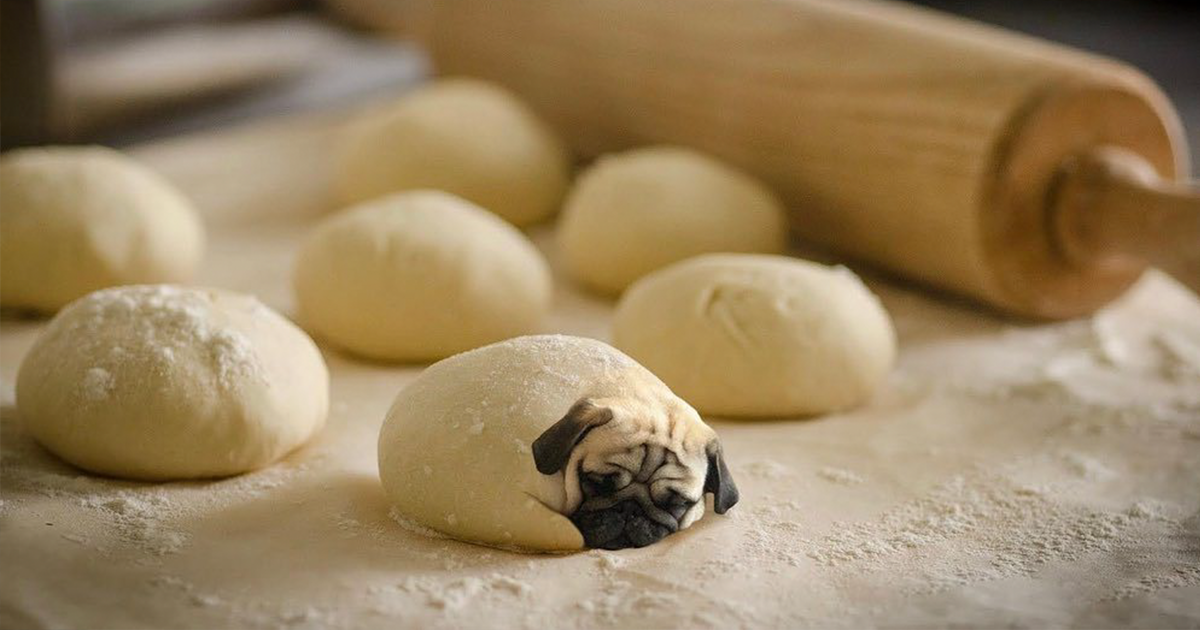
Some corners of the internet feel like they were invented during a sugar rush. One minute you are scrolling past vacation photos, coffee foam art, and someone’s suspiciously perfect “casual” outfit. The next minute, you are staring at a pug nestled inside a dumpling, a corgi disguised as a croissant, or a bulldog face peeking out of a bowl of mashed potatoes like it has just discovered rent.
That is the oddly delightful universe of Dogs In Food, the Instagram account known for Photoshopping dogs into food. The idea sounds simple: take adorable dog faces, blend them into delicious dishes, and let the internet do what it does bestlaugh, share, comment, and question whether it needs more sleep. But behind the silliness is a surprisingly smart formula for viral visual humor. It combines two of the most universally loved subjects online: cute dogs and tasty food.
The result is a gallery of surreal, funny dog Photoshop edits that are part meme, part digital art project, and part fever dream after eating too much takeout. It is weird, yes. Hilariously weird? Absolutely.
What Is the “Dogs In Food” Instagram Account?
Dogs In Food, often found under the handle @dogs_infood, is an Instagram page built around one very specific creative mission: placing dogs into food photos through digital editing. Instead of presenting dogs beside cupcakes, burgers, strawberries, noodles, and pastries, the account turns them into the food itself. A fluffy white dog may become whipped cream. A wrinkly pup may suddenly resemble a steamed bun. A long-eared dog may appear folded into a taco with more emotional depth than most prestige TV dramas.
The account became popular because its concept is instantly understandable. You do not need a caption, a backstory, or a three-part documentary. You see the edit and immediately get the joke. Dogs are already adorable. Food is already comforting. Merge them together, and the brain briefly short-circuits in the best way possible.
Unlike many meme pages that rely on reposted screenshots or recycled jokes, this format has a handmade, visual-comedy feel. The best images work because they are not simply random cutouts pasted onto meals. They use shape, texture, color, and expression. A puppy’s fluffy face might echo the softness of a pastry. A dog’s suspicious side-eye might make a bowl of soup look emotionally complicated. The humor comes from the match.
Why Dogs Photoshopped Into Food Are So Funny
The joke works because it is absurd without being mean. There is no punchline at the dog’s expense. The animal is not being embarrassed, frightened, or forced into a costume. Instead, the dog becomes part of a visual pun. A golden retriever in a waffle? A chihuahua inside a taco shell? A Shiba Inu blended into a bread roll? These images feel like the internet whispering, “I made this because I could.”
1. The Images Are Instantly Recognizable
Good internet humor often moves fast. Users decide in a split second whether to keep scrolling or stop. Dogs In Food has the advantage of immediate clarity. You recognize the dog. You recognize the food. Then you recognize the ridiculous combination. That three-step reaction happens almost instantly, which makes the format perfect for Instagram.
2. The Visual Matches Are Surprisingly Clever
The strongest edits are not random. They rely on visual similarities. A shar-pei’s wrinkles can resemble dumpling folds. A fluffy Samoyed can look like a mound of coconut cream. A dachshund can slide into a hot dog bun so naturally that you wonder why the universe waited this long to make the joke. The account’s charm comes from that “too perfect” overlap between canine anatomy and snack architecture.
3. It Is Cute, Not Cruel
Funny animal content can sometimes cross a line when pets are placed in stressful situations for views. Dogs In Food avoids that problem because the humor happens in editing, not in real life. The dog does not need to balance on a chair, wear an uncomfortable costume, or perform a trick while a human yells “just one more take.” The comedy comes later, through Photoshop-style compositing.
The Internet’s Love Affair With Dogs and Food
Dogs and food have always been natural internet royalty. Dogs deliver the emotional payoff: big eyes, floppy ears, goofy expressions, and the ability to look guilty even when innocent. Food brings color, texture, appetite, and comfort. Together, they create a visual cocktail that is easy to like and hard to explain to your boss if you are caught laughing during a meeting.
Instagram is especially well suited for this type of content because it rewards strong visuals. A bizarre dog-food edit can stop users mid-scroll because it looks familiar and unfamiliar at the same time. That is the sweet spot of viral imagery: just normal enough to understand, just strange enough to remember.
There is also a deeper reason people respond to this kind of content. Cute animal images often trigger positive feelings, and humorous memes can offer a tiny mental break from stress. A dog photoshopped into a donut will not fix your inbox, your student loans, or the fact that your phone battery is somehow at 11 percent again. But for five seconds, it provides pure nonsense joy. Sometimes that is enough.
How the Edits Work: The Art Behind the Weirdness
At first glance, these photos may look like quick jokes. But creating a convincing dog-in-food edit takes real visual judgment. The artist has to choose the right dog photo, the right dish, and the right placement. A mismatched angle can ruin the illusion. Lighting matters. Shadows matter. Scale matters. If the dog face is too sharp compared with the food background, it looks like a sticker. If the color temperature is off, the edit feels pasted together rather than blended.
Choosing the Right Dog Face
The best dog expressions have personality. A calm Labrador can make a pancake look majestic. A suspicious terrier can turn a sandwich into a crime scene. A sleepy puppy tucked into a cinnamon roll can look like it has achieved enlightenment. The face is the emotional center of the image, so the dog’s expression often carries the joke.
Matching Texture and Shape
Texture is where the magic happens. Curly fur can mimic noodles. Wrinkles can mimic bread folds. A round puppy face can fit perfectly into a scoop of ice cream. The more natural the match, the funnier the edit becomes because the viewer experiences a brief moment of confusion: “Wait… why does that muffin have eyes?”
Blending the Image
Digital compositing usually depends on tools such as layering, masking, background removal, color adjustment, and shadow work. A convincing surreal edit is not only about placing one image over another. It is about making two unrelated images behave as though they were photographed in the same universe. In this case, that universe is apparently a bakery run by golden retrievers.
Examples That Capture the Account’s Strange Genius
The funniest examples are the ones where the food and dog pairing feels weirdly inevitable. A pug inside a dumpling is practically visual destiny. A bulldog’s soft, squishy face belongs in mashed potatoes more than any of us are emotionally prepared to admit. A tiny dog nestled among berries can become a “pupberry,” a joke so simple that it somehow becomes brilliant.
Other edits are funny because the dog seems aware of the situation. A dog peeking out of pasta may look concerned, as if it has just realized it is tonight’s special. A puppy in a cupcake might appear thrilled, like it has finally achieved dessert status. A long dog edited into a sandwich can look resigned, which is fair. If you were turned into lunch by the internet, you would also need a moment.
The series format also helps. One picture is funny. Ninety pictures become a full expedition into absurdity. After a while, you start ranking them. Which food makes the best dog habitat? Are fluffy dogs better as pastries or beverages? Why do wrinkly dogs look so comfortable in dumpling form? These are not questions society asked for, but apparently society needed them.
Why This Kind of Instagram Humor Goes Viral
Viral content often succeeds when it is simple, emotional, and shareable. Dogs In Food checks all three boxes. The concept is simple enough to explain in four words: dogs inside food photos. The emotion is positive: amusement, surprise, affection, and mild confusion. The shareability is obvious: who would not send a dog-croissant hybrid to a friend with the message, “This is you”?
It Encourages Tagging
People love tagging friends in oddly specific posts. A friend who loves corgis gets tagged in the corgi waffle. A friend obsessed with brunch gets the dog pancake. A friend who is both hungry and emotionally fragile gets all ninety pictures, because friendship requires sacrifice.
It Has a Repeatable Format
Repeatability is powerful on social media. Once users understand the format, they come back to see the next variation. The joke stays familiar, but each new image offers a fresh surprise. This is the same reason people enjoy themed accounts, recurring meme formats, and serialized visual jokes.
It Feels Original
In an online world crowded with reposts and recycled captions, original visual concepts stand out. Dogs In Food does not need a complicated brand message. Its identity is clear. It is playful, strange, and committed to the bit. That commitment is part of the charm.
The Role of Pet Influencers in Modern Internet Culture
Dogs are no longer just pets on social media. They are personalities, mascots, comfort objects, brand ambassadors, and sometimes tiny celebrities with better lighting than most humans. From street-photography dog accounts to polished pet influencer pages, canine content has become a major part of internet culture.
Part of the appeal is emotional safety. Dog content rarely demands heavy analysis. It gives users a quick, reliable burst of warmth. In a feed filled with arguments, ads, news, and perfectly staged lifestyles, a dog edited into a bagel feels refreshingly unserious. It asks nothing from you except a laugh.
Dogs also invite anthropomorphism, which means people naturally read human feelings into their expressions. A dachshund in a taco does not actually understand the existential implications of being salsa-adjacent. But its face may look deeply concerned, and that is enough for the joke to land.
Is It Art, Meme, or Digital Snack Goblinry?
The honest answer is yes. Dogs In Food lives in the messy middle between art and meme. It uses creative editing and visual composition, but it is also built for quick entertainment. It does not ask to be hung in a museum, although frankly, a gallery wall of dogs as pastries would improve many museums by at least 37 percent.
Its artistic value comes from concept and execution. The edits require imagination, restraint, and a good eye for visual humor. The meme value comes from instant recognition and repeatable absurdity. The snack goblinry comes from the fact that some of the food still looks delicious, even when it has a terrier face. That is not normal, but the internet has never promised normal.
What Creators Can Learn From Dogs In Food
For bloggers, meme makers, pet brands, designers, and social media managers, this account offers a surprisingly useful case study. The biggest lesson is that a narrow idea can be stronger than a broad one. Dogs In Food does not try to post every funny animal picture on the internet. It owns one specific lane and drives through it in a vehicle shaped like a lasagna with ears.
Build Around a Clear Concept
Strong social accounts often have a promise. Followers know what they are getting. With Dogs In Food, the promise is clear: you will see dogs blended into edible things, and it will be strange. That clarity helps users remember the account and explain it to others.
Make the First Second Count
On Instagram, the first impression matters. A successful image should communicate quickly. These edits work because the viewer sees the concept immediately. No long caption required. No setup. Just a beagle in a bowl of noodles, doing important cultural work.
Keep It Positive
Not every viral idea needs controversy. There is still room online for harmless, goofy joy. Dogs In Food proves that content can be bizarre without being aggressive, funny without being cruel, and shareable without depending on outrage.
Why the Weirdness Feels So Refreshing
One reason the account is so enjoyable is that it does not pretend to be more serious than it is. It is not selling a complicated worldview. It is not turning every post into a motivational speech. It is simply saying, “Here is a dog inside a waffle.” That confidence is beautiful.
In a digital environment where everyone seems to be optimizing, branding, monetizing, and explaining themselves into dust, a silly visual project feels almost rebellious. It reminds us that creativity does not always need a grand purpose. Sometimes the purpose is laughter. Sometimes the purpose is a corgi muffin.
Experience Section: What It Feels Like to Fall Into the Dogs-In-Food Rabbit Hole
The first time you scroll through a collection like Instagram Account Photoshops Dogs Into Food And It’s Hilariously Weird (90 Pics), you may tell yourself you are only going to look at a few images. This is a lie. A bold lie. A lie with frosting. The format is too easy to consume. One picture becomes five. Five becomes twenty. Suddenly you have opinions about whether fluffy dogs are better suited to whipped cream or steamed bao buns.
Part of the experience is the slow escalation of absurdity. At first, the edits seem cute. Then they become funny. Then they become strangely impressive. You begin noticing the details: the careful shadows, the matching colors, the way a puppy’s round face fits perfectly into a pastry swirl. What began as a quick laugh turns into a tiny appreciation course in digital composition.
Another part of the experience is how shareable the images are. Almost everyone has a friend who needs to see a dog taco immediately. These pictures are perfect for casual digital bonding because they do not require context. You can send one without saying anything. The recipient will understand. They may respond with “why,” but they will understand.
There is also something comforting about the harmlessness of it all. Nobody is being mocked. No dog is actually being turned into food. The edits are silly in a way that feels safe, cozy, and oddly wholesome. In a world where the internet can feel exhausting, these images are a tiny vacation from seriousness. They are the visual equivalent of finding a bonus fry at the bottom of the bag.
If you have ever owned a dog, the humor becomes even better. Dogs already behave as if food is the central organizing principle of the universe. Many dogs would happily climb into a sandwich if it improved their odds of acquiring cheese. Seeing them edited into food feels like a cartoon version of their actual priorities. The joke is not just “dog plus food.” It is “dog finally becomes the thing it has worshipped all along.”
For creators, the experience is also inspiring. It shows that a small, weird idea can grow into something memorable when executed consistently. You do not always need a massive production team or a complicated strategy. Sometimes you need one funny concept, a good eye, and the courage to ask, “Would this schnauzer work as a muffin?” History may not remember every brave question, but it should remember that one.
After viewing enough of these edits, ordinary meals may start to look suspicious. A croissant has ears. A dumpling has wrinkles. A scoop of ice cream looks like it might bark. This is the true power of strange internet art: it changes how you see everyday objects, if only for a moment. And if that moment makes you laugh, the account has done its job.
Conclusion
Instagram Account Photoshops Dogs Into Food And It’s Hilariously Weird (90 Pics) is more than a funny collection of oddball images. It is a reminder that the internet is at its best when creativity, cuteness, and absurdity collide. Dogs In Food works because it understands visual humor: simple concept, strong execution, lovable subjects, and just enough weirdness to make people stop scrolling.
Whether you see the project as meme art, pet content, Photoshop comedy, or a warning not to browse Instagram while hungry, it delivers exactly what great lighthearted content should deliver: surprise, joy, and the sudden urge to send a dog-shaped pancake to everyone you know.
Note: This article is an original, rewritten SEO-friendly synthesis based on publicly available information about the Dogs In Food Instagram concept, pet influencer culture, visual editing, and online animal humor. No copied captions, source-code references, or unnecessary citation placeholders are included in the publishable HTML.














