
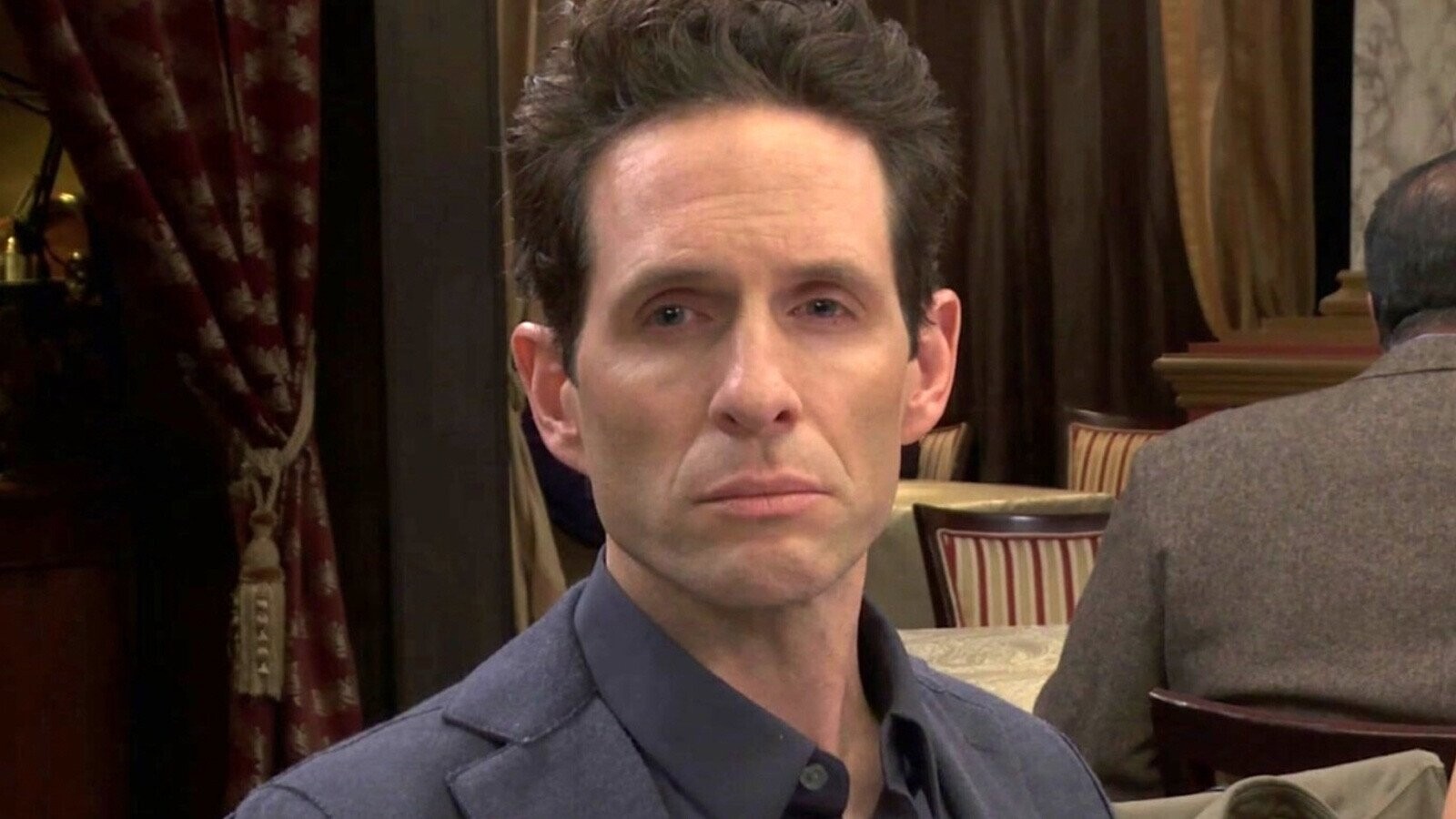
There are TV characters who make bad choices, and then there is Dennis Reynolds, a man who treats basic human decency like a software update he keeps postponing. For nearly two decades, It’s Always Sunny in Philadelphia has turned Dennis, played with terrifying precision by Glenn Howerton, into one of American sitcom television’s most fascinating disasters: vain, charming, controlling, insecure, occasionally elegant, and always about six seconds away from announcing that he is a “golden god” in a room that did not ask.
The recent conversation around Glenn Howerton refusing to fully address Dennis Reynolds’ worst crimes is not just a funny headline. It gets to the heart of why Dennis remains such a powerful comic character. Howerton knows that explaining Dennis too neatly would be like putting a safety label on a volcano. Part of the joke is the uncertainty. Is Dennis merely an awful narcissist with theatrical anger issues, or is the show deliberately letting viewers imagine something even darker just off-screen? Always Sunny smiles, shrugs, and pours another drink at Paddy’s Pub.
That refusal to provide a clean answer is smart comedy. Dennis works because he exists in the uncomfortable gap between sitcom exaggeration and recognizable toxic behavior. He is ridiculous enough to laugh at, but specific enough to make viewers lean back and say, “Wait, should someone check his trunk?” The show rarely rewards him, never truly endorses him, and almost always exposes his self-image as a fragile, sweaty little snow globe of ego. That is why the mystery surrounding Dennis Reynolds’ worst crimes continues to fascinate fans.
Why Glenn Howerton Keeps Dennis Reynolds Mysterious
Glenn Howerton has spent so long playing Dennis that the character has become a study in controlled chaos. On the surface, Dennis is polished. He speaks like a man who believes every sentence should arrive in a limousine. He grooms, poses, judges, corrects, and manipulates. Beneath that glossy exterior, however, is panic. Dennis is obsessed with control because he seems terrified that, without it, everyone will see what he really is: a deeply insecure man who cannot survive ordinary rejection.
That is why Howerton’s refusal to spell out Dennis’ darkest actions feels intentional. Once a performer confirms too much, the audience loses the delicious discomfort of interpretation. Dennis is funnier when fans are unsure how far the joke goes. The show has hinted at sinister behavior, played with crime-documentary language, and repeatedly framed Dennis as a man whose inner monologue should probably not be admissible in court. But the character is most effective when the worst possibilities remain floating in the air like a suspicious smell in a poorly ventilated bar.
This strategy also protects the satire. It’s Always Sunny in Philadelphia is not asking audiences to admire Dennis. It is asking them to laugh at the spectacular collapse of his self-mythology. He thinks he is sophisticated; the show reveals he is childish. He thinks he is irresistible; the show reveals he is desperate. He thinks he is the smartest man in the room; the room usually contains Charlie Kelly, and somehow Dennis still finds a way to lose.
Dennis Reynolds’ “Worst Crimes” Are Really a Comedy Engine
When fans talk about Dennis Reynolds’ worst crimes, they usually mean a long-running pattern of disturbing behavior rather than a neat legal file. The show has portrayed him as manipulative, emotionally cruel, image-obsessed, and willing to treat other people as props in whatever fantasy he is trying to stage that week. His infamous systems, speeches, and carefully rehearsed social performances are not just jokes about one bad man. They are jokes about entitlement, vanity, and the terrifying confidence of people who have never once asked, “Am I the problem?”
The genius of Dennis is that he does not see himself as chaotic. Frank is visibly chaotic. Charlie is spiritually chaotic. Dee is chaos in heels. Mac is chaos with a workout plan. Dennis, however, believes he is order. He imagines himself as the refined mind holding the Gang together, even when he is clearly one of the main reasons everyone is trapped in a moral garbage disposal.
That contrast gives the character his bite. Dennis’ worst actions are funny because they are wrapped in etiquette, vocabulary, and self-seriousness. He can make a terrible idea sound like a TED Talk delivered by a haunted mannequin. Howerton’s performance turns that contradiction into a rhythm: calm face, polished sentence, sudden rage, immediate denial, then a little smile that says Dennis has already forgiven himself for everything.
The Show’s Long Game: Never Let the Gang Grow Up Too Much
One reason It’s Always Sunny in Philadelphia has lasted so long is that it understands the danger of making awful characters too lovable. The Gang can show flashes of vulnerability, but the series usually yanks them back before audiences get too comfortable. That is especially true with Dennis. When the show gives him a glimpse of a normal life, he cannot hold onto it. He is drawn back to Paddy’s Pub like a moth to a neon beer sign.
This refusal to redeem Dennis is important. In a lesser sitcom, a character like him might get a tearful backstory, a sincere apology arc, and a season finale where he learns empathy while soft piano music begs the audience to clap. Always Sunny is allergic to that. It allows depth without absolution. Dennis can be sad, lonely, insecure, and psychologically tangled, but those qualities do not erase the harm he causes. They simply make the comedy sharper.
Howerton’s performance thrives in that space. He does not play Dennis as a cartoon villain twirling a mustache. He plays him as a man who truly believes his own press release. That sincerity is the secret sauce. Dennis is never funnier than when he is absolutely convinced that his latest terrible idea is reasonable, tasteful, and frankly overdue.
Season 17, the Abbott Elementary Crossover, and Dennis Under Surveillance
The Season 17 crossover material with Abbott Elementary gave the Dennis conversation fresh energy because it placed the Gang inside a mockumentary-style environment. Cameras change everything for Dennis. He is intensely aware of being observed, which makes him both more careful and more ridiculous. Watching Dennis try to manage his image in front of documentary cameras is like watching a cat pretend it did not just knock over a priceless vase while still standing in the shards.
In that context, the question “What was Dennis doing off-screen?” becomes part of the joke. The answer turns out to be oddly tame by Dennis standards: he is obsessing over coffee, school optics, and small problems nobody else needed him to solve. That is exactly what makes it funny. With Dennis, the audience expects the worst, so the mundane answer becomes a punchline. The character’s reputation is now so dark that brewing coffee can feel suspicious.
This is where Howerton’s refusal to address Dennis’ worst crimes becomes even more effective. The show has trained viewers to suspect him, then uses that suspicion as a toy. Sometimes Dennis is doing something awful. Sometimes he is just being impossibly intense about a beverage. Both versions are funny because they come from the same broken engine: Dennis cannot simply exist. He must curate, dominate, and improve reality according to standards only he understands.
Why Fans Keep Asking Whether Dennis Is Worse Than the Show Admits
Fan theories about Dennis have become part of the Always Sunny viewing experience. Some viewers treat him like the subject of a true-crime corkboard, connecting facial expressions, missing details, suspicious lines, and unexplained behavior. Others argue that the show is exaggerating a recognizable type of narcissistic creep for satirical effect, not secretly building a crime thriller inside a sitcom.
The truth is that the ambiguity is more valuable than any answer. If the series confirmed every dark theory, Dennis would stop being a sitcom character and become something narrower. If it denied everything, the character would lose part of his menace. By leaving room for interpretation, Always Sunny keeps Dennis flexible. He can anchor a farce, poison a group conversation, melt down over status, or turn a harmless situation into a psychological weather event.
That flexibility is why Dennis remains one of the most discussed characters in modern dark comedy. He is not just “the bad one.” Everyone in the Gang is bad. Dennis is different because he has aestheticized his badness. He has made selfishness look like a lifestyle brand. He does not stumble into moral failure; he often arrives with bullet points.
Glenn Howerton’s Performance: Rage, Vanity, and Micro-Expressions
Howerton’s acting is one of the biggest reasons Dennis has endured. The performance is physical in ways that are easy to miss until you watch closely. His jaw tightens. His eyes freeze. His voice shifts from velvet to alarm siren. He smiles like a man trying to pass a captcha test for humanity. Even when Dennis is standing still, Howerton makes him feel like a pressure cooker wearing designer jeans.
That precision matters because Dennis’ comedy often happens before the line. A tiny pause can reveal that he is calculating. A forced smile can tell the audience he has remembered the cameras. A sudden burst of anger can expose how thin his self-control really is. The best Dennis scenes are not just written well; they are engineered through timing, posture, and emotional whiplash.
Howerton also understands that Dennis must never think he is funny. Dennis thinks he is impressive. He thinks he is persuasive. He thinks people are lucky to be in his orbit. The audience laughs because the gap between Dennis’ self-image and reality is wide enough to park Frank’s questionable business history inside it.
How “Worst Crimes” Became SEO Gold and Fan Catnip
From an SEO perspective, the phrase “Dennis Reynolds’ worst crimes” works because it combines character analysis, dark comedy, and fan curiosity. People are not only searching for episode facts. They are searching for interpretation. They want to know what the show implies, what Glenn Howerton thinks, and why Dennis remains funny despite behavior that would be horrifying outside the padded walls of satire.
That is the key: context. It’s Always Sunny in Philadelphia is built around terrible people behaving terribly, but the joke is almost always on them. The series does not place Dennis on a pedestal. It places him under fluorescent bar lighting and lets viewers watch the mascara of his ego run. His worst tendencies are exaggerated to expose a social type: the charming manipulator who mistakes control for intelligence and attention for love.
For Google and Bing, the broader topic also connects naturally to related searches: Glenn Howerton interview, Dennis Reynolds character analysis, It’s Always Sunny in Philadelphia Season 17, FXX comedy, Paddy’s Pub, dark sitcom satire, and the longest-running live-action sitcom. The trick is not to stuff those phrases like Charlie stuffing mystery meat into a sandwich. The trick is to make them part of a useful, readable analysis.
What Dennis Reynolds Says About Modern Sitcom Antiheroes
Dennis belongs to a long tradition of sitcom characters who are funny because they are selfish. But Always Sunny pushes that tradition harder. The show took the “bad friends hanging out” formula and stripped away the cozy safety net. The Gang does not learn. They do not become better neighbors. They do not build community unless there is money, status, revenge, or a deeply stupid costume involved.
Within that universe, Dennis is the polished antihero of self-delusion. He is a warning sign with cheekbones. He represents the danger of confusing confidence with character. That makes him especially relevant in an era obsessed with personal branding. Dennis is always branding himself: a Five-Star Man, a romantic mastermind, a genius, a leader, a victim, a misunderstood artist of human interaction. The joke is that no brand can hide the product forever.
Howerton’s unwillingness to define Dennis’ worst crimes may frustrate fans who want answers, but it preserves the character’s function. Dennis is not a puzzle to solve. He is a comic hazard to observe from a safe distance, preferably behind glass, with a responsible adult nearby and no access to boat keys.
Why Refusing to Answer Is the Best Answer
In entertainment journalism, actors are often asked to explain their characters as if every ambiguity has a secret official file. But comedy, especially dark comedy, often works best when performers protect the unknown. Glenn Howerton refusing to fully address Dennis Reynolds’ worst crimes keeps the audience engaged. It lets fans debate without collapsing the joke into a legal spreadsheet.
It also respects the weird ecosystem of It’s Always Sunny in Philadelphia. The show is not realistic, but it is emotionally consistent. The Gang’s actions escalate beyond ordinary sitcom logic, yet their motivations are painfully recognizable: insecurity, greed, jealousy, boredom, pride, and the desperate need to win arguments nobody else knew were happening.
Dennis is the purest expression of that formula. He wants control because he has none over himself. He wants admiration because he cannot generate self-worth internally. He wants to be seen, but only as the version he has edited, filtered, lit, and approved. Put a camera in front of him, and the mask tightens. Leave him alone, and the audience starts to worry about what the mask was hiding.
Experiences Related to the Topic: Watching Dennis With Friends Changes the Joke
One of the funniest experiences related to the Dennis Reynolds debate is watching It’s Always Sunny in Philadelphia with different types of viewers. A longtime fan sees Dennis enter a scene and immediately braces for impact. A new viewer may need a moment. At first, Dennis can seem like the “normal” one compared with Charlie’s chaos, Frank’s lawless gremlin energy, Mac’s identity spirals, and Dee’s Olympic-level insecurity. Then Dennis speaks for another thirty seconds, and the illusion quietly walks into the ocean.
That delayed realization is part of the fun. In group viewing, Dennis often produces the biggest “Did he just say that?” reactions. Not because the show wants the audience to cheer him, but because his confidence is so wildly misplaced. He is the guy who brings a PowerPoint to a moral failure. He is the person who believes a calm tone makes a terrible argument acceptable. Watching friends discover that pattern in real time is like watching someone notice a raccoon in a tuxedo eating from their refrigerator. Confusing, alarming, and somehow impressive.
Another relatable experience is how Dennis quotes and references travel through fan conversations. People do not usually repeat his darkest ideas; they repeat the absurd self-mythology. “Five-Star Man” became shorthand for ridiculous vanity. His dramatic reactions became memes because everyone has met someone who treats minor inconvenience like an attack on civilization. The character works because, while he is extreme, the emotional ingredients are familiar. We all know a person who cannot be wrong, cannot be ignored, and cannot let a group decision happen without turning it into a referendum on their importance.
There is also a strange comfort in how Always Sunny refuses to clean Dennis up. Modern TV often asks viewers to bond with damaged characters through explanation. This show usually says, “Yes, he is damaged. No, that does not make this okay. Please enjoy watching him ruin his own plan.” That honesty makes the comedy easier to process. The audience is not being tricked into thinking Dennis is secretly noble. If he does something decent, it usually arrives wrapped in vanity, competition, or accidental usefulness.
For writers, bloggers, and entertainment fans, Dennis is a great reminder that strong characters do not need to be likable; they need to be specific. His voice, posture, fears, rituals, and contradictions are so clear that a viewer can predict how he might react in a school, a bar, a car, a courtroom, or a coffee emergency. That is character design at a high level. He is awful, yes, but he is not vague. He is a perfectly polished disaster, buffed to a terrible shine.
The best personal takeaway from the Glenn Howerton discussion is that mystery can be more powerful than confirmation. Fans may want a final answer about Dennis Reynolds’ worst crimes, but the unanswered space is where the comedy breathes. The show gives enough evidence to make viewers suspicious, enough absurdity to keep them laughing, and enough restraint to avoid turning Dennis into a one-note monster. He remains, somehow, a sitcom character, a satire of male ego, a fan-theory magnet, and the human equivalent of a locked drawer labeled “Definitely Normal.”
Conclusion
Glenn Howerton’s refusal to address Dennis Reynolds’ worst crimes is not evasive in a boring way. It is part of the architecture of It’s Always Sunny in Philadelphia. Dennis is funniest when he is half-explained, overconfident, and surrounded by just enough ambiguity to keep viewers arguing. His worst behavior matters because the show frames it as satire, not aspiration. He is a warning dressed like a winner, a control freak trapped in a dive bar, and one of the most enduring comic monsters on television.
After 17 seasons, Dennis Reynolds still works because Glenn Howerton plays him with sincerity, discipline, and a frightening understanding of how fragile arrogance can be. The result is a character fans love to analyze, quote carefully, and fear just a little. In other words, Dennis remains a Five-Star Man only in his own mind. Everywhere else, he is a five-alarm problem with excellent posture.
Note: This article is an original, fully rewritten synthesis based on publicly available information from official show materials, entertainment interviews, television criticism, and reputable U.S. media coverage. It is written for web publication and avoids unnecessary source-code artifacts.













