
Note: This is an original, rewritten article based on publicly available information about Jimmy Fallon’s The Tonight Show Hashtags segment, the #RuinAMovieWithOneWord prompt, and broader entertainment coverage of viral social-media comedy.
When One Word Turns a Movie Classic Into a Comedy Disaster
Some movie titles are practically sacred. Titanic sounds grand, tragic, and historically massive. Finding Nemo sounds sweet, adventurous, and family-friendly. Love Actually sounds like a cozy holiday blanket with a British accent. Then the internet shows up, adds one word, and suddenly the whole thing collapses like a cheap folding chair at a backyard wedding.
That is the wickedly simple genius behind “Jimmy Fallon Asks People To Ruin Movies With One Word,” a viral comedy idea from The Tonight Show Starring Jimmy Fallon. Through his popular “Hashtags” segment, Fallon invited people online to take well-known movies and wreck them with a single word. The rules were easy enough for anyone to join: pick a famous film title, add or change one word, and make the result ridiculous.
The internet, naturally, treated the prompt like a national emergency. People did not merely participate; they sprinted into the joke like shoppers hearing there is one discounted air fryer left on Black Friday. The results ranged from clever wordplay to gloriously dumb title changes that made beloved movies sound like awkward sequels, suspicious documentaries, or low-budget cable specials.
What makes this challenge so funny is not just the modified titles. It is the tiny mental movie trailer that plays in your head after reading them. One extra word can shift a blockbuster romance into a divorce seminar, a superhero epic into a workplace complaint, or an animated adventure into something that should never, ever be shown at a children’s birthday party.
The Real Segment Behind the Viral Challenge
Jimmy Fallon’s “Hashtags” segment is built on a reliable late-night formula: give the audience a prompt, let viewers respond online, then read the best submissions on air. The show has used this format many times for funny topics about families, dating, holidays, awkward stories, bad ideas, and pop culture. The #RuinAMovieWithOneWord challenge fits perfectly into that tradition because it gives fans a clear playground and one very sharp toy: language.
Unlike a long joke, this type of humor does not need setup, backstory, or a three-act structure. It works instantly. A reader sees the familiar movie title first, recognizes it, then hits the added word like a banana peel. The comedy happens in the sudden swerve. The brain expects one thing and receives another. That small surprise is why the prompt traveled well across social platforms and entertainment roundups.
The segment also works because movies are shared cultural property. Even people who have never watched every classic know the titles. You do not need a film degree to understand why changing Jaws, Frozen, Rocky, Grease, Avatar, or The Godfather can be funny. These titles are already lodged in pop culture. The joke simply opens the drawer, moves one item around, and lets chaos fall out.
Why “Ruin a Movie With One Word” Is Such a Perfect Internet Joke
It Has a Low Barrier to Entry
The best viral prompts are easy to understand in less than five seconds. This one passes that test with confetti. “Ruin a movie with one word” is clear, short, and playable. Nobody needs instructions from a committee. There is no app to download, no complicated rulebook, and no need to know the host personally. If you know a movie title and can think of one disruptive word, congratulations: you are in the writers’ room.
It Rewards Both Cleverness and Silliness
Some responses are smart because they twist the meaning of a title. Others are funny because they are shamelessly dumb. That balance matters. A challenge that only rewards genius-level wordplay becomes intimidating. A challenge that only rewards nonsense gets old quickly. The Fallon prompt sits comfortably in the middle, where a polished pun and a ridiculous dad joke can share the same couch.
It Uses Familiar Movies as Comedy Shortcuts
Movie titles are emotional shortcuts. People bring memories, expectations, and genre knowledge to them. Add one strange word, and the audience does the rest. A horror title can become weirdly cozy. A romantic comedy can become painfully unromantic. A family movie can suddenly sound like a true-crime special. The joke is compact, but the mental image is huge.
Examples of the One-Word Movie Ruin Formula
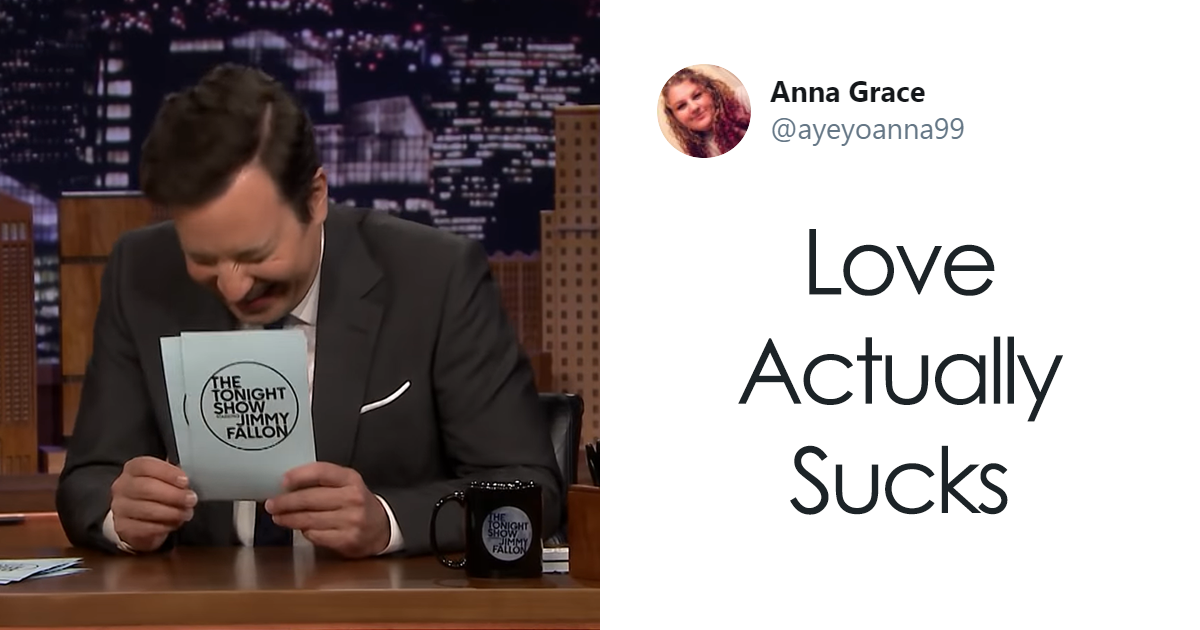
One reason the #RuinAMovieWithOneWord idea became so shareable is that the format is endlessly flexible. Some examples from online roundups played with titles such as Love Actually and Finding Nemo, while others twisted classics by adding a word that changed the whole tone. The fun is not in insulting the movie. It is in creating an alternate universe where the title accidentally tells a much stranger story.
Imagine The Fast and the Curious. Suddenly the racing franchise has become less about street competition and more about a guy asking, “But why does the engine do that?” Picture Jurassic Parking, where the real terror is not dinosaurs but finding a spot near the visitor center. Consider Star Wars: Accounting, a galactic saga about receipts, tax forms, and one exhausted Jedi trying to balance an interplanetary budget.
These are not official movie pitches, which is probably good news for Hollywood and humanity. But they show the structure beautifully. The added word creates tension with the original title. A heroic movie becomes boring. A serious movie becomes petty. A sweet movie becomes suspicious. The more dramatic the original title, the funnier the sabotage can be.
The Comedy Science: Why One Word Can Change Everything
Comedy often depends on expectation. A movie title sets a tone before the story begins. When one word disrupts that tone, the result feels like someone changed the channel inside your brain. That little collision creates humor.
For example, a majestic title suggests importance. Add a cheap or ordinary word, and the grandeur vanishes. A romantic title suggests warmth. Add a practical, awkward, or gross word, and the romance trips over its own shoelaces. A horror title suggests fear. Add something harmless, like “brunch,” “laundry,” or “coupon,” and the monster suddenly has weekend plans.
This is why the challenge produces so many quick laughs. It uses contrast, surprise, and shared knowledge all at once. The joke is not long enough to become boring. It arrives, explodes, and leaves before anyone can ask whether it has health insurance.
Jimmy Fallon’s Role in Turning Audience Jokes Into Late-Night Content
Jimmy Fallon’s version of late-night comedy has always leaned heavily on participation, games, music, celebrity bits, and social media interaction. The “Hashtags” segment is a natural extension of that style. Instead of placing the host above the audience, it invites the audience into the show’s comedy engine.
That approach is especially useful in the age of viral clips. A funny prompt can live beyond the broadcast. People who never watched the full episode may still see the challenge on YouTube, Facebook, X, entertainment websites, or meme pages. A short segment becomes a social object: easy to repost, easy to discuss, and easy to imitate.
The #RuinAMovieWithOneWord challenge also gives Fallon a role that suits him well: cheerful curator. He does not need to dominate the joke. He sets the premise, reads the best responses, reacts, laughs, and lets the audience feel like part of the show. In a media environment where viewers want to participate rather than simply watch, that is a smart format.
Why Movie Fans Love This Kind of Title Destruction
Movie fans are already natural remixers. They quote lines, rank sequels, debate endings, rewrite casting choices, and argue about whether a villain “had a point” until everyone at the dinner table quietly regrets bringing up cinema. A one-word title challenge gives that energy a safe, funny outlet.
It also removes the pressure of serious criticism. Nobody has to write a 2,000-word review about cinematography. Nobody has to explain the symbolic meaning of a blue curtain. The task is playful: take something familiar and bend it just enough to make people snort. That is why the challenge works for casual viewers and film nerds alike.
Another reason it connects is nostalgia. Many of the best jokes use movies people grew up with. When a beloved title gets ruined, the laugh comes with a tiny gasp. It is like watching someone put ketchup on an expensive steak. You know it is wrong, but you cannot look away.
The SEO Value of a Viral Pop-Culture Prompt
From an SEO perspective, “Jimmy Fallon Asks People To Ruin Movies With One Word” has several advantages. It combines a recognizable celebrity name, a popular late-night show format, a movie-related hook, and a clear humor keyword. People search for funny movie titles, Jimmy Fallon hashtags, viral Twitter challenges, and Tonight Show comedy clips. This topic naturally sits at the intersection of all those searches.
The title also has strong click appeal because it promises instant entertainment. Readers know what they are getting before they click: famous movies, one-word chaos, and quick laughs. That clarity improves user experience. Nobody arrives expecting a serious essay on film preservation and then finds jokes about dinosaur parking.
For Google and Bing, content like this performs best when it does more than list jokes. A good article should explain the segment, analyze why the prompt works, mention the cultural context, and include original examples. That gives readers a reason to stay longer and gives search engines more topical depth to understand.
How to Play the Game Without Making It Lazy
The format may be simple, but the best answers still follow a few invisible rules. First, the added word should create a clear shift. Randomness can work, but only if the mental image is strong. “Casablanca Sandwich” is odd. “Casablanca Parking Ticket” creates a little story. Suddenly the romance has bureaucracy, and bureaucracy is where passion goes to fill out Form 12B.
Second, the joke should respect the rhythm of the original title. Some words fit naturally. Others feel bolted on with duct tape. A good ruined title sounds like it could almost exist, which makes the twist funnier.
Third, the best answers often make the movie smaller. Epic stories become errands. Dangerous quests become household chores. Grand romances become uncomfortable conversations. The more ordinary the added word, the more it can shrink a blockbuster into a sitcom.
Original One-Word Movie Ruin Ideas
To understand the mechanics, here are a few original examples inspired by the format:
- The Silence of the Yams a psychological thriller, but mostly about Thanksgiving leftovers.
- Mission: Impossible Homework the most terrifying assignment is due tomorrow morning.
- Raiders of the Lost Remote adventure begins when nobody checks under the couch.
- The Lord of the Onion Rings one snack to rule them all, preferably with sauce.
- Back to the Dentist time travel, but with fluoride and regret.
- Saving Private Wi-Fi a desperate mission to restore the router before movie night.
- The Breakfast Club Sandwich teen rebellion meets deli meat.
These examples show the formula in action. The added word changes genre, stakes, or emotional tone. A serious title becomes goofy. A heroic title becomes domestic. A mysterious title becomes edible. That is the entire magic trick.
Why This Challenge Still Feels Fresh
Many internet trends age quickly. A meme can be hilarious on Monday, overused by Wednesday, and embarrassing by Friday afternoon. But title-remix humor lasts because it is built on a reusable structure. As long as people watch movies, people can ruin movie titles. New films create new joke opportunities. Old classics remain available for affectionate vandalism.
The challenge also adapts well to different communities. Horror fans can ruin scary movies. Parents can ruin animated films. Office workers can ruin superhero movies with words like “meeting,” “spreadsheet,” or “mandatory.” Food lovers can ruin anything by adding “casserole.” The format travels because it belongs to everyone.
The Bigger Lesson: The Internet Loves Tiny Creative Constraints
The #RuinAMovieWithOneWord prompt is a reminder that creativity often improves when the rules are small and strict. “Be funny” is too broad. “Ruin a movie with one word” is specific. That limitation pushes people to think harder, and the results are easier to compare. Everyone is solving the same little puzzle.
This is why similar prompts keep returning across late-night television, social media, classrooms, group chats, and office breaks. A good constraint gives people permission to play. It lowers the fear of being wrong. After all, if the goal is to ruin something, even failure is technically on brand.
Conclusion: One Word, Thousands of Laughs
“Jimmy Fallon Asks People To Ruin Movies With One Word” proves that comedy does not always need a giant setup. Sometimes, all it takes is one familiar title and one perfectly terrible addition. The challenge works because it is simple, social, and endlessly remixable. It lets movie fans, casual viewers, and professional procrastinators participate in the same joke.
More importantly, it shows why Fallon’s “Hashtags” format has remained such a useful late-night tool. It turns viewers into contributors. It turns social media into a comedy writers’ room. And it turns famous movies into strange little alternate realities where Star Wars can become a budgeting crisis and Jurassic Park can become a parking nightmare.
In the end, ruining movies with one word is not really about destroying cinema. It is about celebrating how much we know these titles, how quickly we recognize their tone, and how much fun it is to gently mess with pop culture. One word can ruin a movie title, yes. But it can also make the internet laugh for a whole afternoon, which is a pretty good sequel.
Experience Section: Trying the “Ruin Movies With One Word” Game in Real Life
The best thing about the “Jimmy Fallon Asks People To Ruin Movies With One Word” idea is that it does not have to stay on television or social media. It works surprisingly well in everyday life. Try it in a group chat, at a family dinner, during a road trip, or while waiting for someone who said they would be “ready in five minutes” twenty-three minutes ago. It is one of those rare games that needs no equipment, no scorekeeper, and no person aggressively explaining rules nobody asked for.
In my experience, the game usually starts slowly. Someone offers a safe answer. Another person groans. Then someone accidentally creates a title so stupid that the whole room becomes invested. Suddenly, everyone is scanning their memory for famous movies. People start with the obvious blockbusters, then move into childhood favorites, holiday movies, superhero franchises, horror classics, and whatever film their dad has watched 900 times on cable.
The funniest moments often come from people who insist they are “not creative.” Those are the people who randomly say something like Forrest Gump Taxes or Home Alone Again, Unfortunately, and suddenly everyone is laughing because the imagined movie is painfully clear. You picture Forrest sitting with receipts. You picture Kevin McCallister realizing his family has made the same mistake twice and considering legal action. The joke does not need polish; it needs a tiny door into a ridiculous scene.
Playing this game also reveals everyone’s movie personality. The film nerd tries to make the title structurally perfect. The pun lover cannot resist wordplay. The chaotic friend adds words like “mayonnaise” to everything and somehow wins twice. The quiet person delivers one devastating answer after ten minutes of silence, then returns to eating chips like nothing happened. It becomes less about movies and more about how people think.
For writers, bloggers, and social media managers, the challenge is a useful lesson in headline creativity. A single word can change tone, audience expectation, emotional direction, and click appeal. That is exactly what headlines do. The difference between “guide,” “mistakes,” “secrets,” “funny,” and “weird” can transform how readers interpret an article before they open it. Fallon’s prompt is comedy, but it is also a tiny masterclass in language economy.
The game is especially effective because it gives everyone permission to be silly without requiring them to perform a full joke. Nobody has to stand up like a comedian. Nobody has to commit to a bit. You just throw out a title, see if it lands, and move on. If it fails, the failure is usually funny too. That is the beauty of a low-pressure creative game: even the bad answers become part of the entertainment.
By the end, you may not have improved cinema, but you will probably have created a few imaginary movies that deserve fake posters. And honestly, in a world full of unnecessary sequels, Raiders of the Lost Remote sounds at least as believable as half the things already in development.













