
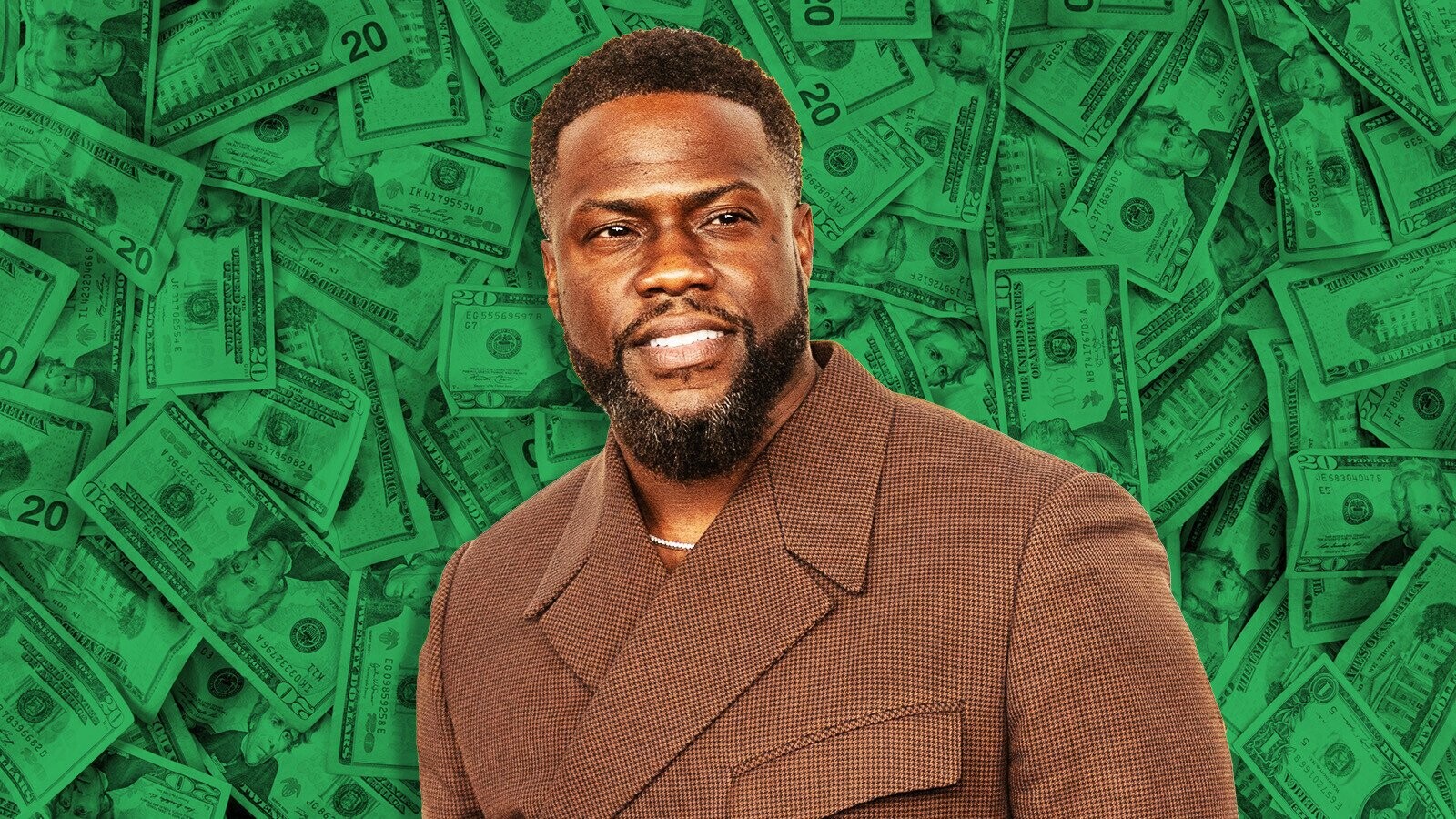
Kevin Hart wants to be a billionaire by July is the kind of sentence that sounds like a punchline, a business plan, and a motivational poster all walked into the same comedy club. But with Hart, that is usually the point. He has spent more than two decades turning jokes into ticket sales, ticket sales into movies, movies into brands, and brands into an entertainment ecosystem with his name stamped on the front door.
When Hart said he wanted to become a billionaire by age 45, he was not just throwing a shiny number into the air and hoping it landed on a Forbes list. He framed the goal as a symbol: a way to prove that someone from North Philadelphia could build ownership, opportunity, and influence in an industry that often pays performers well but lets someone else own the machinery.
So, did Kevin Hart hit billionaire status by July? Public estimates vary, and Hart himself has treated the exact number like a secret family recipe guarded by bodyguards. What is clearer is the bigger story: Hart has become one of the most commercially successful comedians in modern entertainment by refusing to remain “just” the funny guy. He wants the stage, the studio, the deal, the equity, the brand partnership, the production pipeline, and probably the parking lot too.
The Billionaire Goal Was Never Just About the Money
Kevin Hart’s billionaire ambition became widely discussed after he told Gayle King that he wanted to reach billionaire status by the time he turned 45. Hart’s birthday is July 6, which made the “by July” deadline especially irresistible for headlines. It is clean, dramatic, and slightly ridiculous in the best possible waylike setting a reminder titled “become billionaire” between “pick up dry cleaning” and “film global Netflix project.”
But Hart explained that the title mattered less as a brag than as a symbol. To him, becoming a billionaire would show young people from inner-city neighborhoods that the impossible can become visible. In other words, the goal was not simply “look at my money.” It was closer to “look at the road I built, then build yours wider.”
That distinction matters because celebrity wealth can easily become cartoonish. Big houses, private jets, designer watches, and luxury vacations make easy internet content. Hart’s version of wealth, at least in public, has focused more on leverage. He talks about ownership, partnerships, and becoming the business instead of only working for the business. That is a different kind of flexand frankly, a smarter one. A mansion can be photographed. Equity can compound.
From Stand-Up Stages to a Business Blueprint
Before Kevin Hart became a media company in sneakers, he was a stand-up comic grinding through clubs, testing jokes, bombing, adjusting, and learning the sacred comedian skill of turning embarrassment into rent money. His comedy style has always leaned into personal storytelling: family drama, insecurity, marriage, fatherhood, ego, fear, and his very public willingness to laugh at himself.
That self-deprecating approach became part of his brand. Hart is not the mysterious cool guy leaning against a wall in sunglasses. He is the over-caffeinated friend telling you exactly how badly he handled a situation, then somehow selling out an arena while admitting it. Audiences trusted that energy because it felt human. That trust became portable. It followed him from comedy clubs to theaters, from theaters to stadiums, from stadiums to movies, and from movies to business ventures.
Hart’s touring machine has been a major wealth engine. His live shows have sold huge numbers of tickets globally, and his Reality Check Tour ranked among major comedy tours. Stand-up is not just a performance format for Hart; it is the foundation of the customer base. Every laugh is also a data point: who shows up, where they live, what they respond to, and how much demand exists before a studio or brand ever says yes.
Why Comedy Is Hart’s Core Asset
Comedy gave Hart something more powerful than fame: direct audience ownership. A hit movie can make an actor famous, but stand-up builds a personal relationship with fans. When people buy a ticket to see Kevin Hart live, they are not buying a franchise, a superhero universe, or a studio brand. They are buying Kevin Hart. That direct connection is why his business ambitions make sense. If the audience follows the person, the person can build companies around that audience.
Hartbeat: The Company Behind the Billionaire Dream
The centerpiece of Kevin Hart’s billionaire path is Hartbeat, the entertainment company created by merging Hartbeat Productions and Laugh Out Loud. Hartbeat positions itself as a multi-platform comedy and culture company, producing content, branded entertainment, live experiences, and digital media. In plain English: Hart did not just want to star in the show. He wanted to own the factory that makes the show, markets the show, clips the show for social media, sells the sponsor package, and turns the blooper reel into a second show.
In 2022, Hartbeat secured a $100 million investment from Abry Partners, a private equity firm, in a deal that placed the company’s valuation at more than $650 million. That was a major signal to Hollywood and Wall Street: Kevin Hart was not simply a celebrity with side hustles. He had built an investable media platform.
Hartbeat’s model reflects a broader shift in entertainment. Traditional studios still matter, but creators with loyal audiences can now build independent ecosystems. They can produce shows, create digital formats, sell sponsorships, partner with streamers, and collect revenue from multiple channels. Hart’s company sits at the intersection of comedy, culture, advertising, and productionthe kind of intersection where traffic is stressful but the real estate is valuable.
The Smart Move: Turning “Funny” Into Infrastructure
The most important word in Hart’s business vocabulary may be “ownership.” Work-for-hire roles can pay well, but ownership creates long-term upside. If Hart appears in a movie, he gets paid for the role. If Hart helps create the movie, produces it, markets it, and owns part of the company behind it, the financial ceiling can be much higher. That is the difference between getting a slice of cake and owning the bakery. Hart clearly prefers the bakery, possibly with his name in giant letters and a motivational speech playing in the lobby.
Movies, Streaming, and the Power of Being Everywhere
Kevin Hart’s film career has played a major role in his wealth and visibility. He has appeared in commercially successful projects such as Ride Along, Central Intelligence, Fatherhood, The Man from Toronto, Lift, and the blockbuster Jumanji films. Jumanji: Welcome to the Jungle and Jumanji: The Next Level together generated more than $1.7 billion worldwide, proving that Hart’s comedic energy could travel globally when paired with the right franchise.
His Netflix relationship also matters. Streaming platforms want bankable stars who can bring built-in audiences, and Hart has spent years proving that his audience shows up across formats. A first-look production deal with Netflix strengthened his position as both actor and producer. Again, this is the Hart pattern: do not just appear in contenthelp control the pipeline.
The modern entertainment economy rewards people who can move between platforms without losing identity. Hart can do a stand-up special, a buddy comedy, a serious-ish drama, a sports interview show, a brand campaign, and a motivational business interview, and the audience still understands the central product: high-energy Kevin Hart, selling belief with jokes attached.
Not Every Project Has to Be Perfect
One reason Hart’s empire is interesting is that it is not built on perfection. Some movies are hits; some are forgettable. Some business ventures fly; others stumble. The key is volume plus learning. Hart is not waiting for one golden opportunity. He creates many opportunities, watches what works, and keeps moving. That approach can look chaotic from the outside, but in business terms, it is a portfolio strategy.
Brand Deals, Tequila, Fitness, and the Hart Economy
Kevin Hart’s billionaire chase also runs through consumer brands. He has partnered with companies in fitness, finance, food, beverages, and entertainment. Fabletics Men launched with Hart as a major face and creative partner, using his comedic confidence to make men’s activewear feel less intimidating and more accessible. Chase campaigns paired Hart with sports stars such as Stephen Curry, blending financial products with pop culture humor.
Then there is Gran Coramino, the tequila brand Hart co-founded with Juan Domingo Beckmann. Celebrity-backed beverage brands have become a popular wealth lane, and Hart’s involvement fits his broader playbook: attach his name to a category with strong margins, use storytelling to differentiate the product, and build a brand that can exist beyond a single campaign. For younger readers, the business lesson is about brand ownership and partnershipsnot drinking. The product category is adult-only, but the entrepreneurial idea is simple: equity in a scalable consumer brand can be more powerful than a one-time endorsement check.
Hart also entered the plant-based fast-food space with Hart House, a vegan quick-service restaurant concept in Southern California. That venture closed all locations in 2024 after roughly two years, showing that even celebrity power cannot magically fix restaurant economics. Food service is brutally difficult: rent, labor, ingredients, pricing, traffic patterns, and consumer habits all have to work together. Hart House’s closure does not erase Hart’s business instincts; it proves he is willing to take shots. Some shots miss. The important question is whether the misses teach you something useful.
The Difference Between Endorsement and Equity
A celebrity endorsement says, “I was paid to stand near this product.” Equity says, “I win if this business grows.” Hart’s move toward ownership reflects a larger trend among entertainers who want wealth beyond performance income. The richest entertainers are often not the ones with the biggest salary for one project. They are the ones who own catalogs, brands, companies, rights, or platforms.
Is Kevin Hart Actually a Billionaire?
Here is where the story gets tricky. Public net worth estimates for celebrities are often educated guesses, not audited financial statements. They may count company valuations, real estate, estimated earnings, investments, and brand stakes, but they rarely know exact debt, taxes, ownership percentages, private deal terms, or liquidity. A person can own a stake in a company valued at hundreds of millions and still not have that amount sitting in a checking account next to a debit card with “please don’t lose this” written on it.
When Anderson Cooper asked Hart whether he had reached billionaire status, Hart dodged with a joke about not wanting to get robbed. That response was funny, but it also made business sense. Ultra-high-net-worth people often avoid confirming exact wealth publicly. Hart’s real answer seemed to be that whether he had crossed the line or not, he had created a new model for comedians: learn the business, own more of the upside, and stop waiting for someone else to define your ceiling.
Could Hart become a billionaire? Absolutely possible. Is it publicly confirmed? Not in any definitive way. The stronger claim is this: Kevin Hart has built one of the most diversified comedy-driven business portfolios in entertainment. If Hartbeat grows, if Gran Coramino scales, if his investment portfolio performs, if production deals continue, and if touring remains strong, the billionaire conversation will keep following him around like a very expensive shadow.
What Kevin Hart’s Billionaire Chase Says About Modern Celebrity
Kevin Hart’s ambition reflects a major change in celebrity economics. In the old model, performers became famous, accepted roles, did press, cashed checks, and hoped the next role came along. In the new model, the smartest performers treat fame as distribution. Attention becomes the top of the funnel. Trust becomes the brand. Ownership becomes the wealth engine.
Hart’s career shows how a comedian can become a platform. His jokes built the audience. The audience made him valuable to studios. Studio success made him valuable to brands. Brand power helped him launch and scale companies. Those companies created equity. Equity created the possibility of billionaire status. It is not magic. It is a ladder, and Hart has climbed it while somehow talking at 200 words per minute.
There is also a cultural layer. Hart is a Black entertainer from Philadelphia who has repeatedly talked about showing others what is possible. The billionaire title, in that context, becomes less about luxury and more about visibility. Representation in ownership matters because it changes who gets to make decisions, hire talent, fund ideas, and open doors.
The Caution: Ambition Needs Balance
Of course, the billionaire chase also raises fair questions. Is billionaire status a healthy goal? Does the culture over-glorify extreme wealth? Can anyone scale that aggressively without burnout, mistakes, or public backlash? Hart’s career includes controversies, business setbacks, and personal challenges. The full story is not a smooth motivational montage. It is messier, more human, and therefore more useful.
Experience Notes: Lessons From Kevin Hart’s Billionaire Mindset
Looking at Kevin Hart’s journey, the most useful experience is not “be famous first,” because that advice is about as helpful as telling someone to “simply become a global comedy superstar before lunch.” The real lesson is how Hart thinks about momentum. He does not treat one success as the final destination. He uses it as proof that the next door should openor, if it does not, that he should build his own door and charge admission.
For writers, creators, entrepreneurs, and anyone trying to build a career, Hart’s strategy offers a practical reminder: your main skill is the engine, but your systems are the vehicle. Hart’s engine is comedy. The vehicle includes touring, production, partnerships, investments, brand deals, and media ownership. A person without celebrity status can still apply that idea. A designer can sell services, create templates, teach classes, build a newsletter, and license assets. A writer can publish articles, create guides, consult, build a content brand, and develop digital products. A student can build skills, document projects, create a portfolio, and turn small wins into bigger opportunities.
The second lesson is that confidence becomes more powerful when paired with preparation. Hart’s public personality is loud, fast, and funny, but his business growth suggests discipline behind the scenes. Stand-up sets take months to refine. Tours require logistics. Production companies require teams. Brand deals require negotiation. The glamorous headline hides the unglamorous work. That is comforting, actually. It means success is not only about charisma. It is also about repetition, relationships, timing, and learning enough to stay in the room when serious people start discussing serious money.
The third lesson is that failure is not automatically fatal. Hart House closing could have been framed as a disaster, but in the context of Hart’s broader portfolio, it looks more like one experiment that did not scale. People often avoid starting because they fear one public miss will define them forever. Hart’s career suggests the opposite: if you keep building, a miss becomes a chapter, not the whole book. The key is to fail with information. What did the market say? What did customers want? What cost too much? What would you never repeat? That information has value.
The fourth lesson is ownership. Hart’s billionaire goal is really a case study in moving from talent to leverage. Talent gets attention. Leverage turns attention into assets. In normal life, leverage might mean learning a high-value skill, keeping rights to your work, building an audience, saving and investing carefully, or choosing partnerships that create future upside. You do not need a tequila brand or a Hollywood office to think like an owner. You need to ask one question more often: “Am I only getting paid once, or am I building something that can keep growing?”
Finally, Hart’s story shows that ambition works best when connected to a reason bigger than applause. His public explanation for chasing billionaire status includes opening doors and showing what is possible. That matters. A goal based only on ego can become exhausting. A goal tied to family, community, creativity, and opportunity has deeper fuel. Whether Kevin Hart officially became a billionaire by July or not, he turned the pursuit into a larger conversation about comedy, ownership, and the modern entertainer’s power to build more than a résumé.
Conclusion: The Joke Is Big, but the Business Is Bigger
Kevin Hart wanting to be a billionaire by July may sound like a wildly specific dream, but it captures the essence of his career. He thinks in deadlines, brands, audiences, and ownership. He has turned stand-up comedy into a launchpad for movies, streaming deals, live tours, consumer brands, investments, and a media company valued in the hundreds of millions.
The billionaire question remains partly unanswered in public, and that may be exactly how Hart likes it. But whether he has crossed that line or is still sprinting toward it, his career has already changed the business of being funny. He has shown that comedians do not have to wait for the industry to hand them permission. They can build platforms, own companies, create opportunities, and turn laughter into long-term leverage.
And if Hart does eventually confirm billionaire status? Expect the announcement to include a joke, a motivational speech, three business plugs, and possibly a reminder that he is 5-foot-5 in sneakers.













