
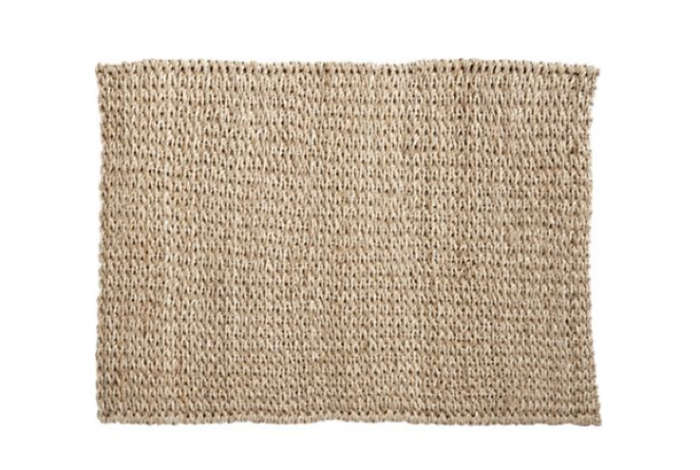
A great table setting does not need to announce itself with a trumpet, a floral installation the size of a small jungle, or twelve forks that make guests question their life choices. Sometimes, all it takes is a naturally woven placemat and one well-chosen napkin with a little shimmer. That is exactly why the Lanai Placemat and Lustre Gold Napkin pairing has such lasting appeal: it combines island-inspired texture with polished gold elegance in a way that feels relaxed, warm, and quietly expensive.
The Lanai placemat is best understood as a natural-fiber table foundation. Its woven look brings depth, softness, and an organic modern feel to the dining table. The Lustre Gold Napkin, meanwhile, adds glow. It is the table-setting equivalent of putting on earrings before leaving the house: not strictly necessary, but suddenly everything looks intentional.
Whether you are styling a casual brunch, a summer dinner on the patio, a holiday table, or a small “I ordered takeout but plated it beautifully” moment, this combination works because it balances opposites. The placemat feels earthy and textural. The gold napkin feels refined and celebratory. Together, they create a tablescape that says, “Yes, I have taste,” without also saying, “Please do not breathe near the centerpiece.”
What Makes the Lanai Placemat Special?
The word “Lanai” naturally suggests outdoor living, breezy afternoons, and the easy rhythm of island-inspired interiors. In table decor, that mood translates into woven texture, pale neutral tones, and materials that feel connected to nature. Many Lanai-style placemats are made with natural fibers such as abaca, bamboo, rattan, or similar plant-based materials. These fibers are valued because they add visual warmth without overwhelming the table.
Abaca, in particular, is known for its sturdy natural fibers and softly rustic appearance. When woven into a placemat, it creates a surface that looks casual but not careless. The weave gives dinnerware a beautiful frame, especially when paired with white plates, wood serving boards, ceramic bowls, or glassware with simple silhouettes.
A Neutral Base That Does Real Work
The beauty of a Lanai placemat is its versatility. A pale natural placemat can calm down a bold tablescape or add interest to a minimalist one. On a white table, it prevents the setting from looking flat. On a dark wood table, it brightens the surface. On a glass table, it adds texture and keeps the whole arrangement from feeling too cold.
Think of it as the rug of your place setting. Without it, the plate may look like it just wandered onto the table and got lost. With it, the entire setting has structure. The dinner plate sits at the center, utensils have context, and the napkin becomes part of a deliberate design rather than a folded afterthought.
Why the Lustre Gold Napkin Works So Well
Gold is one of those colors that can go either beautifully elegant or wildly overcaffeinated, depending on how it is used. The trick is moderation. A Lustre Gold Napkin gives you a controlled dose of shine. It is not a gold tablecloth, gold plates, gold candles, and gold confetti all shouting at once. It is one soft textile accent that catches the light and makes the table feel special.
Gold napkins pair especially well with neutral placemats because the natural texture keeps the metallic tone grounded. Without that earthy base, gold can look too formal or even flashy. With the Lanai placemat underneath, the napkin feels warm, sunlit, and approachable.
Gold as a Year-Round Accent
One reason gold napkins are so useful is that they are not limited to one season. In spring, they work with ivory dishes, pale green glasses, and fresh flowers. In summer, they look beautiful beside woven placemats, citrus, grilled seafood, and rattan accessories. In fall, they complement pumpkins, amber glass, and roasted vegetables. In winter, they slide effortlessly into holiday tables with candles, greenery, and white porcelain.
In other words, the Lustre Gold Napkin is not a one-party wonder. It is the friend who can show up to brunch, Thanksgiving, a birthday dinner, and New Year’s Eve without needing a costume change.
How to Style a Lanai Placemat and Lustre Gold Napkin
The best table settings usually have three things: texture, contrast, and breathing room. The Lanai Placemat and Lustre Gold Napkin already provide the first two. Your job is to avoid smothering them with too many competing details. A good tablescape should feel layered, not like the table decor aisle fell over.
1. Start With Simple Dinnerware
White, cream, stoneware gray, matte black, or soft blue plates all work beautifully with a woven placemat. If you want the placemat and gold napkin to be the focus, choose dinnerware with clean shapes. A round white dinner plate on a rectangular woven placemat is a classic choice because the shapes contrast nicely.
For a coastal look, try white plates with pale blue salad plates. For a modern organic setting, use speckled stoneware and brushed stainless flatware. For a warmer dinner-party mood, layer ivory plates with amber glasses and brass candlesticks.
2. Choose the Right Napkin Placement
A cloth napkin can be placed to the left of the plate, on top of the plate, beneath the fork, or through a napkin ring depending on the occasion. For the Lanai and gold combination, placing the napkin on the plate often looks especially strong because it lets the gold color sit directly in the center of the place setting.
For casual meals, fold the napkin into a rectangle and place it under the fork. For dinner parties, fold it into thirds and lay it across the plate. For holidays or celebrations, roll it through a brass, wood, pearl, or rattan napkin ring. The point is not to perform napkin origami worthy of a museum. The point is to make the table feel cared for.
3. Add Natural and Metallic Accents
The Lanai placemat gives you an earthy foundation, while the gold napkin gives you shine. Echo both elements elsewhere on the table. Use wood-handled flatware, bamboo serving pieces, woven chargers, or a low centerpiece made of greenery. Then repeat the gold tone with candlesticks, napkin rings, rimmed glasses, or a small brass bowl for salt.
One helpful rule: repeat a material or color at least twice. If the napkin is the only gold item on the table, it may look accidental. Add gold-rimmed glasses or a brass candleholder, and suddenly the napkin looks like part of a plan. Interior designers love this trick. So do people who panic-clean fifteen minutes before guests arrive.
Best Color Palettes for This Pairing
The Lanai Placemat and Lustre Gold Napkin combination is flexible, but certain palettes make it shine. Because the placemat is natural and the napkin is warm, you can build in several directions.
Coastal Neutral
Use white plates, clear glassware, pale blue accents, and a few shells or sea-glass-inspired accessories. This palette feels breezy and relaxed, perfect for seafood dinners, summer brunch, or a patio lunch.
Modern Organic
Pair the placemat with matte stoneware, black flatware, smoked glass, and simple greenery. The gold napkin softens the mood and keeps the table from becoming too austere. This is a great look for loft apartments, open-plan kitchens, or anyone who owns at least one ceramic bowl that looks handmade because it probably was.
Warm Holiday
Add ivory plates, taper candles, evergreen sprigs, cinnamon-colored florals, and gold-rimmed glassware. The woven placemat prevents the table from feeling overly formal, while the gold napkin delivers celebration.
Tropical Dinner Party
Use palm-print salad plates, rattan tumblers, citrus fruit, orchids, or banana leaves as accents. The Lanai placemat already hints at island style, and the gold napkin adds just enough polish to make the setting dinner-party ready.
When to Use This Table Setting
This pairing is not just for staged photos or special occasions. It can work for everyday dining if you enjoy a table that looks finished. Still, it is especially useful when you want a meal to feel slightly elevated without building a tablescape that requires engineering skills.
Weekend Brunch
For brunch, place the Lanai placemat under white plates, fold the gold napkin loosely over the plate, and add juice glasses with fresh citrus slices. A small vase of daisies or white tulips keeps the look sunny and casual.
Outdoor Dinner
For covered patio dining, the natural woven texture feels right at home. Use the placemats in a protected area, keep them away from heavy moisture, and store them indoors after the meal. Add lanterns, grilled vegetables, and a pitcher of iced tea, and the table will look charming without trying too hard.
Small Holiday Gathering
If you are hosting a holiday dinner, this pairing can bridge casual and elegant styles. Add candles, greenery, and warm white plates. The result feels festive but not stiff. Guests can relax, eat, laugh, and maybe even spill gravy without feeling like they have ruined a royal banquet.
Care Tips for Natural Placemats and Gold Napkins
Natural-fiber placemats are beautiful, but they do not enjoy being treated like plastic cafeteria trays. Woven abaca and similar materials should usually be cleaned gently with a dry or slightly damp cloth, depending on the product’s care instructions. Avoid soaking them, scrubbing them aggressively, or leaving them outdoors overnight.
After meals, shake off crumbs and wipe spills quickly. If a sauce lands on the placemat, blot rather than rub. Rubbing can push the stain deeper into the weave or rough up the fibers. Store placemats flat when possible so they keep their shape.
Cloth napkins are more forgiving, but they still deserve decent manners. Wash them according to the label, usually in cold or warm water, and avoid harsh bleach unless the fabric specifically allows it. For a crisp look, iron the napkin while slightly damp or use a low setting appropriate for the fabric blend. If you prefer a relaxed look, fold them straight from the dryer and call it “casual European texture.” Very sophisticated. Very convenient.
Buying and Substitution Tips
If you cannot find the exact Lanai Placemat and Lustre Gold Napkin combination, do not worry. The design formula is easy to recreate. Look for a rectangular or round woven placemat made from abaca, rattan, bamboo, seagrass, water hyacinth, or another natural fiber. Then pair it with a gold, champagne, ochre, or warm mustard cloth napkin.
The placemat should have enough texture to be visible under the plate. The napkin should have enough sheen or saturated color to feel intentional. Cotton sateen, linen blends, polyester blends, or rayon blends can all work depending on the finish. If the napkin looks flat, add a metallic napkin ring. If the placemat looks too rustic, use polished flatware and cleaner dinnerware to balance it.
What Size Should You Choose?
A common rectangular placemat size is around 19 by 14 inches, which works well for most dinner plates and utensils. Round placemats often measure around 15 inches across. For napkins, 18 to 20 inches square is a useful dinner size because it folds nicely and feels generous on the lap.
Before buying, measure your table. This sounds obvious, but many people skip it and then discover their gorgeous placemats overlap like rush-hour traffic. Leave enough space between settings so guests are not dueling elbows over the bread basket.
Design Mistakes to Avoid
The first mistake is using too many statement pieces at once. If the placemat has a strong weave and the napkin is gold, keep plates and glassware relatively simple. The second mistake is choosing a centerpiece that is too tall. Your guests came to talk to each other, not to play peekaboo through eucalyptus branches.
The third mistake is ignoring lighting. Gold napkins look best in warm light. Candlelight, soft bulbs, or late-afternoon sunlight will make the fabric glow. Harsh overhead lighting can make any table look like it is being interrogated. Dim the lights, light a candle, and let the gold do its job.
Experience Notes: Living With the Lanai Placemat and Lustre Gold Napkin Look
After using this style of table setting in real dining scenarios, the biggest lesson is that texture can do more than color. A natural woven placemat instantly changes the mood of the table, even before the plates arrive. It adds a sense of comfort, as if the table has been dressed but not overdressed. That is especially helpful when the meal itself is simple. A roasted chicken, a salad, and a loaf of bread look more generous when served on a table with woven placemats and warm napkins.
The gold napkin also performs surprisingly well across different occasions. At brunch, it feels sunny. At dinner, it feels elegant. During the holidays, it feels festive. The same napkin can shift personality depending on what surrounds it. Pair it with white plates and lemons, and the mood is bright and summery. Pair it with candles and dark greenery, and suddenly it belongs at a winter dinner party.
One practical experience: guests notice cloth napkins. They may not say, “What a tasteful rayon-polyester blend,” because that would be oddly specific and possibly alarming. But they do notice that the table feels more complete. Cloth napkins make even a casual meal feel hosted rather than assembled. They also photograph well, which matters if your guests include anyone who documents dinner before eating it.
The placemat, however, needs a little care discipline. Natural woven materials are not ideal for extremely messy meals unless you are prepared to clean quickly. Tomato sauce, red wine, oily dressings, and melted chocolate are not exactly best friends with abaca-style fibers. For meals with kids, barbecue sauce, or enthusiastic pasta twirling, consider using the Lanai placemats for the adults’ settings or saving them for lower-risk menus.
Storage matters too. Stacking woven placemats flat keeps them looking better. If they are shoved vertically into a crowded cabinet, the corners may bend. A wide drawer, shelf, or flat storage basket works well. Napkins should be folded loosely after laundering, and if you want the table to look polished, iron them before guests arrive. If ironing sounds like a personal attack, choose a fold that embraces softness, such as a loose knot or relaxed rectangle.
The most reliable styling approach is to repeat the gold once or twice. A gold napkin alone can look slightly random, but a gold napkin with brass candlesticks or gold-rimmed glasses looks intentional. Likewise, repeat the natural texture with a wood bowl, rattan tray, or woven bread basket. These small echoes create harmony without making the table feel matchy-matchy.
In everyday use, this pairing is best for people who like a table that feels warm, natural, and quietly elevated. It is not fussy, but it is not invisible either. It works for hosts who want compliments without spending three hours arranging charger plates. It also works for small apartments, open kitchens, and patio tables because the pieces bring style without taking up much vertical space. No towering centerpiece, no elaborate runner, no panic. Just woven texture, golden fabric, and a table that looks ready for good food and better conversation.
Conclusion
The Lanai Placemat and Lustre Gold Napkin pairing is a simple lesson in balance. Natural woven texture keeps the table grounded, while the gold napkin adds warmth, polish, and a little sparkle. Together, they create a place setting that can move from casual brunch to elegant dinner without losing its charm.
For the best result, keep the dinnerware simple, repeat the gold accent subtly, and let the placemat’s organic weave provide the foundation. Care for the placemat gently, launder the napkin properly, and avoid overcomplicating the table. A beautiful tablescape should invite people to sit down, not make them afraid to touch anything.
In a world full of disposable decor and overly complicated hosting trends, this combination proves that timeless table style can be refreshingly easy. A woven placemat, a gold napkin, a few candles, and dinner suddenly feels like an occasion. Even if dinner is just pasta. Especially if dinner is just pasta.














