
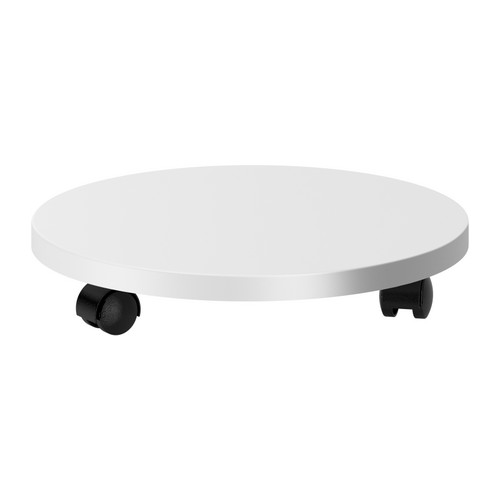
Some home products are loud about their importance. They arrive with dramatic packaging, complicated instructions, and the emotional confidence of a kitchen appliance that thinks it deserves its own Instagram account. The Lantliv Plant Stand On Wheels is not that kind of product. It is simple, modest, practical, and quietly brilliant: a small rolling plant stand designed to lift a potted plant off the floor, help protect surfaces from moisture and scratches, and make heavy pots easier to move.
In other words, it is the tiny stage your houseplant did not know it needed. A fiddle-leaf fig suddenly looks intentional. A rubber plant gets promoted from “corner resident” to “design feature.” A large ceramic planter stops behaving like a gym membership you regret every time you need to sweep behind it.
Originally associated with IKEA’s LANTLIV line and often discussed by design and gardening shoppers as an affordable rolling plant caddy, the Lantliv Plant Stand On Wheels became appealing because it solved a very real houseplant problem: plants are beautiful, but big pots are heavy, wet, scratchy, and surprisingly committed to staying exactly where you put them. A wheeled stand changes that entire relationship.
What Is the Lantliv Plant Stand On Wheels?
The Lantliv Plant Stand On Wheels is best understood as a compact rolling platform for potted plants. Rather than being a tall decorative plant stand, it works more like a low-profile plant mover or plant caddy. The plant sits on top, the wheels sit underneath, and your floor gets a little breathing room.
The design is simple: a round or compact platform, typically in a clean white finish, supported by small castors. That simplicity is the point. It does not compete with the plant, the pot, or the room. It simply gives your greenery elevation, mobility, and a little Scandinavian “yes, I own a linen apron” energy.
Product listings and archived design references commonly describe the Lantliv rolling stand as made with fiberboard and acrylic paint. Its intended purpose is practical: raise the plant, help protect the floor from moisture and scratches, and make large plant pots easier to move. Those three benefits sound humble, but they are exactly the problems many indoor plant owners face after buying one dramatic pot and realizing it weighs as much as a small golden retriever.
Why a Plant Stand On Wheels Is More Useful Than It Looks
A plant stand on wheels may seem like a small accessory, but it can change how you care for plants and how your space functions. Houseplants are not furniture, but they do behave like furniture once they become large enough. They occupy corners, block cleaning paths, hide dust bunnies, and require occasional rotation toward better light. Without wheels, moving them becomes a full-body negotiation.
It Makes Heavy Pots Easier to Move
Large planters are beautiful until you need to move them. Ceramic, terracotta, concrete-look resin, and oversized nursery pots can become awkward once filled with soil and watered thoroughly. Add a leafy plant on top, and suddenly you are doing an Olympic event called “don’t snap the stem while dragging this across the floor.”
The Lantliv Plant Stand On Wheels gives the pot mobility. Instead of lifting, dragging, or scooting, you can roll the plant into a better position. This is useful when cleaning, rearranging furniture, adjusting light exposure, or moving plants away from cold windows and heating vents.
It Helps Protect Floors
Indoor plants and flooring can have a complicated relationship. Water can overflow from drainage holes. Condensation can collect under pots. Rough ceramic bases can scratch wood, laminate, vinyl, or tile. A raised rolling stand creates separation between the planter and the floor, helping reduce direct contact.
This does not mean you should water recklessly and let your plant live in a tiny swamp. A saucer or cachepot is still important. But a wheeled plant stand gives you another layer of protection, especially in living rooms, bedrooms, entryways, and sunrooms where decorative flooring matters.
It Improves Plant Care
Plants are easier to care for when you can reach them. A rolling stand lets you pull the pot forward for watering, pruning, leaf cleaning, pest checks, and soil inspection. That matters because many common houseplant problems begin quietly. Yellowing leaves, dry soil pockets, fungus gnats, dust buildup, and leaning stems are easier to notice when you are not crawling behind a sofa with a watering can and a deeply wounded sense of dignity.
Design Appeal: Why the Lantliv Look Works
The beauty of the Lantliv Plant Stand On Wheels is that it does not try too hard. The white painted surface works well with modern, farmhouse, Scandinavian, cottage, minimalist, and casual interiors. It pairs nicely with white ceramic pots, woven baskets, terracotta planters, matte black containers, and natural wood furniture.
Because it sits low, the stand does not visually overpower the plant. Instead, it gives the pot a finished base. This is especially helpful when a plant is placed on the floor but still needs to feel styled rather than abandoned. The difference is subtle but real. Without a stand, a pot in the corner can look like it was set down temporarily in 2021 and never moved again. With a stand, it looks intentional.
Best Interior Styles for the Lantliv Plant Stand
The Lantliv Plant Stand On Wheels fits particularly well in rooms that favor clean lines and light colors. In a Scandinavian-inspired space, it blends naturally with pale woods, soft textiles, and uncluttered layouts. In a farmhouse-style room, it can soften the look of heavier planters and pair well with baskets, linen curtains, and painted furniture. In a small apartment, it helps plants stay flexible, which is important when one corner must serve as living room, office, yoga studio, and emergency laundry zone.
The white finish also works as a visual pause. If your plant has big, glossy, dramatic leaves, the stand lets the foliage do the talking. And let’s be honest: if you own a monstera, it is already talking. Possibly yelling.
Best Plants to Use With a Rolling Plant Stand
The best plants for a Lantliv-style rolling stand are medium to large potted plants that need occasional movement but are not dangerously top-heavy. The goal is balance. A wheeled base is helpful, but physics remains undefeated.
Good Plant Choices
Rubber plants are excellent candidates because they are upright, stylish, and often grown in medium-to-large pots. Snake plants also work well because they have a vertical shape and tolerate a range of indoor conditions. Monstera deliciosa can look fantastic on a rolling stand, especially when the pot is stable and the plant is supported with a moss pole or stake.
Fiddle-leaf figs may also benefit from a wheeled stand because they often need careful light placement. They can be fussy about relocation, but being able to rotate or reposition them slightly can help with even growth. Dracaena, palms, ZZ plants, bird of paradise, and large pothos arrangements can also work, depending on pot size and weight.
Plants to Use Carefully
Very tall plants in narrow pots should be placed with caution. A rolling base can make a top-heavy plant less stable if the pot is too small or the wheels move too freely. If you have pets, children, or a Roomba with the confidence of a bumper car, choose wider, heavier pots and keep the plant in a low-traffic area.
Outdoor use should also be considered carefully. If the stand is made from fiberboard or painted wood-based material, prolonged exposure to rain, wet patios, or standing water can shorten its life. For outdoor plants, a metal, plastic, bamboo, or weather-resistant plant caddy may be more suitable.
How to Style the Lantliv Plant Stand On Wheels
Styling a rolling plant stand is mostly about proportion. The stand should look like it belongs under the pot, not like the pot is balancing on a dinner plate during a magic trick. Choose a planter that fits comfortably on the surface and does not extend too far over the edge.
Living Room Styling
In a living room, place the plant near a window, beside a sofa, or in an empty corner that needs height and texture. A rolling stand makes it easy to shift the plant when guests come over or when you need to vacuum. Pair it with a neutral ceramic pot for a clean look, or use a woven basket-style cachepot for warmth.
Bedroom Styling
In a bedroom, the Lantliv Plant Stand On Wheels can hold a calming plant such as a snake plant, ZZ plant, or parlor palm. Keep the palette soft: white stand, beige pot, green foliage, and natural bedding. The result feels peaceful without turning the room into a greenhouse that whispers “humidity” at 2 a.m.
Kitchen and Dining Area Styling
In kitchens and dining areas, a wheeled plant stand can hold herbs, a citrus plant near a bright window, or a decorative leafy plant that can be moved when more space is needed. If you cook often, choose plants that can tolerate occasional temperature shifts and avoid placing them too close to heat sources.
How to Care for the Stand
Because the Lantliv Plant Stand On Wheels is a painted plant accessory, maintenance should be simple but consistent. Wipe the surface with a lightly damp cloth and dry it afterward. Avoid letting water sit on the painted surface. If you water the plant in place, use a saucer and check underneath after watering.
Every few weeks, inspect the wheels. Dust, pet hair, and soil crumbs can collect around castors. A quick clean keeps the stand rolling smoothly. If the wheels squeak, check whether they need cleaning rather than immediately blaming the plant. Plants are dramatic, but they are rarely mechanically responsible.
Floor Protection Tips
Even with a rolling stand, delicate floors need care. Avoid rolling heavy pots across soft wood floors without checking the wheels first. Tiny bits of grit can get trapped and act like sandpaper. If the stand is staying in one place for a long time, move it occasionally to clean underneath and check for moisture.
If you are using the stand under a plant that needs frequent watering, choose a planter with proper drainage and a reliable saucer. Better yet, remove the plant for deep watering, let it drain fully, then place it back on the stand. This one habit can prevent water marks, swollen fiberboard, and the mysterious floor rings that make renters break into a cold sweat.
Lantliv vs. Modern Rolling Plant Caddies
The original Lantliv Plant Stand On Wheels is appreciated for its affordability, simple design, and IKEA-style practicality. However, shoppers today may also consider newer rolling plant movers with locking wheels, reversible trays, galvanized metal construction, bamboo accents, or weather-resistant materials.
A modern rolling plant caddy may offer stronger outdoor durability or wheel brakes. A metal stand may be better for patios. A wood or bamboo version may look warmer in natural interiors. A plastic plant mover may handle moisture more easily. The Lantliv-style stand remains appealing because it is clean, minimal, and easy to blend into a room.
When choosing between options, look at four details: pot diameter, weight capacity, wheel quality, and material. The prettiest plant stand in the world is not helpful if your planter hangs over the edges like a hat on a nervous mushroom.
Buying Guide: What to Check Before You Choose One
If you are shopping for a Lantliv Plant Stand On Wheels secondhand or choosing a similar plant caddy, inspect the size first. Measure the bottom of your planter, not the widest part of the leaves. The pot should sit securely on the platform without wobbling.
Next, check the weight. Soil becomes heavier after watering. A pot that feels manageable when dry can become surprisingly hefty when wet. Make sure the stand can support the total weight of the plant, pot, soil, and water.
Also check wheel movement. Smooth wheels matter if you plan to move the plant often. Locking wheels are useful in busy homes, especially if the plant is near a doorway, hallway, or curious pet. Finally, check the surface condition. If buying used, look for swelling, peeling paint, cracked fiberboard, rusted hardware, or loose castors.
Common Mistakes to Avoid
The first mistake is using a rolling stand with a pot that is too large. Overhang may look harmless, but it can make the planter unstable. The second mistake is assuming wheels make every plant easy to move. A very large plant still needs slow, careful handling, especially over rugs, thresholds, and uneven floors.
The third mistake is forgetting water protection. A plant stand can help protect floors, but it is not a magical waterproof force field. Use saucers, dry spills, and avoid letting moisture sit underneath pots. The fourth mistake is placing a wheeled stand on a sloped or uneven surface. Plants may be calm, but gravity is always looking for hobbies.
Is the Lantliv Plant Stand On Wheels Worth It?
For many plant owners, yes. The Lantliv Plant Stand On Wheels is worth considering if you want a simple, attractive, low-profile way to move indoor plants and protect floors. It is especially useful for renters, apartment dwellers, plant collectors, and anyone who has ever tried to move a wet ceramic planter and immediately questioned every life choice that led to that moment.
Its main strength is practicality. It does not need to be the focal point. It makes the plant easier to live with. That is the kind of design that earns long-term loyalty: quiet, functional, good-looking, and not demanding applause.
Personal Experience: Living With a Lantliv-Style Plant Stand On Wheels
Using a Lantliv-style plant stand on wheels feels like a small upgrade at first, and then slowly becomes one of those household conveniences you wonder why you did not buy earlier. The first thing you notice is not visual. It is physical. A plant that used to require two hands, a tense back, and a short motivational speech can suddenly glide a few inches to the left. That sounds minor until cleaning day arrives.
One of the best uses is under a medium-sized plant near a bright window. Plants often lean toward light, and rotating the pot helps encourage more balanced growth. Without wheels, rotation can be annoying, especially if the pot is heavy or placed close to furniture. With a rolling stand, you can turn the plant gently, adjust its angle, or move it closer to indirect light without scraping the floor. It turns plant care from a chore into a quick habit.
The stand is also helpful during watering. Instead of bending awkwardly into a corner, you can roll the plant forward, check the soil, water carefully, let the pot drain, and then return it to position. If a few drops spill, they are easier to spot and wipe up. This matters most with white pots, terracotta saucers, and floor finishes that show every water mark like they are submitting evidence in court.
From a decorating perspective, the stand makes floor plants look more finished. A plant directly on the floor can look fine, but a plant on a low rolling base looks intentionally placed. The slight lift creates shadow, separation, and structure. It is similar to putting art in a frame. The plant was already nice; the stand simply tells the room, “Yes, this was planned.”
There are a few lessons from real use. First, the pot needs to fit well. If the planter is too wide, the whole setup feels unstable. Second, wheels collect dust and soil, especially if the plant is near a balcony door or if you repot plants nearby. Cleaning the castors occasionally keeps the stand from dragging. Third, water discipline matters. A painted fiberboard-style stand should not be treated like outdoor patio equipment. If water sits on it repeatedly, the finish may suffer over time.
The best experience comes from pairing the stand with the right plant and the right location. A rubber plant in a simple white pot looks sharp. A snake plant in a dark ceramic planter feels modern. A monstera in a basket-style cachepot looks relaxed and natural, as long as the base is stable. The stand is especially useful in small spaces where furniture shifts often. When guests arrive, the plant can move. When sunlight changes seasonally, the plant can move. When you drop something behind it, the plant can move without turning the rescue mission into a furniture-moving ceremony.
The biggest surprise is how much easier it makes routine care. You are more likely to dust leaves, inspect pests, rotate growth, and clean underneath the pot when the plant is mobile. That means the stand does more than decorate; it supports better plant habits. It helps your plant look better because it helps you behave like a more responsible plant parent. Not perfect, of course. Nobody is perfect. Somewhere, there is still a succulent being overwatered with confidence. But a rolling plant stand definitely helps.
Conclusion
The Lantliv Plant Stand On Wheels proves that smart home design does not have to be complicated. It is a small accessory with practical benefits: easier movement, better floor protection, more flexible styling, and simpler plant care. Whether you are decorating a sunny living room, organizing a small apartment, or trying to stop your favorite planter from scratching the floor, a rolling plant stand can make indoor gardening feel smoother and more intentional.
Its charm is in its restraint. It does not shout for attention. It simply lifts the plant, rolls when needed, and helps your home look a little more polished. For houseplant lovers, that is a quiet luxury worth appreciating.
Note: This article is written for web publication and is based on real product information, indoor plant care principles, and practical home styling guidance.













