
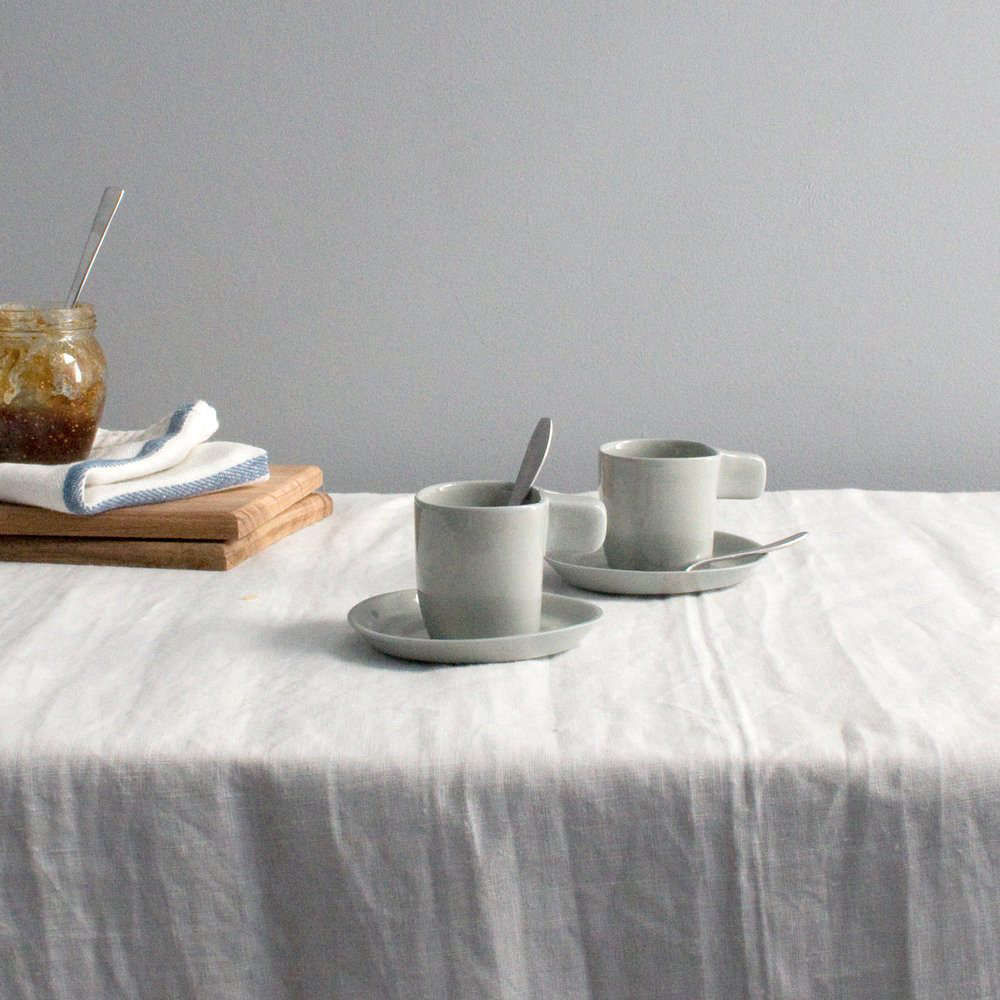
Light gray porcelain espresso cups may sound like a tiny detail in the grand drama of coffee, but anyone who has ever pulled a beautiful shot into the wrong cup knows the truth: the cup matters. Espresso is small, intense, aromatic, and slightly theatrical. It deserves a stage that does not steal the spotlight, crack under pressure, or make your crema look like it wandered into a cafeteria.
That is where light gray porcelain espresso cups quietly shine. They are elegant without being fussy, neutral without being boring, and practical enough for daily use. A good light gray demitasse cup can make a morning espresso feel like a café ritual, even if you are standing in pajama pants next to a toaster that has seen things.
This guide explores what makes light gray porcelain espresso cups worth choosing, how they compare with ceramic, glass, and stoneware options, what size works best, how to style them, how to care for them, and what to look for before buying a set. Whether you are a home barista, a design lover, or someone who simply believes coffee should arrive in something nicer than a chipped mug from a 2013 office party, you are in the right place.
What Are Light Gray Porcelain Espresso Cups?
Light gray porcelain espresso cups are small cups designed for serving espresso, usually in the 2- to 4-ounce range. They are often called demitasse cups, a term that means “half cup” in French. Unlike large coffee mugs, espresso cups are intentionally compact because espresso itself is concentrated. A single shot is small, but it carries flavor, aroma, body, and crema in one tiny, caffeinated package.
The porcelain part matters. Porcelain is a high-fired ceramic material known for its smooth surface, refined appearance, low porosity, and durability when properly made. It tends to feel lighter and more elegant than thick stoneware while still offering enough strength for everyday use. Many café-quality espresso cups use porcelain because it looks polished, resists staining, and does not interfere with the flavor of the coffee.
The light gray color adds another layer of appeal. It softens the look of the cup, making it more modern than plain white and more flexible than bold colors. Light gray works with marble counters, wood trays, stainless steel espresso machines, black grinders, cream-colored linens, and just about every kitchen style that does not involve neon flamingos. Even then, honestly, gray would probably try its best.
Why Porcelain Is a Smart Material for Espresso Cups
Espresso is sensitive to temperature, aroma, and presentation. A thin, cold, oversized cup can flatten the experience. Porcelain helps solve several problems at once.
Porcelain Feels Smooth and Neutral
High-quality porcelain has a glazed, nonporous surface that does not absorb coffee oils or odors easily. That is helpful because espresso has strong aromatic compounds, and nobody wants yesterday’s dark roast haunting today’s ristretto like a tiny coffee ghost.
A smooth glazed interior also makes the cup easier to rinse and clean. Coffee residue, especially from darker roasts, can stain porous or rough surfaces over time. Porcelain resists this better than many lower-fired ceramics, especially when the glaze is well made.
Porcelain Balances Heat Retention and Elegance
Espresso cools quickly because the serving volume is so small. A porcelain cup with slightly thick walls can help keep the drink warm long enough to enjoy it properly. It will not perform exactly like double-walled insulated glass or stainless steel, but it offers a comfortable middle ground: heat retention, refined feel, and classic café style.
The key is preheating. Even a beautiful porcelain cup can steal heat from espresso if it starts out cold. Before pulling a shot, warm the cup with hot water or store it on top of your espresso machine if the surface is designed for cup warming. Think of it as stretching before exercise, except the cup does all the work and nobody has to wear running shoes.
Porcelain Looks Good Without Trying Too Hard
Porcelain has a naturally clean, polished appearance. In light gray, it becomes especially versatile. The shade is calm enough for minimalist kitchens, soft enough for farmhouse tables, and stylish enough for modern coffee bars. It also photographs beautifully, which matters if your espresso occasionally has to appear on Instagram before it appears in your bloodstream.
Why Light Gray Is Such a Popular Color for Espresso Cups
White espresso cups are timeless, but light gray has become a favorite for people who want something slightly warmer, moodier, and more design-forward. It is a neutral, but not a blank one. Light gray has character.
It Complements Coffee Beautifully
Espresso has rich brown tones, golden crema, and a glossy surface when freshly pulled. Light gray creates a subtle contrast that makes the coffee stand out. It is less stark than bright white and less visually heavy than black. The result is a cup that frames the espresso instead of shouting over it.
It Works With Many Kitchen Styles
Light gray porcelain espresso cups fit into many interiors: Scandinavian, modern, transitional, industrial, coastal, and even rustic kitchens. Pair them with a wood saucer for warmth, a white marble tray for elegance, or a black metal rack for a sharper café look.
Gray also plays nicely with other neutrals. It can sit beside white dinnerware, beige napkins, charcoal mugs, or stainless steel appliances without causing a visual argument. Unlike trendier colors, light gray does not demand that your entire kitchen commit to its personality.
It Hides Minor Marks Better Than White
White porcelain is beautiful, but it can show coffee marks quickly. Light gray may be more forgiving, especially with daily use. It will not make stains disappear by magic, but it can reduce the visual drama of tiny marks between washes. Basically, it is the friend who tells you everything is fine while also quietly handing you a sponge.
The Best Size for Light Gray Porcelain Espresso Cups
Espresso cups are usually small for a reason. The best size depends on how you drink espresso and what your machine setup requires.
2 Ounces for Traditional Single Shots
A 2-ounce cup is ideal for a traditional single shot or a smaller espresso serving. It keeps the drink compact and helps preserve crema. However, it may feel tight if you prefer double shots or if your machine splashes slightly during extraction.
3 Ounces for Everyday Flexibility
A 3-ounce porcelain espresso cup is often the sweet spot for home use. It can hold a single shot comfortably and usually accommodates a double shot without looking oversized. Many classic espresso cups fall around this range because it balances function, presentation, and comfort.
4 Ounces for Double Shots, Macchiatos, and Guests
A 4-ounce cup gives extra space for a doppio, a small macchiato, or a splash of steamed milk. It is less traditional for straight espresso, but more practical for households where everyone has a different coffee personality. One person wants a neat single shot; another wants foam; someone else wants “just a tiny bit more milk,” which somehow becomes a cappuccino in disguise.
Shape Matters More Than You Think
The shape of an espresso cup affects heat, aroma, crema, and comfort. A good cup is not just a tiny bowl with ambition.
A Narrow Base Helps Concentrate the Espresso
Many espresso cups have a slightly narrower base and wider rim. This shape helps concentrate the shot and makes the crema more visible. It also gives the cup a classic demitasse silhouette.
A Rounded Interior Supports Crema
A rounded interior can help espresso settle smoothly and preserve the crema layer. Sharp corners inside the cup are harder to clean and may disrupt the appearance of the shot. A smooth curve is usually better, both for coffee and for the person washing dishes later.
A Comfortable Handle Is Not Optional
Some espresso cups have handles so tiny they seem designed for a polite squirrel. Look for a handle that allows at least one finger to grip comfortably. Espresso is served hot, and while suffering for art is noble, burning your knuckle before breakfast is unnecessary.
Matte vs. Glossy Light Gray Porcelain
Light gray porcelain espresso cups commonly come in glossy, satin, or matte finishes. Each has advantages.
Glossy Porcelain
Glossy finishes are classic, smooth, and easy to clean. They reflect light and often make the cup feel more refined. A glossy light gray espresso cup looks crisp and polished, especially beside stainless steel coffee equipment.
Matte Porcelain
Matte finishes feel softer and more modern. They reduce glare and create a calm, handcrafted look. However, matte glazes can sometimes show marks from spoons or metal racks more easily than glossy glazes. If you choose matte cups, check the manufacturer’s care instructions and avoid abrasive cleaners.
Reactive Glaze
Some light gray porcelain cups use reactive glaze, which creates natural variation in color and texture. This can make each cup slightly unique. It is great for people who like organic, artisan-style tableware. Just remember that “unique” can mean beautiful variation, not identical perfection. Your cups may look like siblings, not clones.
How to Choose the Best Light Gray Porcelain Espresso Cups
Before buying, consider more than color. The best espresso cups are attractive, practical, safe, and suited to your coffee routine.
Check the Capacity
Look for cups between 2 and 4 ounces. If you mostly drink straight espresso, choose 2 to 3 ounces. If you enjoy double shots or macchiatos, consider 3 to 4 ounces.
Look for Food-Safe Glaze
Buy from reputable brands or retailers that clearly describe the cup as food safe. Ceramic and porcelain products intended for food contact should meet safety standards for glaze and materials. Avoid using decorative-only pieces for drinking, especially vintage, damaged, unlabeled, or heavily painted cups.
Confirm Dishwasher and Microwave Safety
Many porcelain espresso cups are dishwasher safe, but not all are. Cups with metallic trim, gold rims, decals, or specialty glazes may require hand washing and should not go in the microwave unless the manufacturer says so. If the bottom of the cup says “not microwave safe,” believe it. The cup is not being dramatic.
Consider Stackability
If you have limited cabinet space, stackable espresso cups are a blessing. Some sets also include saucers and a metal stand. A stand can look charming on a coffee bar, but measure your counter first. Otherwise, your espresso station may become a tiny porcelain skyscraper with zoning issues.
Pay Attention to Saucer Design
Saucers are not just decorative. They catch drips, hold a spoon, and make serving feel intentional. A saucer with a slight indentation keeps the cup stable. This is especially useful if you serve espresso after dinner, when everyone is relaxed and at least one person is waving their hands while telling a story.
Light Gray Porcelain Espresso Cups for Different Uses
For Home Baristas
Choose a 3-ounce cup with thick porcelain walls, a rounded interior, and a comfortable handle. Preheat it before brewing. This setup supports heat retention and gives enough room for a double shot without swallowing the espresso visually.
For Entertaining
Choose a matching set of light gray porcelain cups with saucers. The color feels elegant but relaxed, making it suitable for brunch, dessert, or after-dinner coffee. Pair with small spoons, sugar cubes, biscotti, or dark chocolate squares.
For Minimalist Kitchens
Choose handleless or low-profile cups in a soft matte gray. Keep the silhouette simple. The result is clean, architectural, and quietly stylish. Just make sure the cups are comfortable to hold when hot.
For Small Apartments
Choose stackable cups or cups that nest neatly with saucers. Espresso gear can multiply quickly: grinder, tamper, scale, knock box, distribution tool, beans, towels, tiny brushes that look suspiciously serious. Space-saving cups help keep the coffee corner under control.
How to Style Light Gray Porcelain Espresso Cups
Light gray is one of the easiest shades to style because it works as a bridge between warm and cool materials.
Pair With Wood for Warmth
Place light gray cups on a walnut, oak, or bamboo tray. The wood softens the cool tone of gray and gives your coffee setup a cozy, natural feel.
Pair With White for a Clean Café Look
Light gray cups beside white plates, white napkins, and a white espresso machine create a bright, modern look. It feels clean without becoming sterile.
Pair With Black for Contrast
Use black spoons, a black tray, or a black grinder to create contrast. This combination feels bold, graphic, and café-inspired.
Pair With Brass or Gold Accents
Light gray and warm metallics are an excellent match. A brass spoon, gold-toned tray, or warm lamp nearby can make the cups feel elevated. Avoid microwaving cups with metallic decoration, though. Sparks are not ambiance.
Care Tips for Porcelain Espresso Cups
Porcelain is durable, but it is not invincible. Treat it well and it can last for years.
Preheat Before Brewing
Pour hot water into the cup for 20 to 30 seconds before pulling a shot. Empty it, dry quickly if needed, and brew. This helps maintain espresso temperature and improves the drinking experience.
Avoid Sudden Temperature Changes
Do not move porcelain directly from a cold refrigerator to boiling water or from a hot dishwasher to a cold stone counter. Sudden temperature changes can contribute to thermal shock, which may cause cracking. Let cups warm or cool gradually.
Use Gentle Cleaning Methods
For coffee stains, use baking soda and a soft sponge. Avoid steel wool or harsh scouring pads, especially on matte or reactive glazes. A porcelain cup should not leave the sink looking like it survived a fencing match.
Store Carefully
If stacking cups, make sure the glaze is durable enough for it. Place a soft liner between delicate pieces if needed. Keep cups where they are easy to reach, because the more convenient they are, the more likely you are to use them instead of that giant souvenir mug shaped like a moose.
Common Mistakes to Avoid
Buying Cups That Are Too Large
A 6-ounce cup may look cute, but it can make espresso seem lonely. Oversized cups also allow espresso to cool faster. For straight espresso, smaller is better.
Ignoring the Handle
A beautiful cup with an uncomfortable handle will eventually become decoration. Test the handle if shopping in person, or read reviews carefully when buying online.
Choosing Style Over Safety
Vintage and handmade cups can be charming, but they should be confirmed food safe before use. Avoid drinking from cracked, chipped, or decorative-only ceramic pieces. Use questionable pieces as décor, planters, or tiny holders for paper clips that have somehow taken over your desk.
Skipping the Saucer
Saucers are optional for casual use, but they make the experience feel complete. They also protect surfaces from drips and heat. If you entertain often, buy the saucers.
Are Light Gray Porcelain Espresso Cups Worth It?
Yes, especially if you drink espresso regularly or want a more polished coffee setup. Light gray porcelain espresso cups offer a strong combination of function and style. They are small enough to preserve the espresso experience, neutral enough to match many kitchens, and refined enough to make a simple coffee moment feel intentional.
They also make excellent gifts. A set of light gray porcelain espresso cups feels personal but not risky. Unlike clothing, they do not require guessing someone’s size. Unlike art, they do not require decoding their entire personality. And unlike giving someone beans from a mysterious roast level called “Volcanic Thunder,” cups are usually safe territory.
Personal Experiences With Light Gray Porcelain Espresso Cups
Using light gray porcelain espresso cups changes the coffee ritual in subtle but noticeable ways. The first thing you notice is visual calm. Espresso is naturally intense: dark liquid, golden crema, concentrated aroma, and a brewing process that sounds like a tiny machine negotiating with physics. A light gray cup softens the scene. It makes the shot look rich without making the setup feel overly formal.
In daily use, the most practical benefit is versatility. A light gray cup does not clash with other tableware. It looks right on a breakfast tray with toast, beside a dessert plate after dinner, or next to a laptop during a work break. White cups can feel classic, but gray feels more forgiving and relaxed. It says, “I appreciate design,” without also saying, “Please do not breathe near my kitchen.”
The size also changes behavior. When espresso is served in a proper small cup, you tend to slow down. You notice the crema, the aroma, and the temperature. You sip instead of gulping. A 3-ounce porcelain cup encourages that rhythm especially well. It has enough room for a double shot but still feels compact. A 4-ounce cup is useful when making macchiatos, but for straight espresso, 3 ounces often feels more balanced.
Preheating makes a major difference. The first time you pull espresso into a cold porcelain cup, the drink can cool faster than expected. After that, warming the cup becomes automatic. A quick rinse with hot water transforms the experience. The espresso stays warmer, the aroma opens better, and the whole drink feels more café-like. It is a tiny step, but espresso is basically a sport made of tiny steps.
Light gray porcelain also performs well when serving guests. It feels less stark than white and less dramatic than black. Guests often notice the cups without feeling like they are being forced to admire them. That is ideal. Good tableware should improve the mood, not start a lecture. Pairing the cups with small saucers, dark chocolate, or almond biscotti creates a simple after-dinner setup that looks far more expensive than it actually needs to be.
There are a few lessons learned from real use. First, matte finishes look beautiful but may show utensil marks sooner than glossy finishes. If you love a matte light gray cup, use wooden or small stainless spoons gently and avoid aggressive scrubbing. Second, stackable cups are convenient, but not every set stacks smoothly. A slightly wobbly stack is annoying in a cabinet and terrifying near tile floors. Third, handles matter more than photos suggest. A cup can look perfect online and still have a handle designed for someone with fairy-tale fingers.
Another pleasant surprise is how well light gray cups fit seasonal styling. In winter, they look cozy with linen napkins and cinnamon desserts. In spring, they look fresh beside flowers and pale wood. In summer, they work with iced espresso tastings or affogato service. In fall, they pair beautifully with walnut boards, caramel desserts, and darker roasts. Few colors move through the year that easily.
The best experience comes from treating the cups as everyday luxuries. Do not save them only for guests. Use them on regular mornings. Use them when the kitchen is messy. Use them when your espresso shot is not perfect and the crema looks like it is going through a difficult personal chapter. Good cups make ordinary rituals better, and coffee is one of the few daily rituals that deserves a little ceremony.
In the end, light gray porcelain espresso cups are not just about holding coffee. They are about creating a small, repeatable moment of pleasure. They make espresso look better, feel better, and taste more intentional. And if a tiny gray cup can make Monday morning even 7% more civilized, that is not tableware. That is emotional support porcelain.
Conclusion
Light gray porcelain espresso cups are a smart choice for anyone who values both coffee quality and beautiful design. They offer the compact size espresso needs, the smooth nonporous feel porcelain is known for, and the quiet elegance of a neutral color that fits nearly any kitchen. Choose a 2- to 4-ounce capacity, look for food-safe glaze, confirm dishwasher and microwave guidance, and pay attention to handle comfort, saucer design, and finish.
For the best experience, preheat the cup before brewing, avoid sudden temperature changes, and clean it gently. Whether you are building a home espresso bar, upgrading your morning ritual, or shopping for a thoughtful gift, light gray porcelain espresso cups bring café-level charm to everyday coffee. Small cup, big mood, excellent decision.
Note: This article was created from a synthesis of current information on espresso cup sizing, porcelain tableware properties, ceramic safety, heat retention, care practices, and modern kitchen styling trends from reputable U.S. and industry sources.










