
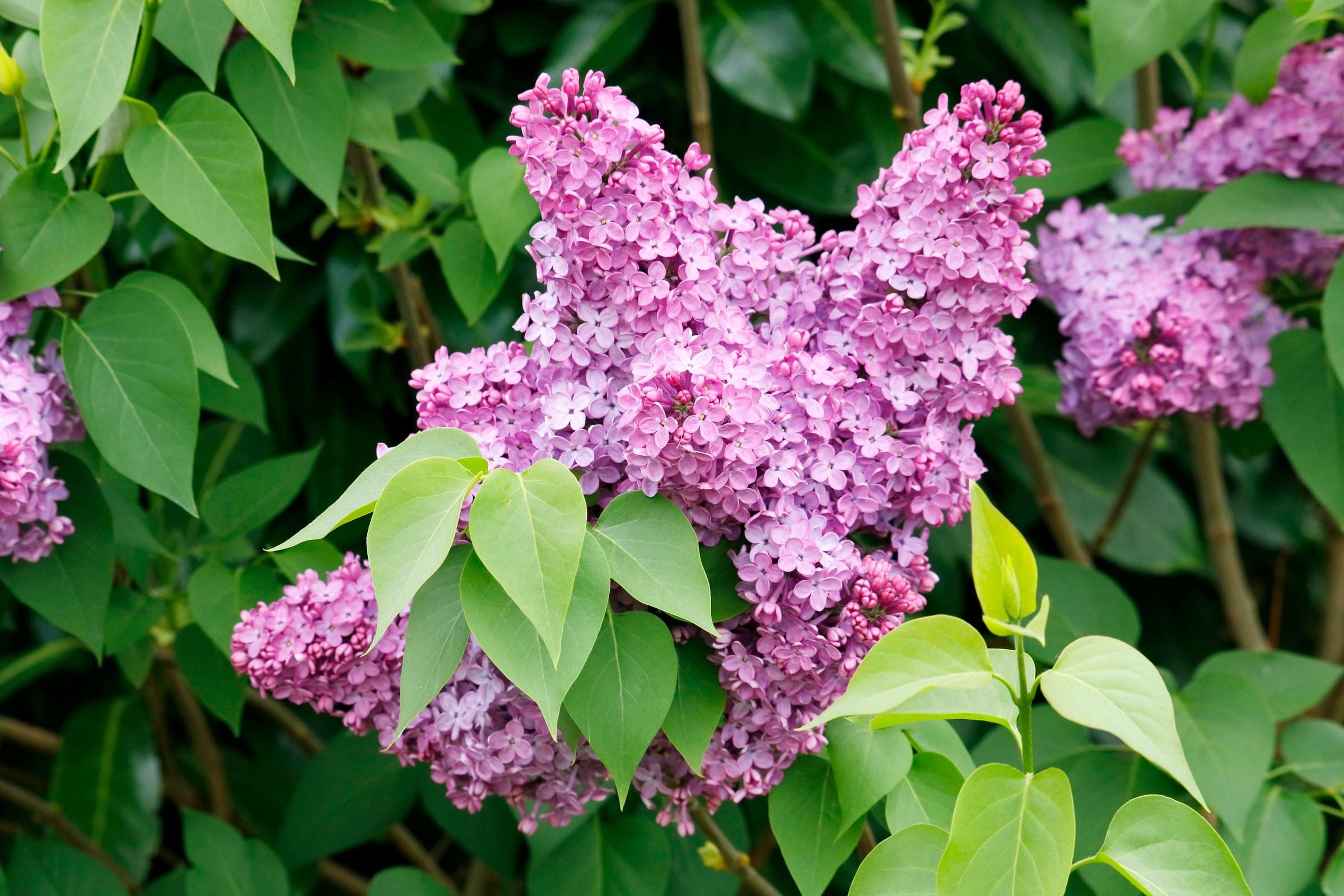
Few garden plants announce spring quite like a lilac. One warm breeze, one cluster of purple blossoms, anen invited to a very fancy perfume party. But before planting one, many homeowners run into a surprisingly common question: what is the difference between a lilac bush and a lilac tree?
The answer is not always as simple as “one is short and one is tall.” Some lilacs are naturally multi-stemmed shrubs, some are true small-tree species, and some are ordinary lilac varieties trained into a tree-like shape. Understanding the differences in size, structure, flowers, pruning needs, and landscape use will help you choose the right lilac without accidentally buying a fragrant future maintenance project.
Note: A plant labeled “lilac tree” may refer to a true tree lilac species or to a standard-form lilac trained with one main trunk. Always check the botanical name, mature dimensions, and plant tag before buying.
The Quick Answer: Bush Lilac vs. Tree Lilac
A lilac bush is usually a multi-stemmed shrub that grows from the base with several woody canes. The classic common lilac, Syringa vulgaris, is the version most people picture when they imagine fragrant purple flowers spilling over a cottage fence.
A lilac tree generally has one main trunk or a few dominant trunks supporting a rounded canopy. The most familiar true tree lilac is the Japanese tree lilac, Syringa reticulata. It grows taller, blooms later, and usually produces creamy white flowers rather than the purple or lavender blossoms associated with traditional lilacs.
In other words, a lilac bush is often the garden equivalent of a cheerful crowd, while a lilac tree is more like one well-dressed guest standing under a chandelier.
Lilac Bush vs. Lilac Tree Comparison Table
| Feature | Lilac Bush | Lilac Tree |
|---|---|---|
| Typical form | Multi-stemmed shrub | Single trunk or several major trunks |
| Common species | Syringa vulgaris, Korean lilac, Meyer lilac | Japanese tree lilac, Chinese tree lilac |
| Mature size | Usually 4 to 15 feet tall, depending on variety | Usually 15 to 30 feet tall, depending on species and cultivar |
| Flower color | Purple, lavender, pink, blue-purple, white, and bicolor | Usually creamy white or ivory |
| Bloom season | Typically mid- to late spring | Usually late spring to early summer |
| Best landscape use | Hedges, borders, fragrance gardens, privacy screens | Specimen tree, small yard focal point, street-side planting |
| Pruning style | Thin old canes at ground level | Maintain trunk structure and open canopy |
| Suckering habit | Often produces suckers, especially common lilacs | Usually produces fewer root suckers |
What Is a Lilac Bush?
A lilac bush is generally a deciduous flowering shrub with multiple stems emerging from the base. The best-known example is common lilac, Syringa vulgaris. This old-fashioned favorite can grow roughly 8 to 15 feet tall and nearly as wide, creating a broad, upright mass of leaves and flower clusters.
Common lilacs are loved for their rich scent and their traditional flower colors. Purple may steal most of the attention, but bush lilacs can also bloom in white, pale pink, magenta, lavender, bluish purple, and even dramatic bicolor combinations. Some cultivars have single flowers, while others produce double blooms that look like they arrived overdressed for spring.
Common Characteristics of Lilac Bushes
- Multiple woody stems emerging from the ground
- Dense, broad, often informal growth habit
- Strong spring fragrance
- Greater variety of flower colors
- Potential for suckers around the plant base
- Excellent use as a hedge, screen, or border planting
Because many bush lilacs produce new shoots from their roots, they can gradually expand into a larger clump. That can be wonderful if you want a lush hedge or a nostalgic garden wall. It can be less wonderful if your planting bed is the size of a folded beach towel.
What Is a Lilac Tree?
A lilac tree is a lilac grown in a more tree-like form, usually with visible trunks and a raised canopy. The Japanese tree lilac, Syringa reticulata, is one of the most popular examples. It commonly matures between 20 and 30 feet tall with a rounded or oval canopy that may spread 15 to 20 feet wide.
Unlike the classic purple common lilac, Japanese tree lilac typically produces creamy white flower panicles. These flower clusters appear later than most shrub lilacs, usually in late spring or early summer. That timing can be useful because it extends the lilac season after traditional lilac bushes have finished blooming.
Tree lilacs are not always famous for the same old-fashioned, sweet perfume that makes people stop mid-walk and inhale dramatically. Their scent can be pleasant, but some gardeners describe it as more musky or privet-like. Fragrance is personal, though. One gardener’s “interesting botanical note” is another gardener’s “why does my tree smell vaguely like a fancy hedge?”
Common Characteristics of Lilac Trees
- More upright, trunk-centered growth
- Usually taller than traditional lilac shrubs
- Rounded canopy suitable for a focal point
- Mostly white or ivory flower clusters
- Later bloom period than common lilacs
- Less likely to form a sprawling hedge-like colony
Chinese tree lilac, sometimes called Peking lilac, is another attractive option. It is generally somewhat smaller and finer-textured than Japanese tree lilac. Some cultivars are prized for exfoliating bark in warm cinnamon, bronze, or amber tones, giving the plant interest even after the flowers have packed up and gone home.
The Biggest Difference: Growth Habit and Structure
The most important difference between a lilac bush and a lilac tree is not flower color. It is architecture.
A bush lilac grows from the ground up in many stems. It usually has a fuller base, a more natural hedge-like silhouette, and a lower branching structure. You do not walk under it; you walk around it, admire it, and occasionally negotiate with its suckers.
A tree lilac has a trunk or a few trunks that lift the foliage and flowers above ground level. This creates open space beneath the canopy. That space can make a small yard feel less crowded, allow you to plant perennials underneath, or make mowing easier. It also helps a tree lilac work as an ornamental specimen near a patio, driveway, walkway, or front entrance.
However, the term tree-form lilac can be misleading. A nursery may train a shrub-type lilac into a standard form by removing lower branches and encouraging one main trunk. That plant may look like a miniature tree, but it is not necessarily the same as a Japanese tree lilac species. The plant tag matters more than the marketing name.
Flower Differences: Color, Timing, and Fragrance
When people dream about lilacs, they often picture clouds of lavender-purple flowers in May. That image usually belongs to common lilac bushes and their many cultivars.
Traditional bush lilacs typically offer the broadest flower palette. They can produce purple, violet, pink, white, blue-lavender, and reddish-purple blooms. Their flowers are usually intensely fragrant, particularly on warm spring afternoons when the breeze seems determined to advertise them for free.
Tree lilacs are more limited in color. Japanese tree lilac and Chinese tree lilac usually bloom in creamy white, ivory, or pale yellowish-white shades. Their flowers can be dramatic because they appear in large upright panicles, sometimes reaching close to a foot long on mature plants.
Bloom timing also differs. Many shrub lilacs flower in mid- to late spring. Tree lilacs generally flower a little later, often from late May into June, depending on climate and cultivar. Planting both types can stretch the season, giving your yard a lilac encore instead of one brief fragrant performance.
Size and Space Requirements
Before choosing between a lilac bush and a lilac tree, measure your planting space honestly. Do not measure it using optimism. Optimism is how people end up trying to fit a 15-foot lilac into a 5-foot bed beside an air-conditioning unit.
Large common lilac bushes can mature around 8 to 15 feet tall and 6 to 15 feet wide. Compact varieties, such as dwarf Korean lilac or Meyer lilac, may stay much smaller and work well near patios, foundation beds, or compact gardens.
Japanese tree lilacs can reach 20 to 30 feet tall. Their canopies need room to spread, even though they are much smaller than shade trees such as maples or oaks. A tree lilac may fit comfortably beneath utility lines in some locations, but you should still consider its mature width, nearby rooflines, sidewalks, and driveway clearance.
Choose a Lilac Bush When You Need:
- A flowering hedge or informal privacy screen
- Maximum fragrance near a patio or open window
- Classic purple, pink, lavender, or white blooms
- A cottage-garden or old-fashioned landscape look
- A plant that can fill a wide border
Choose a Lilac Tree When You Need:
- A small ornamental tree for a sunny yard
- Vertical interest without planting a huge shade tree
- Clear ground space under the canopy
- Later white blooms to extend the flowering season
- A specimen plant near a driveway, lawn, or entryway
Growing Conditions: What Both Types Need
Whether you choose a lilac bush or lilac tree, the basic growing requirements are similar. Lilacs perform best in full sun, meaning at least six hours of direct sunlight daily. More sun generally means better flowering and lower disease pressure.
They also prefer well-drained soil. Lilacs do not enjoy wet feet, which is a gardening phrase that sounds whimsical until you watch a stressed plant decline in soggy clay. Improve drainage before planting if water tends to stand in the area after rain.
Most lilacs appreciate soil that ranges from slightly acidic to alkaline. They are often especially comfortable in neutral to mildly alkaline soil. Avoid excessive fertilizer, especially high-nitrogen products. Too much nitrogen can create a lot of leafy growth and disappointingly few flowers. Your lilac should not resemble a salad bar with commitment issues.
Many lilacs are hardy in colder climates because they need a period of winter chill to flower well. In consistently hot climates, some traditional lilacs may struggle or bloom poorly. Gardeners in warmer regions should choose heat-tolerant varieties recommended for their local growing zone.
Pruning Differences: Bush Lilac vs. Tree Lilac
Pruning is where the distinction between bush and tree becomes especially important.
How to Prune a Lilac Bush
Most lilac bushes bloom on old wood, meaning they form next year’s flower buds soon after the current flowers fade. For that reason, prune soon after blooming rather than in late summer, fall, or winter. Late pruning can remove next year’s flower buds before they ever get a chance to show off.
For mature shrub lilacs, remove dead, damaged, crossing, or weak stems first. Then remove a portion of the oldest, thickest canes near ground level. A common rejuvenation approach is to remove about one-third of the oldest stems each year for three years. This keeps the plant productive without turning it into a collection of stumps and regret.
Avoid shearing the top of a lilac bush like a boxwood hedge. That creates dense twiggy growth near the outside and can leave the interior shaded and bare. Thinning whole stems from the base is usually much better for the plant’s natural shape.
How to Prune a Lilac Tree
Tree lilacs need more structural pruning. The goal is to preserve a healthy trunk system, remove rubbing or crossing branches, and keep the canopy open enough for light and air circulation.
Young tree lilacs may need gradual shaping to establish a strong trunk and well-spaced branches. Remove low branches slowly over several seasons instead of stripping the trunk all at once. Mature tree lilacs generally need light thinning rather than aggressive cutting.
Never top a tree lilac by cutting off major upper branches simply because it has become taller than expected. Topping creates weak regrowth, ruins the natural canopy, and gives the plant the haircut equivalent of a bad reality television makeover.
Suckers, Grafts, and Maintenance Surprises
Common lilac bushes are more likely to produce suckers, which are new shoots that rise from the root system. These shoots can be helpful if you want the plant to spread or replace aging stems. They can also be annoying if they appear in the lawn, pop up beside the driveway, or stage a tiny rebellion beyond the garden bed.
Tree lilacs generally produce fewer suckers, making them easier to manage in formal landscapes. However, any grafted lilac deserves attention. If a suckering shoot grows below the graft union, it may come from the rootstock rather than the named cultivar. Remove those shoots promptly so they do not take over the plant.
When shopping, ask whether a lilac is grown on its own roots or grafted. Own-root lilacs tend to produce shoots that match the original cultivar. Grafted plants can sometimes produce rootstock suckers that look and behave differently from the desired plant.
Common Problems With Lilacs
Both lilac bushes and lilac trees are relatively tough when planted in the right conditions, but they are not invincible. Powdery mildew is a frequent issue, especially on shrub lilacs. It appears as a whitish film on leaves and is often more cosmetic than fatal, but it can make a beautiful plant look as though someone dusted it with flour.
Good spacing, full sun, and proper pruning improve air circulation and can reduce fungal disease pressure. Rake up fallen leaves in autumn if disease has been a recurring problem. Choosing a disease-resistant cultivar can also make maintenance easier.
Bacterial blight can be more serious, particularly during cool, wet spring weather. Watch for dark spots, blackened shoots, or sudden dieback. Remove diseased plant material with clean tools, sanitize pruners between cuts, and avoid over-fertilizing with nitrogen.
Which One Should You Plant?
The best choice depends on how you want your landscape to function.
Choose a lilac bush if your dream garden includes a fragrant hedge, abundant purple blooms, and a lush, informal look. Bush lilacs are ideal for gardeners who want classic spring scent and do not mind occasional sucker control or renewal pruning.
Choose a lilac tree if you want a tidy focal point with a visible trunk, a rounded canopy, and later-season white flowers. Tree lilacs are especially useful in small yards where you want vertical interest without planting a massive tree that will eventually demand its own zip code.
For the best of both worlds, plant a traditional purple lilac bush near a seating area and a Japanese tree lilac farther out in the lawn or near the street. The result is layered fragrance, staggered bloom timing, and enough spring drama to make your neighbors suddenly interested in gardening.
Gardener Experiences: What It Is Really Like to Live With Lilacs
Living with a lilac bush often feels more emotional than practical. A mature common lilac can become part of the rhythm of a home: bare branches in winter, green leaves in spring, an explosion of scented blooms, then a quietly dependable backdrop through summer. People remember the smell of lilacs from grandparents’ yards, school walkways, old neighborhoods, and first homes. A lilac bush has a talent for becoming sentimental before you even realize it.
That said, the romance comes with a few chores. Gardeners with older lilac bushes frequently discover that the plant has become tall, woody, and bare near the bottom. It may still bloom beautifully at the top, but the flowers are suddenly ten feet overhead, visible mainly to birds and people with second-story windows. Renewal pruning can feel intimidating because it requires removing old, thick stems that look important. In practice, selective thinning often brings the shrub back to life and makes the blooms easier to enjoy at eye level.
Many gardeners also learn the lesson of pruning timing the hard way. A lilac can look shaggy in late summer, and it is tempting to grab pruners and “clean it up.” Then spring arrives with fewer flowers, and the plant seems personally offended. The problem is not that lilacs are dramatic. Well, they are dramatic. But they also form flower buds for the following year soon after blooming. Pruning immediately after flowering is usually the safest strategy.
Tree lilacs create a different kind of experience. They feel more architectural and less nostalgic. Instead of forming a fragrant wall, they become a destination in the landscape: a rounded canopy, pale flower clusters, attractive bark, and a tidy patch of open ground underneath. A tree lilac can make a front yard look finished without blocking windows or swallowing a small lawn.
Gardeners often appreciate tree lilacs because they are easier to mow around than a large shrub thicket. The raised canopy creates breathing room below the branches. Perennials, bulbs, or ground covers can be planted nearby, although the root zone should not be crowded too aggressively. In a modest yard, a tree lilac can offer the presence of a flowering tree without the eventual chaos of a giant maple dropping branches, helicopters, and questionable amounts of shade.
Fragrance is where expectations sometimes need adjustment. People who expect a Japanese tree lilac to smell exactly like a classic purple lilac may be surprised. Its scent is often milder and different in character. The flowers are still attractive, and the later bloom period is valuable, but it is wise to treat tree lilac fragrance as a bonus rather than the main reason to plant it.
The most successful lilac gardens usually come from matching the plant to the space. A broad common lilac bush needs room to spread and occasional pruning. A tree lilac needs upward clearance and thoughtful structural training when young. Neither is difficult when planted in the right place. Both become difficult when squeezed into a spot chosen mainly because it looked empty on planting day.
Ultimately, the best lilac is the one that fits your yard, your climate, and your tolerance for pruning. Choose a bush for fragrance, color, and old-fashioned abundance. Choose a tree for structure, height, and a refined focal point. Either way, when the flowers arrive, you will probably find yourself standing outside for no practical reason at all, pretending you came out to inspect the mulch.
Final Thoughts
The debate between a lilac bush and a lilac tree is really a question of form and purpose. Bush lilacs offer classic color, intense fragrance, and a full multi-stemmed presence. Tree lilacs offer height, a cleaner canopy, later flowers, and a more formal landscape role.
Choose based on mature size, sun exposure, bloom preference, and how much pruning you are willing to do. Give either type full sun, well-drained soil, enough space, and sensible pruning after flowering. In return, your lilac will provide one of the most memorable signs that spring has officially arrived.










