
Note: This article is written in original standard American English for web publishing. It is based on synthesized, real-world bedding care and textile information, with no source links inserted into the HTML.
A linen duvet cover is one of those home upgrades that seems simple until you actually live with it. Then suddenly, your bedroom looks calmer, your bed feels more inviting, and you begin using phrases like “textural depth” while fluffing pillows like a boutique hotel manager. Linen has a way of making a bed look relaxed without looking neglected, elegant without feeling stiff, and cozy without overheating you into a midnight blanket burrito.
At its core, a linen duvet cover is a removable fabric shell designed to protect a duvet insert while adding style, softness, and seasonal comfort. But linen is not just another pretty bedding fabric. Made from flax fibers, linen is loved for its breathability, durability, moisture-wicking ability, and naturally lived-in texture. It wrinkles, yes. But linen wrinkles with confidence. Cotton wrinkles like it forgot a meeting; linen wrinkles like it owns a villa in the South of France.
Whether you are shopping for your first linen duvet cover, comparing linen with cotton, or wondering why linen bedding costs more than your weekly grocery run, this guide breaks down what matters: comfort, quality, care, sizing, styling, and the real-life experience of sleeping under linen night after night.
What Is a Linen Duvet Cover?
A linen duvet cover is a protective cover made from linen fabric, usually woven from flax plant fibers. It works like a giant pillowcase for your duvet insert. You slide the insert inside, secure it with corner ties, buttons, snaps, or a zipper, and enjoy a bed that looks polished while staying practical.
The biggest advantage of using a duvet cover is washability. Instead of cleaning the entire duvet insert every week, you can remove and launder the cover. This is especially useful for people who sleep with pets, snack in bed, sweat at night, or occasionally spill coffee while pretending breakfast in bed is a personality trait.
Linen vs. Regular Bedding Fabric
Linen stands apart because of its texture and performance. Cotton often feels smoother at first touch, while linen feels more dimensional. It may start crisp, slightly nubby, or structured, then gradually softens with washing and use. High-quality linen bedding often becomes more comfortable over time, which makes it feel less like a short-term purchase and more like a long-term relationship with better laundry habits.
Why Choose a Linen Duvet Cover?
The appeal of a linen duvet cover is not only aesthetic. Yes, it photographs beautifully. Yes, it makes your bedroom look like you drink herbal tea and own matching nightstands. But the real value comes from how linen behaves while you sleep.
1. Breathability for Hot Sleepers
Linen is highly breathable because flax fibers allow air to circulate through the fabric. This helps reduce trapped heat, which can make a big difference if you sleep warm. A breathable duvet cover can help your bedding feel lighter and fresher, especially during humid summers or in homes where the thermostat is a topic of household diplomacy.
If you often wake up kicking off blankets, a linen duvet cover may be a better match than a dense synthetic cover or heavy sateen weave. It does not magically install air conditioning, unfortunately, but it can help your bed feel less stuffy.
2. Moisture-Wicking Comfort
Linen can absorb moisture and dry relatively quickly, making it comfortable in changing temperatures. This is one reason linen bedding is often recommended for year-round use. In summer, it feels airy. In cooler months, it layers well with a warmer duvet insert, quilt, or blanket.
3. Durability That Improves With Age
Good linen is strong. The fibers are known for durability, and a well-made linen duvet cover can last for years when cared for properly. Unlike some bedding that looks tired after repeated washing, linen often develops a softer, more relaxed hand over time. In other words, it ages gracefully. If only inboxes and knees did the same.
4. A Naturally Relaxed Look
Linen’s signature look is casual luxury. It does not need to be ironed into submission. The natural rumples are part of the charm. A linen duvet cover works beautifully in modern, coastal, farmhouse, Scandinavian, organic, minimalist, and transitional bedrooms. It can be styled crisp and neutral or layered with color, pattern, and texture.
5. A Practical Cover for a Duvet Insert
A duvet insert can be bulky and difficult to wash. A removable linen cover protects the insert from body oils, dust, pet hair, and everyday wear. If you skip a top sheet, washing your duvet cover regularly becomes even more important. The cover acts as the main washable barrier between you and the insert.
Linen Duvet Cover vs. Cotton Duvet Cover
Both linen and cotton can make excellent bedding, but they feel and perform differently. Cotton is usually smoother right away and comes in many weaves, such as percale, sateen, flannel, and jersey. Linen has more texture, more airflow, and a more relaxed visual character.
Choose Linen If You Want:
- A breathable duvet cover for warm sleepers
- A casual, lived-in bedroom look
- Bedding that softens with time
- Natural texture and visual depth
- Year-round layering flexibility
Choose Cotton If You Want:
- A smoother feel from the first night
- A crisp hotel-style finish
- Lower initial cost in many cases
- More weave options and finishes
- Less visible wrinkling
There is no universal winner. The best choice depends on your sleep style, budget, climate, and design taste. Linen is ideal for people who want breathable bedding with a soft, organic look. Cotton is ideal for people who prefer a cleaner, smoother, more traditional finish.
How to Choose the Best Linen Duvet Cover
Not all linen duvet covers are created equal. Some feel soft and substantial right away. Others feel rough enough to make you question your life choices. Before buying, consider these details.
Material: Look for 100% Linen or European Flax Linen
A high-quality linen duvet cover is often made from 100% linen or European flax linen. European flax is commonly associated with premium bedding because of the climate and production traditions used in growing and processing flax. You may also see terms such as “French flax,” “Belgian flax,” or “stonewashed linen.”
Stonewashed linen has been pre-washed to create a softer, more relaxed feel. This can be a good choice if you want linen’s benefits without the stiff break-in period.
Weight: Light, Medium, or Heavy Linen
Linen duvet covers come in different weights. Lightweight linen feels airy and casual, while heavier linen feels more substantial and drapes dramatically. For most people, a medium-weight linen duvet cover offers the best balance: breathable enough for warm nights but cozy enough for year-round use.
Closures: Buttons, Zippers, or Ties
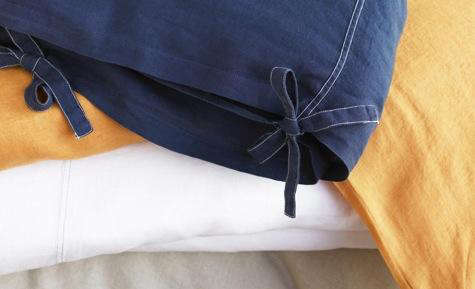
Closures matter more than you think. Button closures look classic and are easy to repair. Zippers create a cleaner edge and can be faster to use. Interior corner ties are especially helpful because they keep the duvet insert from shifting around inside the cover. Without ties, your insert may slowly migrate into one corner like it is trying to escape responsibility.
Size and Fit
Always check measurements, not just labels. A “queen” duvet cover from one brand may fit differently from another. If your duvet insert is fluffy, slightly oversized, or down-filled, a snug cover can help it look fuller. If the cover is too large, the insert may slide around. If it is too small, the corners may bunch or strain.
Certifications and Safety
Many premium linen bedding brands highlight certifications such as OEKO-TEX, which indicates that the fabric has been tested for certain harmful substances. Certifications are not the only sign of quality, but they can add confidence when buying bedding that touches your skin every night.
How to Style a Linen Duvet Cover
A linen duvet cover is wonderfully versatile. It can make a bed look intentionally undone, softly tailored, or layered and luxurious. The secret is to let linen be linen. Do not fight every wrinkle. Do not chase perfection. A linen bed should look inviting, not like it is waiting for inspection from a pillow police department.
Neutral and Minimal
For a calm bedroom, choose shades like white, ivory, oatmeal, fog gray, taupe, or soft beige. Pair the linen duvet cover with matching shams and a single throw blanket at the foot of the bed. This style works well in minimalist and Scandinavian-inspired rooms.
Earthy and Organic
Colors like clay, olive, rust, flax, sand, and charcoal create a grounded look. Add wood furniture, woven baskets, ceramic lamps, and natural fiber rugs. The result feels warm, relaxed, and quietly expensive, even if your nightstand is currently holding three water glasses and a receipt from last Tuesday.
Layered Hotel Comfort
For a fuller bed, layer a linen duvet cover with crisp cotton sheets, extra pillows, and a quilt or coverlet. This gives you the breathability of linen with the structure of cotton. It also makes the bed look finished without requiring military-grade corner folding.
How to Wash and Care for a Linen Duvet Cover
Linen is durable, but it prefers gentle care. The good news is that most linen duvet covers are machine washable. The even better news is that you do not need to iron them unless you personally enjoy arguing with fabric.
Wash With Mild Detergent
Use a gentle cycle with cold or lukewarm water and a mild liquid detergent. Avoid chlorine bleach, harsh stain removers, and heavy fabric softeners. These can weaken fibers, affect color, or leave residue that changes the feel of the fabric.
Wash Separately or With Similar Items
Wash linen bedding with similar colors and fabrics. Avoid mixing it with garments that have zippers, hooks, or rough hardware, which can snag the weave. Bedding deserves its own laundry space. It has been through enough.
Dry on Low or Air Dry
Air drying is gentle and helps preserve the fibers. If you use a dryer, choose low heat and remove the cover while slightly damp to reduce deep wrinkles. Shake it out before drying or putting it back on the bed.
Store It Properly
Store clean, fully dry linen bedding in a breathable cotton bag or linen closet. Avoid plastic storage for long periods because trapped moisture can lead to musty odors. Linen likes airflow almost as much as your houseplants do.
Common Mistakes to Avoid
A linen duvet cover is easy to live with, but a few mistakes can shorten its lifespan or make it less comfortable.
Using Too Much Heat
Hot water and high dryer heat can cause shrinkage and stress the fibers. Unless the care label says otherwise, keep temperatures moderate.
Expecting Linen to Look Perfectly Smooth
If you want a glass-smooth bed, linen may not be your dream fabric. Linen has texture and movement. That is the point. Its beauty is relaxed, not rigid.
Buying Only by Color
Color matters, but construction matters more. Check the material, weight, dimensions, closure type, corner ties, and care instructions before buying.
Ignoring the Insert
A beautiful linen duvet cover cannot fully rescue the wrong insert. Choose a duvet insert based on your climate and warmth preference. Lightweight inserts work well for hot sleepers, while down or down-alternative inserts can add loft and warmth in colder seasons.
Is a Linen Duvet Cover Worth It?
For many people, yes. A linen duvet cover is worth it if you value breathable comfort, long-term durability, natural texture, and a relaxed bedroom style. It usually costs more upfront than basic cotton or microfiber, but quality linen can last longer and become softer with use.
That said, linen is not perfect for everyone. If you dislike wrinkles, prefer silky-smooth bedding, or want the lowest possible price, another fabric may suit you better. But if you love bedding that feels airy, natural, and effortlessly stylish, linen is hard to beat.
Real-Life Experience: Living With a Linen Duvet Cover
The first thing you notice about a linen duvet cover is the texture. It does not feel like hotel sateen, and it does not try to. Fresh out of the package, linen can feel crisp, dry, and slightly structured. Some people fall in love instantly. Others need a few washes before the romance begins. By the third or fourth wash, the fabric usually relaxes, softens, and starts to feel like it belongs in your life instead of in a design catalog.
In daily use, a linen duvet cover has a casual confidence that makes bed-making easier. You can smooth it out, toss the pillows into place, and the bed still looks intentional. This is excellent news for anyone who wants a beautiful bedroom but does not want to perform a 14-step pillow choreography every morning. Linen forgives imperfection. In fact, it may be the only bedding fabric that looks better when it is not trying too hard.
Temperature comfort is one of the biggest practical benefits. On warm nights, linen feels less clingy than many synthetic fabrics. It allows more airflow around the body, especially when paired with a breathable duvet insert. If you sleep hot, the difference can be noticeable. The bed feels airy rather than sealed. You still feel covered, but not trapped under a decorative sauna.
During cooler months, linen remains useful because it layers well. A linen duvet cover with a medium-weight insert can feel cozy without becoming heavy. Add a quilt or wool throw, and the bed becomes winter-ready. Remove the extra layer in spring, and the same cover still works. This year-round flexibility is one reason many people consider linen bedding an investment rather than a seasonal splurge.
Care becomes easier once you accept linen’s personality. It will wrinkle. It will fold softly. It will not look like a freshly pressed dress shirt unless you iron it, and most people wisely choose peace instead. Washing on a gentle cycle, drying on low, and removing it slightly damp helps keep the fabric soft and prevents harsh creases. The more you wash it properly, the more relaxed and comfortable it becomes.
One small challenge is putting the duvet insert back inside the cover. Linen is not unusually difficult, but any duvet cover can turn into a wrestling match if the insert shifts. Interior corner ties make a major difference. The easiest method is to turn the cover inside out, tie the insert corners, then flip and shake everything into place. This may look mildly ridiculous while you are doing it, but the result is worth it.
Pet owners may also appreciate linen, though darker colors and textured weaves can show lint or fur depending on the pet. A quick shake, regular laundering, and a lint roller near the bed can keep things under control. If your dog believes the duvet is actually a royal throne, choose a medium or darker shade and thank yourself later.
Over time, the best part of a linen duvet cover is how personal it feels. It molds into your routine. It softens, relaxes, and develops character. It makes the bedroom feel less staged and more lived in. A good linen duvet cover does not shout luxury; it whispers it, probably while wearing slippers and making coffee. For anyone who wants bedding that is beautiful, breathable, durable, and refreshingly low-maintenance, linen is a strong choice.
Conclusion
A linen duvet cover brings together comfort, style, and practicality in a way few bedding upgrades can. It protects your duvet insert, adds natural texture to the bedroom, improves airflow, and becomes softer with time. While linen may cost more than basic bedding and will never be wrinkle-free, its breathable feel and relaxed beauty make it a favorite for hot sleepers, design lovers, and anyone who wants a bed that looks effortlessly welcoming.
If you want crisp perfection, linen may not be your match. But if you want bedding that feels natural, durable, cozy, and quietly stylish, a linen duvet cover is absolutely worth considering. It is the rare home item that looks elegant, works hard, and does not demand too much attention. Honestly, we could all learn from linen.














