
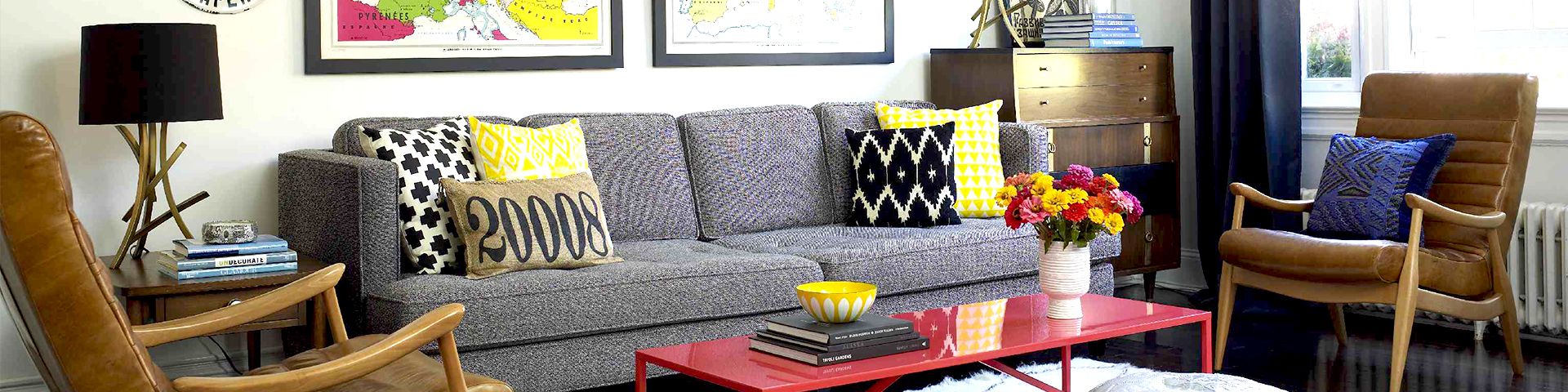
The living room is the home’s unofficial headquarters. It is where movie nights happen, guests pretend not to notice the laundry basket in the hallway, and everyone somehow ends up eating snacks even though “we just cleaned the sofa.” Because this room works so hard, good living room decorating and design ideas should do more than look pretty in a photo. They should make the space comfortable, practical, personal, and easy to enjoy every day.
A beautifully designed living room does not require a mansion, a celebrity designer, or a coffee table book that costs more than the coffee table. It requires thoughtful choices: the right furniture layout, layered lighting, balanced color, smart storage, comfortable textures, and a few pieces that actually say something about the people who live there. In other words, your living room should not look like a furniture showroom had a very polite sneeze.
Start With the Way You Actually Live
Before choosing paint, pillows, or that dramatic floor lamp shaped like modern art with a power cord, ask one question: how will this living room be used? A family room for kids and pets needs different design decisions than a formal sitting room for entertaining. A small apartment living room needs flexible furniture and clever storage. A large open-concept living room needs zones so it does not feel like a beautiful airport lounge.
Define the Main Purpose
Some living rooms are built around conversation. Others revolve around a TV, fireplace, reading corner, game table, or window view. Pick one main function, then design around it. If movie night is sacred, place seating where people can comfortably see the screen. If entertaining matters most, arrange chairs and sofas so guests can talk without shouting across the room like they are negotiating from opposite sides of a canyon.
Create a Natural Focal Point
A focal point gives the room visual order. It might be a fireplace, large artwork, built-in shelves, a picture window, a textured wall, or a media console. Once you know the focal point, the rest of the furniture can support it. Without one, the room may feel scattered, even if every individual piece is stylish.
Living Room Layout Ideas That Work
Furniture placement can make or break a living room. A common mistake is pushing every piece against the wall. This can leave a giant empty space in the middle and make conversation feel awkward. Instead, “float” furniture when possible by pulling sofas and chairs slightly inward. Even a few inches can create a more intentional seating area.
The Conversation Layout
For a classic conversation-friendly setup, place a sofa opposite two chairs or another sofa. Add a coffee table in the center and keep side tables within reach. This layout works well in formal living rooms, family rooms, and spaces where people gather often. The goal is simple: nobody should need binoculars to read another person’s facial expression.
The TV-Friendly Layout
If the television is the main feature, position the sofa directly across from it when possible. Add chairs at an angle so the room still feels social. Avoid placing the TV too high above a fireplace unless the viewing angle remains comfortable. Your neck should not feel like it attended a workout class after one episode of a sitcom.
The Open-Concept Layout
In an open living room, use a large area rug, sectional sofa, console table, or lighting fixture to define the seating zone. The rug acts like a visual island, telling the eye, “This is the living room.” Keep pathways clear between the living area, dining space, and kitchen so the room feels connected instead of crowded.
Choose the Right Sofa and Seating
The sofa is usually the largest piece in the living room, so choose carefully. Measure the room before buying, including doorways, staircases, and elevator openings. A sofa that looks perfect online is less charming when it gets stuck in the front door like a very expensive cork.
For small living rooms, consider apartment-size sofas, loveseats, slim-arm designs, or chairs with visible legs. Furniture that sits off the floor can make a compact room feel lighter. For larger rooms, sectionals can be wonderful, but only when scaled correctly. Oversized sectionals may offer seating for twelve, but they can also swallow a room faster than a toddler with crackers.
Mix Seating for Character
A living room looks more collected when seating is not overly matched. Try pairing a neutral sofa with accent chairs in a different texture, shape, or color. Matching sets are easy, but mixed furniture adds personality. Think of it like a dinner party: the room is more interesting when every guest is not wearing the exact same beige sweater.
Use Area Rugs to Anchor the Room
An area rug is one of the fastest ways to make a living room feel finished. It adds softness, color, texture, and structure. The most common rug mistake is choosing one that is too small. A tiny rug floating under a coffee table can make the furniture look disconnected.
In many living rooms, the front legs of the sofa and chairs should sit on the rug. In a larger space, all furniture legs may fit on the rug. The rug should extend beyond the seating area enough to feel generous. If you are unsure, size up. A larger rug usually makes the room feel more polished and spacious.
Pick the Right Rug Material
For busy households, look for durable, easy-clean materials. Wool is naturally resilient, while indoor-outdoor rugs can be practical for homes with kids, pets, or snack enthusiasts who believe salsa belongs everywhere. For a cozy look, layer a patterned rug over a natural fiber rug such as jute or sisal.
Layer Lighting Like a Designer
One ceiling light is rarely enough. A good living room lighting plan includes three layers: ambient lighting for general brightness, task lighting for reading or hobbies, and accent lighting for mood. Table lamps, floor lamps, sconces, picture lights, and dimmers can completely change the feel of a room.
Warm light usually feels more relaxing than harsh, cool light. Use lamps at different heights to avoid flat lighting. A floor lamp beside a chair creates a reading spot. A table lamp on a console adds softness. Wall sconces can free up floor space in smaller rooms. The right lighting makes people look better too, which is a public service we should all support.
Use Dimmers Whenever Possible
Dimmers are small upgrades with big impact. Bright light works for cleaning or board games, while lower light creates a cozy evening atmosphere. A living room should be able to shift moods, from “productive adult” to “blanket burrito cinema.”
Pick a Color Palette That Feels Livable
Color sets the emotional tone of a living room. Neutrals such as warm white, cream, taupe, beige, greige, and soft gray create a flexible backdrop. Earth tones, muted greens, dusty blues, clay, rust, and warm browns can make the space feel grounded and welcoming. Bold colors can work beautifully as accents through pillows, artwork, rugs, or one statement chair.
A simple formula is to choose one dominant color, one secondary color, and one or two accent colors. For example, a warm white room with camel leather, olive green pillows, black metal lighting, and brass accents feels layered without becoming chaotic. The goal is harmony, not a paint-sample wrestling match.
Connect the Living Room to the Rest of the Home
The living room should feel related to nearby spaces. It does not need to match the dining room or kitchen exactly, but colors and materials should flow. Repeating wood tones, metal finishes, or accent colors helps the home feel cohesive.
Add Texture for Warmth and Depth
Texture is the secret ingredient that makes a living room feel rich, even when the color palette is simple. Mix smooth, rough, soft, shiny, matte, woven, and natural materials. Try linen curtains, velvet pillows, a leather chair, a wool rug, a wood coffee table, ceramic lamps, and woven baskets.
Without texture, neutral rooms can look flat. With texture, even a mostly beige living room can feel calm, expensive, and inviting instead of “rental waiting room chic.”
Decorate the Walls With Intention
Blank walls can make a living room feel unfinished, but wall decor should be thoughtful. Large artwork, a gallery wall, floating shelves, mirrors, textile art, or framed family photos can add personality. A large single piece of art often works better than many tiny pieces scattered around the room.
Use Mirrors Strategically
Mirrors can reflect light and make a living room feel larger. Place a mirror across from or near a window to bounce natural light around the room. Choose a frame that fits your style, whether modern black metal, antique gold, warm wood, or something sculptural.
Try a Gallery Wall
A gallery wall can tell a story. Mix framed prints, personal photos, sketches, small paintings, and meaningful objects. Keep spacing consistent and use a unifying element, such as similar frames or a shared color palette. The best gallery walls feel collected, not randomly attacked by picture hooks.
Bring in Storage That Looks Good
Living rooms attract clutter: remotes, blankets, books, toys, chargers, magazines, and mystery objects no one remembers buying. Smart storage keeps the room functional without sacrificing style. Use closed cabinets for less attractive items and open shelves for books, pottery, plants, and decorative pieces.
Storage ottomans, media consoles, baskets, nesting tables, and built-ins are especially useful. In small living rooms, choose furniture that works twice: a coffee table with drawers, a bench with storage, or a side table with shelves.
Style the Coffee Table Without Overdoing It
A coffee table should look styled but still leave room for real life. Use a tray to group items, then add a stack of books, a candle, a small plant, or a decorative bowl. Vary heights and textures. Leave open space for drinks, snacks, or the remote control that everyone claims they did not lose.
The Simple Coffee Table Formula
Try this easy combination: one tray, one tall object, one low object, one natural element, and one practical item. For example, a tray, vase, book stack, small plant, and coaster set can look polished without becoming fussy.
Use Plants to Add Life
Plants bring color, shape, and freshness into a living room. A tall plant can fill an empty corner, while smaller plants look great on shelves or side tables. If natural light is limited, choose low-light-friendly varieties or realistic faux plants. No shame. A good faux plant is better than a crispy real one silently judging you from the windowsill.
Small Living Room Decorating Ideas
Small living rooms need smart scale and visual breathing room. Choose furniture with slim profiles, raised legs, and rounded edges. Use wall-mounted shelves instead of bulky bookcases. Select a round coffee table to improve flow. Keep window treatments light so natural light can enter.
Use fewer larger decorative pieces instead of many tiny ones. A large mirror, tall curtains hung close to the ceiling, and a properly sized rug can all make a small room feel bigger. Avoid filling every corner. Empty space is not wasted space; it is what lets the room breathe.
Budget-Friendly Living Room Decorating Ideas
You do not need to replace everything to refresh a living room. Start by rearranging furniture. Then update pillows, throws, lampshades, curtains, artwork, or hardware. Paint can dramatically change the mood of a room for less than most furniture upgrades.
Thrift stores, estate sales, Facebook Marketplace, and antique shops can be excellent sources for unique pieces. Look for solid wood tables, interesting lamps, framed art, baskets, and accent chairs. Mixing old and new pieces gives a room character. It also helps avoid the dreaded “ordered the whole room from one catalog at 2 a.m.” look.
Common Living Room Design Mistakes to Avoid
Choosing the Wrong Scale
Furniture that is too large makes a room feel cramped. Furniture that is too small makes it feel unfinished. Always measure before buying and consider the room’s proportions.
Ignoring Traffic Flow
Leave clear paths between doorways, seating, and tables. People should be able to move through the room without performing a graceful obstacle-course routine.
Using Only Overhead Lighting
A single overhead light can feel harsh and flat. Add lamps and accent lighting for warmth and flexibility.
Buying a Rug That Is Too Small
A rug should connect the furniture, not sit alone like a postage stamp under the coffee table.
Decorating Too Fast
Great rooms evolve. Buy the essentials first, then layer in art, textiles, lighting, and personal pieces over time.
Personal Experience: What Really Makes a Living Room Feel Finished
After looking at many living room decorating and design ideas, one lesson stands out: the best rooms feel intentional, not perfect. A living room can have a gorgeous sofa, designer rug, and magazine-worthy lighting, but if it does not support daily life, something will always feel off. The most successful spaces usually begin with honest observation.
For example, if everyone naturally gathers near the window, build a seating area there. If the coffee table is always covered with laptops and homework, choose a larger table or add a side surface. If blankets are constantly thrown over chairs, add a basket. Design should solve real problems beautifully.
One of the most useful decorating experiences is testing a layout before committing. Move chairs around. Pull the sofa away from the wall. Try the rug in a different direction. Use painter’s tape to mark the size of furniture before buying. These small experiments can prevent expensive mistakes. A living room may look balanced on paper but feel awkward in person, especially when door swings, windows, outlets, and walkways enter the chat.
Another helpful lesson is that lighting changes everything. A room that feels cold in the afternoon may feel wonderful at night with the right lamps. Instead of buying more decor, add better light. A shaded table lamp, a warm floor lamp, or a small accent light on a bookshelf can make the entire room feel more welcoming. It is like giving the space a flattering filter, except you do not need an app.
Color also becomes easier when you start with what you already own. Look at your rug, artwork, sofa, flooring, or favorite throw pillow. Pull colors from those pieces instead of inventing a palette from nothing. This makes the room feel connected. If your rug has cream, rust, navy, and olive, repeat those tones in pillows, books, vases, or art. Repetition creates rhythm, and rhythm makes a room feel designed.
The final experience-based tip is to leave room for personality. A living room should not be so styled that people are afraid to sit down. Add books you actually read, photos you love, travel finds, handmade objects, or vintage pieces with a story. These details make the room memorable. Anyone can buy a gray sofa and a white vase, but only your home can tell your story.
In the end, great living room design is a balance of comfort, proportion, light, texture, and personality. Start with function, choose the right scale, layer slowly, and let the room become more “you” over time. That is how a living room goes from decorated to loved.
Conclusion
Living room decorating and design ideas work best when they combine beauty with real-life function. Start with how the room is used, create a strong layout, choose comfortable seating, anchor the space with the right rug, layer warm lighting, and add color and texture in a thoughtful way. Whether your style is modern, traditional, farmhouse, coastal, eclectic, minimalist, or “I found this chair and now it is my personality,” the goal is the same: a living room that feels welcoming, balanced, and genuinely livable.
Note: This article was written as an original web-ready SEO article based on current, practical decorating guidance from reputable home design and lifestyle sources. No copied source text or unnecessary reference placeholders are included.













