
If you’ve ever eaten a “perfectly normal” breakfast and then felt like you could nap under your desk by 10:30 a.m.,
you’ve already met the villain of today’s story: the blood-sugar roller coaster. Low-glycemic foods are basically the
roller coaster’s boring, responsible cousinless drama, fewer spikes, and a much calmer ride.
But let’s make one thing clear up front: “low glycemic” isn’t a magical label that turns cookies into kale.
It’s a tool. A useful oneespecially for people managing diabetes, prediabetes, insulin resistance, or
just trying to feel steady and satisfied between mealsbut still a tool.
What “low glycemic” actually means (and why it’s not just about sugar)
Glycemic index (GI): the speed rating
The glycemic index ranks carbohydrate-containing foods by how quickly they raise blood glucose
compared with a reference (often pure glucose). The scale runs from 0 to 100 (glucose is 100).
In most common classifications, low GI is 55 or less, medium is 56–69, and
high is 70+.
Glycemic load (GL): the “real-life serving size” upgrade
Here’s the catch: GI is measured using a set amount of carbohydrate (often 50 grams). In real life, you don’t
always eat “the lab portion.” That’s why glycemic load existsit combines GI with the amount of
carbohydrate in a typical serving, making it a more practical way to estimate how a food might affect your
blood sugar on an actual Tuesday. This is why foods like watermelon can look “high GI” on paper but still have
a modest impact in normal portions.
Why the same food can act differently on different days
Your blood sugar response isn’t controlled by one number. It’s influenced by things like:
fiber (slows digestion), fat and protein (often blunt spikes),
processing (more processing usually = faster absorption), ripeness (riper fruit tends to digest faster),
and how you cook (hello, mushy overcooked pasta).
Even the combination of foods matters: a bowl of rice alone may hit differently than rice alongside beans,
vegetables, and chicken. If you’ve ever felt personally betrayed by a “healthy” snack, it may have been a
lonely carbohydrateno fiber friends invited.
Why people care: benefits, limits, and what low-GI can (and can’t) do
Potential upsides
- Steadier energy: Slower digestion can mean fewer dramatic post-meal crashes.
- Blood sugar support: Choosing lower-GI carbs can be one way to support post-meal glucose control.
- More fullness: Many low-glycemic foods are naturally higher in fiber, water, and proteinaka the “stay full” trio.
- Heart-health overlap: Low-glycemic patterns often lean toward minimally processed foods, legumes, vegetables, and whole grainshabits linked to overall cardiometabolic health.
Reality check (because nutrition deserves honesty)
A low-glycemic approach works best as part of an overall patternnot as a strict rulebook. Some research finds
benefits for glycemic control in certain groups, while other studies show mixed results depending on the diet
context and the person. Also, low GI doesn’t automatically mean “healthy”: ice cream can have a lower GI than
you’d expect because fat slows digestion, but that doesn’t make it a vegetable (nice try, ice cream).
If you take insulin or certain diabetes medications, big changes to carbohydrate patterns can affect blood sugar
and increase the risk of hypoglycemiaso changes should be discussed with a clinician or dietitian.
Best low-glycemic foods to put on your plate
The easiest way to think about low-glycemic eating is to prioritize foods that are fiber-rich,
minimally processed, and paired with protein and healthy fats.
Below are strong, practical options.
1) Non-starchy vegetables (the “volume without chaos” category)
Non-starchy vegetables are low in carbohydrate and high in fiber and water. They’re the MVPs for building
satisfying meals without spiking blood sugar.
- Leafy greens: spinach, kale, romaine
- Cruciferous: broccoli, cauliflower, Brussels sprouts
- Crunchy classics: bell peppers, cucumbers, carrots
- Other favorites: green beans, mushrooms, zucchini, eggplant
Tip: Make veggies the foundation (half your plate is a great benchmark), then add protein and smart carbs.
This approach lines up well with the diabetes plate method used by major health organizations.
2) Beans and lentils (low glycemic, high “stick-to-your-ribs”)
Legumes are famous for being low-glycemic because they bring fiber and protein to the carb party.
They’re also budget-friendly, versatile, and surprisingly good at making meals feel complete.
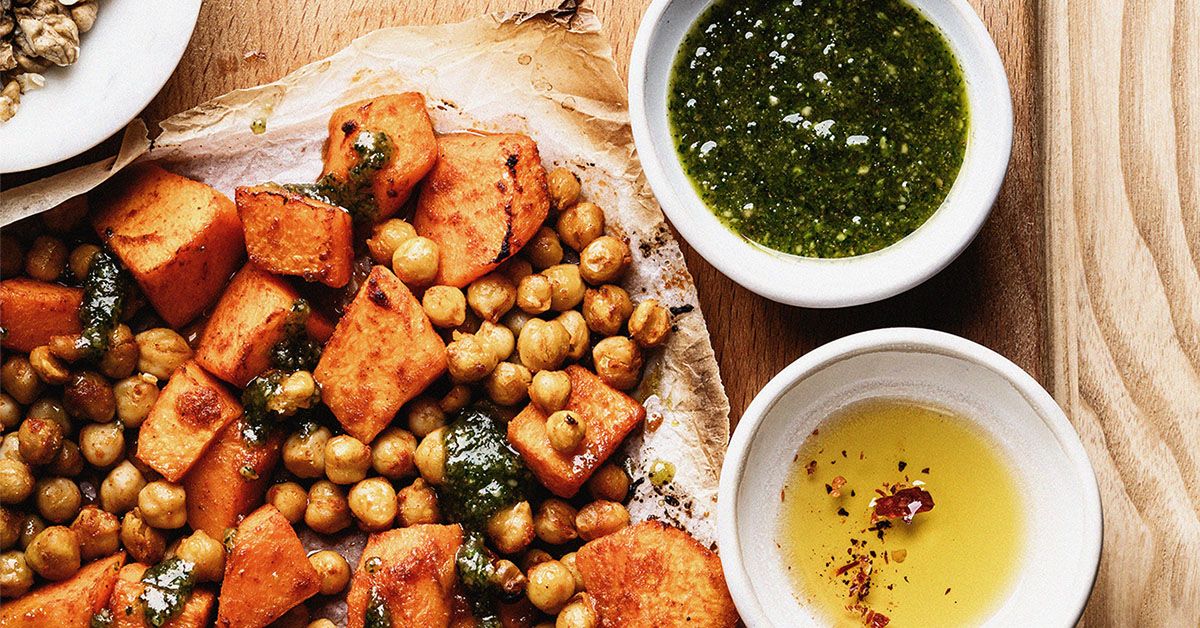
- Black beans, chickpeas, kidney beans, pinto beans
- Lentils (brown, green, red)
- Split peas
Quick win: Add a half-cup of beans to salads, soups, tacos, or grain bowls. If beans make your stomach complain,
increase slowly and rinse canned beans to reduce gas-producing compounds.
3) Fruits that tend to be low-glycemic (yes, fruit is allowed here)
Many fruits have a lower GI, especially those higher in fiber and water. The key is choosing whole fruit (not juice)
and watching portions if you’re actively managing blood sugar.
- Berries (strawberries, blueberries, raspberries)
- Apples, pears
- Oranges, grapefruit
- Peaches, plums, cherries
Smart move: Pair fruit with protein or fatthink apple + peanut butter, berries + Greek yogurt,
or orange slices with a handful of nuts.
4) Whole and minimally processed grains (the “choose your grain wisely” moment)
Not all grains behave the same. The more intact the grain, the slower it tends to digest.
Look for options that still resemble a plant that once grew outside.
- Steel-cut oats or old-fashioned rolled oats (often steadier than instant)
- Barley (especially hulled)
- Quinoa
- Brown or wild rice (portion still matters)
- 100% whole-kernel or stone-ground breads (watch labels; “wheat” isn’t always whole grain)
Portion tip: Even low-GI grains can raise blood sugar if the serving size is massive.
Use your plate: about a quarter of the plate for carb foods works well for many people.
5) Nuts and seeds (small food, big stability)
Nuts and seeds are low in digestible carbs and rich in fiber and healthy fats, which can help blunt spikes when eaten
with carbohydrate foods. They’re also snack-friendly.
- Almonds, walnuts, pistachios, peanuts
- Chia, flax, pumpkin seeds
- Nut butters (aim for minimal added sugar)
6) Dairy and dairy alternatives (choose unsweetened when possible)
Plain Greek yogurt, kefir, and milk have varying impacts depending on the product and portion size.
The biggest trap here is added sugarflavored yogurts can sneak in dessert-level sweetness.
- Plain Greek yogurt (add berries + cinnamon)
- Unsweetened kefir
- Milk or fortified unsweetened soy milk
7) Proteins (they don’t have a GI, but they’re powerful teammates)
Proteins don’t have a glycemic index because GI applies to carbohydrate-containing foods. Still, protein is one of the
best “helpers” for a lower-glycemic meal because it can slow digestion and improve satisfaction.
- Eggs
- Fish and seafood
- Chicken, turkey, lean meats
- Tofu, tempeh
Dietary tips that actually work in real life
Tip 1: Build meals with the plate method (the simplest low-GI “framework”)
When you’re not sure what to eat, use this formula:
Half non-starchy vegetables, one-quarter protein, and
one-quarter carbohydrate foods (like whole grains, beans, fruit, or starchy vegetables).
Add water or an unsweetened drink.
Tip 2: “Upgrade” your carbs instead of banning them
A low-glycemic approach isn’t automatically low-carb. It’s more like choosing slow-burn carbs over fast-burn carbs.
Try these swaps:
- White bread → sprouted or whole-kernel bread
- Sugary cereal → steel-cut oats or plain Greek yogurt + berries + nuts
- White rice every night → mix rice with lentils, add vegetables, or try barley/quinoa sometimes
- Chips → hummus + veggies, or nuts + fruit
Tip 3: Cook for “al dente,” not “baby food”
Overcooking starches can make them digest faster. Pasta cooked al dente may lead to a gentler rise than pasta cooked
until it collapses into a sad noodle puddle.
Tip 4: Use resistant starch (a sneaky helper) the smart way
Some starchy foods form more resistant starch when cooked, cooled, and sometimes reheated.
Resistant starch behaves more like fiber and can support steadier blood sugar responses.
Practical examples include:
- Cook rice or pasta, cool it in the fridge, then reheat later.
- Use chilled potatoes in a potato salad (go easy on sugary dressings).
- Lean into legumes, which naturally contain resistant starch.
Food safety matters: cool cooked starches promptly, refrigerate, and reheat thoroughly.
Resistant starch is helpful, but it’s not a “get out of nutrition free” card.
Tip 5: Watch the “healthy” sugar disguises
Honey, maple syrup, coconut sugarthese still act like sugar in your body. If a snack is basically “sugar wearing a
cardigan,” it can still spike blood glucose. Look for foods with fiber + protein and minimal added sugars.
Tip 6: Let your body be the judge (especially if you use a CGM)
People respond differently to the same foods. If you track blood sugarwhether with fingersticks or a continuous
glucose monitoryou may notice personal patterns that are more useful than any generic list.
The goal isn’t perfection; it’s learning what keeps you steady.
Sample day of low-glycemic eating (flexible, not fussy)
Breakfast
- Plain Greek yogurt + berries + chia seeds + chopped walnuts
- OR veggie omelet + a slice of whole-kernel toast
Lunch
- Big salad (greens + cucumbers + peppers) + grilled chicken or tofu + chickpeas + olive oil & vinegar
- OR lentil soup + side of roasted vegetables
Dinner
- Salmon + roasted broccoli + quinoa
- OR turkey chili with beans + side salad
Snacks (if you need them)
- Apple + peanut butter
- Handful of nuts + a piece of fruit
- Hummus + carrots/cucumbers
of real-life “experience” (what people actually run into)
Most people don’t struggle with low-glycemic eating because they “don’t know the rules.” They struggle because life
is messy. Meetings run long. Kids refuse anything green. The only thing open at 9 p.m. is a drive-thru and your
willpower is on airplane mode. So here are common, realistic experiences people describeand how they usually
navigate them without turning meals into a math equation.
Experience #1: The breakfast trap. A lot of folks start the day with something that looks innocent
(cereal, toast, a muffin, a “healthy” granola bar) and then wonder why they’re starving by mid-morning.
The fix is often less about banning breakfast carbs and more about adding structure. People tend to feel
steadier when breakfast includes protein and fiber: eggs with vegetables, yogurt with berries and nuts, or oats
topped with chia and peanut butter. The funny part? Many describe it as “eating a grown-up breakfast.” The payoff
is that mid-morning snack panic tends to fade because the meal actually sticks.
Experience #2: Lunch at work (aka the land of sad sandwiches). A common story: someone tries to eat
“low glycemic,” but lunch becomes either (a) a tiny salad that leaves them hangry, or (b) a massive sandwich on
refined bread that guarantees an afternoon slump. The more successful pattern is usually a “bigger base + better carb.”
Think: a large salad or veggie bowl with protein, plus a measured portion of beans, quinoa, or fruit. People often
report that once they stop fearing portioned carbs and start building meals around vegetables + protein, lunch feels
both satisfying and steadywithout the 3 p.m. “why am I tired?” spiral.
Experience #3: The restaurant problem. Eating out can feel like low-glycemic eating is impossible,
but most people find a few simple moves work nearly everywhere: start with a salad or veggie side, choose a protein
entrée, and pick one carb you actually want (potatoes, rice, bread) instead of accidentally eating three. Some people
also learn that swapping fries for beans or veggies is easier than negotiating with yourself afterward. It’s not about
“never,” it’s about deciding intentionally.
Experience #4: The “I miss comfort food” moment. This is real. Comfort foods often are comfort
foods because they’re carb-heavy and quick. People who stick with low-glycemic habits usually don’t eliminate comfort
foodthey remix it: chili with beans, tacos with extra veggies and black beans, pasta cooked al dente with
a protein and a mountain of sautéed vegetables, or a smaller portion of rice paired with lentils and stir-fry.
The experience tends to shift from “I can’t have this” to “I can have this, but I’m building it differently.”
That mindset is often the difference between a short-term diet and a sustainable way of eating.
Experience #5: Progress isn’t linear. Many people notice that sleep, stress, and movement change
their blood sugar response just as much as the food does. A rough night of sleep can make the same breakfast hit
harder. A short walk after dinner can help smooth the curve. The “experience” that matters most is learning that
low-glycemic eating isn’t a perfection contestit’s a steady set of choices that make your body feel more stable,
more often. And that’s a win worth repeating.














