
Note: This article is for education only and is not a substitute for personalized medical advice, diagnosis, or treatment.
If you have ever heard someone say, “I feel fine, so why would I need a lung scan?” welcome to one of the most important conversations in modern pulmonary medicine. Lung cancer screening is not about chasing drama. It is about finding trouble early, before trouble starts acting like it owns the place.
That matters because lung cancer is often sneaky. Many people do not have symptoms in the early stages, which is exactly why screening exists. The goal is not to scan everybody with lungs and a Wi-Fi signal. The goal is to screen the people most likely to benefit, using a test that can find suspicious changes when treatment is more likely to work.
Here is the plain-English, pulmonologist-style version: lung cancer screening is a yearly low-dose CT scan for certain adults at high risk. It is not the same as a regular CT, not the same as a chest X-ray, and definitely not something you do “just in case” without thinking through the benefits, limits, and next steps.
What lung cancer screening actually is
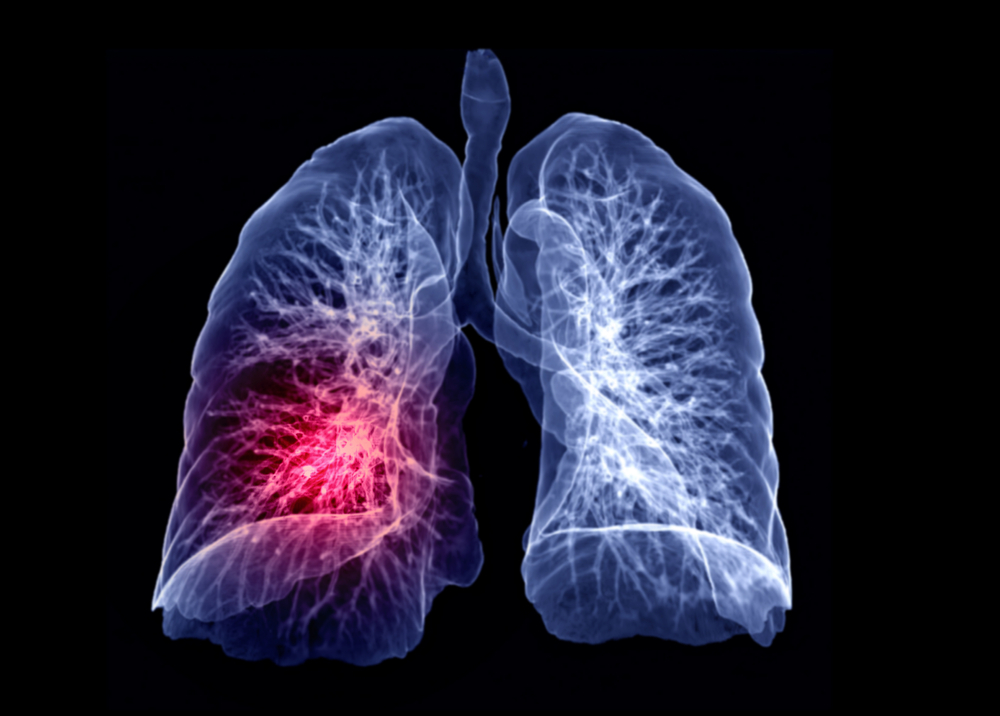
The recommended screening test for lung cancer is called low-dose computed tomography, usually shortened to low-dose CT or LDCT. It uses a much lower amount of radiation than a standard chest CT and creates detailed images of the lungs. The scan is quick, noninvasive, and painless. In many imaging centers, the actual scan is over in just a few minutes. In other words, it is more “brief medical pit stop” than “day-long hospital odyssey.”
This is important: LDCT is the only recommended screening test for lung cancer. Chest X-rays have been studied, and they are not considered effective for lowering the risk of death from lung cancer in screening. So if someone proudly tells you they got a chest X-ray instead of a screening CT, that is a little like bringing a butter knife to a home-improvement project. Technically an object was used, but it is not the right one.
Who should think seriously about screening
Lung cancer screening is recommended for adults at high risk, mainly based on age and smoking history. In everyday clinical practice, the most widely used rule of thumb is this:
The common eligibility checklist
- You are between 50 and 80 years old.
- You have a smoking history of at least 20 pack-years.
- You currently smoke, or you quit within the last 15 years.
- You do not have symptoms that already suggest lung cancer.
- You are healthy enough that, if cancer were found, you could reasonably consider treatment.
A pack-year is simple math with annoyingly serious consequences. One pack a day for 20 years equals 20 pack-years. Two packs a day for 10 years also equals 20 pack-years. Half a pack a day for 40 years? Still 20 pack-years. Your lungs do not care whether the math was done elegantly.
The guideline wrinkle most people do not know
Here is where things get interesting. The U.S. Preventive Services Task Force, which strongly influences screening practice and insurance coverage, uses the “quit within 15 years” threshold. Medicare also uses that rule and currently covers eligible patients ages 50 to 77, not all the way to 80. But the American Cancer Society updated its guideline and now recommends yearly screening for people ages 50 to 80 with at least 20 pack-years who smoke or used to smoke, without the same quit-within-15-years cutoff.
What does that mean for real people? It means that if you quit smoking more than 15 years ago, you should not automatically assume screening is off the table. It does mean you need a more detailed conversation with your clinician, and you should also check what your insurance plan actually covers. Medicine loves nuance. Insurance loves paperwork. Sometimes they meet in the middle and call it progress.
Who should not be screened
Lung cancer screening is not for everyone, even if the word “cancer” makes it feel like more testing must always be better. It is generally not recommended for people who are not high risk, for people who already have concerning symptoms and need a diagnostic workup instead of screening, or for people whose serious health problems would make treatment unrealistic or unwanted.
That last point matters more than many people realize. Screening only makes sense when finding cancer early could lead to meaningful treatment. If someone would not be able to undergo surgery, radiation, or other curative therapy, then screening may bring anxiety and additional procedures without much upside.
What happens before the scan
Before the first scan, there should be a shared decision-making conversation with a clinician. That is not medical bureaucracy for sport. It means discussing:
- Whether you truly meet eligibility criteria
- What screening can and cannot do
- The possible benefits
- The possible harms, including false alarms
- What follow-up might be needed if something shows up
- Whether you are prepared to continue screening yearly if it is appropriate
If you currently smoke, this visit should also include support for smoking cessation. Screening is not a permission slip to keep smoking. It is more like a seat belt: valuable, yes, but far better when you are also driving safely.
What happens during the scan
The actual LDCT scan is refreshingly uneventful. You may be asked to remove jewelry or metal items. You lie on a table, the scanner moves around you, and you may be told when to hold your breath for a few seconds. No needles. No sedation. No dramatic soundtrack. Most people are surprised by how fast it goes.
There is usually little or no special prep required. Wear comfortable clothes, follow the center’s instructions, and let the team know if you have an active respiratory illness, because sometimes a bad infection can muddy the picture and make the scan less useful.
What the results can mean
This is the part where a lot of people hear the word “nodule” and their brain immediately leaps to catastrophe. Slow down. An abnormal screening result does not automatically mean lung cancer.
Negative result
A negative result means nothing concerning was seen on the scan. That is good news, but it is not a lifetime gold star. If you remain eligible, screening is usually repeated every year.
Indeterminate or probably benign finding
This often means something small was seen, but it does not look obviously dangerous. In many cases, the next step is another scan after a recommended interval to see whether anything changes over time. This “watchful follow-up” can feel emotionally annoying, but it is often the safest and smartest approach.
Positive or suspicious result
This means the scan found something that needs closer evaluation. That could involve repeat imaging, a PET scan, bronchoscopy, biopsy, or referral to a multidisciplinary lung nodule or lung cancer team. Again, positive does not mean proven cancer. It means the story needs another chapter.
Why lung cancer screening helps
The biggest benefit of screening is that it can find lung cancer earlier, when treatment may be more effective and sometimes even curative. Large studies have shown that low-dose CT screening can reduce deaths from lung cancer in high-risk populations. That is the whole reason clinicians keep talking about it, health systems keep building programs around it, and radiology departments keep teaching people not to panic over every tiny dot on a scan.
Another advantage is that LDCT sees much more than a plain chest X-ray. Small nodules that would be invisible or easy to miss on an X-ray can be picked up on a screening CT. That added sensitivity is exactly why LDCT became the standard screening tool.
The limits and possible harms
A good pulmonologist does not oversell screening. It has real benefits, but it also has real drawbacks.
False positives
Sometimes a scan finds something that looks suspicious but turns out not to be cancer. That can lead to repeat scans, extra appointments, and a miserable stretch of “What does this mean?” anxiety. In some cases, it can lead to invasive procedures that were not ultimately necessary.
Overdiagnosis
Screening may occasionally find a cancer that would never have caused symptoms or shortened a person’s life. That can sound bizarre, but it is a recognized issue in cancer screening. Finding more is not always the same as helping more.
Radiation exposure
Low-dose CT uses a small amount of radiation, which is far less than a standard diagnostic CT, but it is not zero. Over time, repeated imaging adds up. That is one reason screening is targeted to people whose risk is high enough that the likely benefit outweighs that downside.
Incidental findings
Sometimes the scan spots something unrelated to lung cancer, such as emphysema, coronary artery calcification, or another abnormality that may or may not matter. Incidental findings can be helpful, but they can also open a side quest nobody asked for.
How pulmonologists think about “good screening”
Screening works best when it is done in a high-quality program with experienced radiologists, standardized reporting, and a clear follow-up system. That usually means a center that uses structured approaches to classify findings, communicate results, and track when the next scan or next step is due.
If you are choosing where to go, look for a center that treats lung cancer screening like a program, not a random one-off scan. You want a place that can explain results clearly, arrange follow-up efficiently, and connect you with pulmonary, radiology, and oncology teams if needed. In screening, organization is not a luxury. It is part of the treatment plan before treatment even exists.
What about cost and insurance?
Coverage depends on the plan, but many private insurers and Medicare cover lung cancer screening for people who meet the eligibility rules. Medicare Part B covers it once a year for eligible beneficiaries, and if your provider accepts assignment, the screening itself may be covered without out-of-pocket cost. Still, follow-up tests after an abnormal result can involve separate costs, so it is smart to verify coverage before you schedule.
That is especially important because eligibility rules are not perfectly identical across all organizations. A person may fit one professional guideline but not a specific insurance policy. Welcome to American healthcare, where the CT scanner is often simpler than the billing codes.
Questions worth asking your doctor
- Do I meet the current screening criteria?
- How many pack-years do I actually have?
- Am I getting a screening scan or a diagnostic scan?
- Where should I go for a high-quality screening program?
- What happens if the scan finds a nodule?
- Will my insurance cover the screening and any follow-up?
- What help can I get to quit smoking or stay smoke-free?
Experiences people commonly have with lung cancer screening
One of the most consistent experiences people report before screening is hesitation. Some are worried about what the scan might find. Others feel guilty because of their smoking history. Some put it off because they are busy, scared, or convinced that no symptoms means no problem. In clinic, this is incredibly common. People will postpone a potentially lifesaving test while simultaneously reorganizing their garage, answering three hundred emails, and somehow learning sourdough. Humans are complicated.
Another very real experience is confusion about eligibility. Many adults know they smoked “a lot,” but they do not know their pack-years. Others quit long ago and assume they are either completely safe or completely excluded from screening. A pulmonologist often spends part of the visit simply translating risk into ordinary language: how much you smoked, how long ago you quit, whether your age matters, and whether your overall health makes screening sensible.
Then there is the experience of the scan itself, which is usually anticlimactic in the best possible way. Many patients walk in expecting a large, dramatic medical production and walk out saying, “That was it?” Yes. That was it. The emotional buildup is often much bigger than the actual test.
The next common experience is the hardest one: waiting for results. Even people who seemed calm beforehand can become deeply anxious in the quiet days afterward. This is why good screening programs matter. Clear communication reduces unnecessary panic. A short note that says “small nodule, likely benign, repeat scan in 12 months” may sound routine to a specialist but can feel enormous to a patient. Good clinicians know that the medical explanation and the emotional explanation are both part of the job.
Some people have the experience of an abnormal result that turns out not to be cancer. This is more common than many expect. A nodule can be due to scarring, prior infection, inflammation, or another noncancerous cause. Patients often describe a mix of relief and exhaustion after follow-up imaging shows stability. It is a reminder that screening is a process, not a one-time verdict.
Others describe something more positive than they expected: screening becomes a turning point for quitting smoking. Seeing the lungs treated as something worth protecting can be powerful. For some patients, the scan is the first moment the risk feels concrete rather than theoretical. The goal is never shame. The goal is action.
There is also the experience of people whose cancers are found early, sometimes before symptoms appear. Those stories are the reason screening exists at all. Early-stage disease can open the door to surgery, targeted radiation, or other treatments when cure is still possible. Nobody celebrates needing cancer treatment, obviously. But finding cancer before it announces itself aggressively is often the difference between a manageable path and a much harder road.
Finally, many patients say that once they understand screening, they wish someone had explained it to them sooner. Not with jargon. Not with scary statistics dumped on the table like loose nails. Just clearly: who should do it, what it finds, what it does not promise, and why yearly follow-up matters. That, honestly, is the pulmonologist’s job in one sentence.
Final takeaway
Lung cancer screening is one of the clearest examples of the right test for the right patient at the right time. For people at high risk, yearly low-dose CT can find lung cancer earlier and improve the odds that treatment will help. For people outside that group, screening may create more downsides than benefits. The magic is not in scanning everyone. The value is in screening thoughtfully.
If you are 50 or older and have a significant smoking history, talk with your clinician about whether you qualify. If you currently smoke, ask for help quitting. If you used to smoke, do not assume you are automatically in the clear or automatically excluded. Ask. Clarify. Get the math right. Then make the decision with your eyes open, not your fingers crossed.













