
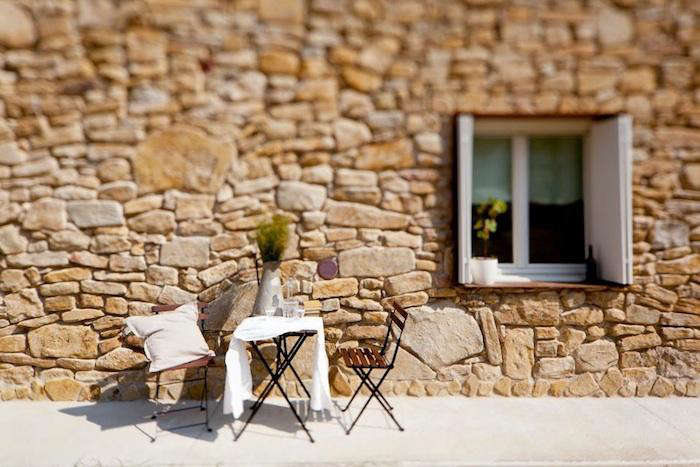
Some Italian country houses introduce themselves with elaborate gates, manicured hedges, and enough marble to make a Roman emperor feel underdressed. Malatesta Maison takes a quieter approach. Perched on a hillside near Pergola in Italy’s Le Marche region, the historic farmhouse lets rolling valleys, weathered materials, and changing natural light create the drama.
The estate combines the character of a centuries-old rural home with the comforts expected from a modern Italian villa. Stone walls, exposed wood, natural linen, vintage furniture, contemporary details, outdoor dining areas, and a dedicated wellness house come together without making the place feel staged. It is farmhouse chic with genuine rootsrustic but refined, luxurious but relaxed, and welcoming enough that guests do not need permission before sitting on the furniture.
A Historic Farmhouse in the Hills of Le Marche
Malatesta Maison is located in the countryside outside Pergola, a small town in the province of Pesaro and Urbino. Le Marche lies between the Apennine Mountains and the Adriatic Sea, creating a landscape of cultivated valleys, wooded hills, medieval villages, vineyards, and coastal towns.
The region offers much of the beauty travelers expect from central Italy, but it often feels less crowded and less carefully packaged than better-known destinations. Here, the countryside still appears connected to agriculture and everyday village life rather than existing solely as a background for vacation photographs.
According to the property’s published history, the building dates to the late 1400s and was once associated with the Malatesta family, the influential dynasty connected with Rimini and neighboring territories. A local historian reportedly helped trace that connection during the property’s restoration.
When the farmhouse was rediscovered, it was not a ready-to-rent romantic hideaway. It was a deteriorated historic structure requiring years of work. An earlier Italian-Chilean couple transformed the ruin into a hospitality property, preserving its rural identity while introducing a restrained modern design. Subsequent owners expanded and updated the accommodations while attempting to retain the house’s established character.
From rural ruin to group retreat
Today, Malatesta Maison is presented as a nine-bedroom estate distributed across three buildings. The main house contains a large kitchen, living and dining spaces, and six bedrooms. A second house provides three additional bedrooms, each with an en suite bathroom and private entrance. The third building is dedicated to wellness, with a sauna, hammam, whirlpool, and access to the outdoor pool.
This arrangement allows the estate to accommodate families and groups without making everyone share the same schedule. Guests can gather for meals and celebrations, then retreat to quieter rooms when the enthusiastic late-night discussion about Italian wine becomes slightly too enthusiastic.
Italian Farmhouse Chic Without the Costume
Farmhouse decorating can go wrong surprisingly fast. Add too many distressed signs, ornamental roosters, and objects pretending to have been rescued from a barn, and the room begins to resemble a country-themed gift shop.
Malatesta Maison avoids that problem by treating farmhouse style as an architectural foundation rather than a list of accessories. Its design begins with the building’s original proportions, aged surfaces, rural setting, and traditional materials. Modern pieces are introduced for contrast and comfort, not to erase the past.
Natural materials create the atmosphere
Wood, stone, cement, plaster, iron, and linen give the interiors their visual depth. Rough walls may sit beside clean-lined furniture, while crisp bedding softens rooms framed by old beams and irregular masonry. These contrasts make the spaces feel layered without becoming cluttered.
The palette remains closely connected to the surrounding landscape. Warm whites, soft grays, faded greens, earthen browns, and flax-colored textiles echo the valley, dry grasses, stone buildings, and cultivated fields. Because the colors are restrained, texture becomes the main attraction.
Vintage pieces are carefully edited
Vintage objects introduce warmth and individuality, but they are used with discipline. A patinated mirror, an old cabinet, a worn bench, or a sculptural lamp can anchor a room without turning it into a museum display.
The result feels collected over time. Historic features are allowed to show their age, while newer elements remain relatively simple. Nothing tries too hard to look rustic because the farmhouse already has several centuries of experience doing that job.
Modern comfort remains essential
The estate may look wonderfully timeless, but guests are not expected to live like 15th-century farmers. Updated kitchens, comfortable seating, contemporary bathrooms, entertainment facilities, and climate control support longer stays and larger groups.
This balance is central to successful modern rustic design. Historic character creates atmosphere, but practical improvements make that atmosphere enjoyable after the first ten minutes.
Three Buildings Create a Relaxed Social Rhythm
The three-building layout is one of Malatesta Maison’s greatest strengths. Large vacation homes often promise togetherness but deliver a week of people tripping over one another’s shoes. Here, the group can separate naturally without losing its sense of connection.
The main house acts as the social center. Its kitchen, dining area, and living rooms support shared breakfasts, afternoon conversations, and long evening meals. Six bedrooms keep much of the group close to the activity.
The second house offers additional privacy through three en suite bedrooms with independent entrances. This arrangement is particularly useful for couples, older relatives, guests with children, or anyone who considers sleeping past 8 a.m. an important cultural practice.
A wellness house instead of a token hot tub
The dedicated wellness building distinguishes the estate from a typical Italian farmhouse rental. Its sauna, hammam, whirlpool, and neighboring pool create a genuine spa circuit rather than a single amenity added to improve a listing description.
The wellness area also broadens the property’s seasonal appeal. Summer afternoons naturally revolve around the pool, while cooler days can include steam, sauna sessions, and quiet indoor relaxation. Guests do not have to leave the grounds to create a full day of activityor productive inactivity.
The Kitchen Is the Heart of Malatesta Maison
In an Italian farmhouse, the kitchen is rarely a supporting character. It is where plans are made, vegetables are chopped, coffee is debated, and someone inevitably asks whether a particular bottle is “the good olive oil.”
Malatesta Maison’s large modern kitchen is designed for self-catering and group meals. It provides a functional contrast to the historic shell, making it possible to prepare breakfast for a crowd or build an entire evening around local ingredients.
Le Marche is especially well suited to culinary travel. Its cooking reflects farming, mountain, and coastal traditions. Seasonal produce, handmade pasta, cured meats, cheeses, mushrooms, truffles, olive oil, and Adriatic seafood all appear in the regional food culture.
The area is also associated with Verdicchio, one of Italy’s notable white wines. Vineyards grow across hilly zones where altitude, soil, and temperature variations help produce wines ranging from bright and crisp to more structured and age-worthy styles.
Food experiences become part of the stay
Depending on current arrangements, guests may be able to book private chef dinners, pasta- or pizza-making lessons, winery visits, olive oil tastings, and truffle-focused excursions.
A cooking class fits the estate particularly well because it turns the kitchen into a social space. Guests knead dough, compare questionable pasta shapes, and discover that flour can reach clothing located several feet away from the work surface.
The goal is not necessarily culinary perfection. The pleasure comes from preparing something together, slowing down, and treating the meal as the evening’s main event rather than an obstacle between sightseeing activities.
Outdoor Living With a View of the Cesano Valley
The best Italian country houses blur the boundary between indoor and outdoor living. Malatesta Maison follows that tradition through terraces, garden areas, open-air dining spaces, and a pool positioned within the wider landscape.
Dining outside changes the pace of an evening. Courses arrive gradually, conversations wander, and the sunset becomes an unofficial guest. Even a simple meal of tomatoes, bread, cheese, and wine feels ceremonial when served above the valley.
The pool forms another natural gathering place, but it does not feel disconnected from the farmhouse. Water reflects the open sky, shaded seating offers relief from the afternoon sun, and the surrounding hills prevent the area from resembling a generic resort deck.
This is a quieter form of luxury. Instead of filling every hour with entertainment, the setting makes swimming, reading, eating, or simply watching the landscape feel like sufficient plans.
Why Malatesta Maison Stands Out
Renovated farmhouses are not difficult to find in Italy, but Malatesta Maison brings several valuable qualities together in one place.
- Authentic history: The late-15th-century structure gives the estate genuine architectural character.
- Sensitive restoration: Stone, wood, plaster, and original proportions remain visible alongside updated systems.
- Flexible accommodations: Nine bedrooms across two residential buildings offer both privacy and connection.
- Dedicated wellness facilities: The separate spa house includes a sauna, hammam, whirlpool, and pool access.
- Culinary experiences: Cooking lessons, private meals, wine outings, and truffle activities connect guests with the region.
- Understated interiors: Natural fabrics, vintage objects, and contemporary furniture create warmth without unnecessary decoration.
- A distinctive location: The Le Marche countryside provides access to historic towns, vineyards, mountains, and the Adriatic coast.
Italian Farmhouse Design Lessons to Borrow at Home
You do not need to purchase a 600-year-old ruin to borrow ideas from Malatesta Maison. This is encouraging because ruins are notoriously drafty and rarely include reliable internet service.
Begin with honest materials
Choose wood, stone, linen, plaster, ceramic, and iron before selecting decorative themes. Materials with visible grain and natural variation make a room feel grounded, even when the architecture is new.
Mix old and new deliberately
Pair a weathered table with streamlined chairs or an antique cabinet with simple modern lighting. Contrast keeps rustic rooms from becoming visually heavy and stops contemporary spaces from feeling anonymous.
Use fewer vintage objects
One substantial antique often has more impact than ten small faux-aged accessories. Look for items with practical value, craftsmanship, or an interesting surface developed through real use.
Decorate for people, not photographs
Prioritize comfortable seating, a generous dining table, useful lighting, and clear movement between rooms. Farmhouse chic is not only a visual style. It is a social style designed around cooking, gathering, resting, and lingering after dinner.
Let imperfection remain visible
Irregular plaster, worn wood, old masonry, and handmade ceramics create personality. Polishing every surface until it looks new can remove the very character that makes rustic interiors appealing.
Planning a Stay at Malatesta Maison
The estate is particularly suitable for extended families, groups of friends, multigenerational vacations, creative retreats, and intimate celebrations. Published information typically positions it for approximately 14 to 16 guests, although arrangements for somewhat larger groups may be available by prior agreement.
A car is strongly recommended because the property is set in the countryside several miles from Pergola. Guests should consider enjoying the surrounding region rather than treating the house merely as a base for racing between Italy’s major cities.
Pergola and neighboring hill towns offer local history and everyday Italian life. Urbino makes a rewarding cultural excursion, while the Adriatic coast provides beaches and seafood restaurants. Hiking, cycling, winery visits, and food experiences can fill a week without producing the familiar vacation condition known as “needing another vacation afterward.”
Each season creates a different atmosphere. Summer emphasizes the pool and outdoor dining. Spring brings green hills and comfortable sightseeing temperatures. Fall suits wine, mushrooms, harvest cooking, and truffle excursions. Cooler months shift attention toward the kitchen, wellness building, and intimate interiors.
Five Days of Farmhouse Living: The Malatesta Maison Experience
The most memorable way to understand Malatesta Maison is not as a list of rooms but as a sequence of small experiences. Imagine arriving in the late afternoon after driving through the Marche hills. The road narrows, the valley opens, and the farmhouse appears with the confidence of a building that was standing long before rolling luggage became a concept.
Bags are dropped, windows are opened, and the group gathers outside because the view immediately wins the argument over where to sit. The first evening should remain simple. Set out local bread, cheese, olives, tomatoes, cured meats, and a chilled bottle of Verdicchio. Eat outdoors while the light fades across the hills. No complicated itinerary is needed. The house, landscape, and company have already provided the program.
On the second morning, the kitchen becomes active. Coffee appears in several strengths, pastries migrate toward the table, and someone begins planning a market trip. A pasta lesson later in the day introduces the group to fresh dough. Hands knead, flour settles on every dark outfit, and imperfect ribbons eventually become lunch.
The lesson reveals why Italian meals often feel so generous. Preparation is shared, sufficient time is allowed, and the table is treated as the destination rather than the place where people refuel before doing something more important.
The third day can begin slowly beside the pool before turning toward Pergola or another nearby town. Walking through a historic center provides a useful contrast to the privacy of the estate. Stop for coffee, browse local shops, and allow lunch to happen without military scheduling.
Back at the house, the wellness building creates an easy evening ritual. Move from sauna to steam, take a cool dip, and rest before dinner. It produces the rare and satisfying sensation that doing almost nothing has been impressively productive.
Reserve the fourth day for a regional experience. A truffle outing connects the finished dish with the woods, soil, weather, trained dogs, and local knowledge required to find its main ingredient. A winery visit offers another interpretation of the landscape through geology, climate, and agriculture.
Guests who prefer art and architecture can travel to Urbino, whose Renaissance buildings and steep streets reward patient exploration. Others may head toward the Adriatic coast for seafood, beaches, and a change from the inland hills.
By the fifth day, the estate begins to feel less like a vacation rental and more like a temporary household. People have chosen favorite chairs. Early risers know where the morning light appears first. The kitchen has acquired half-used ingredients and overly ambitious dinner plans.
This is when the design proves its value. The rooms are beautiful, but they do not dictate behavior. They support it. Guests can gather, disappear, cook, read, swim, nap, explore, and return without the property feeling either empty or crowded.
The final dinner belongs outside. Use what remains from the market, open the bottle everyone was saving, and allow the meal to last. Malatesta Maison’s real luxury is the way it seems to expand time. A weekend feels fuller, dinner feels longer, and ordinary conversations are given room to wander.
When departure arrives, the valley continues doing exactly what it did before the group appearedchanging color with the light and remaining completely unconcerned about checkout.














