
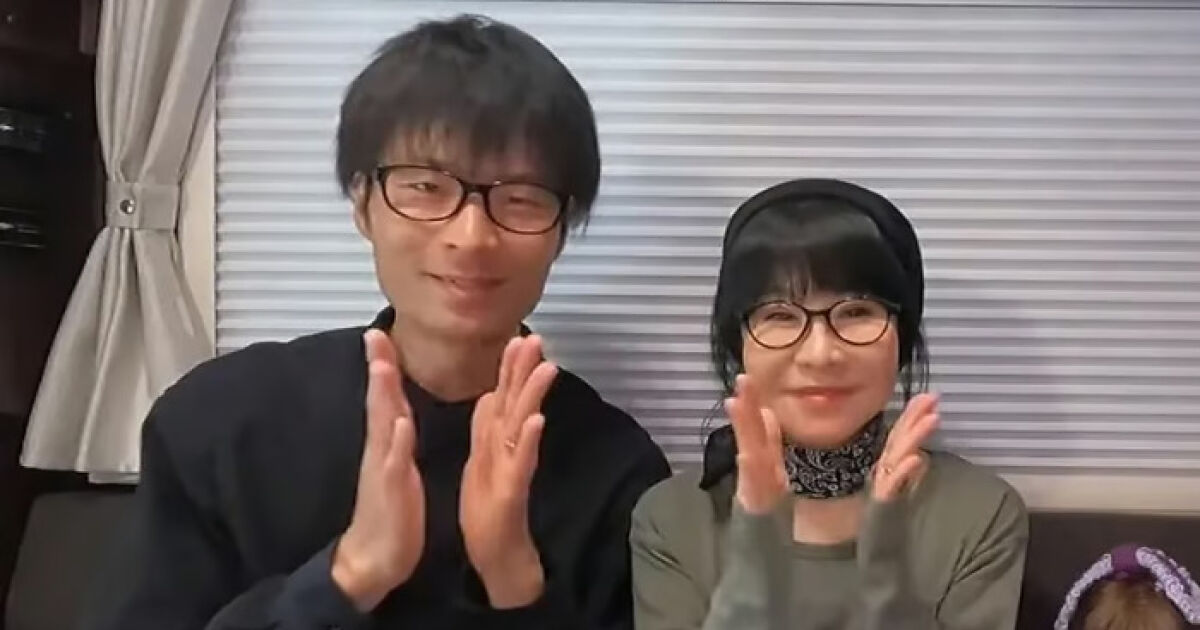
Love is blind, they say. Apparently, it can also be bad at checking passports. In one of the most surprising age-gap relationship stories to circle the internet, a Japanese man named Yoshitaka discovered that his girlfriend of seven years, Aki, was not 15 years older than him as he believed. She was 25 years older. And he found out the night before their wedding.
For many people, that would be the kind of revelation that sends a wedding playlist screeching to a halt. But Yoshitaka’s reaction was not anger, panic, or a frantic Google search for “how to cancel venue deposit politely.” Instead, he comforted Aki. His concern was not the number attached to her age, but the fact that she had carried the fear alone for so long.
The story is funny on the surface, tender underneath, and surprisingly useful for anyone who has ever wondered how honesty, stigma, fear, and commitment collide in long-term relationships. It also raises a bigger question: when two adults are happy together, how much should an age gap matter?
The Viral Love Story: Seven Years, One Secret, And A Wedding-Eve Confession
Yoshitaka and Aki reportedly met at a Japanese-style bar owned by Aki. Both had been divorced. Both were raising children. Both had lived enough life to know that romance is not always a smooth, candlelit montage. They connected through shared experience, easy conversation, and common interests. The chemistry was real, and Yoshitaka was drawn to Aki’s warm personality and mature charm.
At the beginning, Aki told him she was 15 years older. That was already a noticeable age difference, but not a relationship-stopping one for Yoshitaka. The truth, however, was larger: Aki was actually 25 years his senior. When Yoshitaka was 40, Aki was 65. For seven years, he believed the smaller age gap, helped along by Aki’s youthful appearance, cheerful nature, and what must be one of the most effective skincare routines in modern romance.
Aki was not carefree about the secret. Reports say she worried that Yoshitaka would leave if he knew her real age. She tried to hint at the truth by leaving documents such as her passport and insurance card out where he might notice them. Unfortunately, Yoshitaka’s response was less “Let me inspect this biographical mystery” and more “Please put your important papers somewhere safe.” A responsible man, yes. A detective, not so much.
Eventually, the couple decided to marry. The night before the wedding, Aki knew the secret could not continue. She confessed. Yoshitaka’s response became the emotional center of the story. He reportedly told her that her real age did not matter and asked why she had not told him sooner so she would not have had to worry for so long.
That one sentence turned the story from a simple “wait, what?” headline into a lesson about compassion. The surprise was not just that he did not know. The surprise was that his love seemed bigger than the embarrassment, the fear, and the arithmetic.
Why This Story Captured So Much Attention Online
The internet loves a twist, especially when the twist sounds like it escaped from a romantic comedy writer’s notes app. A seven-year relationship. A hidden 25-year age gap. A confession on the night before the wedding. It has drama, suspense, paperwork, skincare, and a groom who somehow missed every clue short of a billboard.
But the viral attention also came from something deeper. People were not only reacting to the age difference. They were reacting to the lie. Many readers felt that two consenting adults should be free to love each other regardless of age. Others argued that hiding a major personal fact for seven years could damage trust, even if the motive was fear rather than manipulation.
Both reactions make sense. Age-gap relationships can be healthy, loving, and stable when partners are respectful and emotionally aligned. But long-term secrecy can create hurt because it makes one partner wonder what else they did not know. In this case, Yoshitaka chose grace. That does not mean every person would respond the same way, and it does not mean honesty should wait until the wedding florist is already misting the roses.
Age-Gap Relationships Are More Common Than People Think
Age-gap relationships are not new. They have existed across cultures and generations, though society has not always judged them evenly. Relationships where men are much older than women have often been normalized, romanticized, or shrugged off. Relationships where women are significantly older than men are more likely to attract labels, jokes, and unsolicited opinions from people who were not invited to the relationship in the first place.
In the United States, most married couples are close in age, and research has shown that the average spousal age gap has narrowed over time. That makes a 25-year difference unusual, but unusual does not automatically mean unhealthy. The real questions are more practical: Are both people adults? Is there mutual respect? Is there emotional safety? Are they honest about life goals, finances, health, family expectations, and future plans?
When those elements are present, age becomes one factor among many. It may affect lifestyle, retirement timing, social circles, fertility discussions, caregiving expectations, or energy levels. But it is not the only factor. Plenty of same-age couples fall apart because they cannot communicate, and plenty of age-gap couples thrive because they can.
The Real Issue Wasn’t Age. It Was Fear.
Aki’s decision to hide her age appears to have come from fear of rejection. That fear is not hard to understand. Society often treats women’s age as if it were a public performance review. Women are praised for looking young, teased for aging, and judged for dating younger men in ways that older men often are not. When a woman believes her age will make her less lovable, secrecy can start to look like protection.
But fear has a sneaky way of building its own little apartment in a relationship. At first, the secret may feel small. Then it grows roots. Then years pass, and suddenly the truth has become heavier than the fact itself. Aki was not only hiding a number. She was living with the anxiety that the truth might end the relationship.
That is why Yoshitaka’s response mattered. He did not minimize the secrecy, but he focused on her emotional burden. He recognized that she had been afraid. That does not erase the importance of honesty, but it does show the difference between reacting to a partner’s mistake and trying to understand the wound underneath it.
What Couples Can Learn From Yoshitaka And Aki
1. Honesty Should Arrive Before The Wedding Invitations
Major personal truths should not be saved for dramatic timing. Age, previous marriages, children, debt, health concerns, immigration issues, and future family plans are not small details. They shape a shared life. A wedding should not be the first place where someone learns information that changes their understanding of the relationship.
2. Shame Makes Simple Truths Feel Dangerous
Aki did not hide her age because age itself was dangerous. She hid it because she feared what it would mean. Many people hide parts of themselves because they assume love is conditional. The healthier path is to build a relationship where difficult truths can be spoken before they become emotional landmines.
3. Compatibility Is More Than A Birth Year
Couples do not last simply because they were born in the same decade. They last because they handle conflict, respect boundaries, share values, and keep choosing each other when life becomes less Instagram and more appliance repair. Yoshitaka and Aki connected through shared experience, not matching playlists from high school.
4. Public Judgment Can Pressure Private Relationships
Age-gap couples often deal with outside commentary from friends, family, strangers, and online spectators. That pressure can make partners defensive or secretive. Couples who survive it usually develop a strong “team” mentality. They talk openly about the gap instead of pretending it does not exist.
5. Forgiveness Is Personal
Some people would forgive a seven-year lie about age. Others would not. Both responses can be valid. Forgiveness depends on the couple, the reason behind the lie, whether there is accountability, and whether trust can be rebuilt. Yoshitaka’s response was unusually gentle, but it should not be used as a universal rulebook for every relationship.
The Double Standard Around Older Women And Younger Men
One reason this story hit such a nerve is that it reversed the usual script. People are accustomed to seeing older men with younger women in celebrity news, movies, and everyday life. The reverse pairing still receives more raised eyebrows. Terms used for older women dating younger men often sound more like wildlife documentaries than romance vocabulary.
That double standard matters because it affects behavior. If older women expect judgment, they may hesitate to date openly. If younger men expect ridicule, they may downplay relationships that make them happy. The couple then has to manage not only their actual relationship but also everyone else’s commentary. That is exhausting. Love already requires enough admin.
Healthy relationships should be evaluated by consent, respect, honesty, and balance, not by whether strangers find the couple visually “expected.” A relationship can have an age gap and still be caring. A relationship can look conventional and still be deeply unhealthy. The calendar tells us when someone was born; it does not tell us whether they listen, apologize, support, or refill the coffee pot.
Could A 25-Year Age Gap Create Real Challenges?
Yes. Pretending otherwise would be too easy. A 25-year age gap can come with practical challenges. Partners may face different retirement timelines, health needs, social expectations, and long-term caregiving questions. They may have different cultural references, although every couple eventually discovers at least one baffling gap in taste. One person says, “This song defined my youth,” and the other says, “Was that before Wi-Fi?” Romance survives many things, but it does occasionally need subtitles.
The point is not to ignore the differences. The point is to talk about them honestly. Couples with large age gaps should discuss money, family roles, future medical decisions, travel dreams, lifestyle pace, and how they will handle public reactions. These conversations are not unromantic. They are the emotional equivalent of checking the weather before a road trip.
Why Yoshitaka’s Response Felt So Refreshing
Yoshitaka’s reaction stood out because it was not ego-driven. He could have focused on being deceived. He could have felt embarrassed. He could have turned the confession into a courtroom scene. Instead, he centered Aki’s fear. He seemed to understand that the woman in front of him had not been plotting a grand betrayal; she had been terrified of losing him.
That kind of response requires emotional maturity. It does not mean ignoring the problem. It means responding to the person, not just the event. In long-term relationships, this skill matters. Couples will disappoint each other. They will misunderstand each other. They will occasionally fail at mind reading, which is tragic because so many people continue to assign it as homework. The strongest couples learn how to repair.
Experiences Related To This Topic: What This Story Feels Like In Real Life
Stories like Yoshitaka and Aki’s feel unusual, but the emotions behind them are common. Many people enter relationships carrying a detail they are afraid to reveal. It may not be age. It might be financial debt, a complicated family history, a previous divorce, a health condition, infertility concerns, or insecurity about education or career status. The fear is usually the same: “If they know the full truth, will they still choose me?”
In real life, secrecy often begins with a small delay. Someone thinks, “I’ll tell them after the third date.” Then the third date becomes three months. Three months becomes a shared apartment, a dog, a favorite pizza order, and a family group chat. At that point, the secret is no longer just information. It has become a wall. The longer it stands, the scarier it becomes to remove.
For people in age-gap relationships, the pressure can be especially intense. They may hear jokes from friends, warnings from relatives, or comments from strangers who believe every relationship is a public debate tournament. The couple may feel forced to prove that their love is “real” in a way same-age couples rarely have to. That pressure can make honesty harder, even though honesty is exactly what protects the relationship.
One useful experience-based lesson is this: the right partner may be more capable of handling the truth than fear allows you to believe. Aki feared Yoshitaka would reject her. Instead, he wished she had not suffered in silence. That does not guarantee every confession will be received warmly, but it shows why giving someone the truth is also giving them the chance to love you honestly.
Another lesson is that hints are not communication. Leaving documents on a table may feel like a confession to the person doing it, but to the other person it may look like clutter with legal consequences. If something matters, it needs words. Clear, kind, direct words. A relationship should not depend on whether one partner happens to read an insurance card while making tea.
Couples can also learn to schedule serious conversations before major commitments. Before marriage, it helps to discuss age-related expectations, health, money, family responsibilities, retirement dreams, caregiving possibilities, and social pressure. These conversations do not kill romance. They protect it from future shock. Think of them as premarital maintenance, like changing the oil before driving a campervan across Japan.
Finally, this story reminds readers that love is not just about finding someone impressive. It is about creating a space where both people can stop performing. Aki performed youth because she feared age would cost her love. Yoshitaka’s response suggested that what he loved was not a number but a person. That is the heart of the story. The age gap made it viral; the compassion made it memorable.
Conclusion
The story of the man who did not realize his girlfriend of seven years was 25 years older until the night before their wedding is funny, surprising, and oddly heartwarming. It has all the ingredients of internet gold: a dramatic confession, a missed trail of clues, and a groom whose calm response made readers rethink what really matters in love.
But beyond the headline, the story offers a serious reminder. Age gaps can create challenges, but secrecy creates different ones. Healthy relationships need honesty, compassion, and the courage to discuss uncomfortable truths before they become wedding-eve emergencies. Yoshitaka and Aki’s relationship survived because his love was not shaken by her age, and because her confession finally gave them a chance to move forward without fear.
In the end, love may be blind, but it should not have to be uninformed. The best relationships are not built on perfect facts, perfect timing, or perfect skin care. They are built on two imperfect people choosing honesty, repair, laughter, and each other.














