
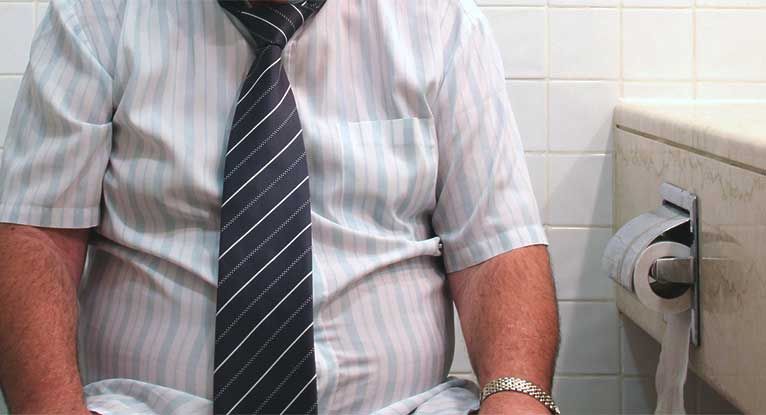
Micturition syncope sounds like the name of a mysterious villain in a medical drama, but it simply means fainting during or right after urination. Yes, the bathroom can apparently be dramatic enough without slippery floors, midnight trips, and that one light bulb that flickers like a haunted motel.
In plain English, micturition syncope is a type of situational fainting. It usually happens when blood pressure drops suddenly, reducing blood flow to the brain for a short time. The result may be dizziness, weakness, tunnel vision, sweating, nausea, or a brief loss of consciousness. Most episodes are short, but the fall that follows can be serious. A fainting spell next to a sink, bathtub, tile floor, or toilet is not exactly the body’s finest planning committee.
This article explains what micturition syncope is, why it happens, who is more likely to experience it, what symptoms to watch for, how doctors evaluate it, and what practical steps may reduce the risk of another episode.
What Is Micturition Syncope?
Micturition syncope is fainting connected to urination. It may occur while a person is urinating, immediately after finishing, or shortly after standing up to go to the bathroom. It belongs to a broader category called reflex syncope or neurally mediated syncope, where the nervous system briefly overreacts and causes blood pressure, heart rate, or both to drop.
Syncope itself means a temporary loss of consciousness caused by reduced blood flow to the brain. In many cases, the person wakes up quickly after falling or lying flat because the brain receives blood flow more easily when the body is horizontal. That recovery may feel like rebooting a laptop after it froze: confusing, slightly embarrassing, and hopefully not happening during company.
Micturition syncope is considered uncommon, but it is important because fainting can lead to injury. It may also point to another issue, such as dehydration, medication effects, low blood pressure, heart rhythm problems, or another medical condition that deserves attention.
Common Symptoms of Micturition Syncope
Not everyone gets warning signs before micturition syncope. Some people faint suddenly. Others notice a few clues before the lights go out.
Possible warning signs before fainting
- Lightheadedness or dizziness
- Weakness in the legs
- Sweating or feeling clammy
- Nausea or an uneasy stomach
- Blurred vision, tunnel vision, or seeing spots
- Ringing in the ears or muffled hearing
- Paleness
- Feeling unusually warm or cold
- A sense that you are about to pass out
During the episode, the person may briefly lose consciousness, slump, or fall. The event often lasts only seconds to a couple of minutes. Afterward, the person may feel tired, shaky, embarrassed, or confused for a short period. Embarrassment is understandable, but the real priority is figuring out why the episode happened and preventing a bathroom-based gravity experiment from becoming a repeat performance.
Symptoms that need urgent medical attention
Call emergency services or seek urgent care if fainting happens with chest pain, shortness of breath, a racing or irregular heartbeat, severe headache, weakness on one side of the body, trouble speaking, seizure-like activity that does not quickly resolve, fainting during exercise, fainting while driving, serious injury from a fall, or a long period of unconsciousness.
A person should also be evaluated promptly if fainting is new, recurrent, occurs without warning, happens in an older adult, or occurs in someone with known heart disease. “It was probably nothing” is not a diagnosis; it is just optimism wearing a lab coat.
What Causes Micturition Syncope?
The exact cause of micturition syncope is not always clear. Most explanations involve a sudden drop in blood pressure and reduced blood flow to the brain. Several body processes can team up at the worst possible time.
1. A sudden drop in blood pressure
When you stand up quickly, gravity pulls blood toward the legs. Normally, the body tightens blood vessels and adjusts heart rate to keep blood moving to the brain. If that response is delayed or weakened, blood pressure may fall. Add urination to the mix, and the nervous system may overcorrect, causing lightheadedness or fainting.
2. Rapid emptying of a full bladder
A very full bladder can affect blood pressure and nerve signals. Emptying it quickly may trigger a reflex response that lowers blood pressure. This is one reason episodes are often reported at night or early in the morning, when a person wakes from sleep with a full bladder and stands up suddenly.
3. Vagus nerve response
The vagus nerve helps regulate heart rate, blood pressure, digestion, and other automatic body functions. In reflex syncope, stimulation of this system may lead to a slower heart rate and widened blood vessels. That combination can briefly reduce blood flow to the brain. The vagus nerve is useful, but occasionally it behaves like an overprotective security guard who shuts down the whole building because someone sneezed.
4. Dehydration
Dehydration reduces blood volume, which can make blood pressure more likely to drop. Heat, sweating, illness, vomiting, diarrhea, not drinking enough fluids, or taking certain medications can increase the risk. If the bloodstream is already running low on fluid, standing up and urinating may be enough to trigger symptoms.
5. Alcohol use
Alcohol can widen blood vessels, contribute to dehydration, and affect normal blood pressure control. In adults, alcohol is a recognized trigger for some micturition syncope episodes, especially when combined with getting up at night. For teens and anyone under the legal drinking age, the safest advice is simple: do not drink alcohol.
6. Medications
Some medicines can lower blood pressure or affect heart rhythm. These may include blood pressure medications, diuretics, alpha blockers used for urinary symptoms, some antidepressants, and other drugs depending on the individual. Never stop a prescribed medication suddenly without medical guidance, but do tell a healthcare professional if fainting starts after a medication change.
7. Straining
Straining to urinate can increase pressure in the chest and abdomen, briefly affecting blood return to the heart. This may contribute to fainting in some people. Straining can happen with prostate enlargement, urinary obstruction, constipation, or other pelvic and urinary issues.
Who Is More Likely to Experience It?
Micturition syncope can happen to adults of different ages, but it is often described in men, especially during nighttime bathroom trips. That does not mean women cannot experience it. Anyone can faint if the right combination of low blood pressure, dehydration, fatigue, medication effects, and nervous system reflexes shows up like a poorly organized committee meeting.
Risk may be higher in people who:
- Wake up at night to urinate
- Stand up suddenly from bed
- Are dehydrated or overheated
- Have low blood pressure or orthostatic hypotension
- Take medications that lower blood pressure
- Have heart disease or abnormal heart rhythms
- Have urinary problems that cause straining
- Are older adults with multiple medical conditions
- Have had fainting episodes before
How Micturition Syncope Is Diagnosed
A healthcare professional will usually begin with a detailed history. The timing of the episode matters. Did it happen while urinating, after urinating, or while walking to the bathroom? Was it at night? Did the person stand up quickly? Were there warning signs? Was there chest pain, palpitations, or shortness of breath? Was there an injury? Were medications recently changed?
The clinician may check blood pressure while lying down, sitting, and standing to look for orthostatic hypotension. A physical exam and heart exam are common. Many people will also have an electrocardiogram, often called an ECG or EKG, to check the heart’s electrical rhythm.
Possible tests
Depending on the situation, additional testing may include blood tests, heart rhythm monitoring, echocardiography, tilt-table testing, or evaluation for urinary problems. Not everyone needs every test. Medical testing should be guided by the history, exam, risk factors, and whether the episode seems typical or concerning.
Doctors are especially careful to rule out cardiac syncope because fainting from an abnormal heart rhythm or structural heart condition can be more serious. A bathroom trigger may point toward micturition syncope, but good medical care still asks, “Is there anything dangerous hiding behind this?” That is not paranoia; that is responsible troubleshooting.
Treatment and Prevention
Treatment depends on the cause. If micturition syncope is linked to dehydration, medication effects, low blood pressure, or a urinary condition, addressing that issue may reduce future episodes. For many people, prevention focuses on practical habits and safety.
Helpful prevention tips
- Rise slowly at night. Sit on the edge of the bed first and move your legs before standing.
- Stay hydrated. Drink enough fluids during the day unless a doctor has told you to restrict fluids.
- Consider sitting to urinate. This may reduce the chance of falling and may help if standing triggers symptoms.
- Avoid straining. Tell a clinician if urination is difficult, weak, painful, or interrupted.
- Review medications. Ask a healthcare professional whether any medicines could be contributing.
- Make the bathroom safer. Use night lights, remove trip hazards, and consider soft flooring or mats placed safely.
- Limit triggers. Heat, dehydration, skipped meals, and alcohol in adults can increase fainting risk.
If warning signs appear, the safest move is to sit or lie down right away. Lowering the head and elevating the legs can help blood return to the brain. Do not try to “tough it out.” Nobody wins a bravery medal for fainting into a towel rack.
What To Do If Someone Faints While Urinating
If someone faints, help them lie flat if it is safe to do so. Check that they are breathing normally. Loosen tight clothing and keep the area clear. If they regain consciousness quickly, encourage them to stay lying down for several minutes before sitting up slowly.
Call emergency services if the person does not wake quickly, has trouble breathing, has chest pain, has a serious injury, is pregnant, has a known heart condition, or has repeated fainting. Also seek medical help if this is the person’s first fainting episode or if the cause is unclear.
Living With Micturition Syncope
Living with micturition syncope often means learning patterns. Some people discover that episodes happen only when they wake at 3 a.m., jump out of bed, rush to the bathroom, and stand while half-asleep. Others notice episodes after being dehydrated, overheated, ill, or newly started on a medication.
A symptom diary can help. Write down the date, time, what happened before the episode, whether you had warning signs, what you ate or drank, any medications taken, and how long recovery took. This information can help a clinician separate micturition syncope from other causes of fainting.
It is also helpful to tell family members or roommates what to do if fainting occurs. You do not need a full emergency press conference, but the people around you should know when to call for help and why bathroom falls can be risky.
Related Conditions That May Look Similar
Micturition syncope is not the only reason someone may faint near a bathroom. Similar symptoms can occur with vasovagal syncope, orthostatic hypotension, dehydration, low blood sugar, panic episodes, medication side effects, heart rhythm problems, seizures, or neurological conditions.
The difference is not always obvious without medical evaluation. A person may assume, “I fainted because I was peeing,” but the episode could also involve an abnormal heartbeat, blood pressure issue, or medication reaction. That is why recurrent or unexplained fainting deserves medical attention.
When Should You See a Doctor?
See a healthcare professional after any unexplained fainting episode, especially if it happened for the first time. You should also schedule an evaluation if micturition syncope repeats, occurs without warning, causes injury, happens with heart symptoms, or occurs in someone with known cardiovascular disease.
A medical visit is not about making the situation scary. It is about separating common fainting from problems that need treatment. Most people would rather spend a little time answering questions in a clinic than continue playing “Will I meet the bathroom floor again?”
Experience-Based Insights: What Micturition Syncope Can Feel Like in Real Life
Many people who experience micturition syncope describe it as sudden and confusing. One common pattern is the late-night episode. A person wakes from deep sleep, notices a very full bladder, gets up quickly, walks to the bathroom in a fog, urinates while standing, and then feels strange. The room may tilt. Vision may narrow. Sounds may seem far away. Before the person can think, “This is probably not ideal,” they are on the floor wondering how the bath mat became a pillow.
Another experience is the slow-warning version. The person may finish urinating, wash their hands, and suddenly feel sweaty or weak. Their stomach may roll. Their knees may soften. This is the moment when sitting down immediately can prevent a fall. The challenge is that many people try to push through it because they think the feeling will pass. Sometimes it does. Sometimes gravity files a formal complaint.
People often feel embarrassed afterward. Bathroom fainting can feel awkward to discuss, but clinicians have heard it before. Medical professionals talk about urination, bowel movements, fainting, rashes, and body fluids all day. Your “weird” story is probably Tuesday morning for them. Being honest about the timing of the fainting episode is important because it helps identify micturition syncope and rule out more serious causes.
Practical experience also shows that small environmental changes can matter. A night light can reduce tripping. Sitting at the edge of the bed before standing can give the circulatory system time to adjust. Sitting to urinate can lower fall risk. Keeping the path to the bathroom clear can prevent a fainting episode from turning into a collision course with laundry baskets, shoes, or the mysterious box everyone keeps meaning to move.
For people who have repeated episodes, the emotional side can be frustrating. They may worry about using the bathroom alone, waking at night, or traveling. That anxiety is understandable, but avoidance is not the best long-term plan. A better approach is to work with a healthcare professional, identify triggers, review medications, improve hydration if appropriate, and create a safety routine.
Caregivers and family members can help without turning into bathroom security guards. They can encourage medical evaluation, install better lighting, remove hazards, and learn basic first-aid steps. If the person faints, the focus should be calm safety: check breathing, keep them lying down, watch for injuries, and seek emergency help when warning signs are present.
The biggest lesson from real-world experience is that micturition syncope is both manageable and worth taking seriously. The faint itself may be brief, but the consequences of a fall can last much longer. Paying attention to the pattern, respecting warning signs, and making simple prevention changes can make daily life safer and less stressful.
Conclusion
Micturition syncope is fainting related to urination, usually caused by a temporary drop in blood pressure and reduced blood flow to the brain. It may happen during or after urination, especially at night, after standing quickly, when dehydrated, or when certain medications or health conditions are involved.
Although many cases are not life-threatening, fainting should not be ignored. The main danger is injury from falling, and some fainting episodes may signal heart, blood pressure, medication, or neurological issues. Anyone with recurrent, unexplained, sudden, or injury-causing fainting should seek medical evaluation.
The good news is that practical steps may help: stand up slowly, stay hydrated, review medications with a healthcare professional, avoid straining, consider sitting to urinate, and make the bathroom safer. In other words, give your body a little time, give your bathroom fewer obstacles, and do not let a midnight bathroom trip become an extreme sport.
Note: This article is for educational purposes only and does not replace professional medical advice, diagnosis, or treatment. Anyone who experiences fainting should consult a qualified healthcare professional, especially if symptoms are new, recurrent, severe, or associated with injury or heart-related warning signs.














