
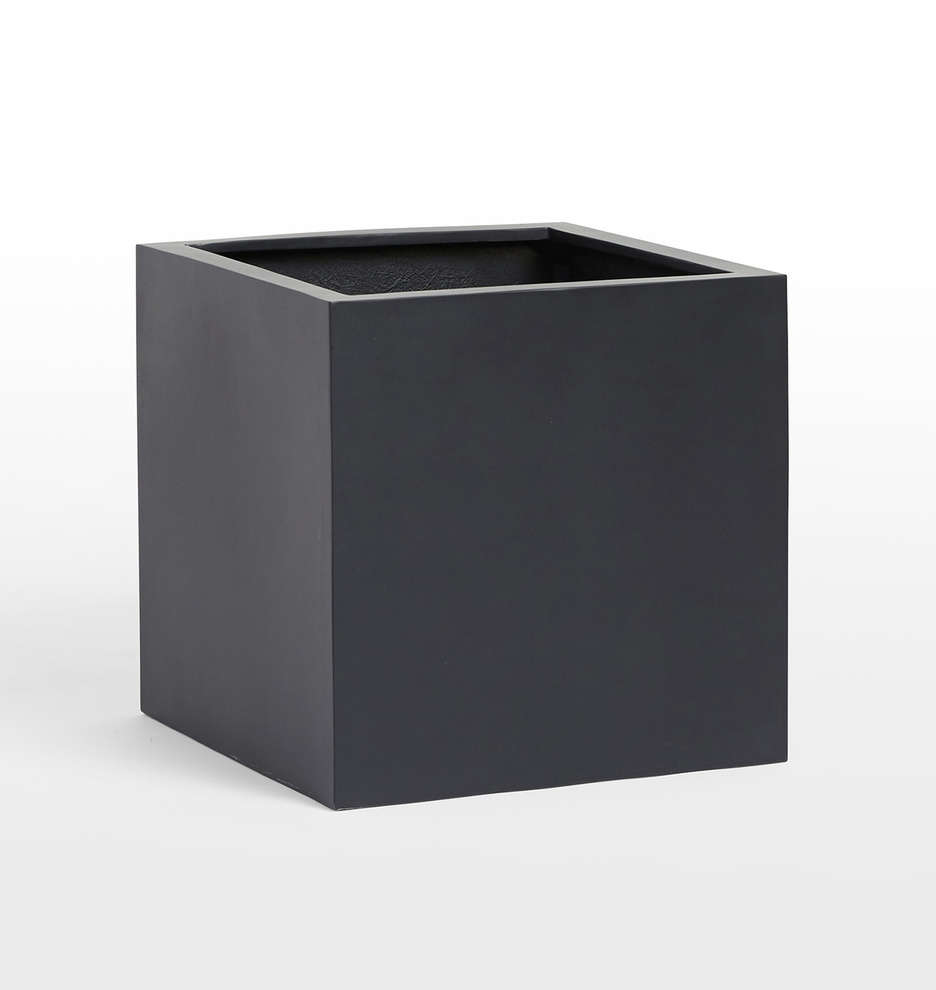
A Modern Fiberstone Square Planter is the kind of garden upgrade that looks calm, clean, and suspiciously expensive without demanding a team of landscapers, a forklift, or a dramatic home makeover montage. It brings the sleek geometry of contemporary design together with the practical strength of fiberstone, a composite material commonly made with stone powder, resin, and fiberglass reinforcement. The result is a planter that looks like stone but is usually easier to move, style, and maintain than traditional concrete or heavy ceramic pots.
Whether you are dressing up a front entry, organizing a patio, framing a restaurant walkway, or giving a lonely indoor ficus a more dignified home, the square fiberstone planter has become a favorite for modern spaces. Its straight sides, crisp corners, and substantial profile give plants visual structure. In other words, it helps your greenery look intentional instead of looking like it wandered onto the porch and decided to stay.
What Is a Modern Fiberstone Square Planter?
A modern fiberstone square planter is a decorative plant container with a square footprint and a contemporary silhouette. It is often designed for both indoor and outdoor use. The “fiberstone” part refers to a composite material that blends the natural look of stone with reinforcing fibers and resin. Many fiberstone planters are created to mimic concrete, limestone, metal, or natural stone finishes while staying lighter than solid stone.
The square shape is more than a style choice. It makes the planter easier to align with architectural elements such as doors, windows, columns, pavers, deck boards, and outdoor furniture. Round pots are charming, but square planters have that “I planned this” energy. They work especially well in modern, transitional, urban, minimalist, and commercial landscapes.
Why Fiberstone Works So Well for Modern Planters
It Offers the Look of Stone Without the Backache
Traditional stone and concrete planters are beautiful, but once filled with potting mix, water, and plants, they can become impressively immovable. A large concrete planter does not simply “move over a little.” It becomes part of the neighborhood. Fiberstone gives you a similar solid, upscale appearance while usually being lighter and easier to position.
This matters for patios, balconies, rooftops, retail entrances, and seasonal displays. If you like changing your layout as plants grow or as the weather changes, a fiberstone square planter gives you more flexibility. You can create a symmetrical entry one month and a cozy corner garden the next without calling three friends and bribing them with pizza.
It Handles Outdoor Conditions Better Than Many Decorative Pots
Fiberstone and related fiberglass-composite planters are valued for durability, weather resistance, and moisture resistance. They are commonly chosen for outdoor spaces because they can stand up to sun, rain, seasonal temperature swings, and daily use better than many fragile clay or thin ceramic options.
That does not mean every fiberstone planter is indestructible. Quality varies by manufacturer, finish, wall thickness, and care. But compared with many traditional decorative containers, a well-made modern fiberstone planter is a practical choice for homeowners and designers who want beauty with fewer maintenance headaches.
It Fits Both Residential and Commercial Spaces
The clean profile of a square fiberstone planter makes it useful in many settings. At home, it can anchor a front porch, soften a deck railing, or turn a plain balcony into a leafy retreat. In commercial spaces, it can define outdoor seating, guide foot traffic, add greenery to lobbies, or create a polished entrance for hotels, offices, shopping centers, and restaurants.
The planter’s shape also makes repetition easy. A row of matching square planters can create rhythm along a walkway. A pair can frame a doorway. A cluster of different sizes can add depth to a patio without looking cluttered. It is design math, but friendlier.
Design Benefits of the Square Shape
Clean Lines for Contemporary Style
Modern outdoor design often relies on simple forms, balanced proportions, and restrained materials. A square planter supports that look beautifully. Its strong vertical and horizontal lines complement concrete patios, wood decks, metal railings, glass doors, stone walkways, and neutral furniture.
For a minimalist look, choose one large black, charcoal, gray, or white fiberstone square planter with a sculptural plant. For a warmer style, use a stone-textured or sand-colored finish with ornamental grasses, herbs, or soft trailing plants. The planter acts like a frame, allowing the plant to become the artwork.
Better Space Efficiency
Square planters use corners well. They can sit neatly beside doors, along walls, at patio edges, or in tight balcony layouts. Compared with round pots, they can create a more organized footprint, especially when arranged in rows or groups.
This is useful for small-space gardening. A modern fiberstone square planter can hold herbs, compact shrubs, dwarf evergreens, annual flowers, succulents, or even small vegetables, depending on its size and drainage. On a balcony, three square planters can form a tidy mini garden without making the area feel like a botanical obstacle course.
A Strong Base for Statement Plants
The square shape visually balances upright plants. Snake plants, boxwoods, dwarf Alberta spruce, olive trees, ficus, palms, agave, lavender, rosemary, and ornamental grasses all look sharp in square planters. The planter’s geometry gives the planting a tailored appearance, even if the plant itself has a wilder personality.
Best Places to Use a Modern Fiberstone Square Planter
Front Entrances
Place two matching square fiberstone planters on either side of a front door for instant curb appeal. Try boxwood balls, dwarf conifers, tall grasses, or seasonal annuals. This arrangement works because symmetry naturally draws attention to the entry. It says, “Welcome,” but in a polished voice that probably owns matching outdoor sconces.
Patios and Decks
On a patio, square planters can define seating zones, add privacy, or break up large hardscape areas. A tall planter with bamboo, clumping grass, or upright evergreen shrubs can create a soft screen. Low square planters can hold colorful annuals, herbs, or succulents near dining and lounge areas.
Balconies and Rooftops
Fiberstone’s lighter weight compared with solid stone makes it attractive for balconies and rooftops, where weight and mobility matter. Always check building guidelines and load limits before placing large planters in elevated spaces. Once approved, square planters can turn a bare balcony into a stylish container garden with herbs, flowers, compact shrubs, and trailing vines.
Indoor Living Spaces
A modern fiberstone square planter also works indoors, especially in living rooms, offices, sunrooms, and entry halls. Use a saucer, liner, or nursery pot system to protect floors from moisture. Good candidates include fiddle leaf fig, rubber plant, monstera, ZZ plant, snake plant, dracaena, and other houseplants that enjoy stable indoor conditions.
How to Choose the Right Size
Size affects both style and plant health. A planter that is too small can dry out quickly and restrict roots. A planter that is too large may hold excess moisture if the plant’s root system is not big enough to use the water. The goal is balance.
For front doors, medium to large square planters often look best because they match the scale of the architecture. For tabletops or small patios, compact square planters are more appropriate. For shrubs, small trees, or privacy plantings, choose a deeper and wider planter that gives roots room to grow.
Large containers usually hold more potting mix, which helps retain moisture and supports larger root systems. This can reduce watering frequency and improve plant performance, especially in hot weather. However, large planters still need proper drainage and the right soil mix. Bigger is helpful, but bigger plus soggy is just a swamp with better branding.
Drainage: The Detail You Should Never Ignore
Drainage is one of the most important features of any planter. Most container plants need excess water to escape so oxygen can reach the roots. Without drainage, roots may sit in stagnant water, increasing the risk of root rot, disease, and plant decline.
For outdoor use, look for a modern fiberstone square planter with drainage holes or a design that allows holes to be added safely. If the planter includes removable plugs, use them strategically. Outdoor planters generally need open drainage. Indoor planters may use a cachepot system, where the plant remains in a plastic nursery pot inside the decorative planter, allowing you to remove it for watering.
A common myth is that a layer of gravel at the bottom of a pot improves drainage. In reality, drainage depends more on proper holes, suitable potting mix, and correct watering. Gravel can reduce usable soil space and may not solve soggy-root problems. Your plant does not want a decorative puddle basement.
Best Plants for a Modern Fiberstone Square Planter
For Full Sun
In sunny outdoor spaces, consider lavender, rosemary, ornamental grasses, lantana, agave, sedum, salvia, dwarf citrus, or compact evergreens. These plants can pair beautifully with the clean shape of a fiberstone square planter. Choose plants with similar light and water needs if combining multiple varieties in one container.
For Shade or Part Shade
For shaded patios and porches, try ferns, hostas, caladiums, begonias, coleus, heuchera, or shade-tolerant grasses. A charcoal or white square planter can make colorful foliage pop, especially in areas where flowers may be less reliable.
For Indoors
Indoor options include snake plant, ZZ plant, pothos, philodendron, peace lily, rubber plant, bird of paradise, and monstera. Match the plant to the available light. A modern planter can look fabulous, but it cannot magically turn a dark hallway into a tropical rainforest. Plants remain stubbornly botanical that way.
Styling Ideas for a Modern Fiberstone Square Planter
Use the Thriller, Filler, and Spiller Method
For mixed plantings, use the classic container formula: a tall “thriller,” a medium “filler,” and a trailing “spiller.” In a square planter, this can look especially balanced. For example, use purple fountain grass as the thriller, petunias or coleus as fillers, and sweet potato vine as the spiller. The square base keeps the arrangement tidy while the plants provide movement.
Create a Pair for Symmetry
Two identical square planters can instantly make an entrance look finished. Use matching plants for a formal effect or similar plants in different colors for a relaxed look. This works well with boxwood, topiary, dwarf conifers, palms, and seasonal flowers.
Cluster Different Sizes
For patios and decks, group square fiberstone planters in three sizes. Choose one tall planter, one medium planter, and one low planter. Keep the finish consistent for a modern look, then vary the plants for texture. This creates depth without visual chaos.
Go Monochrome
A matte black fiberstone square planter with deep green foliage is a classic modern combination. White planters with silver foliage feel fresh and coastal. Gray planters with ornamental grasses create a soft architectural look. A limited color palette often feels more expensive, even when the budget is very much wearing sweatpants.
Maintenance Tips
Fiberstone planters are generally low maintenance, but they still benefit from basic care. Clean the surface with mild soap, water, and a soft cloth. Avoid harsh abrasives, steel wool, or aggressive scrubbing tools that can dull or damage the finish.
For outdoor planters, check drainage holes occasionally to make sure they are not blocked by soil, roots, or debris. In cold climates, avoid letting water sit inside the planter during freezing weather. Elevating outdoor containers slightly on pot feet can improve drainage and airflow.
Refresh potting mix when needed, especially for annual displays or plants that have been growing in the same container for several seasons. Container soil breaks down over time, reducing aeration and drainage. Healthy soil is the quiet hero of container gardening; it does not get applause, but without it the whole show gets weird.
Modern Fiberstone Square Planter vs. Other Materials
Compared with concrete, fiberstone is usually lighter and easier to move. Compared with terracotta, it is often more resistant to cracking and weather exposure. Compared with thin plastic, it usually looks more substantial and architectural. Compared with metal, it may avoid heat buildup and corrosion concerns depending on finish and climate.
That said, every material has trade-offs. Concrete is extremely sturdy. Terracotta is breathable and classic. Plastic is budget-friendly and lightweight. Metal can look sleek and industrial. Fiberstone sits in the sweet spot for many people because it offers a high-end look, practical durability, and manageable weight.
Buying Checklist
Before purchasing a modern fiberstone square planter, review the size, weight, drainage system, finish, indoor/outdoor rating, and planting depth. Consider where it will live, what plant it will hold, how much sun the area receives, and how often you are willing to water.
If the planter will sit outdoors year-round, prioritize weather resistance and drainage. If it will sit indoors, focus on floor protection and proportion. If it will be used commercially, choose a durable finish, consistent sizing, and a style that matches the property’s architecture.
Experience Notes: Living With a Modern Fiberstone Square Planter
The first thing you notice when using a modern fiberstone square planter is how quickly it makes a space look more deliberate. A plain porch with a lonely welcome mat suddenly feels designed. A patio corner that once held a random collection of small pots becomes a focal point. The planter does not need to shout. It just stands there with crisp edges and quiet confidence, like it knows the Wi-Fi password and refuses to brag.
In real-life use, the square shape is surprisingly convenient. It lines up neatly against walls, steps, and furniture. There is less awkward wasted space than with some round containers, especially in narrow areas. On a balcony, a square planter can tuck into a corner and still provide enough planting volume for herbs, flowers, or a compact shrub. On a deck, matching square planters can create a soft boundary without making the space feel fenced in.
Another practical advantage is seasonal flexibility. In spring, a fiberstone square planter can hold tulips, pansies, parsley, and cool-weather annuals. In summer, it can shift to lantana, coleus, basil, salvia, or ornamental grasses. In fall, it looks handsome with mums, kale, asters, and trailing ivy. In winter, it can display evergreen branches, dwarf conifers, or holiday arrangements. A good planter becomes a year-round stage, and the plants are the rotating cast.
Watering is where experience teaches the most. A large square planter may not dry out as quickly as a tiny pot, but it still needs regular checking, especially in hot weather or windy locations. The best habit is to test the soil before watering. If the top inch or two feels dry, water deeply until excess moisture drains out. If the soil still feels damp, wait. Plants appreciate consistency; they do not enjoy being alternately ignored and drowned like a dramatic houseplant soap opera.
Drainage also becomes non-negotiable. Outdoor fiberstone planters should allow water to escape freely. If a planter is placed on a wood deck or finished patio, pot feet or risers can help prevent trapped moisture underneath. Indoors, a liner or nursery-pot system is often the safest approach. It keeps the decorative planter looking beautiful while protecting floors from surprise puddles, which are rarely part of a successful interior design plan.
From a styling perspective, the best results often come from restraint. One large modern fiberstone square planter with a healthy architectural plant can look better than five mismatched pots competing for attention. If using multiple planters, repeat the same color or finish to create unity. Matte black, soft gray, stone white, and warm taupe are especially versatile. These finishes work with modern farmhouse, urban contemporary, coastal, minimalist, and transitional spaces.
For beginners, the easiest planting approach is to choose one hero plant. Try a snake plant indoors, boxwood by the front door, rosemary on a sunny patio, or ornamental grass on a deck. Once you are comfortable with watering and placement, experiment with layered combinations. The modern fiberstone square planter is forgiving from a design standpoint because its clean shape keeps even energetic plantings looking organized.
The biggest lesson is simple: choose the planter before the plant only if you understand the plant’s needs. A beautiful square planter can elevate a space, but the plant still needs the right light, drainage, soil, and room to grow. When the planter and plant are well matched, the result is both stylish and sustainable. It is not just decoration; it is a small, living design system that improves the space every day.
Conclusion
A Modern Fiberstone Square Planter is a smart choice for anyone who wants contemporary style, durable construction, and flexible planting options. It offers the refined look of stone with a more manageable weight, making it useful for patios, porches, balconies, rooftops, indoor rooms, and commercial landscapes. Its square shape brings order, symmetry, and architectural polish to container gardening.
For the best results, choose the right size, confirm proper drainage, match plants to the light conditions, and care for the finish with gentle cleaning. Whether used as a pair at the front door, a privacy feature on a patio, or a statement container indoors, this planter proves that good design does not have to be complicated. Sometimes, it just needs four clean sides, healthy soil, and a plant with excellent posture.













