
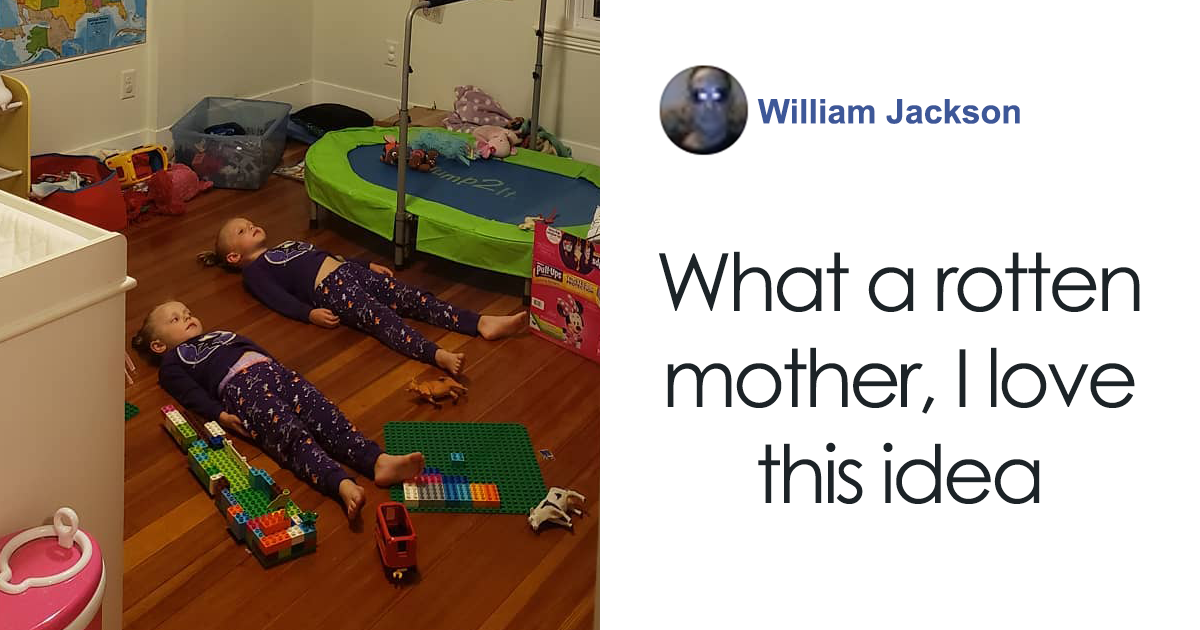
Every parent has reached that exact point in the evening when the house suddenly turns into a tiny circus with no union rules. One child is bouncing off the couch, another is wearing a blanket like a superhero cape, and bedtime is standing in the doorway like a tired referee. That is why the story of a mom telling her kids they needed to stay still to “charge” their glow-in-the-dark PJs hit the internet like a warm cup of tea with a side of genius.
The idea is simple, funny, and surprisingly effective: if the pajamas glow in the dark, they must need light. If they need light, they must be charged. And if they must be charged, clearly the children wearing them need to lie perfectly still under the light for a few peaceful minutes. Is it science? A little. Is it parenting theater? Absolutely. Is it also the kind of harmless bedtime hack that makes exhausted parents whisper, “Why didn’t I think of that?” Oh, very much yes.
This viral parenting moment is more than a cute story about kids in glowing pajamas. It reveals something bigger about bedtime routines, playful discipline, sensory needs, and the beautiful art of helping children calm down without turning every night into a negotiation worthy of Congress.
The Viral Glow-In-The-Dark PJ Trick That Parents Loved
The story centers on a mom who discovered that her children’s glow-in-the-dark pajamas could do more than look adorable after lights-out. She told her daughters that the pajamas needed to “charge” under the light before they would glow properly. The catch? The kids had to lie still while the PJs absorbed the light.
In the now-famous bedtime scene, the children stretched out quietly, waiting for their pajamas to power up like tiny human night-lamps. For parents used to chasing children through the hallway with a toothbrush in one hand and fading patience in the other, the image felt almost magical. A few minutes of stillness before bed? That is not a hack; that is domestic wizardry.
Part of the charm is that the trick contains just enough truth to make it believable. Glow-in-the-dark designs really do need exposure to light before they shine. The playful exaggeration is that the kids themselves must remain motionless for the process to work. In other words, the pajamas are charging, but the parenting strategy is doing the heavy lifting.
How Glow-In-The-Dark Pajamas Actually Work
Glow-in-the-dark items usually rely on phosphorescent materials. These materials absorb energy from light and slowly release it as a visible glow when the room becomes dark. That is why glow-in-the-dark stars, toys, stickers, and pajamas often shine brightest after being exposed to a lamp or sunlight.
So yes, “charging” glow-in-the-dark PJs is a real thing. The fabric or printed design needs light exposure before it glows. The funny part is that the pajamas do not require the child to lie completely still. A shirt can charge on a hanger. A pajama top can charge while a child does jumping jacks. The light does not care whether your preschooler is calm, dramatic, or pretending to be a dinosaur.
But bedtime does care. Parents care. The downstairs neighbor may also care. That is where the genius of the trick comes in. It turns a scientific fact into a calming ritual. The glow becomes the reward, the light becomes the setup, and stillness becomes part of the game.
Why This Parenting Hack Works So Well
It turns stillness into play
Most young children do not naturally respond with enthusiasm when told, “Please calm your body and prepare for sleep.” To them, that sounds like adult nonsense, right up there with “tax season” and “we need to leave the park soon.” But tell them their pajamas need to charge like a gadget, and suddenly the rule has a story.
Children often cooperate better when an instruction feels like imaginative play rather than a command. “Lie still because I said so” can trigger resistance. “Lie still so your dinosaur pajamas can glow at full power” gives the child a mission. The difference is small, but in parenting, small differences can save the evening.
It creates a transition from chaos to calm
Bedtime is not just about getting into bed. It is a transition. Children go from bright rooms, active play, snacks, screens, toys, noise, and family energy into darkness, quiet, and separation. That shift can feel abrupt, especially for young kids.
A glow-in-the-dark pajama “charging” routine creates a bridge between activity and sleep. The child is not being forced instantly from high-speed play to total silence. Instead, the routine says: first we charge, then we admire the glow, then we get cozy, then we sleep. That sequence feels predictable, and predictability is one of bedtime’s best friends.
It gives parents a peaceful pause
Let us be honest: parents need the pause too. A few quiet minutes can help an adult put away laundry, breathe, refill a water bottle, or simply stand in the hallway remembering their own name. The viral mom’s trick resonated because it gave children something fun to do while giving parents a small pocket of relief.
That does not make the parent lazy. It makes the parent resourceful. Raising children is not a contest to see who can suffer most heroically before bedtime. Sometimes good parenting looks like creativity, humor, and a lamp pointed at pajamas.
What Sleep Experts Say About Bedtime Routines
While the glow-in-the-dark pajama trick is playful, the foundation behind it is serious: bedtime routines matter. Pediatric sleep guidance commonly emphasizes consistency, calming activities, and predictable steps before bed. Brushing teeth, putting on pajamas, reading a book, turning down lights, and keeping a regular bedtime can all help signal to a child’s body that sleep is coming.
Children need different amounts of sleep depending on age. Toddlers often need around 11 to 14 hours in a 24-hour period, preschoolers often need 10 to 13 hours, and school-age children generally need 9 to 12 hours. When kids do not get enough rest, bedtime can become harder the next night because overtired children are not always sleepy-looking. Sometimes they look suspiciously like tiny parkour athletes.
A calming routine does not have to be fancy. In fact, simple is usually better. A bedtime routine that takes 20 to 30 minutes and happens in the same order each night is easier for children to understand and easier for parents to repeat without needing a laminated flowchart and emotional support snacks.
The Pajama Trick and Sensory Needs
One reason this story connected with so many families is that the mom reportedly used the routine as part of helping her children settle their bodies, including in the context of sensory processing challenges. Some children are especially sensitive to noise, crowds, textures, lights, clothing seams, or busy environments. Others seek extra movement and input, which can make winding down complicated.
For sensory-sensitive kids, a bedtime routine may need more than “go brush your teeth.” They may benefit from calm lighting, soft clothing, predictable steps, gentle pressure, quiet stories, warm baths, or other strategies recommended by an occupational therapist or pediatric professional. The key is not copying one viral hack exactly. The key is understanding why it worked: it gave the children structure, stillness, and a playful reason to regulate their bodies.
Parents should also remember that sensory needs are highly individual. One child may love glow-in-the-dark pajamas. Another may find the fabric uncomfortable or the glow distracting. A parenting hack is only a hack if it helps the actual child in the actual room, not the imaginary child from a comment section.
Are Glow-In-The-Dark Pajamas Safe?
In general, glow-in-the-dark clothing made for children is designed for everyday wear, but parents should still shop carefully. In the United States, children’s sleepwear is subject to safety standards related to flammability. Many children’s pajamas must either be flame resistant or fit snugly according to specific rules. That is why some children’s pajama sets fit closer to the body than regular play clothes.
Parents should check labels, follow washing instructions, and avoid sleepwear that is damaged, heavily worn, or missing safety information. It is also smart to choose breathable fabrics, avoid rough decorations that irritate skin, and make sure the size is appropriate. Glow is fun, but comfort wins. A pajama set can look like a galaxy and still be rejected by a child because one sleeve “feels weird.” Any parent who has battled sock seams understands.
Another practical point: glow-in-the-dark pajamas should not replace a safe sleep environment. Children still need a comfortable room, a reasonable temperature, and a bedtime setup that supports rest. The glow should be a fun feature, not a full-room light show that keeps everyone awake like a tiny pajama nightclub.
How To Try The Glow-In-The-Dark PJ Hack At Home
Step 1: Make it part of the routine
Do not introduce the trick in the middle of a meltdown if you can avoid it. Add it to the normal bedtime sequence. For example: bath, pajamas, teeth, pajama charging, story, lights out. When the same steps happen each night, children know what to expect.
Step 2: Keep the “charging station” calm
Choose a safe spot under a bedroom light or hallway light where your child can lie down or sit quietly. You can call it the charging station, moonbeam station, pajama power pad, or whatever name makes your child giggle without turning the whole thing into a wrestling event.
Step 3: Use a timer
A short timer can help. Two to five minutes may be enough for the ritual. The goal is not to create a military inspection of stillness. The goal is to help the child slow down. If they wiggle a little, the pajamas will survive emotionally.
Step 4: Celebrate the glow, then move on
After the “charge,” turn off the light and let your child enjoy the glow for a moment. Then continue the routine. If the glow becomes too exciting, shorten the admiration period. Bedtime magic is best when it does not become a 45-minute pajama festival.
Why Harmless Parenting “White Lies” Are So Common
Parents have always used little stories to guide children through daily life. The tooth fairy makes losing teeth less strange. Santa adds sparkle to the holidays. The “toy store is sleeping” has probably saved many families from a checkout-line debate. The glow-in-the-dark pajama trick belongs to this tradition of gentle, imaginative parenting.
The important word is gentle. A harmless white lie should reduce stress, create fun, or help a child cooperate with something healthy. It should not scare, shame, or confuse them in a way that damages trust. Telling kids that pajamas charge better when they stay still is playful. Telling them a monster checks whether they brushed their teeth is less ideal, unless you enjoy creating bedtime problems with extra steps.
Eventually, children may figure out that the PJs do not require stillness. That moment does not have to ruin the ritual. Parents can laugh and say, “You caught me. The light charges the pajamas, but staying still helps your body charge for sleep.” Congratulations: the hack has now evolved from trick to metaphor.
The Bigger Lesson: Make Bedtime Feel Like Teamwork
The reason this story keeps circulating is not only because it is funny. It also captures a truth about parenting: children often respond better when they feel included in the process. Instead of making bedtime a battle between parent and child, the pajama trick makes the child part of the mission.
Kids are not just being ordered to stop moving. They are helping their pajamas glow. They are testing a bedtime experiment. They are participating in a small ritual that gives them agency. That sense of involvement can lower resistance and make the evening feel less like a shutdown and more like a shared routine.
Of course, no trick works forever. Children grow. They ask questions. They develop scientific skepticism at inconvenient times. One night, your child may announce, “Actually, Mom, the pajamas charge whether I move or not.” At that point, simply congratulate your tiny physicist and pivot to the next strategy.
of Real-Life Experience: What This Trick Feels Like in an Actual Home
Imagine the scene: dinner is over, dishes are making a bold attempt to become a permanent kitchen installation, and the kids have discovered a mysterious second wind. It always arrives around bedtime, never around “please put your shoes away” time. The glow-in-the-dark pajamas come out, and suddenly the room changes. The children stop arguing about whose stuffed animal looked at whom. They want the glow.
The parent lowers their voice and says, “Okay, these pajamas need a strong charge tonight.” Instantly, the ordinary bedroom light becomes important. The floor becomes a charging dock. The children lie down with the seriousness of astronauts preparing for launch. One whispers, “Am I glowing yet?” Another asks whether rolling over will make the sleeves less powerful. The parent, now fully committed to the bit, says, “Better stay still just in case.”
For a few minutes, there is peace. Not perfect peace, obviously. Someone will ask a question. Someone will sneeze. Someone may attempt to test whether toes charge faster than elbows. But compared with the usual bedtime rodeo, it feels like a miracle with cotton cuffs.
The best part is the mood shift. The parent is no longer barking instructions. The kids are no longer treating bedtime like a legal challenge. Everyone is participating in a silly little ritual. The children feel clever because they are doing something important. The parent feels clever because, for once, the laws of physics and the needs of bedtime are on the same team.
Then comes the reveal. The lights go off, and the pajamas glow. Maybe they shine brightly. Maybe they glow faintly because the laundry has been through many wash cycles and the magic is running on low battery. Either way, the kids are delighted. They admire their sleeves, their stars, their dinosaurs, their rockets, or whatever design has become the evening’s main character.
Over time, the routine can become less about tricking and more about winding down. The child may start asking for pajama charging because it feels comforting. It is a predictable pause between the loud part of the day and the quiet part of the night. For some families, that pause is exactly what bedtime was missing.
There will be imperfect nights. A child may refuse to charge. A sibling may declare themselves “already fully powered.” Someone may use the glowing pajama sleeve as a flashlight and start a stuffed-animal inspection. That is normal. No parenting hack turns children into tiny monks. The goal is not perfection. The goal is a calmer rhythm, a little laughter, and maybe enough stillness for everyone’s nervous system to stop doing cartwheels.
The glow-in-the-dark pajama trick works because it respects something children love: imagination. It also respects something parents need: a practical way to get from chaos to bedtime without losing their entire personality. It is not a cure-all, and it will not replace consistency, patience, or a good sleep routine. But as a small tool in the parenting toolbox, it is charming, low-cost, and delightfully sneaky.
Conclusion: A Tiny Glow, A Big Parenting Win
The mom who told her kids they needed to stay still to charge their glow-in-the-dark PJs did more than create a viral parenting moment. She reminded tired families everywhere that bedtime does not always have to be won through force, frustration, or repeating “please lie down” until the words lose meaning. Sometimes, the better answer is play.
Glow-in-the-dark pajamas really do need light to shine, but the true glow in this story is the creativity behind the routine. By turning stillness into a game, the mom created a moment of calm, helped her children transition toward sleep, and gave the internet a parenting hack that feels both hilarious and useful.
For families looking to try it, the formula is simple: choose safe, comfortable pajamas, build the charging ritual into a predictable bedtime routine, keep it calm, and let the glow be the reward. It may not work for every child, every night, but when it does, it is pure bedtime gold.













