
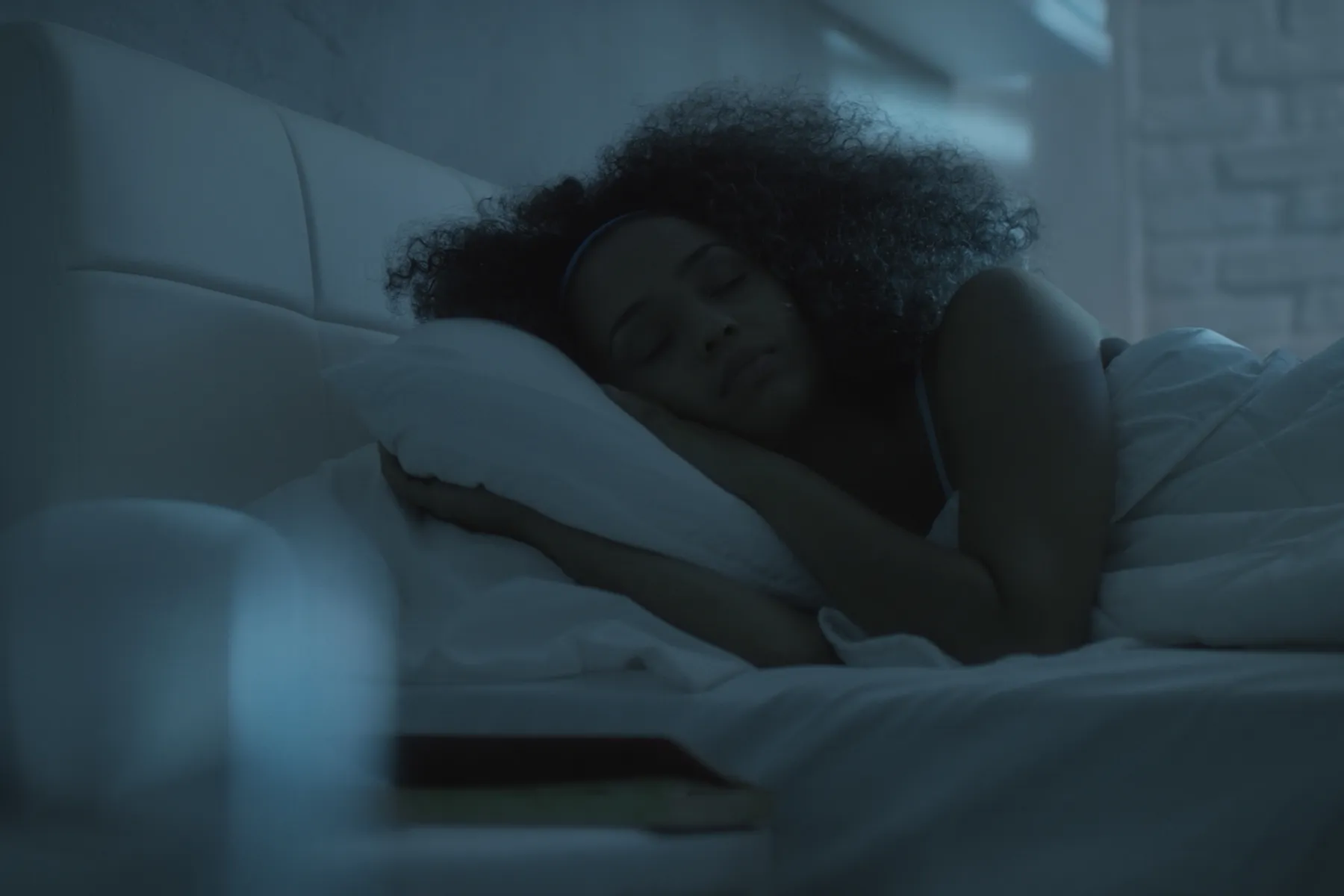
Sleep has a public relations problem. Everyone says they love it, yet millions of people treat it like an optional software update: “Remind me later.” We sacrifice sleep for work, streaming, scrolling, late-night snacks, unfinished chores, and the mysterious belief that tomorrow’s version of ourselves will somehow be energetic, patient, and hydrated. Spoiler alert: tomorrow’s version usually wants coffee and a small apology.
A good night’s sleep is not just a luxury, a reward, or something reserved for people with perfect pillows and no unread emails. It is a biological necessity that affects memory, mood, metabolism, immune function, heart health, reaction time, and emotional balance. Healthy sleep is not only about the number of hours you spend in bed. It also includes sleep quality, consistency, timing, and whether you wake up feeling restored instead of feeling like your alarm clock personally betrayed you.
Unfortunately, sleep myths are everywhere. Some sound harmless, like “I can catch up on sleep this weekend.” Others are risky, such as “snoring is just annoying” or “alcohol helps me sleep better.” This guide separates common sleep myths from science-backed facts, then turns those facts into practical habits you can actually use tonight.
Why a Good Night’s Sleep Matters
Sleep is active recovery. While you are unconscious to the drama of group chats and grocery lists, your body is busy regulating hormones, supporting immune defenses, repairing tissue, processing memories, clearing metabolic waste from the brain, and preparing your nervous system for another day of decisions. In other words, sleep is not your body doing nothing. It is your body holding a very productive overnight staff meeting.
Adults generally need at least seven hours of sleep per night, though individual needs vary. Teenagers, children, and babies need more because growth and brain development are demanding jobs. Older adults still need solid sleep too, even though their sleep may become lighter or more fragmented with age.
When sleep is consistently too short or poor in quality, the effects can show up quickly: brain fog, irritability, slower reaction time, cravings, reduced concentration, and lower motivation. Over time, chronic sleep deficiency is associated with higher risks of high blood pressure, diabetes, obesity, depression, heart disease, stroke, and accidents. That is a long list, and not exactly the kind of club anyone wants to join.
Myth 1: “I Can Function Perfectly on Five Hours of Sleep”
Fact: Most Adults Need at Least Seven Hours
Some people proudly announce they only need five hours of sleep, as if sleep deprivation were an Olympic sport. A very small number of people may naturally function on less sleep because of rare genetic traits, but most adults are not members of that tiny biological VIP room.
For the average adult, regularly sleeping less than seven hours can reduce attention, memory, decision-making, emotional control, and physical performance. The tricky part is that sleep-deprived people often underestimate how impaired they are. You may feel “used to it,” but your brain may simply have lowered its standards. That is not adaptation; that is your nervous system negotiating under pressure.
Good sleep is not measured by toughness. It is measured by how well you function, how alert you feel during the day, and how consistently your body can recover.
Myth 2: “Older Adults Need Less Sleep”
Fact: Sleep Patterns Change, But Sleep Needs Remain Important
It is true that sleep often changes with age. Older adults may wake up earlier, spend less time in deep sleep, wake more during the night, or feel sleepy earlier in the evening. But that does not mean sleep becomes less important. Many older adults still need about seven to nine hours of sleep, even if getting it becomes more challenging.
Medical conditions, pain, medications, anxiety, depression, sleep apnea, and restless legs syndrome can all interfere with sleep in later life. So when an older adult says, “I just do not sleep anymore,” it should not be brushed off as normal aging. Poor sleep can affect memory, mood, balance, energy, and overall quality of life.
The better takeaway is this: aging may change the route to good sleep, but it does not cancel the destination.
Myth 3: “Alcohol Helps You Sleep Better”
Fact: Alcohol May Make You Drowsy, But It Disrupts Sleep Quality
A nightcap may make you feel sleepy faster, but alcohol is a sneaky sleep saboteur. It can fragment sleep later in the night, reduce restorative sleep, worsen snoring or sleep apnea symptoms, and cause early-morning wakeups. It is like hiring a lullaby singer who turns into a marching band at 3 a.m.
Alcohol can also increase bathroom trips, dehydration, and body temperature changes, all of which make sleep less stable. If you drink, keeping alcohol earlier in the evening and moderate in amount is friendlier to sleep than using it as a bedtime tool.
Myth 4: “Snoring Is Harmless”
Fact: Loud, Chronic Snoring Can Signal Sleep Apnea
Occasional snoring can happen because of congestion, sleep position, alcohol, or anatomy. But loud, frequent snoringespecially with gasping, choking, pauses in breathing, morning headaches, dry mouth, or daytime sleepinessmay be a sign of obstructive sleep apnea.
Sleep apnea is not just a bedroom noise issue. It can reduce oxygen levels during sleep and place stress on the cardiovascular system. It is linked with daytime fatigue, high blood pressure, heart problems, and increased accident risk. If your snoring sounds like a chainsaw arguing with a leaf blower, it may be time to talk with a healthcare professional.
Myth 5: “Catching Up on the Weekend Fixes Everything”
Fact: Recovery Sleep Helps, But Consistency Matters
Sleeping in after a rough week can help you feel better, but it does not fully erase the effects of repeated sleep loss. A weekend sleep marathon may reduce some sleepiness, but it can also shift your internal clock, making Sunday night harder and Monday morning more dramatic than necessary.
Your circadian rhythm loves routine. Going to bed and waking up at consistent times, even on weekends, helps regulate sleep pressure, hormones, digestion, mood, and alertness. You do not need military precision, but a stable schedule is one of the most powerful sleep hygiene habits.
Myth 6: “Screens Do Not Affect My Sleep”
Fact: Light, Stimulation, and Endless Scrolling Can Delay Sleep
Phones, tablets, laptops, and TVs can interfere with sleep in more than one way. Bright light in the evening can delay the body’s natural melatonin rhythm. Even more importantly, digital content is stimulating. One minute you are checking the weather; twenty minutes later you are watching a raccoon wash grapes and questioning your life choices.
Sleep improves when the brain gets a predictable wind-down signal. Try dimming lights, putting devices away at least 30 to 60 minutes before bed, using night settings when needed, and replacing scrolling with something boring in the best possible way: reading, gentle stretching, calming music, or breathing exercises.
Myth 7: “If I Cannot Sleep, I Should Stay in Bed Until I Do”
Fact: Lying Awake Can Train Your Brain to Associate Bed With Stress
When you cannot sleep, staying in bed for hours can turn the mattress into a worry desk. Your brain starts connecting bed with frustration, clock-watching, and mental reruns of conversations from 2014.
If you are awake for a while and feel increasingly alert, get out of bed and do something quiet in low light. Read something calm, listen to soft audio, or practice breathing. Return to bed when sleepy. The goal is to teach your brain that bed is for sleep, not for solving your entire life at midnight.
Myth 8: “Naps Are Always Bad”
Fact: Smart Naps Can Help, But Timing Matters
Naps are not the enemy. In fact, a short nap can boost alertness, mood, and performance, especially after a poor night. The problem is napping too long or too late. Long naps can leave you groggy, and late naps can steal sleep pressure from bedtime.
For most adults, a nap of about 10 to 30 minutes earlier in the day works best. Think of it as a system refresh, not a full shutdown. If you need long naps every day just to function, that may be a sign your nighttime sleep needs attention.
Myth 9: “Sleep Supplements Are a Long-Term Solution”
Fact: Supplements May Help Specific Problems, But Habits Come First
Melatonin is often misunderstood. It is a hormone involved in sleep timing, not a magic knockout button. It may help with jet lag, circadian rhythm shifts, or certain timing-related sleep problems, but it is not the best answer for every sleepless night.
Supplements can vary in dose and quality, and they may interact with medications or medical conditions. Long-term insomnia is better addressed by identifying the cause and using proven strategies such as cognitive behavioral therapy for insomnia, consistent sleep schedules, light management, stress reduction, and medical evaluation when needed.
In plain English: a pill should not be asked to do the job of a routine, a dark room, a calmer evening, and a doctor when symptoms are persistent.
What Actually Builds a Good Night’s Sleep?
1. Keep a Consistent Wake-Up Time
Your wake-up time is the anchor of your sleep schedule. Waking at roughly the same time every day helps set your internal clock. Even if bedtime varies, a steady wake time supports stronger sleep pressure the next night.
2. Get Morning Light
Bright light in the morning tells your brain that the day has started. This helps regulate circadian rhythm and can make nighttime sleepiness arrive more predictably. Outdoor light is especially helpful, even on cloudy days.
3. Create a Wind-Down Routine
Your brain is not a laptop; it does not instantly shut down because you closed the lid. A calming routine gives your body a transition period. Try reading, stretching, journaling, taking a warm shower, listening to soft music, or preparing tomorrow’s essentials so your brain does not rehearse the morning schedule at 12:47 a.m.
4. Make the Bedroom Cool, Dark, and Quiet
A sleep-friendly bedroom is cool, dark, quiet, and comfortable. Many sleep experts recommend a cooler room, often around 60 to 67 degrees Fahrenheit, though personal comfort matters. Blackout curtains, eye masks, earplugs, fans, or white noise can help reduce disruptions.
5. Watch Caffeine Timing
Caffeine can last for hours. Even if you can fall asleep after an afternoon coffee, it may still reduce sleep quality. If sleep is a struggle, try moving caffeine earlier in the day and observing whether your sleep improves.
6. Avoid Heavy Meals Close to Bedtime
Large meals late at night can trigger reflux, discomfort, and digestive activity that competes with sleep. A light snack is fine for some people, but a giant spicy dinner right before bed is not exactly a lullaby for your stomach.
7. Move During the Day
Regular physical activity supports better sleep, mood, and energy. Exercise does not need to be extreme. Walking, cycling, strength training, yoga, or active chores can help. If intense workouts close to bedtime make you feel wired, schedule them earlier.
When to Get Professional Help
Everyone has an occasional bad night. Stress, travel, illness, parenting, deadlines, and life in general can interrupt sleep. But persistent sleep problems deserve attention. Consider talking with a healthcare professional if you regularly struggle to fall asleep, wake often, snore loudly, gasp during sleep, feel sleepy while driving, wake unrefreshed, or rely on sleep aids frequently.
Sleep disorders are common and treatable. Insomnia, sleep apnea, restless legs syndrome, circadian rhythm disorders, and medication-related sleep problems can often improve with the right diagnosis and plan. You do not have to accept exhaustion as your personality.
Real-Life Experiences: What Better Sleep Looks Like in Everyday Life
The science of sleep becomes more useful when it leaves the textbook and enters the bedroom, the office, the school pickup line, and the kitchen at 10 p.m. Consider the experience of a busy professional who insists that late-night productivity is the secret to success. Every evening, she opens her laptop after dinner “just for thirty minutes.” Two hours later, she has answered emails, checked social media, compared air fryers she does not need, and lost all sense of time. She gets into bed with her brain buzzing like a refrigerator with opinions. Her problem is not laziness or weakness. Her body simply never received a proper shutdown routine.
When she starts protecting the last hour before bed, the change is not instant magic, but it is noticeable. She dims the lights, sets her phone across the room, writes tomorrow’s top three tasks on paper, and reads a few pages of a mildly interesting book. Within two weeks, falling asleep feels less like a negotiation. Morning coffee still exists, because civilization must continue, but it is no longer doing emergency rescue work.
Another common experience is the weekend catch-up cycle. A college student sleeps five or six hours during the week, then sleeps until noon on Saturday. At first, it feels glorious. By Sunday night, though, bedtime becomes impossible. Monday morning arrives with the emotional tone of a court summons. The student assumes he has insomnia, but the real issue is social jet lag: his body clock is being dragged back and forth every week. When he keeps his weekend wake time closer to his weekday schedule and uses short afternoon naps instead of half-day hibernation, Mondays become less brutal.
Parents often face a different version of the sleep puzzle. A working parent may finally get quiet time after the kids are asleep and feel tempted to reclaim the night with shows, snacks, and scrolling. This “revenge bedtime procrastination” makes emotional sense. The day belonged to everyone else; the night feels personal. But the cost arrives the next morning in the form of impatience, cravings, and a heroic dependence on caffeine. A gentler solution is not removing pleasure, but moving it earlier and making bedtime feel like care rather than punishment. A warm shower, comfortable pajamas, and a short show with a firm stop time can preserve personal time without stealing tomorrow’s energy.
Older adults may experience sleep differently. Someone in their late sixties might wake at 4:30 a.m. and assume sleep is simply “over” at that age. But after reviewing medications, reducing late naps, getting morning sunlight, treating pain, and keeping evenings calmer, sleep can improve. The goal may not be teenage-level unconsciousness. The goal is better quality, fewer disruptions, safer daytime alertness, and waking with enough energy to enjoy life.
These examples show that a good night’s sleep is rarely created by one heroic change. It is usually built from small, repeatable choices: a steady wake time, morning light, less caffeine late in the day, a cooler bedroom, fewer screens at night, and a calmer relationship with rest. Sleep is not a moral test. It is a rhythm. When you respect that rhythm, your body often responds like an overworked employee finally given clear instructions and a decent chair.
Conclusion: The Truth About a Good Night’s Sleep
A good night’s sleep is not about perfection. It is about giving your body enough time, consistency, and the right environment to do what it already knows how to do. The biggest sleep myths usually encourage people to ignore fatigue, normalize poor rest, or search for shortcuts. The facts point in a different direction: most adults need at least seven hours, sleep quality matters, routines work, alcohol is not a sleep solution, snoring can be serious, and chronic sleep problems deserve care.
Better sleep begins with respect. Respect your schedule. Respect your bedroom. Respect your wind-down time. And most importantly, respect the fact that your brain and body are doing essential maintenance while you sleep. You would not drive a car forever without fuel, oil, or repairs. Try not to do that to yourself either.













