
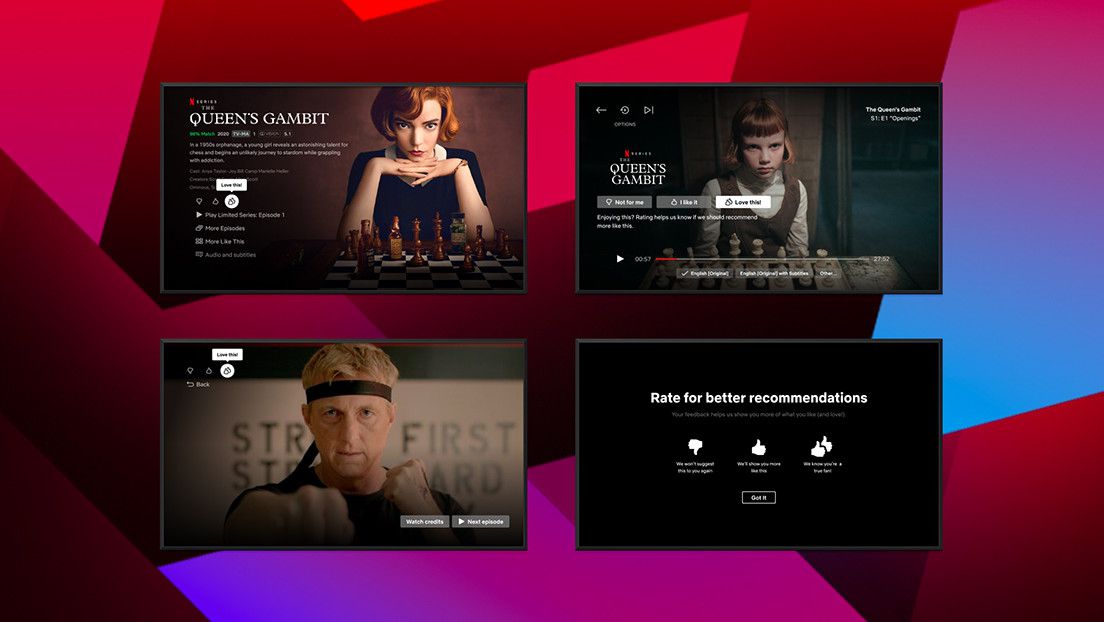
Netflix has spent years trying to solve one of modern life’s most dramatic problems: you open the app to relax, then somehow spend 27 minutes staring at posters while questioning every decision that led you here. In that spirit, Netflix introduced a small but surprisingly meaningful feature: a button that lets viewers give shows and movies Two Thumbs Up.
At first glance, it looks like a tiny interface tweak. One more button. One more tap. No big deal, right? Not quite. This new Netflix button is a bigger deal than it seems because it changes the way viewers communicate with the platform. Instead of saying, “Yeah, I liked that,” users can now say, “No, reallyI loved that. Give me more of this energy.” And in the world of streaming recommendations, that extra signal matters.
For viewers, the feature is simple. For Netflix, it is part of a much larger personalization strategy. And for anyone who has ever watched one excellent thriller and then been recommended six random baking shows for reasons known only to the algorithm gods, the update feels overdue.
What Is Netflix’s Two Thumbs Up Button?
The Two Thumbs Up button is Netflix’s way of letting members mark a title as something they really love. It sits alongside the existing thumbs-up and thumbs-down options. In plain English, it gives Netflix a clearer signal about what kinds of series and films you want more of in your feed.
That means this is not just a fancier “like” button. It is a way to tell Netflix that a specific title hit the sweet spotmaybe because of its genre, tone, pacing, cast, writing style, or all of the above. If a regular thumbs up says, “That was pretty good,” then two thumbs up says, “Yes. More of that. Immediately. Preferably before I forget the title.”
This matters because Netflix is not trying to build a universal scoreboard for every title. Its system is built around personalized recommendations. So the point of your rating is not to create a public average. The point is to train your profile.
Why Netflix Added the Feature
Netflix did not add the button just to make the interface look busier. The company added it because many viewers wanted a better way to separate things they merely enjoyed from things they genuinely loved.
That distinction is more important than it sounds. Think about it this way: you may enjoy a sitcom enough to finish it while folding laundry, but absolutely adore a dark crime drama, a comforting rom-com, or a prestige limited series with a soundtrack that makes you feel suspiciously cinematic while eating leftover pizza. Those reactions are not the same, and Netflix wanted a way to capture that difference.
Company executives described the feature as a more nuanced preference signal. In other words, viewers had been telling Netflix, directly and indirectly, that the old system was a little too blunt. A single thumbs up was useful, but it did not always reflect stronger enthusiasm. The new button helps solve that.
From “Like” to “Love”
The smartest thing about the feature is not the icon itself. It is the emotional logic behind it. Human taste is messy. Sometimes we casually enjoy a show. Sometimes we become mildly obsessed, recommend it to friends, read interviews with the cast, and pretend we are “just curious” instead of fully invested.
Netflix understands that user behavior exists on a spectrum. By giving viewers a way to indicate love instead of simple approval, the service can fine-tune its recommendations with more confidence. That helps reduce noise in the homepage and improves the odds that the next suggestion actually feels relevant.
How the Button Fits Into Netflix’s Recommendation System
Netflix’s recommendation engine is famously central to the service. The platform does not simply throw content onto a homepage and hope for the best. It ranks rows, orders titles, chooses what appears first, and continuously updates those decisions based on viewing behavior and feedback.
That feedback comes from several signals: what you start, what you finish, what you abandon halfway through, what you replay, and how you rate titles. The new Two Thumbs Up button becomes part of that larger system.
Importantly, Netflix has indicated that this is not a crude “double weight” formula where one two-thumbs-up magically equals two regular likes. It is better understood as an additional, stronger preference inputanother clue that helps the recommendation system understand your taste.
So if you use Two Thumbs Up on a title, Netflix may begin surfacing more content that shares meaningful characteristics with it. That could mean similar genres, adjacent moods, familiar actors, related themes, or titles that appeal to viewers with overlapping tastes. It is less about one exact clone of the show you loved and more about expanding the neighborhood around your favorite picks.
Why This Matters for User Experience
Streaming libraries are enormous. That sounds luxurious until you are hungry, tired, indecisive, and being emotionally bullied by 8,000 thumbnails. At that point, bigger is not always better. Better recommendations are better.
Netflix has spent years trying to reduce what many users call choice fatigue. The company has introduced tools like Top 10 rows, Play Something, and improvements to the Continue Watching row. Two Thumbs Up fits naturally into that broader strategy. It gives users more control while giving Netflix cleaner data.
That combination matters because personalization only works when users can easily teach the system what they want. The easier it is to send a strong signal, the better the recommendations can become over time.
A Brief History: From Five Stars to Thumbs
To understand why Two Thumbs Up matters, it helps to remember that Netflix used to rely on a five-star rating system. Back in 2017, the company replaced stars with the simpler thumbs-up and thumbs-down model after testing showed far more rating activity with the thumb-based approach.
The company’s reasoning was straightforward: many users misunderstood what stars were for. People often treated stars like a universal review system, the way they would on shopping or restaurant platforms. But Netflix wanted ratings to function as a taste signal, not a public vote on artistic worth.
That shift was important because a viewer might think an acclaimed documentary deserves five stars while still preferring to watch goofy action comedies on a regular Tuesday night. Netflix is less interested in what you think is “important” and more interested in what you are actually likely to enjoy watching. Very different mission. Very different couch behavior.
The thumbs system simplified the question. Do you want more stuff like this or not? Two Thumbs Up is the next step in that evolution. It keeps the simplicity of thumbs while adding a more expressive option.
What Two Thumbs Up Does Not Mean
This feature is useful partly because of what it does not do.
It Is Not a Public Review Score
Two Thumbs Up does not mean a title is objectively better than one with a single thumbs up. It means you loved it more. Netflix is not asking you to join a jury panel for television. It is asking you to help train your profile.
It Is Not a Guarantee of Perfect Recommendations
Even with stronger signals, recommendation systems are still recommendation systems. They are smart, but not psychic. If you watch one holiday rom-com because your aunt is visiting and suddenly your homepage becomes a snow-covered village sponsored by cocoa, that is not personal betrayal. That is the algorithm doing its best with imperfect evidence.
It Is Not the Same as “Most Popular”
Popularity and personal taste are not identical. A title can trend in the Top 10 and still be a terrible fit for your profile. Likewise, a quiet gem can become one of your favorite discoveries without ever dominating social media. Two Thumbs Up helps Netflix distinguish what is broadly hot from what is specifically right for you.
How Viewers Can Use the Feature Strategically
Yes, strategically. We are now discussing streaming ratings with the seriousness of fantasy football, and honestly, that feels appropriate.
Use It Sparingly
If you give everything Two Thumbs Up, then nothing really stands out. The feature works best when reserved for titles you truly love. Think of it as the difference between nodding politely and standing on a table yelling, “This one! More like this one!”
Rate Titles Soon After Watching
Your reaction is most useful when it reflects what you actually felt after watching. If a show hooked you, rate it. If a movie was fine but forgettable, a regular thumbs upor no rating at allmight be more accurate.
Remember That Habits Matter Too
Ratings are not the only signal Netflix uses. What you finish, rewatch, search for, and ignore all contribute to the picture. That means a smart viewing profile is built from both your explicit feedback and your actual behavior. In streaming, as in life, your actions are very loud.
Why This Small Change Was a Smart Product Move
From a product design perspective, Two Thumbs Up is a classic example of a small UI change with meaningful downstream impact. It does not ask users to learn a complicated system. It does not clutter the experience with a rating scale, review box, or unnecessary friction. It simply adds one intuitive option that maps neatly to real human behavior.
That is good product design. The button is easy to understand, easy to use, and valuable to both sides. Users get better recommendations. Netflix gets better preference data. Everybody wins, except perhaps the random titles that used to sneak onto your homepage through pure algorithmic confusion.
The feature also reflects a broader truth about streaming platforms: the battle is no longer just about having content. It is about helping users find the right content fast enough to keep them engaged. In a crowded entertainment market, discovery is part of the product.
The Bigger Lesson About Streaming in 2026 and Beyond
The rise of tools like Two Thumbs Up shows how streaming services are evolving from giant libraries into increasingly personalized entertainment environments. The interface is no longer just a shelf. It is a conversation between you and the system.
Every tap, skip, replay, and rating helps shape what appears next. That means small features can have an outsized effect on user satisfaction. When viewers feel that a service “gets” them, they stay longer, watch more, and browse less aimlessly. When the recommendations feel random, frustration sets in fast.
So while a Two Thumbs Up button may seem like a modest update, it reflects a much bigger trend in streaming: platforms want richer signals, and viewers want less friction. The sweet spot is where those needs meet.
Real-World Experiences With Netflix’s Two Thumbs Up Feature
Here is where the feature becomes especially relatable. In real-world use, Two Thumbs Up is less about technology and more about the emotional rhythm of watching TV at home. Most people do not think in product language. They think in moods. “I want something funny.” “I want a thriller but not one that ruins my sleep.” “I want a comfort show that feels like a warm blanket and maybe also a tax deduction.”
That is why the button can feel surprisingly satisfying in practice. Imagine finishing a series that absolutely lands for yougreat pacing, characters you love, a finale that does not collapse into nonsense, which is already a minor miracle. A regular thumbs up feels polite. Two Thumbs Up feels honest. It captures the difference between “that was good” and “I am going to tell three friends to watch this tonight.”
Many viewers also experience the feature as a way to clean up future browsing. When used consistently, it can make a profile feel less generic over time. The homepage starts leaning more toward your real preferences and less toward broad, catch-all suggestions. You may notice more titles that match your favorite tone, more actors you tend to enjoy, or more genres that reflect your actual habits rather than your accidental viewing detours.
It is especially helpful for people whose taste is specific. Maybe you love slow-burn mysteries, stylish international dramas, heartfelt documentaries, or chaos-filled reality shows that you publicly describe as “sociological studies.” A stronger signal helps Netflix understand that these are not random one-off choices. They are patterns.
Families and shared households can also appreciate the difference. If multiple people use the same account profilewhich, yes, can still happen in perfectly respectable homesrecommendations can get weird fast. One person watches stand-up comedy, another watches children’s animation, and suddenly the homepage looks like a garage sale organized by mood swings. Two Thumbs Up can help reinforce what a specific profile genuinely loves, making the experience more coherent.
There is also a subtle psychological benefit: the feature gives users a greater sense of control. Streaming can sometimes feel passive, with platforms endlessly pushing content at you. This button flips the relationship a little. It lets you actively shape the experience without writing reviews, filling out forms, or doing anything exhausting. Just tap, signal, move on.
And perhaps that is the best part. Two Thumbs Up does not demand effort. It respects the reality that viewers are usually making these choices while tired, distracted, or halfway through a snack. It adds nuance without adding hassle. In a world full of digital features that somehow require a tutorial, that simplicity deserves at least one enthusiastic thumbpossibly two.
Conclusion
Netflix’s Two Thumbs Up button is a small feature with a larger purpose. It gives viewers a better way to express strong preferences, helps the platform sharpen its personalized recommendations, and fits neatly into Netflix’s long-term push to reduce scrolling fatigue and improve content discovery.
The genius of the feature is not that it reinvents streaming. It is that it respects a very normal human reality: we do not feel the same way about everything we watch. Some titles are good. Some are great. And some deserve the full digital standing ovation.
So the next time a Netflix show completely nails your vibe, you now have an option beyond polite approval. One thumb says, “Nice.” Two thumbs say, “You understand me. Keep going.” In the age of recommendation algorithms, that difference is a pretty big deal.













