
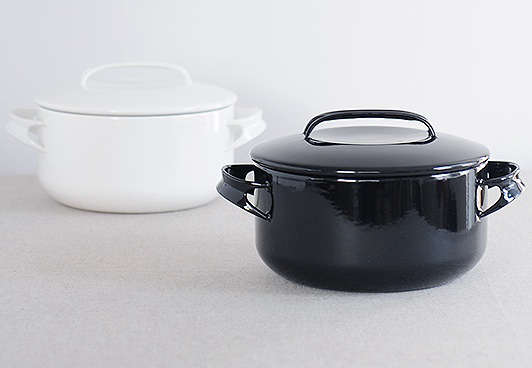
The Noda Horo Casserole is the kind of kitchen tool that makes minimalists nod approvingly, home cooks whisper “ooh,” and cluttered cabinets suddenly feel personally attacked. It is simple, white or black, elegantly shaped, and made for real cookingnot just for standing on an open shelf pretending to be part of a lifestyle photoshoot. Though, to be fair, it does that beautifully too.
Noda Horo is a Japanese enamelware maker known for clean design, practical forms, and long-lasting kitchen products. The brand has been producing enamelware since 1934, and its appeal comes from a smart combination: steel for strength, glass-like enamel for a smooth non-reactive surface, and Japanese craftsmanship for that calm “everything is exactly where it should be” feeling. A Noda Horo casserole is not just another pot; it is a quiet little argument for buying fewer, better things.
In the world of cookware, casseroles often get grouped with heavy Dutch ovens, ceramic baking dishes, and stainless steel stockpots. The Noda Horo version sits somewhere delightfully in between. It is lighter than cast iron, more refined than a basic utility pot, and more versatile than a dish that only works in the oven. Depending on the model, it can move from stovetop to oven, from simmering soup to baking a gratin, from cooking dinner to looking good enough to serve at the table. That is a lot of pressure for one pot, but this little enamel champion handles it without dramatic music.
What Is a Noda Horo Casserole?
A Noda Horo Casserole is an enamel-coated steel pot designed for everyday cooking, simmering, stewing, baking, and serving. The exact shape and capacity vary by series. For example, the NOMAKU casserole line features a sharp, modern silhouette and thicker steel enamel construction, while the LUKE casserole has a softer rounded look and a practical 21cm size. Some versions are available in classic white, while others lean into black enamel for a more contemporary kitchen mood.
The word “horo” refers to enamelware. In practical terms, enamelware is made by applying a glass-like glaze over metal and firing it at high heat. This gives the cookware a hard, smooth surface that resists odors, stains, and flavor transfer better than many porous materials. If you have ever stored tomato sauce in the wrong plastic container and watched it turn permanently orange, you already understand why enamel has fans.
The casserole is especially useful for dishes that benefit from gentle, even cooking: curry, minestrone, rice dishes, braised vegetables, poached fruit, oatmeal, chicken stew, baked pasta, seafood chowder, and small-batch jam. It is not trying to replace every pan in the house. It is trying to become the one you reach for when you want dependable cooking with a side of good design.
Why Noda Horo Enamelware Has a Loyal Following
1. It Combines Strength and Beauty
The heart of Noda Horo cookware is steel. Steel provides structure and durability, while the enamel coating creates a glossy, non-reactive cooking surface. This combination is why enamel cookware has remained popular for generations. It feels traditional without feeling outdated, practical without looking boring, and sturdy without requiring a gym membership to lift.
Compared with enameled cast iron, a Noda Horo enamel casserole is generally lighter and easier to handle. That matters when you are transferring soup from the stove to the table or washing the pot after dinner. A beautiful pot that weighs as much as a sleepy bulldog can become less charming after the third use.
2. It Is Non-Reactive for Everyday Cooking
One major benefit of enamel cookware is that the cooking surface does not easily react with acidic or salty foods. That makes it suitable for tomato-based stews, fruit compotes, pickled preparations, miso soups, curry, and citrusy sauces. The flavor stays clean, and the pot does not add a metallic taste to your food.
This is one reason many cooks like enamel for storage and reheating. Leftover soup can be cooled, stored safely according to food-safety best practices, and reheated without transferring it to another pan. Fewer dishes, fewer containers, fewer opportunities to discover something mysterious hiding behind the mustard.
3. It Looks Calm on the Table
Noda Horo’s design language is famously restrained. The casserole does not shout. It does not wear decorative swirls, oversized logos, or colors that look like a highlighter had a stressful day. It simply sits there with clean lines, a smooth finish, and a confident presence.
That makes it excellent for serving. A white enamel casserole filled with chicken and vegetables, creamy rice, or bubbling baked pasta looks inviting without needing extra presentation tricks. Add a wooden spoon, a linen towel, and suddenly dinner looks intentionaleven if ten minutes earlier you were Googling whether carrots can be “rustic” when they are cut unevenly.
Popular Noda Horo Casserole Styles
NOMAKU Casserole
The NOMAKU series is one of the most design-forward options. It is known for a black enamel finish, a sharp form, and a body designed to support serious cooking. Some NOMAKU casserole models are made with thick enamel steel and are compatible with direct flame, oven use, and certain induction cooktops depending on the product specifications. The 20cm size is convenient for everyday meals, while larger versions work better for family cooking, stews, and batch preparation.
The NOMAKU casserole is a good match for cooks who want a pot that feels modern and substantial but not bulky. It is especially useful for curry, braises, simmered vegetables, short ribs, beans, and soups that need steady heat. It is also attractive enough to leave on the stove, which is helpful if your kitchen storage is already performing a circus act.
LUKE Casserole
The LUKE casserole has a softer, rounder appearance and a friendly everyday personality. The 21cm model offers a practical size for simmered dishes, steamed foods, and small family meals. It has the “cute but capable” energy of cookware that can make both a cozy stew and a very respectable pot of rice.
This style is ideal for cooks who like Japanese home-cooking aesthetics: simple forms, warm function, and tools that do not overcomplicate dinner. It also works well for anyone who wants enamel cookware but does not want the dark, industrial look of black cookware.
Pochka and Other Noda Horo Pots
Noda Horo also produces related enamel pots and saucepans, such as the Pochka series. While not every pot is technically a casserole, many share similar enamel construction and everyday usefulness. These smaller pots are excellent for sauces, soups, oatmeal, custard, reheating leftovers, or making a small batch of jam when fruit on the counter starts giving you a deadline.
When shopping, always check the exact model. Noda Horo makes many enamel products: casseroles, saucepans, kettles, food containers, trays, and storage pieces. Some are built for stovetop cooking; others are designed mainly for storage or baking. Product details matter, especially for induction compatibility, oven use, lid materials, and dishwasher guidance.
How the Noda Horo Casserole Performs in the Kitchen
Simmering and Stewing
The Noda Horo casserole shines with slow, gentle cooking. Enamel steel heats efficiently, and the smooth interior helps keep flavors pure. For Japanese curry, beef stew, tomato soup, chicken and rice, or root vegetable braises, the pot provides a steady cooking environment without the extreme weight of cast iron.
Because enamelware can heat quickly, it is best to use moderate heat rather than blasting the burner like you are launching soup into orbit. Start low to medium, let the pot warm gradually, and stir as needed. This helps prevent scorching and protects the enamel surface from unnecessary thermal stress.
Baking and Oven Dishes
Many Noda Horo casserole models can be used in the oven, but the lid rules vary by model. Some lids or knobs may not be oven-safe, so always confirm before baking. The body of an oven-safe enamel casserole is excellent for gratins, baked pasta, roasted vegetables, bread pudding, rice casseroles, and fruit desserts.
A practical example: toss cooked pasta with tomato sauce, sautéed mushrooms, spinach, and a little mozzarella. Transfer it to the Noda Horo casserole body, top with breadcrumbs and Parmesan, and bake until bubbling. The enamel surface cleans up more easily than many ceramic dishes, and the pot can go straight to the table. Dinner looks charming. You look organized. Nobody needs to know the spinach was a last-minute “vegetable responsibility” decision.
Storage and Reheating
One underrated advantage of enamel cookware is how well it handles food storage. The glass-like surface does not absorb smells easily, so miso soup, curry, tomato sauce, or fruit compote will not linger forever like a kitchen ghost. Once food has cooled properly, the casserole can be used to store leftovers in the refrigerator, then returned to the stove or oven when appropriate.
However, do not move enamelware directly from a cold refrigerator to high heat. Let it come closer to room temperature first. Sudden temperature changes can stress enamel and may lead to damage. Think of the pot as elegant, not invincible.
Care Tips for a Noda Horo Casserole
Wash Gently
Use a soft sponge and mild dish detergent for everyday cleaning. Avoid steel wool, harsh abrasive pads, and gritty cleansers. Enamel is hard, but it is still a glass-like surface. Treat it with respect, and it will stay attractive for years.
Dry Thoroughly
After washing, dry the pot completely. Enamelware can have exposed edges or small areas where the glass coating is thinner due to the manufacturing process. If water, salt, or acid sits on those spots, rust can appear. Drying the pot is a small habit with a big payoff.
Use Baking Soda for Stubborn Burns
If food scorches, do not attack the pot like it insulted your family. Add warm water and a spoonful of baking soda, let it soak, then gently clean with a sponge. For tougher marks, simmering water with baking soda can help loosen residue. Be patient. Enamel rewards calm behavior. It is basically kitchen meditation with bubbles.
Avoid the Microwave
Noda Horo enamelware is metal-based, which means it should not be used in a microwave. This is not a suggestion; it is a “please do not create sparks in the appliance” situation. Use the stovetop or oven when the model allows it.
Check Induction Compatibility
Some Noda Horo casseroles work with induction cooktops, while others do not. Compatibility depends on the base size, shape, and steel thickness. Look for the specific IH or induction marking on the product page or packaging. If you cook on induction, do not assume. The pot may be beautiful, but beauty alone does not make a burner recognize it.
What Can You Cook in a Noda Horo Casserole?
The easiest way to understand this pot is to imagine weeknight cooking with slightly better manners. It can handle a creamy mushroom stew, a small pot of chili, chicken thighs braised with onions, Japanese curry, seafood chowder, minestrone, or lentil soup. It is also great for rice-based dishes where you want a gentle simmer and a neat presentation.
For breakfast, use it for oatmeal with apples and cinnamon. For lunch, reheat soup without transferring containers. For dinner, make a one-pot tomato rice with herbs, beans, and vegetables. For dessert, simmer peaches, berries, or pears with a little sugar and lemon. The enamel surface helps preserve clean fruit flavor, and the pot looks good enough to place directly on the table with yogurt or ice cream.
The Noda Horo casserole is also useful for small-batch preserving. Jam, compote, lemon curd, and fruit sauces benefit from a non-reactive surface. You still need proper canning equipment if you plan to preserve food long-term, but for refrigerator jam or weekend pancakes, the pot is a lovely fit.
Noda Horo Casserole vs. Cast Iron Dutch Oven
A cast iron Dutch oven is heavier, holds heat longer, and is excellent for deep braising, bread baking, and long oven cooking. A Noda Horo casserole is lighter, easier to wash, quicker to heat, and often better for everyday stovetop tasks. If a Dutch oven is the heavyweight champion, the Noda Horo casserole is the elegant middleweight who wins by technique.
For cooks who regularly bake crusty bread or slow-braise large cuts of meat, cast iron may still be essential. For cooks who make soups, curries, vegetables, small casseroles, rice dishes, and reheated leftovers more often, Noda Horo can be more convenient. The best choice depends on your cooking style, not on which pot looks more dramatic in a food magazine.
Buying Tips: How to Choose the Right Noda Horo Casserole
First, choose the size. A 20cm to 21cm casserole is excellent for one to three people, side dishes, sauces, soups, and compact meals. A 24cm model is better for families, batch cooking, and larger stews. If you cook mostly for yourself, do not buy a giant pot just because it looks impressive. Oversized cookware can be annoying to wash and awkward to store.
Second, check your heat source. Gas and oven use are common among many enamel cookware models, but induction compatibility varies. If you use an induction cooktop, verify the exact model before purchasing.
Third, look at the lid and handle materials. Some lids may not be oven-safe, especially if they include wood or certain plastics. If oven cooking matters to you, choose a model designed for it and follow the temperature guidance.
Fourth, consider color and design. White enamel looks bright, classic, and kitchen-friendly. Black enamel feels modern and hides certain marks better. Both can be beautiful; your choice depends on whether your kitchen personality is “soft morning light” or “quiet architect who makes excellent curry.”
Experience Section: Living With a Noda Horo Casserole
Using a Noda Horo Casserole changes the rhythm of cooking in a small but noticeable way. It encourages slower, calmer meals. Not slow in the “dinner will be ready sometime next season” sense, but slow in the “let the onions soften properly and stop poking them every nine seconds” sense. The pot heats efficiently, so you learn to respect medium heat. The enamel surface tells you when food needs attention. The shape invites stirring, simmering, and serving without the frantic feeling that comes with thin pans and angry burners.
One of the best experiences is making Japanese-style curry. Start with onions, carrots, potatoes, and bite-size chicken pieces. Add broth, simmer until tender, then stir in curry roux off the heat so it melts smoothly. The Noda Horo casserole keeps the process neat and contained. The finished curry looks wonderful against white enamel, especially when served beside rice and pickles. It feels like comfort food with good posture.
Another pleasant use is weekend soup. A small batch of chicken noodle soup, lentil soup, or tomato vegetable soup fits beautifully in a mid-size casserole. Because the pot can go from cooking to serving, there is less cleanup and less fuss. Place it on a trivet at the table, ladle directly into bowls, and enjoy the tiny luxury of not washing a separate serving dish. This is not laziness. This is efficiency wearing slippers.
The casserole also performs well for fruit. Apples with cinnamon, pears with ginger, strawberries with lemon, or blueberries with a little sugar can be simmered into a quick compote. The enamel surface does not hold onto flavors, so yesterday’s curry does not mysteriously visit today’s dessert. That is a major advantage if your kitchen life includes both savory stews and sweet weekend breakfasts.
Cleaning is usually straightforward if you avoid panic. Let the pot cool, soak if needed, and use a sponge instead of a metal scrubber. The first time you see a mark on the enamel, you may feel personally betrayed. Do not worry. Most stains lighten with soaking, baking soda, and regular use. Enamel cookware develops a working life, not a museum life. A casserole that has cooked many meals may show small signs of service, and that is part of its charm.
The real joy of a Noda Horo casserole is how often it feels like the right tool. It is not oversized. It is not complicated. It does not require seasoning, special rituals, or a dedicated shelf with dramatic lighting. It simply helps you cook. In a kitchen full of gadgets that promise to revolutionize dinner and then hide in a drawer, that kind of honest usefulness is refreshing.
Final Thoughts
The Noda Horo Casserole is a beautifully made piece of Japanese enamel cookware for people who appreciate simplicity, durability, and everyday function. It is ideal for soups, stews, curries, casseroles, fruit compotes, and table serving. Its enamel-coated steel construction offers a smooth non-reactive surface, efficient heating, and a clean appearance that suits modern and traditional kitchens alike.
It is not indestructible, and it should not be treated like a stainless steel workhorse that can survive anything short of a meteor. Avoid drops, harsh scrubbing, microwave use, and sudden temperature shocks. In return, it gives you years of practical service and the quiet satisfaction of using a tool designed with care.
For anyone building a more thoughtful kitchen, the Noda Horo casserole is worth considering. It proves that cookware does not need flashy features to be special. Sometimes the best pot is the one that cooks well, cleans easily, serves gracefully, and makes dinner feel just a little more intentional.













