
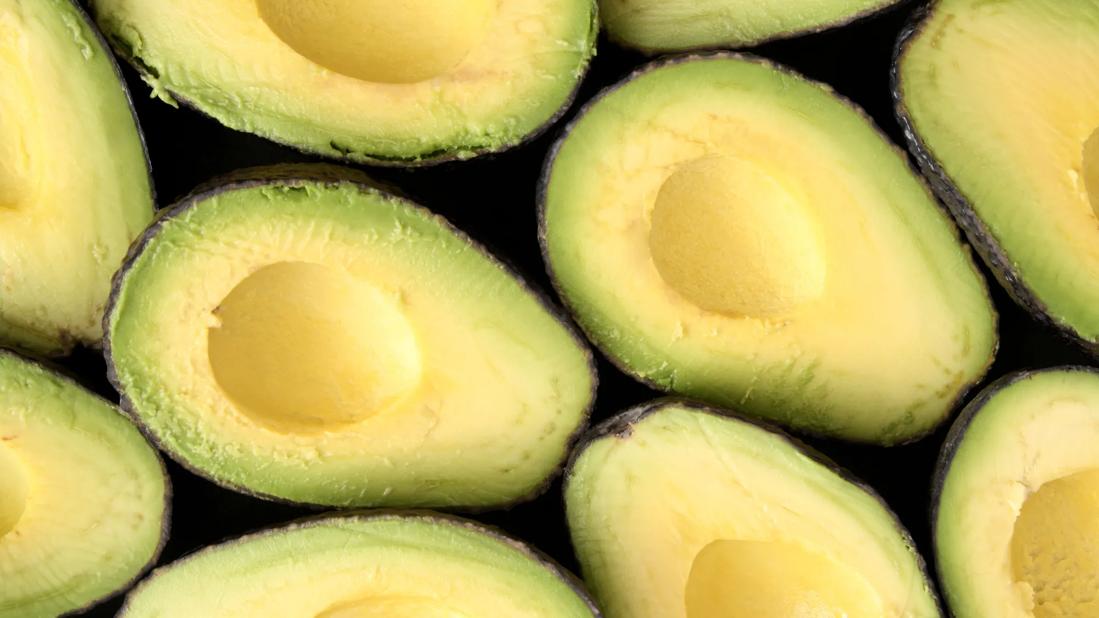
Avocados have somehow become the celebrity of the produce aisle. They are photographed on toast, mashed into guacamole, blended into smoothies, sliced onto salads, and occasionally accused of making brunch too expensive. But behind the jokes and green glamor, avocados are genuinely one of the most nutrient-dense fruits you can add to a balanced diet.
Yes, fruit. Botanically speaking, avocado is a fruit, even though it behaves more like the smooth, buttery cousin of a vegetable. Unlike most fruits, avocados are low in sugar and rich in healthy fats, fiber, potassium, folate, vitamin K, vitamin E, and several plant compounds linked with long-term wellness. That unusual nutrition profile is exactly why avocados show up in conversations about heart health, digestion, weight management, blood pressure, eye health, and better nutrient absorption.
This does not mean an avocado is a magical green helmet that protects you from every health problem. Nutrition does not work like a superhero movie. But when eaten in reasonable portions as part of an overall healthy eating pattern, avocados can be a smart, satisfying, and delicious choice.
Avocado Nutrition Facts: What Is Inside This Creamy Fruit?
A typical medium avocado contains healthy unsaturated fats, dietary fiber, a modest amount of protein, very little sugar, and a wide range of vitamins and minerals. A whole medium avocado may provide roughly 240 calories, about 22 grams of fat, around 10 grams of fiber, and small but meaningful amounts of potassium, folate, vitamin K, vitamin E, vitamin C, magnesium, copper, and several B vitamins.
The exact numbers vary by size and variety. A small avocado, a large Hass avocado, and the enormous avocado that looks like it has been training for a bodybuilding competition will not have identical nutrition values. For everyday eating, many people use one-third to one-half of an avocado as a practical serving.
Key nutrients in avocados
Avocados are especially known for the following nutrients:
- Monounsaturated fats: These heart-friendly fats are also found in olive oil, nuts, and seeds.
- Fiber: Avocados contain both soluble and insoluble fiber, supporting digestion and fullness.
- Potassium: This mineral helps support healthy blood pressure and fluid balance.
- Folate: A B vitamin important for cell growth, red blood cell formation, and pregnancy nutrition.
- Vitamin K: Important for normal blood clotting and bone-related functions.
- Vitamin E: A fat-soluble antioxidant that helps protect cells from oxidative stress.
- Lutein and zeaxanthin: Plant pigments associated with eye health.
Why Avocado Fat Is Different From “Bad Fat”
For years, fat had a terrible public relations department. Many people heard the word “fat” and imagined something automatically unhealthy. But modern nutrition science is much more specific: the type of fat matters.
Avocados are rich in unsaturated fats, especially monounsaturated fat. This is the same general category of fat that makes olive oil a staple in heart-healthy eating patterns such as the Mediterranean diet. When unsaturated fats replace saturated fats from foods like butter, fatty processed meats, and some high-fat dairy products, they can support healthier cholesterol levels and overall cardiovascular wellness.
This is why avocado on whole-grain toast is not the same nutritional story as butter on white toast. Both are creamy. Both make breakfast more interesting. But avocado brings fiber, potassium, antioxidants, and unsaturated fats to the plate. Butter mostly brings saturated fat and a strong sense of commitment.
Heart Health Benefits of Avocados
One of the most studied benefits of avocados is their relationship with heart health. Avocados contain several nutrients that work together in a heart-supportive way: monounsaturated fats, fiber, potassium, magnesium, and antioxidants.
Avocados may support healthier cholesterol levels
Monounsaturated fats can help improve the balance of blood lipids when they replace less healthy fats in the diet. Dietary fiber also plays a role, especially soluble fiber, which can help reduce LDL cholesterol, often called “bad” cholesterol. Avocados are not cholesterol-lowering medicine, and they should not be treated as a replacement for medical care. Still, they can fit beautifully into a cholesterol-conscious meal plan.
For example, replacing mayonnaise on a sandwich with mashed avocado can reduce saturated fat while adding fiber and potassium. Swapping a cheese-heavy dip for guacamole can also make a snack more nutrient-dense, especially when served with vegetables instead of only chips.
Potassium helps balance sodium
Avocados are a good source of potassium, a mineral that helps the body manage fluid balance, nerve function, and muscle contraction. Potassium also helps counterbalance some of the blood-pressure-raising effects of excess sodium. Since many American diets are high in sodium and low in potassium-rich foods, adding fruits and vegetables such as avocado, beans, leafy greens, potatoes, and bananas can help improve the overall mineral balance of meals.
Avocados and Digestion: Fiber Does the Heavy Lifting
If your digestive system could write thank-you notes, fiber would receive a lot of them. Avocados provide a generous amount of fiber compared with many other fruits. Fiber helps keep bowel movements regular, supports beneficial gut bacteria, and contributes to a slower, steadier digestive process.
Soluble fiber absorbs water and forms a gel-like texture in the digestive tract. Insoluble fiber adds bulk and helps move things along. Avocados contain both types, which makes them useful for digestive comfort and regularity.
Another benefit of fiber is fullness. Foods that contain fiber and healthy fat tend to be more satisfying than foods made mostly of refined carbohydrates. That is one reason avocado toast can feel more filling than plain toast with jam. Your stomach is not being dramatic; it is responding to the slower digestion of fat and fiber.
Can Avocados Help With Weight Management?
Avocados are calorie-dense, so portion size matters. A whole avocado can contain more calories than many people expect. However, calorie-dense does not automatically mean unhealthy. Nuts, seeds, olive oil, and salmon are also calorie-dense, yet they can be part of a healthy diet.
The key is how avocados are used. Adding half an avocado to a balanced meal may increase satisfaction and reduce the urge to snack soon after. On the other hand, eating a mountain of guacamole with a bottomless basket of chips may turn “healthy fats” into “where did the bowl go?”
For weight management, avocados work best when they replace less nutritious ingredients rather than simply being added on top of an already high-calorie meal. Try avocado instead of butter on toast, instead of creamy dressing in a salad, or instead of heavy mayonnaise in a chicken or tuna salad.
Avocados and Blood Sugar Balance
Avocados are naturally low in sugar and relatively low in digestible carbohydrates. Their combination of fiber and healthy fat means they are unlikely to cause a sharp blood sugar spike when eaten alone or as part of a balanced meal.
This makes avocados a useful option for people who are building meals around steady energy. For example, pairing avocado with eggs and vegetables, adding avocado to a bean salad, or spreading avocado on whole-grain toast can create a meal with protein, fiber, fat, and complex carbohydrates. That combination is much friendlier to energy levels than a sugary breakfast that leaves you hungry again before your email inbox has even finished attacking you.
Eye Health Benefits: Lutein and Zeaxanthin
Avocados contain lutein and zeaxanthin, two carotenoids that accumulate in the retina of the eye. These compounds help filter certain wavelengths of light and support the eye’s natural defense against oxidative stress.
While avocados are not a cure for vision problems, they can contribute to an eye-supportive diet along with leafy greens, eggs, corn, orange peppers, and other colorful plant foods. The healthy fat in avocado may also help the body absorb fat-soluble carotenoids from other vegetables. In plain English: adding avocado to a salad may help your body make better use of some nutrients in the salad. The avocado is not just sitting there looking photogenic; it is helping.
Avocados Help the Body Absorb Nutrients
Some nutrients need fat to be absorbed well. These include vitamins A, D, E, and K, as well as carotenoids such as beta-carotene, lutein, and zeaxanthin. Because avocados contain healthy fat, adding them to meals with vegetables can improve nutrient absorption.
For example, a salad with spinach, carrots, tomatoes, and avocado may deliver more usable fat-soluble nutrients than the same salad with no fat at all. This does not mean every vegetable needs to be covered in avocado, olive oil, or dressing. It simply means that a little healthy fat can make a vegetable-rich meal more satisfying and nutritionally effective.
Skin, Hair, and Healthy Aging Support
Avocados contain vitamin E, vitamin C, healthy fats, and plant antioxidants. These nutrients are often discussed in connection with skin health because they help support normal cell function and protect against oxidative stress. Healthy fats also play a role in maintaining skin barrier function.
Of course, eating avocado will not instantly give anyone airbrushed magazine skin. Sleep, hydration, sun protection, genetics, and overall diet matter too. Still, nutrient-rich foods like avocados can support the body from the inside out. Think of avocado as part of the maintenance crew, not a miracle filter.
Pregnancy Nutrition and Folate
Folate is essential for cell growth and development, making it especially important before and during pregnancy. Avocados provide natural folate, along with healthy fats, fiber, potassium, and other micronutrients. This makes them a helpful food in a pregnancy-friendly diet when tolerated well.
Pregnant people should still follow medical guidance about prenatal vitamins, food safety, and individual nutrition needs. Avocado can be a nourishing addition, but it does not replace professional care or folic acid supplementation when recommended by a healthcare provider.
Simple Ways to Eat More Avocado
Avocados are wonderfully flexible. They can be savory, mildly sweet, creamy, chunky, fancy, or “I mashed this with a fork in thirty seconds because lunch is happening now.” Here are practical ways to use them:
- Breakfast: Spread mashed avocado on whole-grain toast and top with an egg, tomatoes, or chili flakes.
- Lunch: Add sliced avocado to salads, grain bowls, wraps, or sandwiches.
- Dinner: Use avocado as a topping for tacos, chili, grilled fish, or roasted vegetables.
- Snacks: Make guacamole with lime, cilantro, onion, and diced tomato.
- Smoothies: Blend a small amount of avocado for creaminess without needing heavy cream.
- Dressings: Blend avocado with Greek yogurt, lime juice, herbs, and water for a creamy dressing.
How Much Avocado Should You Eat?
For many people, one-third to one-half of a medium avocado is a reasonable serving. Athletes, highly active people, or those with higher calorie needs may use more. People trying to reduce calorie intake may prefer smaller portions.
The best serving size depends on the full meal. Half an avocado with vegetables, beans, and lean protein can be a balanced choice. A whole avocado added to a meal that already includes cheese, sour cream, oil, and chips may be more than needed. Nutrition is about patterns, not single ingredients wearing a crown.
Who Should Be Careful With Avocados?
Avocados are safe and healthy for most people, but there are a few situations where caution makes sense.
People with kidney disease
Because avocados are high in potassium, people with kidney disease or those on potassium-restricted diets should ask a healthcare professional before eating them regularly.
People taking blood-thinning medication
Avocados contain vitamin K. People taking medications such as warfarin usually do not need to avoid vitamin K completely, but they are often advised to keep vitamin K intake consistent. A healthcare provider can give personalized guidance.
People with allergies or sensitivities
Some people may be allergic or sensitive to avocado. Anyone who experiences itching, swelling, digestive distress, or other concerning symptoms after eating avocado should avoid it and seek medical advice.
Experience-Based Tips: Making Avocados Work in Real Life
Here is the honest truth about avocados: they are nutritious, delicious, and slightly dramatic. One day they are hard as a baseball, the next day they are perfect for exactly eleven minutes, and by the evening they have emotionally moved on. Learning how to choose, store, and use avocados makes a big difference if you want their health benefits without wasting money.
When buying avocados, choose firm ones if you do not plan to use them right away. Leave them at room temperature until they yield gently to pressure. Once ripe, move them to the refrigerator to slow the process. This small habit can save many avocados from becoming brown mystery paste. If you only use half, keep the pit in the unused half, brush the surface with lime or lemon juice, cover it tightly, and refrigerate it. It may still darken a little, but it usually stays usable longer.
In everyday meals, avocado works best when it solves a problem. Is your salad boring? Add avocado. Is your sandwich dry? Add mashed avocado. Does your smoothie need creaminess without ice cream? Add a small scoop of avocado. Are your tacos missing something that says, “I have my life together”? Obviously, avocado.
A practical breakfast idea is whole-grain toast with mashed avocado, a boiled egg, cracked pepper, and a squeeze of lemon. This gives you fiber, healthy fat, protein, and slow-burning carbohydrates. It is simple, filling, and does not require culinary school or a tiny chef hat. For lunch, try a bowl with brown rice, black beans, corn, lettuce, salsa, and sliced avocado. The beans bring protein and fiber, the avocado adds richness, and the salsa keeps everything lively. Dinner can be just as easy: grilled chicken or fish with roasted vegetables and avocado-lime sauce.
Avocado can also help people who are trying to eat more vegetables. Many people do not dislike vegetables; they dislike sad vegetables. A plate of raw carrots and lettuce may feel like punishment. Add avocado, lime, herbs, and a little seasoning, and suddenly the vegetables have a social life. This is one of the best real-world benefits of avocado: it makes healthy meals more enjoyable, which makes them easier to repeat.
For families, avocado can be a helpful bridge food. Kids who reject salad may accept guacamole. Adults who think “healthy food” means bland food may discover that avocado brings comfort and flavor without relying on heavy sauces. It can be spread, mashed, sliced, diced, blended, or used as a topping. Few foods are this flexible without demanding applause.
The main lesson from using avocados regularly is balance. Avocados are nutritious, but they are not calorie-free. They work best when paired with other whole foods: vegetables, fruits, beans, whole grains, eggs, seafood, poultry, yogurt, nuts, and seeds. They are less helpful when they become an excuse to eat an entire party-size bag of chips. Guacamole is wonderful; the shovel does not need to be a tortilla chip the size of a roof tile.
Another experience-based tip is to season avocados well. A tiny pinch of salt, lime juice, garlic, black pepper, chili flakes, cilantro, or everything-bagel seasoning can transform avocado from “healthy green spread” into “why is this so good?” When healthy food tastes good, consistency becomes easier. And consistency, not perfection, is what creates long-term health benefits.
In the end, avocados earn their reputation because they are both nourishing and enjoyable. They support heart-friendly eating, digestive health, nutrient absorption, and satisfying meals. More importantly, they help healthy eating feel less like a rulebook and more like something you might actually look forward to. That is a benefit no nutrition label can fully measure.
Conclusion
Avocados are more than a trendy toast topping. They are nutrient-dense fruits rich in healthy unsaturated fats, fiber, potassium, folate, vitamin E, vitamin K, and protective plant compounds. Their nutrition profile makes them especially useful for supporting heart health, digestion, blood sugar balance, fullness, eye health, and nutrient absorption.
The smartest way to enjoy avocados is to use them as part of a balanced diet. Add them to meals that already include vegetables, whole grains, lean proteins, legumes, or other nutrient-rich foods. Keep portions reasonable, season them well, and use them to replace less nutritious fats when possible. Avocados may not solve every problem in life, but they can absolutely make lunch betterand that is not nothing.
Note: This article is for general educational purposes and should not replace personalized medical or dietary advice from a qualified healthcare professional.













