
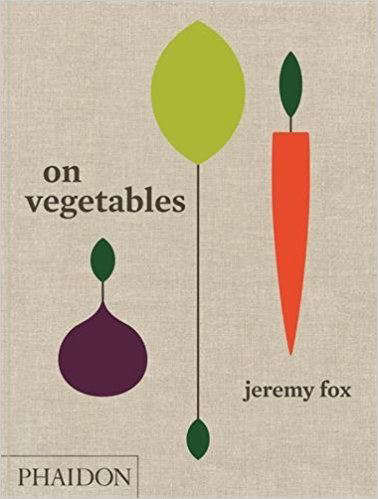
Vegetables have spent far too long playing the polite sidekick. They arrive beside the steak, occupy a respectable corner of the plate, and quietly accept being described as “healthy.” In On Vegetables: Modern Recipes for the Home Kitchen, chef Jeremy Fox gives produce a considerably better job: main character.
Created with writer Noah Galuten, this influential vegetable cookbook presents approximately 160 recipes shaped by Fox’s ingredient-focused cooking at restaurants such as Ubuntu in Napa Valley and Rustic Canyon in Southern California. The dishes are imaginative, seasonal, and often elegant, yet the book’s most useful lesson is refreshingly practical: learn what a vegetable naturally does well, then build flavor around that quality.
This is not a lecture about replacing burgers with raw kale. It is an invitation to roast harder, season earlier, save those carrot tops, and finally treat cauliflower like it has something interesting to say.
A Modern Vegetable Cookbook with a Distinct Point of View
On Vegetables belongs to the vegetable-forward school of cooking. That distinction matters. A vegetarian dish can technically contain few vegetablesmacaroni and cheese is perfectly capable of attending a meatless dinner alonewhile vegetable-forward cooking begins with the produce itself.
Fox considers flavor, texture, seasonality, and even the less celebrated parts of an ingredient. Leaves can become sauces. Stems can add crunch. Peels and trimmings may enrich stocks, oils, or condiments. Instead of forcing every vegetable into the same preparation, the cook asks better questions. Should this carrot be roasted until deeply sweet? Would that asparagus benefit from a quick char? Is the cabbage more exciting raw, fermented, or braised until silky?
The approach produces food that feels modern without relying on novelty for novelty’s sake. Unexpected combinationsearthy beets with berries, carrot tops in salsa verde, or vegetables paired with miso-rich sauceswork because they create balance. Sweetness meets acidity, tenderness meets crunch, and mild produce receives a savory boost rather than a flavor avalanche.
Seasonality Is a Cooking Tool
Seasonal vegetable cooking is not merely a poetic farmers-market ritual involving a canvas tote and suspiciously expensive radishes. Produce harvested near its natural season often brings stronger flavor, better texture, and greater cooking flexibility.
Spring peas need little more than gentle heat, herbs, and acidity. Summer tomatoes can become salads, quick sauces, or savory toast toppings. Fall squash welcomes roasting and warm spices. Winter cabbage withstands grilling, braising, fermenting, and enthusiastic amounts of mustard.
Following the seasons also prevents vegetable fatigue. The kitchen changes throughout the year, so “eat more vegetables” stops sounding like one endless bowl of steamed broccoli.
The Techniques That Make Vegetables Taste Complete
Use High Heat with a Purpose
Roasting and charring create flavors that boiling cannot. High heat drives away surface moisture and encourages browning, producing crisp edges, concentrated sweetness, and pleasantly bitter notes.
For dependable roasted vegetables, dry the produce, coat it lightly and evenly with oil, and arrange it in a single layer. An overcrowded sheet pan traps steam, leaving the vegetables soft and pale. That may be acceptable for a spa facial, but it is unfortunate for Brussels sprouts.
Most sturdy vegetables brown well in a hot oven between 400 and 450 degrees Fahrenheit. Dense roots such as carrots and potatoes should be cut into similar-size pieces. Moist vegetables, including mushrooms and eggplant, may require additional oil and space. Wait until a browned crust develops before turning everything; constant stirring is the culinary equivalent of repeatedly opening the oven to ask whether dinner is ready.
Preserve Texture Through Blanching
Blanching is valuable when color and crispness matter. Green beans, peas, asparagus, and broccoli can be briefly cooked in simmering or boiling water and then transferred to ice water. The rapid cooling stops residual cooking, helping the vegetables retain a lively bite.
Timing is more important than owning an enormous stockpot. Test a piece rather than trusting the clock blindly. The ideal result is tender enough to eat but still structurally confident. After cooling, dry the vegetables thoroughly before dressing or sautéing them; otherwise, vinaigrette slides off and hot oil begins plotting revenge.
Build Flavor in Layers
Restaurant-quality vegetable recipes rarely depend on one magical ingredient. They succeed through layering. Salt brings forward natural flavor. Fat adds richness and carries aromatic compounds. Acid creates contrast. Herbs supply freshness, while toasted seeds, breadcrumbs, or nuts introduce texture.
A roasted carrot becomes a finished dish when paired with lemony yogurt, toasted pistachios, and herbs. Charred cabbage becomes dinner with white beans, mustard vinaigrette, and crisp breadcrumbs. A tomato salad gains depth from good olive oil, vinegar, basil, and a small spoonful of fermented chile paste.
Umami-rich ingredients are especially useful in modern vegetable recipes. Miso, mushrooms, aged cheese, nutritional yeast, soy sauce, tomato paste, and fermented vegetables create savory intensity. They should support the produce rather than disguise it. If the diner cannot identify the vegetable beneath the sauce, the sauce may be auditioning for the wrong role.
Create a Working Pantry
One of the book’s enduring ideas is the importance of a larder: a collection of sauces, pickles, infused oils, preserves, and crunchy garnishes that can transform simple produce.
A practical home version does not require a restaurant prep team. Start with three components:
- A bright sauce, such as carrot-top salsa verde, herb vinaigrette, or lemon-tahini dressing.
- An acidic accent, such as pickled onions, mustardy cucumbers, or preserved green tomatoes.
- A crunchy finish, such as toasted seeds, seasoned breadcrumbs, or roasted nuts.
Prepare one item from each category during the weekend. On Tuesday, roasted squash with green sauce and pumpkin seeds looks intentional. On Thursday, beans with pickled onions and breadcrumbs become a legitimate meal rather than an emergency assembled over the sink.
For refrigerated quick pickles, use a tested formula and clearly labeled vinegar with 5 percent acidity. Shelf-stable canning and fermentation require validated food-safety instructions; creativity is welcome at the table, but harmful microorganisms are famously poor dinner guests.
Three Modern Vegetable Recipe Blueprints
1. Charred Broccoli with Miso-Lemon Beans
Cut broccoli into long florets, keeping part of each stem attached. Peel particularly tough stems rather than discarding them. Toss the broccoli with olive oil and salt, then roast it on a preheated sheet pan until the edges darken and the stems become tender.
Meanwhile, warm cooked butter beans with a splash of their liquid. Stir together white miso, lemon juice, grated garlic, olive oil, and enough warm water to make a loose dressing. Spoon the beans onto a platter, add the broccoli, and finish with sesame seeds and sliced scallions.
This combination demonstrates the vegetable-forward formula beautifully: smoke and bitterness from broccoli, creaminess from beans, umami from miso, and brightness from lemon. It is substantial enough for dinner but flexible enough to accompany roasted fish or chicken.
2. Beets with Berries, Mint, and Toasted Grains
Roast beets until a knife slides easily through the center. Cool, peel, and cut them into irregular wedges. Season while they are still slightly warm with salt and red wine vinegar so the flavor penetrates instead of merely sitting on the surface.
Add cooked quinoa, farro, or barley dressed with lemon zest and olive oil. Lightly crush blackberries or raspberries with a fork and spoon their juices over the beets. Finish with mint, black pepper, and a creamy element such as avocado or whipped goat cheese.
The berries are not a gimmick. Their acidity and fragrance lift the beets’ earthy sweetness, while the grains supply chew. The plate offers multiple textures and tastes, which is why it feels like a composed dish rather than a pile of virtuous ingredients wearing formal clothes.
3. Carrot-Top Salsa Verde
When carrots arrive with fresh green tops, wash the leaves thoroughly and remove thick stems. Finely chop the tender greens with parsley, garlic, and lemon zest. Stir in extra-virgin olive oil, lemon juice or pickle brine, and a pinch of salt.
Serve the sauce over roasted carrots, grilled zucchini, potatoes, white beans, eggs, or thick slices of toasted bread. Its flavor is grassy, tart, and gently bitter. Using the tops also reduces waste and turns a part commonly discarded into the most interesting condiment on the table.
The larger lesson is transferable: radish leaves can become pesto, broccoli stems can become slaw, and herb stems can flavor sauces or stock. Whole-vegetable cooking is economical, environmentally sensible, and deliciousan unusually cooperative trio.
How to Adapt Chef-Driven Recipes for a Real Home Kitchen
Some dishes in ambitious cookbooks contain several preparations. That structure produces depth, but completing every component on a weeknight can feel like accepting a second job with worse benefits.
Instead, identify the recipe’s essential relationship. If the dish depends on sweet roasted squash, tangy yogurt, and something crisp, preserve those three elements. Replace a specialized nut brittle with toasted walnuts. Substitute a familiar herb for one unavailable locally. Use quality canned beans when soaking dried beans was not part of yesterday’s life plan.
Batch preparation also helps. Cook grains, roast two trays of vegetables, and prepare a versatile dressing at the beginning of the week. Store components separately so they retain their texture. USDA-supported FoodKeeper guidance can help determine appropriate storage conditions and reduce waste.
Always wash fresh produce under clean running water before cutting or eating it. Do not use soap or household detergent; produce is porous, and those products are not intended for washing food. Dry vegetables well when browning is the goal.
Why Vegetable-Forward Cooking Matters
Vegetables supply fiber and a wide range of vitamins, minerals, and plant compounds. Nutritional guidance consistently favors eating a varied selection rather than relying on one supposedly superior vegetable. Dark leafy greens, orange roots, red peppers, purple cabbage, legumes, and cruciferous vegetables contribute different nutritional strengths.
Cooking method matters, but the healthiest vegetable is often the one a person genuinely wants to eat. Steaming and microwaving can limit nutrient losses associated with prolonged boiling, while roasting makes certain vegetables far more appealing. Raw and cooked preparations both deserve space in the kitchen.
A little oil, cheese, or flavorful dressing is not a moral failure. These additions can turn obligatory produce into a satisfying meal, making vegetable-rich eating easier to maintain. Pleasure is not the enemy of nutrition; boredom usually causes more trouble.
Who Will Appreciate On Vegetables?
This book is especially rewarding for curious home cooks, farmers-market regulars, vegetarians seeking sophisticated ideas, and omnivores who want vegetables to occupy more of the plate. Its techniques encourage improvisation rather than strict dependence on a recipe.
Complete beginners may occasionally find the multi-component dishes demanding. Certain seasonal ingredients can also be difficult to locate. Yet the book remains useful even when followed conceptually. Its real value lies in teaching cooks to notice texture, use acidity confidently, preserve ingredients, and build a pantry of flavor.
Conclusion: Give Produce the Better Half of the Plate
On Vegetables: Modern Recipes for the Home Kitchen succeeds because it does not treat produce as punishment food. Jeremy Fox approaches vegetables with curiosity, discipline, and enough imagination to make a beet feel newly discovered.
The most practical takeaway is simple: begin with good seasonal produce, choose a cooking method that strengthens its character, and create contrast with acidity, richness, herbs, or crunch. Home cooks do not need restaurant equipment or perfect plating. They need heat, seasoning, and the confidence to let vegetables lead.
A Home-Cooking Experience Inspired by On Vegetables
The following composite experience illustrates how the book’s vegetable-first principles can change an ordinary week in a home kitchen.
The experiment begins with a crowded market basket: carrots with their tops, broccoli, beets, cabbage, herbs, lemons, and a bag of white beans. It looks wonderfully wholesome until everything reaches the refrigerator and starts demanding a career plan.
The first useful change is to stop thinking in complete recipes. Instead, the vegetables are divided into components. Beets go into the oven while the carrots and broccoli are washed. A jar of quick-pickled onions is prepared, and the carrot tops become salsa verde become. In roughly an hour, the refrigerator contains several building blocks instead of a collection of future compost.
On the first evening, roasted beets are served with grains, crushed berries, and mint. The surprising part is not the coloralthough the cutting board now looks implicated in a minor crimeit is the balance. Vinegar makes the beets taste less heavy, and berries emphasize their sweetness without turning dinner into dessert.
The next meal centers on charred broccoli. Previously, the florets might have been steamed until soft and politely ignored. This time, they are dried carefully and spread across a hot sheet pan. The nearly black edges taste nutty and pleasantly bitter. Creamy beans and miso-lemon dressing make the dish substantial. Nobody asks where the meat is, which feels like a small diplomatic victory.
Midweek brings the inevitable low-energy evening. The prepared condiments become more valuable than any elaborate recipe. Leftover cabbage is sliced and quickly sautéed, then topped with pickled onions, salsa verde, and toasted sunflower seeds. The meal takes about 15 minutes but includes acidity, richness, freshness, and crunch. It tastes composed even though the cook is wearing slippers and negotiating with an overflowing laundry basket.
There are mistakes. One tray is overcrowded, so the vegetables steam. The next batch receives more space and browns properly. An herb sauce initially tastes dull; additional salt and lemon wake it up immediately. These small corrections teach more than memorizing a recipe because they reveal how flavor behaves.
By the end of the week, the most significant change is not a particular dish. It is a different way of looking at produce. Broccoli stems become useful. Soft herbs suggest sauce instead of trash. A half-cabbage is no longer an obligation but a flexible ingredient that can be charred, braised, or shredded.
That is the lasting experience offered by On Vegetables. The book encourages attention without demanding perfection. Once vegetables are treated as ingredients with individual personalities, the home kitchen becomes more creative, meals become more varied, and the crisper drawer stops functioning as a leafy waiting room.













