
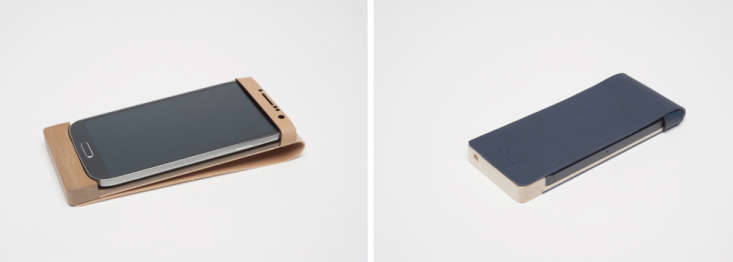
The Orée Wireless Power Sleeve is one of those rare tech accessories that makes you pause before asking the usual gadget question: “How fast does it charge?” With Orée, the better first question is, “Why does this phone case look like it belongs next to a leather journal, a fountain pen, and a very serious espresso?”
At its core, the Orée Wireless Power Sleeve was designed to bring Qi wireless charging to phones that did not originally have it built in, especially models like the iPhone 5, iPhone 5S, and Samsung Galaxy S4. But calling it just a wireless charging case feels a little unfair. That is like calling a handmade walnut desk “a flat place for coffee.” Technically true. Emotionally rude.
Orée built its reputation on natural materials, artisan production, and a charming refusal to make everything look like it fell out of a gray plastic factory mold. The Wireless Power Sleeve follows that same philosophy. It combines wood, leather, and charging technology into a phone accessory that sits somewhere between practical tool and design object.
What Is the Orée Wireless Power Sleeve?
The Orée Wireless Power Sleeve is a protective sleeve-style phone case created to add wireless charging capability to selected smartphones. It was developed as part of Orée’s broader collection of design-focused technology accessories, which included wooden keyboards, wooden trackpads, leather pouches, and the Orée Wireless Power Pebble charging base.
The sleeve used a combination of wood and leather, with models commonly described in walnut or maple wood and natural or indigo leather finishes. Instead of hiding the phone inside a bulky plastic battery pack, Orée gave the charging case the feeling of a crafted personal object. It looked more like something from a boutique stationery shop than a shelf of phone accessories next to emergency gas-station earbuds.
The sleeve worked by adding Qi-compatible wireless charging hardware to phones that lacked native Qi support. Once the phone was placed into the sleeve, it could charge on a Qi-compatible pad, including Orée’s own Wireless Power Pebble. That made the product especially interesting during the early 2010s, when wireless charging was still exciting, slightly mysterious, and not yet built into every bedside stand, car console, and suspiciously overpowered alarm clock.
Why the Orée Wireless Power Sleeve Mattered
Today, wireless charging feels normal. Many modern phones support Qi or Qi2 charging out of the box, and magnetic alignment has made the experience easier than it was in the early days. But when Orée introduced the Wireless Power Sleeve, the market was different. Many popular phones still needed an accessory to join the wireless charging club.
That context matters. The Orée Wireless Power Sleeve was not just another pretty case. It solved a real problem for users who liked the idea of cable-free charging but owned phones without built-in wireless charging receivers. It also made that solution feel more human. Instead of wrapping a premium phone in anonymous plastic, Orée used tactile materials that aged, softened, and developed character over time.
The result was a product aimed at people who cared about both function and atmosphere. It was for the person who wanted a cleaner desk, fewer cables, and a phone accessory that did not scream “electronics aisle.” In a world where many chargers looked like tiny UFO landing pads, Orée offered something warmer and more furniture-like.
Design: Wood, Leather, and a Little Bit of Gadget Poetry
The most obvious appeal of the Orée Wireless Power Sleeve was its design. Orée leaned into natural materials at a time when consumer technology was dominated by aluminum, glass, silicone, and plastic. The sleeve’s wood back gave it structure, while the leather elements helped secure and protect the phone.
Depending on the version, the sleeve was associated with wood choices such as walnut and maple. These materials gave the accessory a look that felt closer to a handmade notebook cover than a typical phone shell. The leather flap and strap system added another layer of protection while giving the product its “sleeve” personality.
Was it the slimmest case in the world? No. Was it the kind of thing a minimalist would choose if they wanted a phone to disappear into a pocket? Also no. But that was not really the point. The Orée Wireless Power Sleeve was less about invisibility and more about presence. It wanted to be noticed, touched, and occasionally admired by someone across the table who would ask, “Wait, is that wood?”
How Qi Wireless Charging Works
Qi wireless charging uses electromagnetic induction to transfer power between two coils: one in the charging pad and one in the device or charging receiver. When the pad is connected to power, it creates a magnetic field. The receiver coil converts that energy back into electrical current, allowing the battery to charge without a direct cable connection.
In simple terms, wireless charging is not magic, although it does have the energy of a small desk trick. You place the phone on the charger, the coils align, and power moves across a short distance. The key word is “align.” Early Qi chargers were more sensitive to placement than modern magnetic chargers, so users often had to position the phone carefully to start charging.
The Orée Wireless Power Sleeve addressed the receiver side of the equation. For phones without built-in Qi support, the sleeve added the necessary hardware so the device could work with a Qi-compatible charger. That made it useful for users who wanted wireless charging before their phone manufacturer had decided to make it standard.
Orée Wireless Power Sleeve and the Power Pebble
The Wireless Power Sleeve made the most sense when paired with the Orée Wireless Power Pebble, a charging pad made from materials such as wood or marble. The Power Pebble was designed for Qi-compatible devices, and the sleeve helped non-Qi phones join that ecosystem.
Together, the sleeve and pebble created a complete design story. The phone sat inside a wood-and-leather sleeve, then rested on a wood or stone charging base. It was a setup that treated charging as part of the room instead of something to hide behind a lamp. For design-minded users, that mattered.
This pairing also reflected Orée’s larger philosophy: technology should not only work; it should feel good to live with. A charger did not have to look like a plastic coaster. A phone case did not have to feel disposable. Everyday tools could have texture, warmth, and a little bit of soul. That idea still feels relevant today, especially as more people try to make their workspaces feel calmer and less like command centers for anxious robots.
Compatibility and Practical Use
The Orée Wireless Power Sleeve was made for specific phone models rather than universal use. Public product coverage commonly associated it with the iPhone 5, iPhone 5S, and Galaxy S4 era. That means it should be viewed as a product from a particular moment in smartphone history, not a current universal accessory for modern devices.
This is important for anyone searching for the Orée Wireless Power Sleeve today. It may appear in design archives, older product writeups, or collector discussions, but it is not the same kind of mainstream accessory as today’s MagSafe-compatible cases or Qi2 charging stands. If you are using a modern iPhone, Samsung Galaxy, Google Pixel, or another recent phone, you already have much better wireless charging options.
Still, the product remains interesting because it shows how accessory makers tried to solve wireless charging limitations before the technology became standard. The sleeve was part adapter, part case, and part conversation piece. In practical terms, it helped older phones charge wirelessly. In design terms, it helped make the charging experience feel more intentional.
Performance Expectations: Convenience Over Speed
Wireless charging, especially in its earlier forms, was usually about convenience rather than raw speed. A cable often charged faster and more efficiently. The advantage of Qi charging was that users could drop the phone onto a pad instead of plugging and unplugging a cable several times a day.
That difference shaped the Orée Wireless Power Sleeve experience. It was ideal for desks, bedside tables, studios, and calm charging routines. It was less ideal for emergency power-ups when your phone was at 3 percent and you had already received the terrifying low-battery warning that makes adults sprint toward outlets.
For daily use, the sleeve was best understood as a lifestyle charging accessory. It reduced cable clutter, protected the phone, and created a more elegant charging ritual. The trade-off was bulk, model-specific compatibility, and charging speed that depended on the pad, receiver alignment, and power source.
Who Was the Orée Wireless Power Sleeve For?
The Orée Wireless Power Sleeve was never designed for everyone. That is part of its charm. Some people want the thinnest, cheapest, most invisible case possible. Others want a rugged case that could survive a hiking trip, a toddler, and maybe a minor meteor event. Orée served a different audience.
This sleeve was for users who valued materials, desk aesthetics, and the pleasure of well-made objects. It appealed to designers, writers, architects, creative professionals, and anyone who wanted their technology to feel less disposable. It also made sense for users who liked wireless charging but had a phone that needed an adapter to support it.
In SEO terms, related searches might include wooden wireless charging case, Qi charging sleeve, Orée Power Sleeve, Orée Wireless Power Pebble, and luxury phone accessories. But beyond search phrases, the product’s real appeal was emotional. It made charging feel less like maintenance and more like a small daily ritual.
Pros of the Orée Wireless Power Sleeve
1. Beautiful Natural Materials
The combination of wood and leather gave the sleeve a premium, handcrafted feel. It stood out from plastic cases and created a warmer visual language for mobile technology.
2. Added Wireless Charging to Older Phones
For compatible phones without built-in Qi support, the sleeve provided a way to use wireless charging pads. That was a meaningful feature when wireless charging was still unevenly supported.
3. Strong Desk Appeal
When paired with the Orée Wireless Power Pebble, the sleeve helped create a cleaner and more attractive desktop setup. It turned a charging station into a design element.
4. Conversation Starter
Most phone cases do not invite conversation unless they are cracked beyond recognition. The Orée sleeve did. Its materials and unusual construction made it instantly noticeable.
Cons of the Orée Wireless Power Sleeve
1. Limited Compatibility
The sleeve was made for specific phone models, which limits its usefulness today. Modern users are better served by current Qi2 or MagSafe-compatible accessories.
2. Added Bulk
Wood and leather are beautiful, but they are not invisible. The sleeve likely added more size and weight than a simple snap-on case.
3. Wireless Charging Was Slower Than Wired Charging
Early wireless charging was convenient, but it was not always fast. Users expecting cable-like speed may have needed to adjust expectations.
4. Premium Pricing
Orée products were positioned as crafted design objects, not budget accessories. The price reflected materials, workmanship, and niche appeal.
How It Compares With Modern Wireless Charging Accessories
Modern wireless charging accessories have moved far beyond the early Qi era. Today’s chargers often include magnetic alignment, faster charging speeds, multi-device layouts, cooling improvements, and compact travel designs. Qi2 has also helped bring better alignment and improved interoperability to newer devices.
Compared with those modern options, the Orée Wireless Power Sleeve is not the most advanced charging solution. It does not compete with current magnetic stands, multi-device charging stations, or slim cases designed for today’s phones. Instead, it competes on design history and material philosophy.
That is why the sleeve remains worth discussing. It represents an early attempt to make wireless charging beautiful, tactile, and personal. While many accessory makers focused on utility, Orée focused on experience. The company seemed to ask, “What if charging your phone felt like placing a watch in a wooden box?” That is a niche question, but a surprisingly pleasant one.
Buying Advice: Should You Look for One Today?
If you want a wireless charging accessory for a current phone, the Orée Wireless Power Sleeve is probably not your best choice. Modern Qi2 and MagSafe-compatible chargers are faster, easier to align, and widely available. They also support newer phones without needing a special sleeve-style adapter.
However, if you are a design collector, vintage tech enthusiast, or fan of Orée’s wooden accessories, the Wireless Power Sleeve remains an interesting piece. It captures a specific moment when wireless charging was becoming fashionable but had not yet become universal. It also reflects a design movement that tried to soften technology with natural materials.
Before buying a used Orée Wireless Power Sleeve, check the exact phone compatibility, physical condition, charging receiver functionality, and whether you need a separate Qi charging pad. Also remember that leather and wood age differently from plastic. That can be a benefit if you like patina, but a drawback if you expect a product to look factory-new forever.
Experience Section: Living With the Idea of an Orée Wireless Power Sleeve
Using a product like the Orée Wireless Power Sleeve is less about speed and more about rhythm. Imagine arriving at your desk in the morning, setting down your bag, opening your laptop, and placing your phone on a wooden or marble charging base. There is no cable hunt. No dramatic rescue mission behind the desk. No mysterious black cord that somehow belongs to a device you no longer own. Just place, charge, continue.
The sleeve changes the emotional tone of charging. A normal cable says, “Feed the battery.” The Orée setup says, “Put the phone where it belongs.” That small difference can matter in a workspace. When everyday objects have a proper place, the desk feels calmer. The phone is not lying face-down under papers or balancing dangerously near a coffee mug. It rests on a charging base like it has been invited to a very tasteful meeting.
There is also a tactile pleasure to materials like wood and leather. Plastic protects, but it rarely delights. Wood has grain. Leather has texture. Both materials warm slightly in the hand and develop character with use. Over time, a sleeve like this could collect small signs of ownership: slight darkening, tiny marks, softened edges. For some users, that aging process is part of the appeal. The object begins to feel personal rather than replaceable.
Of course, the experience is not perfect. A wood-and-leather wireless charging sleeve is not something you choose if your top priority is maximum pocket comfort. It is more of a desk-and-bag accessory than a barely-there case. If you move quickly, travel light, and treat your phone like a tool that gets tossed around all day, the sleeve may feel too precious. It asks for a little more care, much like a good leather wallet or a wooden fountain pen case.
The charging experience also requires patience. Wireless charging is convenient, but it rewards routine. It works best when you return the phone to the same spot throughout the day. The Orée Wireless Power Sleeve would be ideal for someone who spends long blocks of time at a desk, studio, or bedside table. It is less suited to someone who needs a 20-minute emergency charge before running out the door.
In daily life, the best thing about the Orée Wireless Power Sleeve is probably not the technology itself. It is the way the product reframes technology as something that can belong in a carefully designed environment. Many gadgets solve problems while creating visual noise. This sleeve tried to solve a problem while reducing that noise. It made charging look less like a technical necessity and more like part of the room.
That is why the Orée Wireless Power Sleeve still feels memorable years after its original moment. It may no longer be the most practical charging solution, but it remains a lovely example of what happens when accessory design takes materials seriously. It reminds us that a phone case does not have to be boring, a charger does not have to be ugly, and a cable-free desk does not have to look like the future was assembled in a warehouse at 2 a.m.
Conclusion
The Orée Wireless Power Sleeve was a thoughtful blend of wireless charging technology, natural materials, and design-driven craftsmanship. It added Qi charging capability to selected older smartphones while giving users a more elegant alternative to ordinary plastic cases and cable clutter. Although modern wireless charging accessories now offer faster speeds, better alignment, and broader compatibility, Orée’s sleeve still stands out as an early example of emotional technology done well.
For today’s users, it is best viewed as a collectible or design reference rather than a practical daily charger for modern phones. But as a product concept, it remains inspiring. The Orée Wireless Power Sleeve showed that tech accessories could be useful without looking cold, premium without being flashy, and functional without forgetting the human hand. In a world full of devices that beep, blink, and beg for updates, that kind of quiet elegance still has power.













