
Parkinson’s disease rarely arrives with a dramatic announcement. More often, it slips into daily life quietly: one arm stops swinging as freely, handwriting becomes cramped, a familiar perfume seems strangely faint, or getting out of a chair takes an extra moment. Each change may appear harmless on its own. Together, however, they can form a pattern worth discussing with a healthcare professional.
Parkinson’s disease is a progressive neurological disorder that affects movement, but calling it only a movement disorder misses a large part of the story. It can also influence sleep, digestion, mood, blood pressure, speech, thinking, and the sense of smell. Some non-movement symptoms may begin years before the shaking or stiffness commonly associated with the condition.
Recognizing the early signs of Parkinson’s disease does not mean diagnosing yourself after one shaky cup of coffee. Tremor, constipation, fatigue, and poor sleep have many possible causes. The goal is to notice persistent combinations of symptoms and seek an informed medical evaluation when appropriate.
What Is Parkinson’s Disease?
Parkinson’s disease is a neurodegenerative condition, meaning it involves the gradual dysfunction and loss of nerve cells. It particularly affects dopamine-producing neurons in an area of the brain called the substantia nigra. Dopamine helps coordinate smooth, controlled movement and also participates in motivation, mood, learning, and other functions.
As dopamine-producing cells become damaged, communication within the brain’s movement circuits becomes less efficient. The result may be slowness, stiffness, tremor, and difficulty with balance or coordination. Symptoms usually progress gradually, although the speed and pattern vary greatly from one person to another.
Many people with Parkinson’s also develop abnormal deposits of a protein called alpha-synuclein inside brain cells. These deposits, known as Lewy bodies, are associated with cell dysfunction. Researchers are still investigating whether they initiate the disease, accelerate it, or represent one part of a much more complicated biological traffic jam.
Parkinson’s disease is different from parkinsonism. Parkinsonism is a broader term for symptoms such as slow movement, rigidity, and tremor. Certain medications, strokes, toxins, and other neurological disorders can cause parkinsonism without causing classic Parkinson’s disease.
Early Signs of Parkinson’s Disease
Early Parkinson’s symptoms are often subtle and may initially affect only one side of the body. A person might notice several minor changes months or years before receiving a diagnosis. No single symptom proves that someone has Parkinson’s, but a cluster of persistent signs deserves attention.
Resting Tremor
A resting tremor is one of the best-known early signs. It may begin in a finger, thumb, hand, foot, jaw, or chin while the affected body part is relaxed. The movement can look like the person is rolling something between the thumb and index finger, sometimes described as a “pill-rolling” tremor.
Not everyone with Parkinson’s develops tremor, and not every tremor means Parkinson’s. Essential tremor, medication side effects, anxiety, excessive caffeine, thyroid disorders, and other conditions can also cause shaking. Parkinson’s tremor commonly starts on one side and becomes less noticeable during purposeful movement.
Slowness of Movement
Bradykinesia, the medical term for slowed movement, is a core feature of Parkinson’s disease. Everyday activities may require more effort or time. Buttoning a shirt, brushing teeth, chopping vegetables, or turning over in bed may feel oddly laborious.
A person may take shorter steps, hesitate before starting to walk, or feel as though the feet are temporarily glued to the floor. Family members sometimes notice the change before the individual does. Apparently, relatives can become surprisingly accurate gait analysts when something looks different.
Muscle Stiffness
Rigidity can develop in the arms, legs, shoulders, neck, or trunk. It may cause aching, reduced flexibility, or a sensation that a joint is resisting movement. Early rigidity is sometimes mistaken for arthritis, a strained muscle, or the consequences of sleeping in a position designed by an enemy.
Persistent stiffness that does not improve normally with activity, especially when combined with slowed movement or reduced arm swing, should be medically evaluated.
Reduced Arm Swing and Changes in Walking
One arm may stop swinging naturally during walking. Steps can become shorter, the posture may lean forward, and turning may require several small steps instead of one smooth motion. Balance problems usually become more noticeable later, so repeated falls very early in the course may suggest another neurological condition and require prompt assessment.
Smaller Handwriting
Micrographia refers to handwriting that becomes unusually small, crowded, or progressively tinier across a line. A grocery list may begin normally and finish looking as though it was written for ants. Hand arthritis and vision problems can also change handwriting, but a marked, unexplained reduction in letter size can be an early Parkinson’s sign.
Softer Voice and Reduced Facial Expression
A person’s voice may become quieter, flatter, breathier, or less expressive. Others may repeatedly ask the individual to speak up, even though the speaker believes the volume is normal.
Parkinson’s can also reduce automatic facial movements, producing a serious or less animated expression sometimes called facial masking. This does not mean the person feels no emotion; the face may simply display less of what is happening inside.
Non-Movement Symptoms That May Appear Early
Some of the earliest signs of Parkinson’s disease have little to do with visible movement. These symptoms are common in the general population, so context matters. Their significance increases when several occur together or accompany subtle motor changes.
Loss or Reduction of Smell
Hyposmia, a reduced sense of smell, can appear years before movement symptoms. Food may taste bland, flowers may seem less fragrant, or familiar odors may become difficult to identify. Colds, allergies, sinus problems, COVID-19, smoking, and aging can also impair smell, so the symptom is not specific to Parkinson’s.
REM Sleep Behavior Disorder
During normal rapid eye movement sleep, the body temporarily limits most muscle activity. In REM sleep behavior disorder, a person may physically act out vivid dreams by shouting, kicking, punching, grabbing, or falling out of bed.
An occasional sleep jerk is common and usually harmless. Repeated, forceful dream enactment is different and should be discussed with a doctor or sleep specialist. It can cause injuries and is associated with an increased likelihood of developing Parkinson’s disease or another disorder involving alpha-synuclein.
Constipation
Persistent constipation may precede a Parkinson’s diagnosis by years because the condition can affect nerves controlling the digestive system. However, constipation is extremely common and may result from dehydration, low fiber intake, inactivity, medications, or other medical conditions.
Constipation becomes more noteworthy when it is new, unexplained, chronic, and accompanied by changes in smell, sleep, movement, or handwriting.
Depression, Anxiety, or Apathy
Mood changes can be reactions to health challenges, but they may also reflect early changes in brain chemistry. Depression, anxiety, loss of motivation, or reduced interest in activities may occur before obvious movement symptoms.
These changes deserve care whether or not Parkinson’s is involved. Mental health symptoms are not character flaws, laziness, or evidence that someone has forgotten how to “think positive.”
Dizziness When Standing
Parkinson’s can affect the autonomic nervous system, which manages automatic functions such as blood pressure. A significant blood pressure drop after standing may cause lightheadedness, weakness, blurred vision, or fainting.
Dehydration, heart conditions, anemia, and medications can cause similar symptoms. Recurrent dizziness or fainting should be evaluated rather than dismissed as simply standing up too enthusiastically.
What Causes Parkinson’s Disease?
For most people, doctors cannot identify one definite cause. These cases are described as idiopathic Parkinson’s disease. Current evidence suggests that the condition usually develops through an interaction among aging, genetic susceptibility, environmental exposures, and cellular processes that become less efficient over time.
Loss of Dopamine-Producing Neurons
The immediate biological problem is the progressive damage and death of dopamine-producing neurons. Motor symptoms generally become apparent only after the brain has already lost a substantial amount of dopaminergic function, which helps explain why the disease may be developing before a diagnosis is possible.
Protein Accumulation and Cellular Cleanup Problems
Alpha-synuclein normally performs useful functions in nerve cells. In Parkinson’s disease, it may misfold and accumulate. Problems with lysosomes, the cell’s waste-processing centers, may allow damaged proteins and other materials to build up.
Mitochondrial Dysfunction and Oxidative Stress
Mitochondria generate energy for cells. When they function poorly, nerve cells may experience energy shortages and increased oxidative stress. Dopamine-producing neurons are especially active and may be unusually vulnerable to this kind of damage.
Inflammation
Researchers are studying whether prolonged or poorly regulated inflammation contributes to the degeneration of vulnerable neurons. Inflammation is likely one participant in a larger process rather than a single villain wearing a tiny cellular cape.
Major Parkinson’s Disease Risk Factors
A risk factor raises the statistical likelihood of developing a condition; it does not guarantee that the condition will occur. Many people with several Parkinson’s risk factors never develop the disease, while others receive a diagnosis without any obvious risk beyond age.
Advancing Age
Age is the strongest established risk factor. Parkinson’s is most often diagnosed after age 60, although young-onset Parkinson’s can begin before age 50. Age-related changes in cellular repair, protein processing, immune responses, and mitochondrial function may make neurons more vulnerable.
Sex
Parkinson’s disease is diagnosed more frequently in men than in women. Researchers continue to study possible explanations, including hormonal influences, genetic differences, environmental exposures, occupation patterns, and disparities in recognizing or diagnosing symptoms.
Family History and Genetic Variants
Most people with Parkinson’s do not have a clear inherited form of the disease. Still, having a close biological relative with Parkinson’s can raise risk. Variants in genes such as GBA1 and LRRK2 are among the better-known genetic risk factors.
Other genes, including SNCA, PRKN, PINK1, and PARK7, are associated with certain inherited or young-onset cases. Carrying a risk-related variant does not always mean a person will develop symptoms. Genetic counseling can help families understand what testing can and cannot reveal.
Pesticides and Other Environmental Exposures
Research has associated repeated exposure to certain pesticides, solvents, metals, and industrial chemicals with increased Parkinson’s risk. Agricultural work, pesticide handling, military service, welding, and other occupations may involve relevant exposures, although individual risk depends on the substance, dose, duration, protective equipment, and genetic susceptibility.
Associations with rural living or well-water use may partly reflect agricultural chemical exposure rather than geography itself. Living near a cornfield is not a diagnosis.
Head Injury
A history of significant or repeated head injuries has been associated with a higher likelihood of Parkinson’s disease. Most people who experience a concussion do not develop Parkinson’s, but preventing head trauma remains important. Seat belts, helmets, workplace protection, fall prevention, and appropriate recovery after concussion are practical brain-health measures.
Prodromal Conditions
REM sleep behavior disorder, unexplained loss of smell, and certain patterns of autonomic dysfunction can indicate a higher probability of developing Parkinson’s or a related disorder. They are sometimes described as prodromal markers rather than conventional causes.
How Parkinson’s Disease Is Diagnosed
There is currently no single routine blood test or scan that conclusively diagnoses Parkinson’s disease. Diagnosis is primarily clinical, based on a person’s medical history, symptom pattern, neurological examination, and changes over time.
A neurologist may evaluate walking, posture, facial expression, muscle tone, speed of movement, tremor, coordination, and balance. The clinician will also review medications because some drugs can cause parkinsonism.
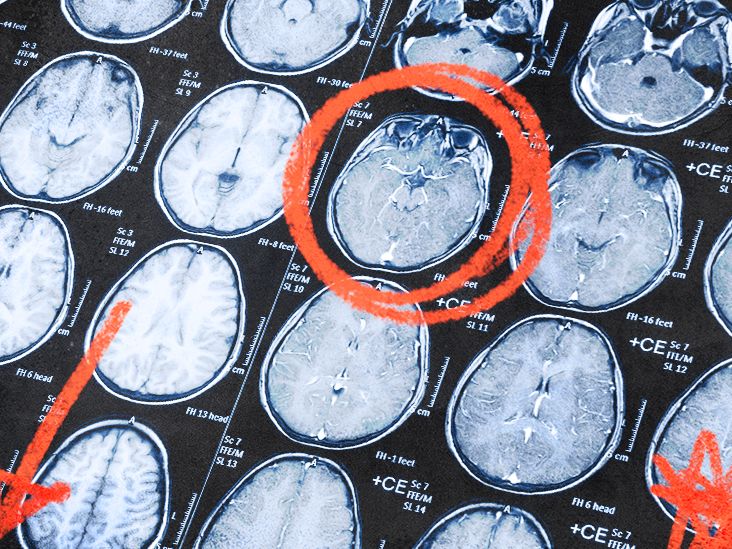
Blood tests or brain imaging may be ordered to exclude other explanations. A dopamine transporter scan may provide supporting information in selected cases, such as helping distinguish a dopamine-related parkinsonian syndrome from essential tremor. It cannot independently confirm classic Parkinson’s or reliably separate it from every related neurological disorder.
When symptoms are subtle or unusual, evaluation by a movement-disorder specialist may improve diagnostic accuracy. Sometimes the most honest initial answer is “possible Parkinson’s, let us monitor the pattern,” rather than forcing certainty before the evidence is ready.
When Should You See a Doctor?
Make an appointment if you notice several persistent changes, particularly when they affect one side more than the other. Examples include resting tremor, reduced arm swing, slower movement, unexplained stiffness, smaller handwriting, softer speech, loss of smell, chronic constipation, or repeated dream enactment.
Seek urgent medical care for sudden weakness, sudden trouble speaking, abrupt loss of balance, severe headache, or rapidly developing movement problems. Parkinson’s symptoms usually emerge gradually; sudden neurological changes may indicate a stroke or another emergency.
Consider keeping a brief symptom diary. Record when the changes began, whether they are constant or intermittent, which side is affected, and whether family members have noticed anything. A short walking or tremor video may also help if symptoms do not appear during the appointment.
Experiences Related to Early Parkinson’s Signs
The following composite experiences illustrate how early Parkinson’s symptoms can appear in ordinary life. They are not descriptions of specific patients and should not be used as diagnostic checklists.
The Handwriting Change Nobody Took Seriously
Imagine an accountant who has kept handwritten notes for 30 years. Over several months, his writing becomes smaller and crowded. He blames rushed meetings and switches pens. His right shoulder also feels stiff, and his right arm barely swings during an evening walk.
None of these changes seems dramatic. His shoulder does not hurt enough for urgent care, and the handwriting problem feels almost comical. Eventually, his spouse notices that he moves more slowly when putting on a jacket. A primary care clinician reviews the combined pattern and refers him to a neurologist.
The lesson is not that small handwriting automatically means Parkinson’s. It is that several one-sided changes developing together can tell a more meaningful story than any symptom alone.
The “I Just Don’t Sleep Well” Experience
Consider a woman whose partner reports that she shouts, kicks, and swings her arms while dreaming. She remembers vivid dreams but has no idea how physically active she becomes. For years, both assume she is simply a dramatic sleeper.
Later, she notices that coffee smells weaker and that constipation has become persistent. She has no tremor. Because Parkinson’s is widely imagined as “the shaking disease,” neither person connects these symptoms with a neurological condition.
A sleep evaluation identifies probable REM sleep behavior disorder. Her clinicians explain that it does not guarantee Parkinson’s, but it warrants treatment for safety and periodic neurological follow-up. Early recognition helps protect her and her partner from nighttime injuries while creating a useful baseline for future assessments.
The Shoulder Problem That Wasn’t Only a Shoulder Problem
Another common experience begins with stiffness or pain. A recreational golfer develops persistent tightness in one shoulder. Physical therapy helps somewhat, but the arm still moves less naturally. He also takes shorter steps and needs longer to stand from a low chair.
Because he is in his late 60s, everyoneincluding himattributes the changes to aging. Aging certainly changes the body, but normal aging does not always explain a clear one-sided pattern, progressive slowness, reduced arm swing, and a resting finger tremor.
After evaluation, he learns that musculoskeletal and neurological problems can coexist. Parkinson’s did not magically erase his shoulder condition; it helped explain why the entire pattern had not responded as expected.
The Emotional Experience of Seeking a Diagnosis
The period before diagnosis can be frustrating. Symptoms may be inconsistent, and friends may say, “You look fine.” A person may wonder whether the changes are real, while family members may alternate between concern and reassurance.
Receiving a diagnosis can bring fear, relief, grief, and determination at the same time. Relief may sound surprising, but having an explanation can end months or years of uncertainty. It also opens the door to treatment, exercise programs, speech or physical therapy, mental health support, and practical planning.
Early evaluation does not mean surrendering to a disease. It means replacing guesswork with information. Parkinson’s progresses differently in every person, and many people remain active, employed, socially connected, and deeply involved in family life for years after diagnosis.
The most helpful experiences often involve a team rather than a heroic solo performance. Neurologists, primary care clinicians, physical therapists, occupational therapists, speech-language pathologists, counselors, caregivers, and support groups can each address a different part of life with Parkinson’s. The brain may be complicated, but care does not have to be lonely.
Conclusion
Parkinson’s disease is a complex neurological condition shaped by aging, biological vulnerability, genetic influences, and environmental factors. Its earliest signs may include resting tremor and slowed movement, but they may also involve smell, sleep, digestion, mood, handwriting, speech, or posture.
One isolated symptom rarely provides an answer. A persistent clusterespecially when changes begin on one side or gradually worsendeserves medical attention. Earlier evaluation can rule out other conditions, establish a useful baseline, and connect a person with treatment and support sooner.














