
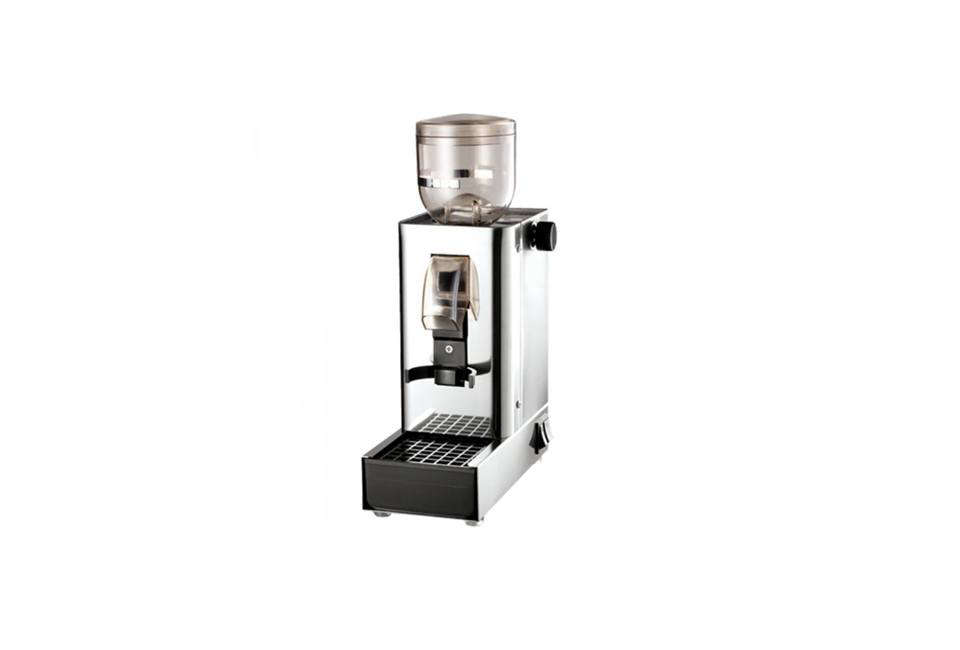
The Pasquini Lux Coffee Grinder is one of those compact espresso grinders that looks small enough to behave politely on a kitchen counter, then turns around and takes espresso seriously. It was designed for home baristas who want more control than a basic blade grinder can offer, especially when dialing in espresso shots for machines such as the Pasquini Livietta, Livia-style machines, or other semi-automatic espresso setups.
At its heart, the Pasquini Lux is a compact burr grinder with stepless adjustment, conical steel burrs, a metal body, and portafilter-focused dosing. That combination tells you exactly who it is for: someone who wants fresh-ground coffee, fine espresso control, and a grinder that does not demand half the countertop like a commercial café beast with a gym membership.
This in-depth guide explains what the Pasquini Lux Coffee Grinder is, how it performs, who should consider it, what its strengths and limitations are, and how to get better results from it in daily use. We will also look at practical experience, dialing-in tips, maintenance habits, and whether this grinder still makes sense for today’s home espresso lovers.
What Is the Pasquini Lux Coffee Grinder?
The Pasquini Lux Coffee Grinder is a home espresso grinder associated with Pasquini Coffee Co., a Los Angeles-based coffee and espresso equipment company. The Lux was built as a compact grinder for residential use, especially for people who wanted a smaller grinder that could still grind fine enough for espresso.
The grinder is often remembered for its small footprint, chrome or stainless-style appearance, conical burr design, and stepless adjustment system. Unlike many entry-level grinders that click from one setting to another, the Lux allows tiny grind changes. For espresso, that matters a lot. A shot can move from sour and watery to sweet and balanced with a very small adjustment. Espresso is dramatic like that.
Archived product specifications list the Pasquini Lux with 50 mm conical steel burrs, a 150-watt motor, direct-drive operation, manual grinding control, an 8.8-ounce bean hopper, a 13.4-inch height, a 4.4-inch width, a 9.1-inch depth, and a weight of about 13 pounds. In plain English, it is narrow, relatively heavy for its size, and built for the kind of home user who values espresso consistency over gadget overload.
Key Features of the Pasquini Lux Coffee Grinder
1. Stepless Grind Adjustment
The biggest reason espresso fans notice the Pasquini Lux is its stepless grind adjustment. Instead of being limited to fixed settings, you can make very fine changes to the grind size. This is especially useful for espresso, where tiny shifts in grind size can change extraction time, crema, body, and flavor.
If your espresso runs too fast and tastes sharp or sour, the grind may be too coarse. If the machine struggles, the shot drips slowly, or the flavor turns harsh and bitter, the grind may be too fine. A stepless grinder lets you sneak up on the sweet spot instead of jumping over it like a caffeinated kangaroo.
2. 50 mm Conical Steel Burrs
The Pasquini Lux uses conical steel burrs. Burr grinders are preferred over blade grinders because they crush or cut beans more consistently instead of chopping them into a chaotic mix of boulders and dust. Consistency helps water move through the coffee bed more evenly, which improves flavor clarity and repeatability.
Conical burrs are often appreciated in home espresso grinders because they can be forgiving, compact, and effective for fine grinding. The Lux is not a modern high-speed commercial grinder with massive flat burrs, but it has the core tool that matters most: a real burr set capable of producing espresso-friendly grounds.
3. Compact Countertop Size
One of the most attractive things about the Pasquini Lux Coffee Grinder is its size. At just over 13 inches tall and only a few inches wide, it fits into kitchens where counter space is treated like beachfront property. It can sit beside a compact espresso machine without making the setup feel like a café renovation project.
The grinder’s narrow footprint also makes it a good candidate for apartment kitchens, coffee carts, office espresso corners, and small home bars. It looks serious without looking enormous.
4. Portafilter Holder and Micro-Switch
The Lux includes a portafilter holder and micro-switch system designed to grind directly into the portafilter. This keeps the workflow simple: insert the portafilter, grind, distribute, tamp, and pull the shot. For espresso drinkers, grinding directly into the portafilter reduces mess and keeps the process focused.
There is also continuous grinding capability for larger amounts, which is useful if you need more coffee for another brew method. That said, the Lux is best viewed as an espresso-first grinder rather than a one-grinder-does-everything machine for a household that switches between espresso, French press, cold brew, and drip every morning before breakfast.
5. Metal Housing and Removable Spill Grate
The metal housing gives the Pasquini Lux a more durable feel than many lightweight plastic grinders. It also includes a removable spill grate to catch stray grounds. Any home barista knows coffee grounds have a supernatural ability to appear in places they were never invited, so a catch tray is more useful than it sounds.
Pasquini Lux Coffee Grinder Specifications
| Feature | Details |
|---|---|
| Recommended Use | Home and residential espresso grinding |
| Adjustment Type | Stepless |
| Burr Type | Conical steel burrs |
| Burr Size | 50 mm |
| Motor Power | 150 watts |
| Hopper Capacity | About 8.8 ounces |
| Height | About 13.4 inches |
| Width | About 4.4 inches |
| Depth | About 9.1 inches |
| Weight | About 13 pounds |
| Voltage | 110V–120V for U.S. models |
How the Pasquini Lux Performs for Espresso
Espresso is the toughest test for most home grinders. It requires fine, consistent particles and enough adjustment range to control flow through the coffee puck. The Pasquini Lux was built with espresso in mind, and its stepless adjustment makes it better suited for dialing in than many basic stepped grinders.
In practice, the Lux works best when you treat it patiently. Make small grind adjustments, purge a little coffee after each change, and judge results by taste and shot behavior rather than by numbers on the dial. Grinder numbers are helpful as landmarks, but they are not universal truth. They are more like “coffee weather reports”useful, but not something to obey blindly.
A good starting point for espresso is to dose consistently, distribute the grounds evenly, tamp level, and aim for a balanced shot time. Many home baristas use a rough target of 25 to 30 seconds for a double espresso, although taste should always be the final judge. If the shot tastes thin and sour, go finer. If it tastes bitter, dry, or harsh, go slightly coarser or adjust dose and yield.
Who Should Buy or Use the Pasquini Lux Coffee Grinder?
Best For Home Espresso Beginners Moving Up
The Pasquini Lux is a strong fit for someone upgrading from a blade grinder, pre-ground coffee, or a very basic burr grinder. If you have an espresso machine with a non-pressurized portafilter, the grinder becomes even more important. Pre-ground coffee may work in a pressurized basket, but it rarely gives you the control needed for true espresso dialing.
Best For Small Kitchens
If your kitchen counter is already crowded with a toaster, kettle, blender, air fryer, and that one decorative bowl nobody uses, the Lux makes sense. It offers a compact footprint while still feeling sturdy.
Best For Espresso-Focused Drinkers
The Lux is most appealing if espresso is your main brew method. It can adjust across a wide range, but stepless grinders can be less convenient if you constantly jump between espresso and much coarser brewing styles. If you brew French press in the morning, drip at lunch, and espresso after dinner, you may prefer a grinder with easier repeatable settings.
Who Might Not Love the Pasquini Lux?
The Pasquini Lux is not perfect for everyone. Users who want modern timed dosing, digital displays, grind-by-weight technology, ultra-low retention, or quiet operation may find it old-school. It is more mechanical than flashy. It does not try to be a smart appliance. It just grinds coffee, which is refreshingly honest but not exactly Silicon Valley.
Because the Lux has been listed as an older or discontinued product by some retailers, buyers may also need to consider parts availability, burr replacement options, and used-condition risks. If you are buying one secondhand, inspect the burrs, motor sound, adjustment movement, hopper, portafilter fork, and signs of heavy use.
Pasquini Lux vs. Blade Grinder
Comparing the Pasquini Lux to a blade grinder is like comparing a chef’s knife to a ceiling fan. Technically, both have spinning metal involved. Practically, they live in different universes.
A blade grinder chops beans unevenly. Some particles become powder, while others stay chunky. When hot water hits that uneven coffee bed, the tiny particles over-extract and the large particles under-extract. The result can taste bitter and sour at the same time, which is unfair to your mouth and frankly rude.
The Pasquini Lux uses burrs, which create a more controlled grind size. That consistency gives espresso a better chance of extracting evenly. If you are serious about improving home espresso, upgrading from a blade grinder to a burr grinder is one of the biggest leaps you can make.
How to Dial In the Pasquini Lux Coffee Grinder
Step 1: Start With Fresh Whole Beans
Fresh beans matter. Coffee begins losing aroma faster after grinding, so grind only what you need right before brewing. Store beans in an airtight, opaque container away from heat, light, and moisture. The grinder can do a lot, but it cannot resurrect beans that taste like they have been living in a desk drawer since last tax season.
Step 2: Use a Consistent Dose
Pick a dose that fits your basket, such as 16 to 18 grams for many double baskets. Use a scale if possible. Guessing by eye can work eventually, but a scale removes mystery and drama from the process.
Step 3: Adjust While the Grinder Is Running
With many burr grinders, it is best to make grind adjustments while the grinder is running or while the burrs are clear of beans. This helps avoid jamming the mechanism, especially when moving finer. Small adjustments are safer and easier to track.
Step 4: Taste and Time the Shot
Time is a useful guide, but flavor is the boss. A shot that runs in 27 seconds and tastes unpleasant is not a success just because the stopwatch smiled. Look for sweetness, body, balanced acidity, and a pleasant finish.
Step 5: Change One Variable at a Time
Adjust only one thing at a time: grind size, dose, yield, or tamping. If you change everything at once, you will not know what helped. Espresso rewards patience and punishes chaos. It is basically a tiny beverage-shaped science project.
Cleaning and Maintenance Tips
Regular cleaning keeps the Pasquini Lux performing better. Coffee oils and old grounds can build up inside the chute and burr chamber, affecting flavor and consistency. A basic cleaning routine should include brushing away loose grounds, wiping the hopper, emptying the catch tray, and occasionally cleaning around the burr area according to safe grinder maintenance practices.
Avoid oily beans if possible, especially very dark roasts that leave shiny residue. Oily beans can cling to grinder parts and create buildup faster. If you love dark roast espresso, clean more often. Your grinder may not complain verbally, but your coffee will.
Also pay attention to burr wear. Burrs dull over time, and dull burrs produce more fines, slower grinding, more heat, and less clarity in the cup. If a used Pasquini Lux seems inconsistent despite careful technique, worn burrs may be part of the problem.
Buying a Used Pasquini Lux Coffee Grinder
Because the Pasquini Lux is often found through older listings or secondhand markets, buying used requires a little detective work. Ask the seller how often it was used, whether it was used mostly for espresso, whether the burrs have ever been replaced, and whether the adjustment knob moves smoothly.
When inspecting the grinder, listen for rough motor noises, check that the hopper sits securely, verify that the portafilter switch works, and look for cracks, missing screws, or heavy internal residue. A few cosmetic scratches are normal. A grinder that sounds like a lawn mower full of gravel is less charming.
A used Lux can be a good value if the price is fair and the grinder is clean, functional, and complete. However, if replacement parts are difficult to find or the burrs need immediate replacement, factor that into the real cost.
Strengths and Weaknesses of the Pasquini Lux Coffee Grinder
Strengths
- Compact footprint for small kitchens and home espresso bars
- Stepless adjustment for fine espresso control
- Conical steel burrs for better consistency than blade grinders
- Metal body with a sturdy feel
- Direct portafilter grinding workflow
- Simple manual operation without unnecessary electronics
Weaknesses
- Older design compared with modern espresso grinders
- May be discontinued or harder to find new
- Parts and burr replacement may require extra research
- No digital timer or grind-by-weight dosing
- Stepless adjustment can be inconvenient for frequent brew-method switching
- May be noisier or slower than newer premium grinders
Real-World Experience With the Pasquini Lux Coffee Grinder
Using the Pasquini Lux Coffee Grinder feels a little different from using a modern push-button grinder with a screen, timer, and enough icons to launch a spacecraft. The Lux is more hands-on. You learn the grinder by listening to it, watching the flow of espresso, feeling the grounds, and making small changes.
The first thing most users notice is the size. It is slim and tall enough to look purposeful without dominating the counter. Next to a compact espresso machine, it creates a tidy home barista station. The metal body gives it a reassuring weight, so it does not feel like it will wander across the counter when grinding.
The workflow is simple. Beans go into the hopper, the portafilter rests under the chute, and the grinder delivers fresh grounds directly where they need to go. There may be a little mess, as with almost every espresso grinder ever made by humankind, but the spill grate helps catch some of the evidence.
Dialing in takes patience. The stepless knob is both the Lux’s superpower and its learning curve. A tiny adjustment can make a meaningful difference, but if you spin too far too quickly, you may lose your previous setting. The best approach is to move slowly, use a scale, write down rough reference points, and let taste guide the final decision.
For milk drinks, the Lux can be very satisfying. A balanced espresso shot gives lattes and cappuccinos more sweetness and body. If the grind is too coarse, the drink may taste hollow under the milk. If it is too fine, bitterness may push through like an unwanted guest at brunch. Once dialed in, the grinder can produce shots that feel much more café-like than anything made with pre-ground coffee.
The grinder also teaches good habits. Because it is manual and direct, it encourages you to pay attention. You learn how beans change as they age, how humidity affects grind behavior, and how a small grind adjustment can rescue a shot. It is not the most automated path, but it is a useful education.
One practical experience worth noting is retention and cleanup. Like many compact grinders, the Lux may hold some grounds in the chute or burr area. A short purge before dialing in or switching beans can help. Brushing the chute and keeping the hopper clean will also improve flavor. Old coffee trapped in a grinder tastes exactly as glamorous as it sounds.
Noise can be another consideration. The Pasquini Lux is not silent. If you grind early in the morning while everyone else is sleeping, it may announce your espresso ambitions to the household. The good news is that grinding for espresso is brief, so the noise does not last long. It is more of a quick mechanical “good morning” than a full concert.
The best experience with the Pasquini Lux comes when expectations are realistic. It is not a modern luxury grinder with huge burrs, ultra-fast output, or programmable dosing. It is a compact, sturdy, espresso-capable grinder with serious adjustment control. For the right user, that is enough. More than enough, actually.
If you find one in good condition, the Pasquini Lux can still be a charming and capable part of a home espresso setup. It rewards careful use, fresh beans, and consistent technique. It is especially enjoyable for people who like the ritual of espresso: weigh, grind, distribute, tamp, pull, taste, adjust, repeat. That ritual may sound fussy to outsiders, but to coffee people, it is basically meditation with better crema.
Final Verdict: Is the Pasquini Lux Coffee Grinder Worth It?
The Pasquini Lux Coffee Grinder is worth considering if you want a compact, espresso-focused burr grinder with stepless adjustment and a sturdy build. It is especially appealing as a used or legacy grinder for home baristas who value manual control and do not need digital features.
Its biggest advantages are grind control, countertop-friendly size, and espresso capability. Its biggest drawbacks are its older design, possible parts availability concerns, and lack of modern dosing conveniences. In other words, the Lux is not for everyone, but it has a clear personality: small, serious, and surprisingly capable.
For home espresso lovers, the grinder is often more important than the machine. The Pasquini Lux proves that point well. Give it fresh beans, thoughtful adjustments, and regular cleaning, and it can help produce espresso that tastes far better than its modest size suggests.
Conclusion
The Pasquini Lux Coffee Grinder remains an interesting choice for espresso-focused home baristas who want a compact grinder with real burrs, stepless adjustment, and a sturdy build. It may not have the modern polish of newer grinders, but it offers the core features that matter most for better espresso: grind consistency, fine control, and fresh dosing. If you enjoy hands-on coffee making and can find a well-maintained unit, the Lux can still earn a respected place in a home espresso setup.














