
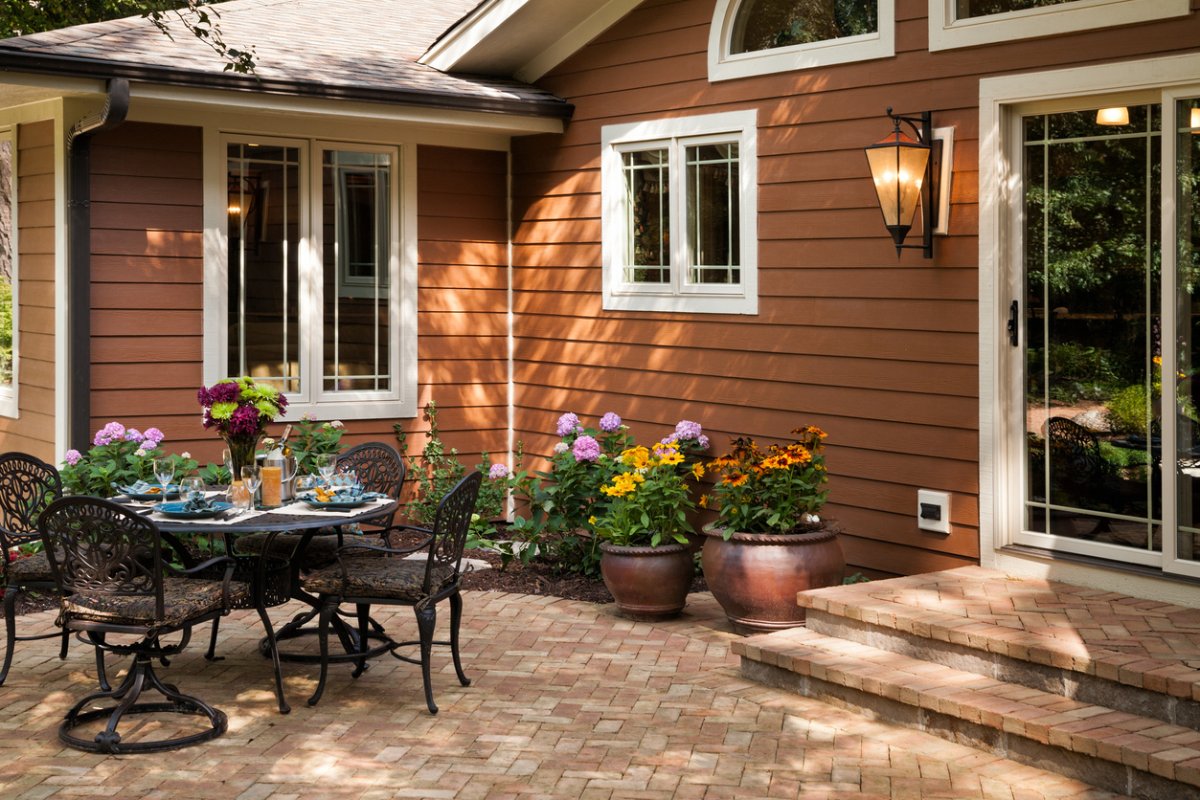
A patio is where coffee becomes a personality trait, dinner somehow tastes better, and one chair always becomes “the chair nobody sits in because it wobbles.” But before the furniture, string lights, grill, planters, and dramatic weatherproof cushions arrive, there is one big decision that determines how your outdoor space looks, feels, drains, ages, and behaves under real life: the patio material.
Choosing the best patio material is not just about picking the prettiest surface at the garden center. Concrete, brick, gravel, natural stone, porcelain pavers, and composite options all have their own strengths, weaknesses, maintenance needs, installation quirks, and budget personalities. Some are wonderfully affordable. Some are so elegant they practically demand you learn the word “charcuterie.” Some are easy to repair. Others are low-maintenance until they meet tree roots, freeze-thaw cycles, or a toddler with a popsicle.
This guide breaks down the most popular patio materials in plain American English, with practical examples, cost considerations, design advice, and a few friendly warnings from the school of “measure twice, dig once, and do not trust that one YouTube comment from 2014.”
Why Patio Material Choice Matters
Your patio surface is the foundation of your outdoor living space. It affects safety, comfort, drainage, resale appeal, maintenance, and even how much heat radiates back at your ankles in July. A good patio material should match your climate, soil, budget, home style, and the way you actually plan to use the space.
A quiet reading nook does not need the same surface as a high-traffic grilling zone. A poolside patio needs slip resistance and drainage. A dining patio needs enough stability for chairs and tables. A fire pit area needs heat tolerance. And if your yard has drainage problems, the wrong material can turn your patio into a shallow decorative pond, which is charming only if you ordered koi.
Concrete Patios: Affordable, Flexible, and Familiar
Concrete is one of the most common patio materials in the United States, and for good reason. It is budget-friendly, widely available, durable, and highly customizable. A basic poured concrete patio can provide a clean, modern surface without demanding a royal landscaping budget.
Best for: Budget-conscious homeowners and modern designs
Plain concrete works well for large patios, minimalist homes, outdoor kitchens, and spaces where furniture stability matters. It can also be upgraded with color, stamping, broom finishes, exposed aggregate, or decorative scoring. Stamped concrete can mimic stone, brick, slate, or even wood planks, though nobody should expect concrete to whisper, “I am imported Italian limestone.” It is still concretebut it can dress up nicely.
Pros of concrete patios
- Usually less expensive than natural stone or premium pavers
- Strong and long-lasting when installed correctly
- Easy to shape into curves, squares, rectangles, and custom layouts
- Works with stains, stamped patterns, and decorative finishes
- Provides a smooth surface for dining furniture and grills
Cons of concrete patios
Concrete can crack. That is not a scandal; it is basically concrete’s autobiography. Proper control joints, base preparation, reinforcement, and drainage reduce the risk, but cracks can still happen because of soil movement, freeze-thaw cycles, tree roots, or poor installation. Repairs may also be visible, especially on colored or stamped surfaces.
Concrete also absorbs stains unless sealed. Grease from grills, rust from metal furniture, leaves, and spilled drinks can leave marks. A sealer helps, but it must be reapplied periodically depending on wear and exposure.
Concrete Pavers: The Practical Overachievers
Concrete pavers are individual manufactured units that come in many shapes, colors, sizes, and textures. They can imitate brick, cobblestone, flagstone, or contemporary slabs. Unlike poured concrete, pavers move independently, which means one damaged piece can often be replaced without tearing up the entire patio.
Best for: Flexible design and easier repairs
Concrete pavers are a strong choice for homeowners who want a polished look with practical maintenance. They are especially useful in climates where ground movement is common, because the joints can absorb some shifting. If a paver stains, cracks, or settles, you can remove and reset that section instead of performing patio surgery on the whole surface.
Pros of concrete pavers
- Available in many colors, shapes, textures, and patterns
- Easier to repair than poured slabs
- Can be installed dry-laid over a compacted gravel and sand base
- Generally strong under foot traffic and outdoor furniture
- Works well for geometric, traditional, or modern patios
Cons of concrete pavers
Pavers require good base preparation. Skimp on the base, and your patio may begin to resemble a tiny hardscape roller coaster. Proper excavation, compacted gravel, bedding sand, edge restraints, and joint filling are essential. Weeds can also appear in joints if debris accumulates or if joints are not filled and maintained correctly.
Concrete pavers may fade over time, especially darker colors in strong sun. Sealing can help preserve color and resist stains, but it adds recurring maintenance.
Brick Patios: Classic Charm With Serious Staying Power
Brick patios have a timeless look that works beautifully with Colonial, cottage, farmhouse, Craftsman, and traditional homes. True clay brick pavers are fired at high temperatures, giving them rich color and impressive durability. Unlike concrete that is colored on or throughout depending on the product, clay brick gets its color from the clay and firing process, so it tends to age gracefully.
Best for: Traditional homes and warm, character-filled spaces
Brick is perfect for homeowners who want a patio that feels established from day one. It pairs beautifully with gardens, ivy, white trim, black shutters, copper lanterns, and the kind of outdoor table where lemonade appears as if by magic.
Pros of brick patios
- Classic, warm, and highly recognizable appearance
- Durable and suitable for long-term outdoor use
- Color tends to remain attractive over time
- Can be installed in patterns such as running bond, basket weave, or herringbone
- Individual bricks can be replaced if damaged
Cons of brick patios
Brick can cost more than basic concrete options, especially with professional installation. It also requires a well-built base and edge restraint system to prevent shifting. In shaded or damp areas, brick may grow moss or become slippery if neglected. Some people love that aged garden look; others prefer not to ice-skate to the grill.
Brick patios also offer fewer color options than concrete pavers. You get rich reds, browns, buffs, and earthy tones, not neon aqua. This is probably a blessing.
Natural Stone Patios: Beautiful, Durable, and Never Boring
Natural stone is the luxury sweater of patio materials: handsome, long-lasting, and occasionally expensive enough to make you blink twice. Popular choices include flagstone, bluestone, slate, limestone, sandstone, travertine, and granite. Each stone type has its own texture, color range, density, and weather behavior.
Best for: High-end landscapes and organic designs
Natural stone shines in gardens, courtyards, pool areas, rustic landscapes, and homes where a manufactured surface would feel too crisp. It creates a one-of-a-kind patio because no two stones are exactly the same. That variation is part of the appeal.
Pros of natural stone patios
- Elegant, authentic, and visually unique
- Can last for decades with proper installation and maintenance
- Offers natural texture and color variation
- Works with formal, rustic, Mediterranean, and modern landscapes
- Often increases the perceived quality of an outdoor space
Cons of natural stone patios
Natural stone can be expensive, heavy, and labor-intensive to install. Irregular flagstone may require careful fitting, and uneven surfaces can be tricky for dining chairs, high heels, walkers, or anyone carrying a tray of burgers with heroic optimism.
Some stones are porous and may need sealing to resist stains, moisture, or freeze-thaw damage. Softer stones can scratch or flake. Dark stones may become hot in full sun. Before choosing a stone, consider your climate, shade level, pool chemicals, deicing salts, and whether bare feet will be involved.
Flagstone Patios: Rustic Beauty With a Natural Shape
Flagstone deserves its own spotlight because it is one of the most beloved patio materials. The term usually refers to flat slabs of natural stone such as sandstone, slate, limestone, or bluestone. It can be installed with irregular joints for a garden-like look or cut into more regular shapes for a formal layout.
Best for: Garden patios, fire pits, and natural landscapes
Flagstone looks fantastic around planting beds, pergolas, water features, and informal seating areas. It feels organic rather than manufactured. The trade-off is that uneven stone thickness and irregular edges require careful installation.
For a dining area, choose thicker, flatter stones with tight joints. For a casual garden path or fire pit zone, wider joints filled with gravel, ground cover, or polymeric sand may work beautifully. Just remember: chair legs are dramatic little creatures. Give them a stable surface or they will complain by wobbling.
Gravel Patios: Budget-Friendly and Relaxed
Pea gravel and crushed stone patios are popular because they are affordable, DIY-friendly, and naturally permeable. Gravel gives a casual, European garden feel without requiring every weekend to become a construction documentary.
Best for: Informal seating areas and low-cost outdoor rooms
Gravel works well for fire pit areas, side yards, garden seating, small patios, and spaces where drainage is important. It is especially attractive when contained with metal, stone, brick, or timber edging.
Pros of gravel patios
- Usually one of the most affordable patio materials
- Excellent drainage when installed over a proper base
- DIY-friendly for small projects
- Soft, informal appearance
- Easy to refresh by adding more gravel
Cons of gravel patios
Gravel moves. It gets kicked, dragged, raked, migrated, and occasionally transported into the house by shoes, pets, and children who apparently work for the gravel lobby. Furniture may sink or wobble unless the gravel is stabilized or paired with larger stepping stones. Leaves and debris can also be annoying to remove.
For best results, use proper edging, a compacted base, landscape fabric only where appropriate, and a gravel size that locks together better than perfectly round pea gravel. Crushed stone is usually more stable under furniture, while pea gravel is softer underfoot but more mobile.
Porcelain Pavers: Sleek, Modern, and Surprisingly Tough
Outdoor porcelain pavers have become increasingly popular for modern patios. They are dense, low-absorption, stain-resistant, fade-resistant, and available in styles that mimic stone, concrete, and wood. Unlike indoor ceramic tile, outdoor porcelain pavers are specifically designed for exterior use and should have appropriate thickness, texture, and slip-resistance ratings.
Best for: Contemporary patios, pool surrounds, and low-maintenance spaces
Porcelain pavers are ideal for homeowners who want a clean, upscale look with minimal staining and fading. They are especially useful in covered patios, modern courtyards, rooftop terraces, and pool areas.
Pros of porcelain pavers
- Very low water absorption
- Resistant to stains, fading, mold, and many chemicals
- Available in realistic stone, concrete, and wood-look finishes
- Can be easier to clean than porous stone
- Good option for modern outdoor designs
Cons of porcelain pavers
Porcelain can be more expensive than basic concrete pavers and may require experienced installation. Edges can chip if mishandled, and thin tiles are not the same as structural outdoor pavers. Always choose products rated for exterior use, wet conditions, and your climate. Around pools or rainy areas, prioritize textured surfaces with appropriate slip resistance.
Composite and Recycled Pavers: Lightweight Alternatives
Some patios use composite, rubber, or recycled plastic pavers. These materials appeal to homeowners who want lightweight products, recycled content, or easy installation over certain existing surfaces. They can work well for small patios, balconies, temporary areas, or low-load applications.
However, performance varies widely by brand and product. Before choosing recycled or composite pavers, check load ratings, UV resistance, temperature performance, warranty details, and whether the product is suitable for direct ground contact. “Eco-friendly” is great. “Eco-friendly but warped into a potato chip by August” is less great.
How to Choose the Best Patio Material for Your Home
1. Start with how you will use the patio
If the patio is for outdoor dining, choose a stable surface such as concrete, concrete pavers, brick, porcelain, or well-laid stone. If it is for a fire pit, gravel, flagstone, brick, or pavers can work well. If it surrounds a pool, focus on slip resistance, heat comfort, and drainage. If it is mainly decorative, you have more freedom to choose texture and charm over perfect chair stability.
2. Match the material to your climate
Freeze-thaw cycles can punish porous materials and poorly installed slabs. Hot climates can make dark stone uncomfortable. Coastal areas may expose materials to salt and moisture. Shaded yards may encourage moss. The best patio material in Arizona may not be the best choice in Maine, and the best choice in Seattle may need to know how to live with rain as a roommate.
3. Think about maintenance honestly
Every patio needs some care. Concrete may need sealing. Pavers may need joint maintenance. Brick may need moss control. Natural stone may need sealing and gentle cleaning. Gravel may need raking and replenishing. If you want the lowest possible maintenance, choose a durable, stain-resistant material and design the patio to drain well from the beginning.
4. Respect drainage and slope
A patio should slope away from the house, not toward the foundation. Water should move off the surface or through it, depending on the material. Poor drainage causes settling, staining, ice hazards, erosion, and foundation concerns. This is the part of patio building where “it looks flat enough” becomes a villain origin story.
5. Budget beyond the surface material
The visible patio material is only one part of the cost. Excavation, base gravel, sand, edging, drainage, demolition, delivery, labor, permits, steps, retaining edges, lighting, and furniture all affect the final price. A cheap material installed badly is not a bargain; it is a future weekend with a shovel.
Quick Patio Material Comparison
| Material | Best Feature | Main Drawback | Maintenance Level |
|---|---|---|---|
| Concrete | Affordable and versatile | Can crack and stain | Low to medium |
| Concrete Pavers | Easy repairs and design variety | Needs excellent base prep | Medium |
| Brick | Classic charm and durability | Can shift or grow moss in damp areas | Low to medium |
| Natural Stone | Premium, unique appearance | Higher cost and varied maintenance | Medium |
| Flagstone | Rustic garden beauty | Uneven surfaces can be tricky | Medium |
| Gravel | Low cost and great drainage | Shifts under furniture | Medium |
| Porcelain Pavers | Modern, stain-resistant finish | Higher product and installation cost | Low |
Installation Basics Homeowners Should Understand
Even the best patio material can fail if installed over a weak base. For pavers, brick, and stone, the base usually includes excavation, compacted gravel, bedding sand or setting material, edge restraints, and joint filling. For concrete, proper soil preparation, formwork, control joints, reinforcement, and curing matter. For gravel, excavation, edging, base compaction, and depth are what keep it from spreading like gossip at a block party.
DIY installation may be realistic for gravel patios, small paver areas, and simple layouts. Professional installation is usually smarter for large patios, complex drainage, natural stone, porcelain pavers, stamped concrete, sloped yards, or projects attached to outdoor kitchens and retaining walls.
My Real-World Experience With Patio Materials
After seeing many patio projects go from “dream backyard” to “why is there a puddle shaped like Florida,” one lesson stands above the rest: the material matters, but the preparation matters more. Homeowners often fall in love with the top surface first, which makes sense. That is the part you see. Nobody invites neighbors over to admire the compacted gravel base. But that hidden base is what keeps the patio level, stable, and enjoyable years later.
Concrete patios are often the easiest to understand. You pour it, finish it, and use it. But in practice, the best concrete patios are planned carefully. Control joints should look intentional, not like someone remembered them at the last minute. The finish should match the use. A slick finish near a pool or rainy doorway is a bad idea wearing a shiny hat. A light broom finish is safer and still clean-looking. If you want stamped concrete, hire someone who does it often. Pattern alignment, color hardener, release agent, sealing, and drainage all require skill.
Paver patios are my favorite middle-ground option for many homes because they balance appearance, repairability, and design flexibility. When installed over a proper base, they feel substantial and polished. The biggest mistake is rushing the excavation and compaction. If the base is too shallow or poorly compacted, the patio may settle unevenly. The second mistake is skipping edge restraints. Without strong edges, pavers slowly wander outward like they are trying to leave the group chat.
Brick patios are wonderful when the house style supports them. They add instant warmth and character. I especially like brick in courtyards, side patios, and garden paths where a little age makes the space better. However, brick in constantly damp shade needs regular cleaning. Moss can be charming until it becomes slippery. A stiff brush, good drainage, and sunlight where possible make a big difference.
Natural stone is the showstopper, but it requires honest planning. Thick, flat stone is better for dining. Irregular flagstone is better for casual lounge areas and garden settings. If you plan to roll a grill, use dining chairs, or place a large table, avoid wide uneven joints. Beautiful stone can become frustrating if every chair leg gets trapped in a gap. Also, test how hot the stone gets in sun. A dark surface may look dramatic but feel like a skillet in bare feet.
Gravel patios are underrated but not universal. They are charming, affordable, and excellent for drainage, but they are not the best choice for every dining area. If you love the look, consider combining gravel with large pavers under the table and chairs. That way you get the soft garden texture without fighting chair legs all summer.
Porcelain pavers are excellent for a crisp modern look, especially when homeowners want low staining and minimal fading. The key is to use true outdoor-rated pavers, not indoor tile pretending to be rugged. Choose texture carefully. A patio should not become a slip-and-slide just because the brochure looked fancy.
The final experience-based advice is simple: bring samples home. Look at them in morning light, afternoon sun, rain, and shade. Put a chair on them. Spill a little water. Walk barefoot if that matters to you. The best patio material is not the one that looks best in a showroom; it is the one that still makes sense after weather, furniture, food, pets, kids, leaves, and real life have all had their say.
Conclusion: The Best Patio Material Is the One That Fits Your Life
There is no single best patio material for every home. Concrete is practical and affordable. Pavers are flexible and repairable. Brick is timeless. Natural stone is elegant. Flagstone is organic and relaxed. Gravel is budget-friendly and casual. Porcelain is sleek and low-maintenance. The right choice depends on your climate, budget, style, maintenance tolerance, and how the patio will actually be used.
Before you buy, think beyond color and price. Consider drainage, slope, base preparation, furniture stability, cleaning, sealing, repair options, and long-term comfort. A patio should not just look good on installation day. It should still welcome you outside years later, ready for coffee, cookouts, quiet evenings, and at least one chair that mysteriously becomes everyone’s favorite.













