
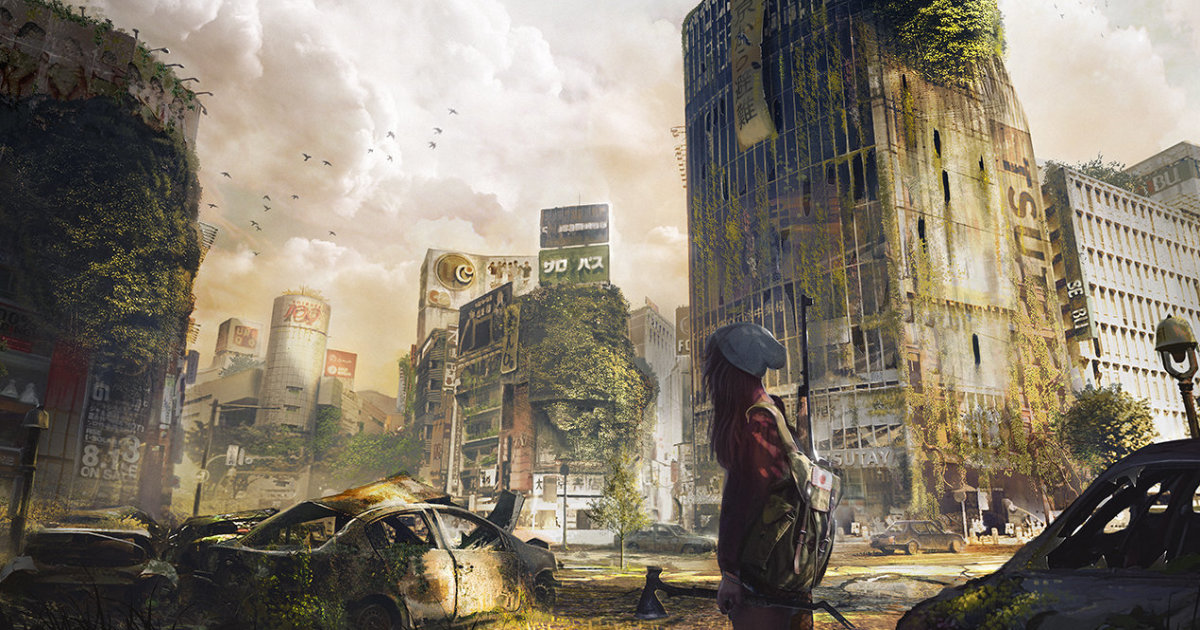
There is a strange little achievement unlocked when people look at your fanart and ask, “Wait, is this official?” On one hand, it feels like a gold medal dipped in validation. On the other hand, it can make your stomach do a tiny backflip because fanart lives in a creative neighborhood where inspiration, fandom, copyright, community, and confusion all rent apartments on the same block.
Fanart is one of the most joyful corners of internet culture. It lets artists celebrate the games, movies, anime, comics, books, and characters that made them feel something. A fan artist can redraw a hero in a new style, imagine a side character’s quiet morning, redesign a villain’s outfit, or create a poster for a scene that never existed but absolutely should have. Sometimes, though, the work becomes so polished, on-brand, or emotionally accurate that people mistake it for official art.
That mix-up is flattering. It can also be risky if the artist does not clearly label the work as unofficial. The key is not to stop making fanart. The key is to understand why people get confused, how to protect your reputation, and how to respect the original creators while still building your own artistic identity.
Why People Mistake Fanart for Official Art
Most people do not examine art like detectives with magnifying glasses and suspicious eyebrows. They scroll quickly. They see a familiar character, a clean composition, a professional-looking logo, and a caption that sounds confident. Their brain fills in the rest: “Ah yes, new official promo art.”
This happens more often when fanart matches the visual language of the original property. If a piece uses similar colors, typography, composition, lighting, costume details, or marketing-style framing, it may look like a studio release. A fake movie poster, collectible card design, game splash art, or animated-series-style character sheet can be especially convincing.
The Power of Familiar Branding
Official media trains audiences to recognize patterns. Marvel posters have a certain energy. Nintendo character art has a specific polish. Anime key visuals often use dramatic poses, glowing effects, and carefully arranged casts. Video game promotional art may use cinematic lighting, crisp silhouettes, and intense background atmosphere. When fanart borrows these signals, people may assume the art came from the company itself.
The confusion is not always about copying. Sometimes it happens because the fan artist understands the character deeply. The expression feels right. The costume details are accurate. The pose captures the personality. The finished artwork looks like it belongs in the universe. That is the magic and the complication of great fanart: it can feel official because it understands the soul of the source material.
Fanart Is Creative, Even When It Starts With Someone Else’s World
Some people dismiss fanart as “just drawing someone else’s character,” which is like saying cooking is “just heating plants and animals.” Technically, yes. Emotionally, please sit down.
Good fanart requires interpretation. An artist decides what moment to show, what mood to create, which visual details to emphasize, and how to translate a known character through their own hand. A cute chibi version, a gritty realistic redesign, a 1920s fashion reimagining, or a painterly tribute all require creative decisions. Fanart can teach composition, anatomy, color theory, storytelling, lighting, design, and audience awareness.
Many professional artists built early confidence through fanart. It gives beginners a familiar subject and an existing audience, which makes practice feel less lonely. Instead of staring at a blank canvas wondering what to draw, the artist can say, “What if this character had a rainy-day scene?” Suddenly the blank canvas has a door.
The Big Difference Between “Inspired” and “Official”
The phrase “people mistake my fanart as official” usually means one of two things. The harmless version is when viewers compliment the quality: “This looks official!” The more complicated version is when people genuinely believe the fanart was released by the brand, studio, publisher, or creator.
That second version is where artists should be careful. Official art carries authority. It can imply a new product, new episode, new game skin, new character design, or approved merchandise. If fans believe your art is official, they may spread it with incorrect captions, create rumors, or accuse the original company of announcing something it never announced. The internet loves confusion. It feeds it, waters it, and gives it a tiny hat.
Why Clear Labeling Matters
A simple disclaimer can prevent a lot of trouble. Phrases like “unofficial fanart,” “fan-made concept,” “not affiliated with the rights holder,” or “personal tribute artwork” help viewers understand the context. This is especially useful when posting polished mockups, fake posters, concept skins, packaging designs, collectible cards, or anything that resembles official marketing.
Clear labeling is not just legal housekeeping. It is also respectful communication. It tells the audience: “I made this because I love the work, but I am not speaking for the company.” That honesty protects the fan community, the original creators, and your own credibility.
Copyright, Fair Use, and the Fanart Gray Area
Fanart often involves characters, settings, logos, names, or designs owned by someone else. In the United States, copyright protects original creative expression, and many fan works are based on copyrighted material. Fair use can protect certain uses, especially commentary, criticism, parody, education, or transformative expression, but it is not a magic shield that activates because someone typed “no infringement intended” in the caption.
Fair use is evaluated through several factors, including the purpose of the use, the nature of the original work, how much is used, and the effect on the potential market. That means fanart can be more or less risky depending on context. A personal sketch posted to social media is different from mass-producing prints, shirts, stickers, enamel pins, or digital assets that compete with licensed merchandise.
This does not mean every fan artist should panic and delete their gallery while dramatically whispering, “I was young.” It means artists should be aware. Many companies tolerate or even encourage noncommercial fan creativity because it builds community. Others enforce their rights aggressively, especially when money, trademarks, logos, or brand confusion are involved.
Commercial Fanart Is a Different Conversation
Selling fanart introduces more risk than simply sharing it. Prints, charms, apparel, stickers, posters, and downloadable assets may be seen as competing with official products. Even if the artwork is beautifully drawn, the underlying character or franchise may still belong to someone else. Some companies have fan-content policies that allow limited uses under specific rules. Others do not.
Before selling fanart, creators should check the official fan-content policy of the relevant company. Some policies allow noncommercial fan works but restrict merchandise. Some allow donations or ad revenue under certain conditions. Some require disclaimers. Some ban the use of logos or official branding. The safest habit is to read the actual policy instead of relying on a random forum comment from 2012 written by a user named DragonSnack42.
Trademark Confusion: The “Looks Official” Problem
Copyright is not the only issue. Trademark law focuses on source confusion. In plain English, if people might think your product, page, or artwork comes from the official brand, that can create problems. This is why using official logos, exact product packaging, official-style account names, or brand-like storefront designs can be risky.
For example, a fan-made poster labeled “Season 3 Official Key Visual” would be misleading. A fan account using a studio logo as its profile picture and posting art without “fan account” in the bio could confuse people. A sticker shop that looks like a licensed brand store may raise more concerns than an artist portfolio clearly labeled as fan-made tribute work.
The lesson is simple: do not pretend to be the source. Do not let your layout, caption, watermark, or shop name imply official approval if there is none. Your art can be professional without impersonating the brand.
How to Label Fanart Without Killing the Magic
Some artists worry that disclaimers make their posts look less elegant. But a good disclaimer does not have to stomp into the room wearing muddy boots. It can be short, clean, and professional.
Useful Disclaimer Examples
Here are a few simple options:
- “Unofficial fanart. Not affiliated with or endorsed by [Brand/Studio/Publisher].”
- “Fan-made concept art inspired by [Franchise].”
- “Personal tribute piece. Characters belong to their respective rights holders.”
- “This is a fan-made poster, not an official announcement.”
- “Unofficial redesign for portfolio practice.”
For social media, place the disclaimer in the caption, alt text, or first comment. For portfolio pages, put it near the artwork description. For mockups, include “fan-made” directly in the image or title. For shops, be extra careful because a disclaimer may not fix everything if the product itself still uses protected characters or branding.
Watermarks, Signatures, and Artist Credit
When people mistake fanart for official art, it often spreads fast. Unfortunately, credit can disappear faster than snacks at a convention table. A tasteful watermark or signature helps viewers trace the work back to you. It also reduces the chance that repost accounts, rumor pages, or low-effort content farms present your piece as official material.
A good watermark should be visible but not obnoxious. Think “artist signature,” not “security sticker slapped across a museum painting.” Place your handle where it is difficult to crop without damaging the composition. Keep a clean version for your portfolio if needed, but post a credited version publicly.
Credit the Original, But Do Not Hide Yourself
Fanart should acknowledge the original source, but fan artists should also credit their own labor. A caption can say, “Fanart by [Your Name], inspired by [Franchise]. Character belongs to [Rights Holder].” This makes the relationship clear: the character is not yours, but the illustration is your creative work.
This distinction matters because fan artists often face reposting without credit. Someone may upload your art to Pinterest, TikTok, Instagram, or a wiki-style page with no name attached. When the work is mistaken as official, your authorship can vanish. Clear signatures and captions help preserve the paper trail.
When the Compliment Feels Weird
“This looks official” is usually meant as praise. It says the work is polished, believable, and skilled. But it can also feel strange because many artists do not want to disappear behind the franchise. They want their fanart to show love for the source material and their own artistic voice.
If every comment says “I thought this was official,” the artist may wonder whether people see the personal style at all. That is a real feeling. Fanart can be a bridge to original work, but it should not become a cage. The healthiest approach is to accept the compliment while continuing to develop a signature style, original characters, and portfolio pieces that show range.
How to Make Fanart Look Professional Without Misleading People
You do not need to make your fanart look amateur to prove it is unofficial. Please do not add bad anatomy as a legal disclaimer. Instead, use professional clarity.
Best Practices for Posting Polished Fanart
- Use “fanart,” “fan-made,” or “unofficial” in the title or caption.
- Avoid official logos unless the policy clearly allows them.
- Do not claim endorsement, collaboration, or approval unless it is real.
- Use your own watermark or artist signature.
- Write captions that describe the piece as a tribute, study, redesign, or concept.
- Check the rights holder’s fan-content policy before selling anything.
- Separate fanart from official-looking announcements.
These steps help audiences enjoy the art without misunderstanding its source. They also make you look more professional, not less. A creator who communicates clearly earns trust.
The Social Media Problem: Speed Beats Context
Fanart confusion often happens because social platforms reward fast reactions. A dramatic image can travel across feeds before the original caption comes with it. Screenshots remove disclaimers. Reposts remove watermarks. Short videos add voiceovers like, “New leaked design?” and suddenly your weekend painting has become a fake news event with better lighting.
To reduce this, make the context part of the image when necessary. If your fanart is a fake poster, include small text that says “fan-made concept.” If it is a redesign, write “unofficial redesign” in the description. If it looks like a product mockup, label it clearly. The more official it looks, the clearer the context should be.
Fanart as Portfolio Work
Fanart can absolutely belong in a portfolio, especially if it demonstrates technical skill, style matching, character design, illustration, or concept development. However, a portfolio should not be only fanart. Art directors often want to see original thinking, problem-solving, and the ability to create new designs from scratch.
A strong portfolio can include a few fan pieces with clear labels, then balance them with original characters, environments, props, visual development, story moments, and design sheets. Fanart can open the door, but original work helps people see what you can build when there is no existing castle to decorate.
What to Do When Someone Says, “Is This Official?”
When someone mistakes your work for official art, respond clearly and kindly. You do not need to scold them for being confused. A simple answer works:
“Thank you! It is unofficial fanart by me, not official art. I am glad it felt believable.”
That response does three things at once. It accepts the compliment, corrects the misunderstanding, and credits you as the artist. If the post is getting shared widely, edit the caption if possible. Add a pinned comment. Update the image description. If someone reposted it with misleading information, ask them to correct the caption or remove the post.
When Brands Notice Fanart
Sometimes official accounts like, share, or comment on fanart. This can be thrilling. It can also create more confusion because people may treat a repost as endorsement or canon. If a brand shares your work, save screenshots, read any terms connected to the platform or campaign, and clarify whether it is simply a community feature or something more formal.
Official recognition does not always mean permission to sell the work. A brand liking your post is not the same as a license agreement. It is wonderful, but it is not a golden ticket printed by a legal department.
The Emotional Side of Being “Too Official”
There is a funny emotional cocktail that comes with this experience. Pride, fear, excitement, confusion, and maybe a tiny villain laugh. You worked hard enough that strangers believed the piece came from a professional studio. That is no small thing. But you also have to manage expectations, correct rumors, and sometimes explain that you are not secretly employed by the company.
The best way forward is to treat the moment as useful feedback. Your polish is working. Your visual storytelling is clear. Your understanding of the source material is strong. Now you can add better context, strengthen your personal branding, and make sure people remember your namenot just the franchise.
Experiences Related to “People Sometimes Mistake My Fanart As Official”
The first time people mistake fanart as official, the reaction is usually somewhere between “I have ascended” and “Oh no, do I need a lawyer-shaped umbrella?” Imagine posting a carefully painted character poster after spending three nights adjusting the lighting, fixing the hand, refixing the hand, and then pretending hands are optional. The post goes live. A few people like it. Then someone comments, “Is this from the new season?” Another person asks, “Where did the studio post this?” Suddenly the artist is not just sharing a drawing; they are putting out a tiny public-relations candle fire.
One common experience is the accidental rumor. A fan-made redesign gets shared on a page that posts “leaks.” The original caption disappears. The watermark is cropped. People begin debating whether the design is canon, whether the studio “ruined” the character, or whether the game update is coming next month. Meanwhile, the artist is sitting there with cold coffee thinking, “I made this in sweatpants.” This is why labeling matters. A tiny “fan-made concept” note can save everyone from building a conspiracy board out of pushpins and vibes.
Another experience is the double-edged compliment. “This looks official” feels amazing because it recognizes skill. It means the composition, color, rendering, and character accuracy are convincing. But it can also make the artist feel invisible. The viewer sees the franchise first and the artist second. That is why many creators begin placing their signature more deliberately, using consistent caption formats, and developing a recognizable presentation style. The goal is not only for people to say, “This looks official.” The better goal is, “This looks like your work.”
Some artists also experience awkward messages from fans asking for updates that do not exist. “When is this skin releasing?” “Is this poster for a real movie?” “Can I buy this from the official store?” These questions are flattering but dangerous if left unanswered. A quick correction protects the audience from disappointment and protects the artist from being accused of misleading people. Most viewers are not trying to cause trouble; they are simply excited. Clear communication turns confusion into community.
There is also the portfolio benefit. If people repeatedly mistake your fanart as official, that may signal that you are good at style matching, visual development, or promotional illustration. Those are real professional skills. Studios and clients often need artists who can understand an existing visual language and create work that fits it. However, the artist should pair fanart with original work to show that they can also invent, not just adapt. Fanart proves you can join a conversation. Original work proves you can start one.
The best personal lesson is balance. Enjoy the compliment, but do not let confusion become your marketing strategy. Be proud, but be clear. Use disclaimers, signatures, and honest captions. Respect the original creators while claiming your own labor. Fanart is a love letter, not a forged birth certificate. When people mistake it as official, smile for a second, correct the record, and keep drawing.
Conclusion
When people mistake your fanart as official, it usually means your work has reached a level of polish, emotion, and visual accuracy that resonates with fans. That is worth celebrating. But fanart sits in a space where creativity and responsibility need to hold hands, preferably without arguing in the comments.
The smartest approach is simple: create boldly, label clearly, credit honestly, and avoid implying official approval where none exists. Use disclaimers when your work looks like promotional material. Be cautious with logos, merchandise, and storefronts. Keep developing your own style so that fans recognize not only the character you love, but the artist behind the tribute.
Fanart is one of the internet’s great creative engines. It keeps communities excited, helps artists grow, and lets beloved stories continue in thousands of new visual forms. If your fanart looks official, take the compliment. Then make sure everyone knows it is officially yours.













